
The wine world loves to brag.
I hear Californians flex about farming at 2000 feet in their "High Elevation" vineyards.
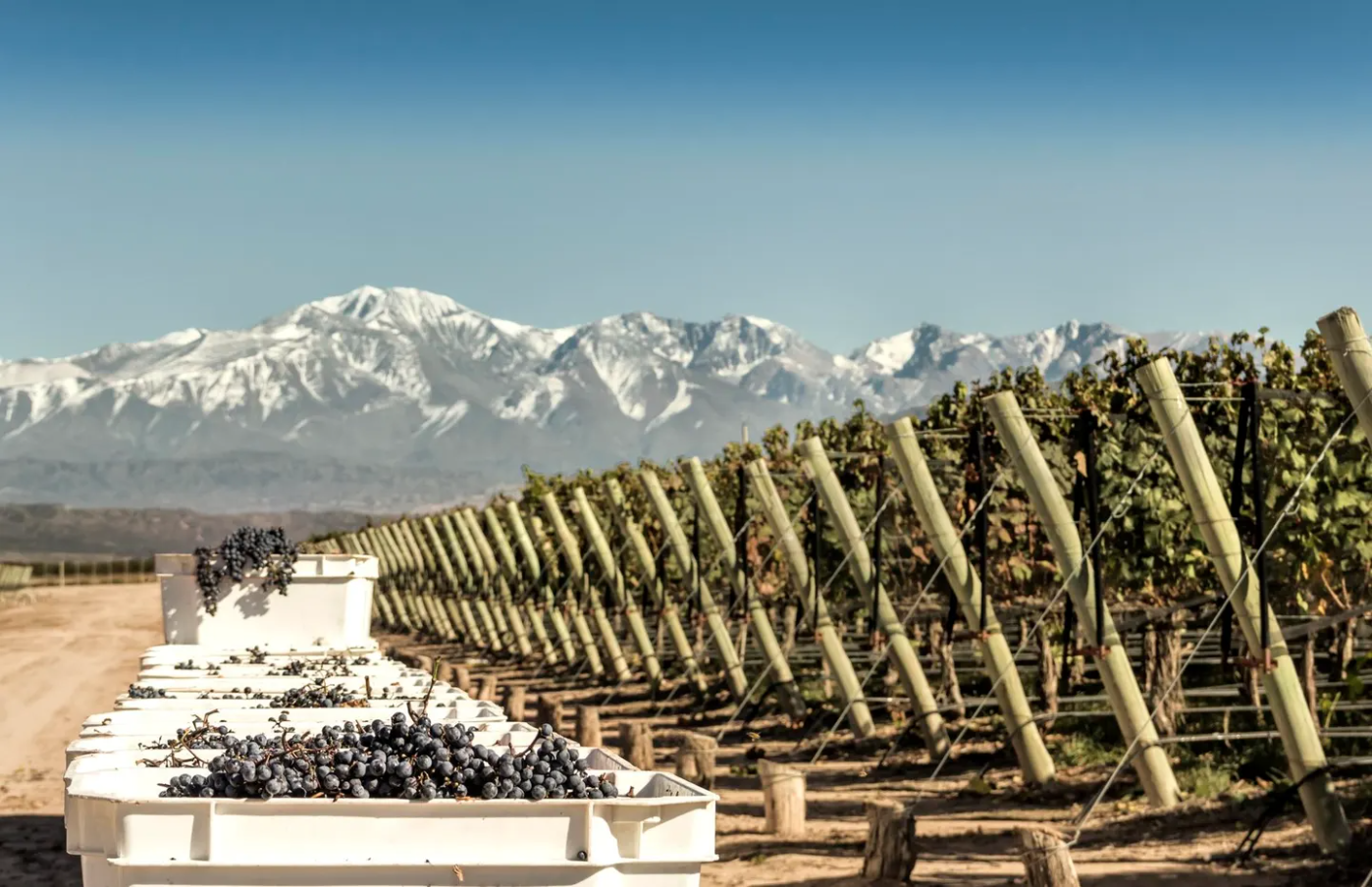
Meanwhile, in Argentina’s Andes, some guys are growing grapes at over 10,000 feet.
These guys don't even care to look down at the rest of us.🧵
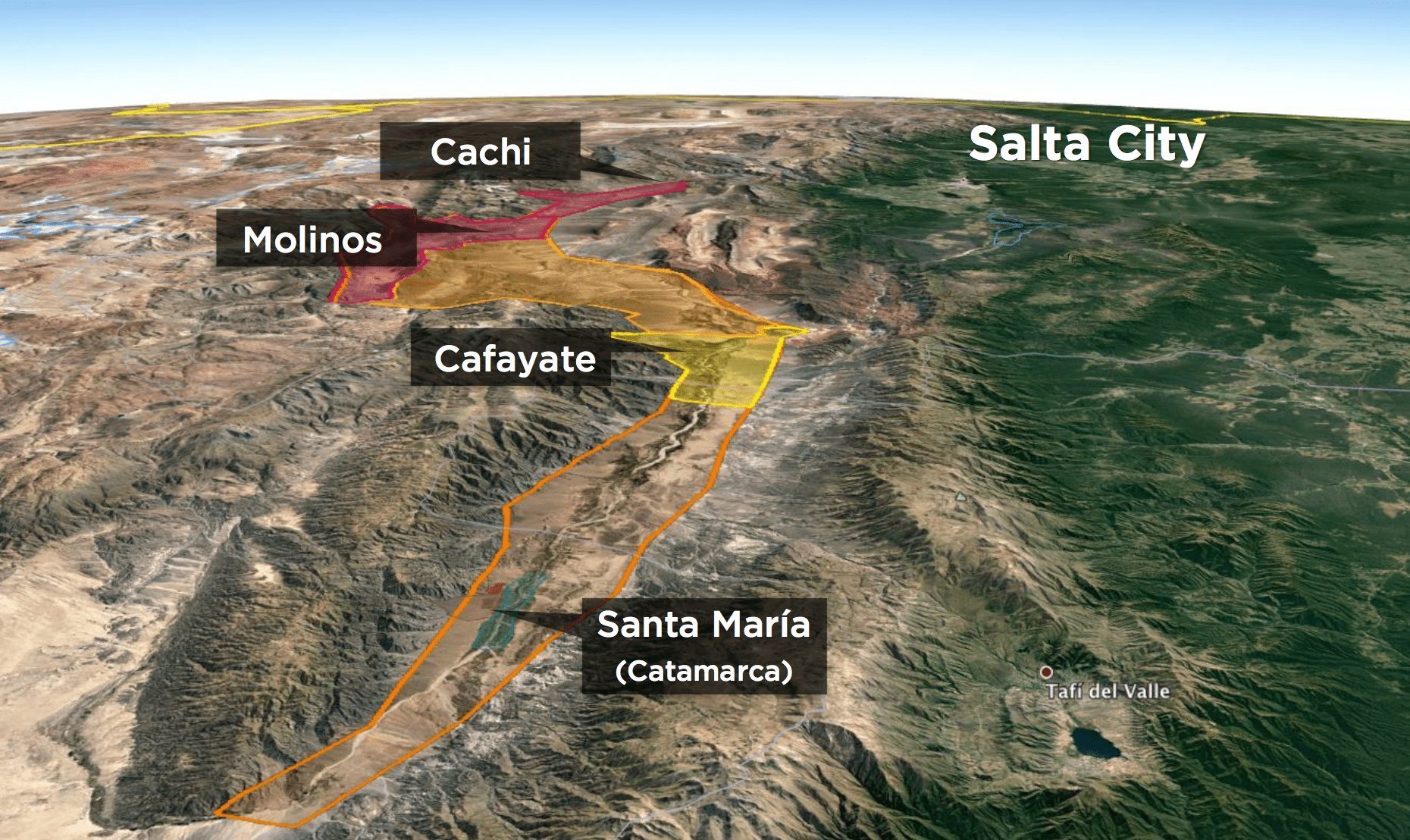
The Calchaquí Valleys sit on the Altiplano in northern Argentina.
A dry, rugged plateau surrounded by some of the tallest mountains in the Andes.
Vineyards like Bodega Colomé’s Altura Máxima are planted at 10,500 feet, with 20,000-foot peaks towering above them.
Farming at this elevation is a different game.
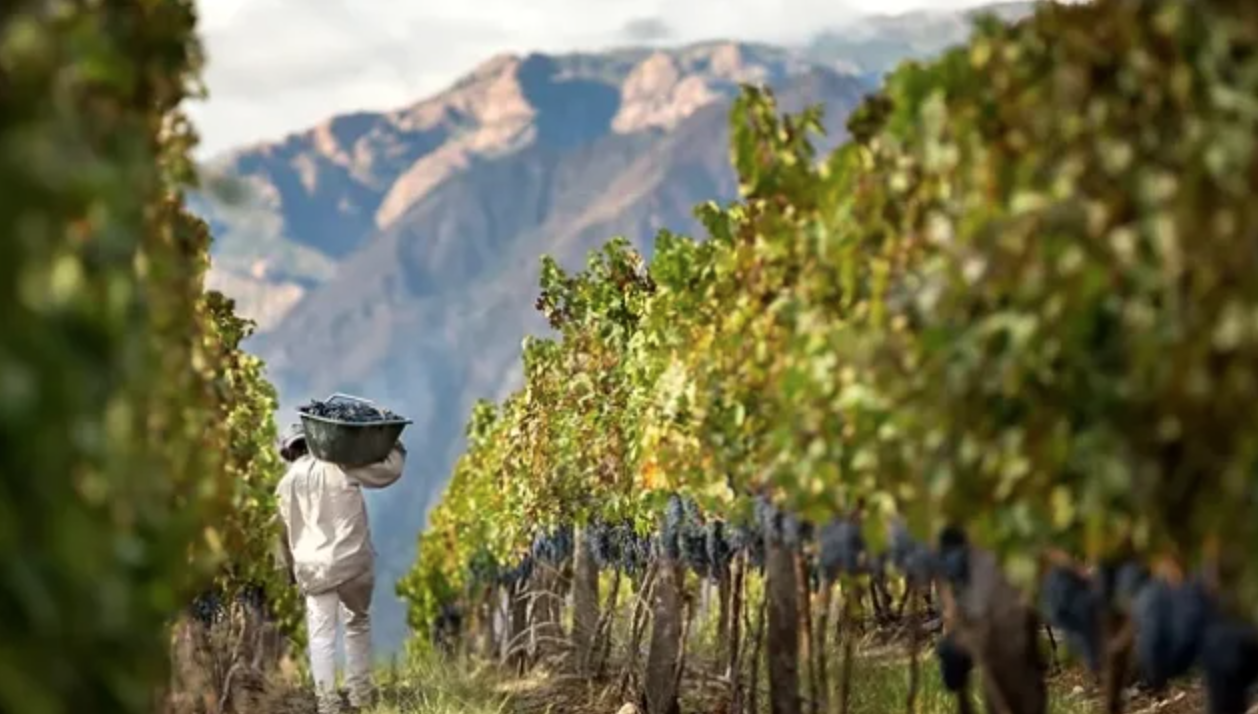
In this high desert environment, all of the water comes from snowmelt, moved through simple gravity-fed ditches carved into the rock and Tractors struggle to run in the thin air so most of the work is done by hand.
How can grapes even grow at this altitude?
- They’re closer to the equator, so the sun is stronger and more consistent.
- The dry air from the Andes keeps disease pressure low.
These brutal conditions do a few things to the grapes:
- Thicker skins
- Smaller berries
- Higher natural acid
- Slow sugar development
- Deeper color and structure
The vines get battered all season long and that can be a good thing.
Most every grape varieties can't take it.
Malbec survives because it handles UV, drought, and cold nights without breaking down.
Torrontés survives because it ripens fast and keeps its aromatics even under a punishing sun.
But how different do they taste from their neighboring, low elevation counterparts?
Malbec from these heights is darker, fresher, and tighter than anything you’ll find in the lowlands.
Torrontés turns sharp, floral, and piercing. It is electric compared to a coastal white.
Of course, vineyards this high are small by nature.
Yields are low.
Most of the wine stays local.
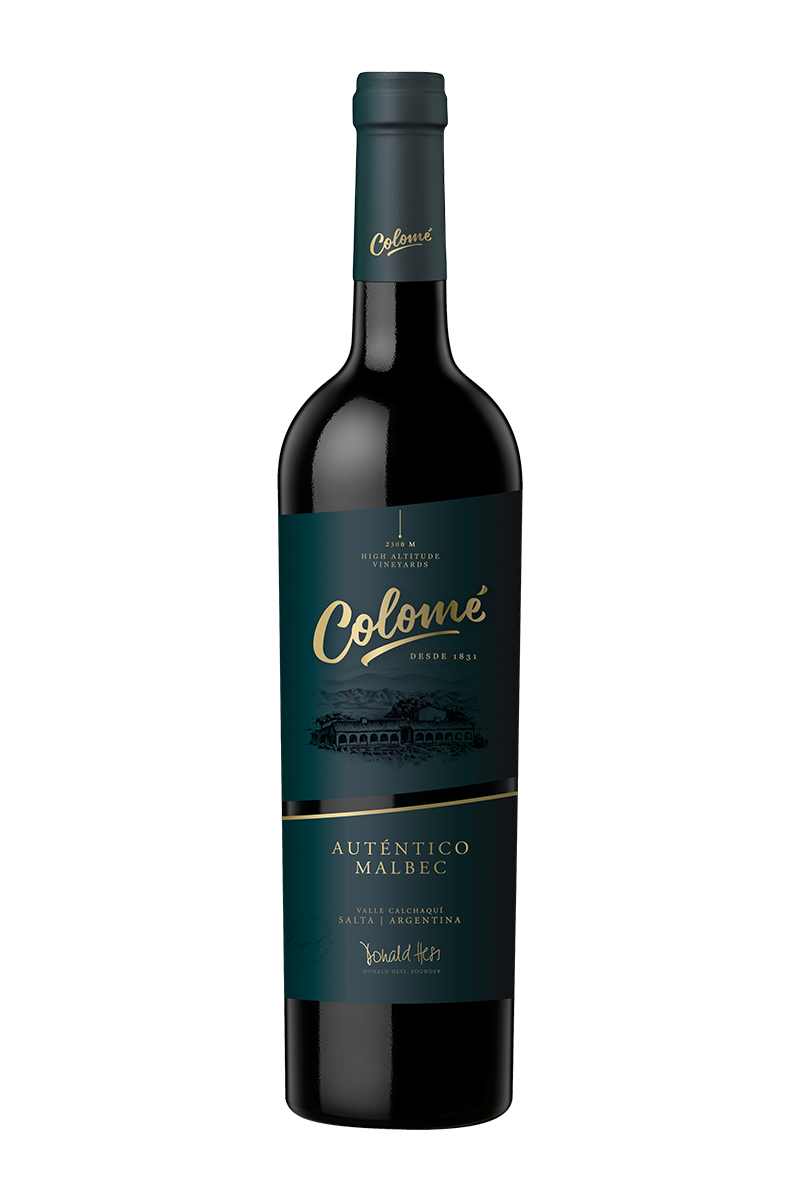
But if you want to hunt some down, look for bottles from Bodega Colomé or Bodega Tacuil.
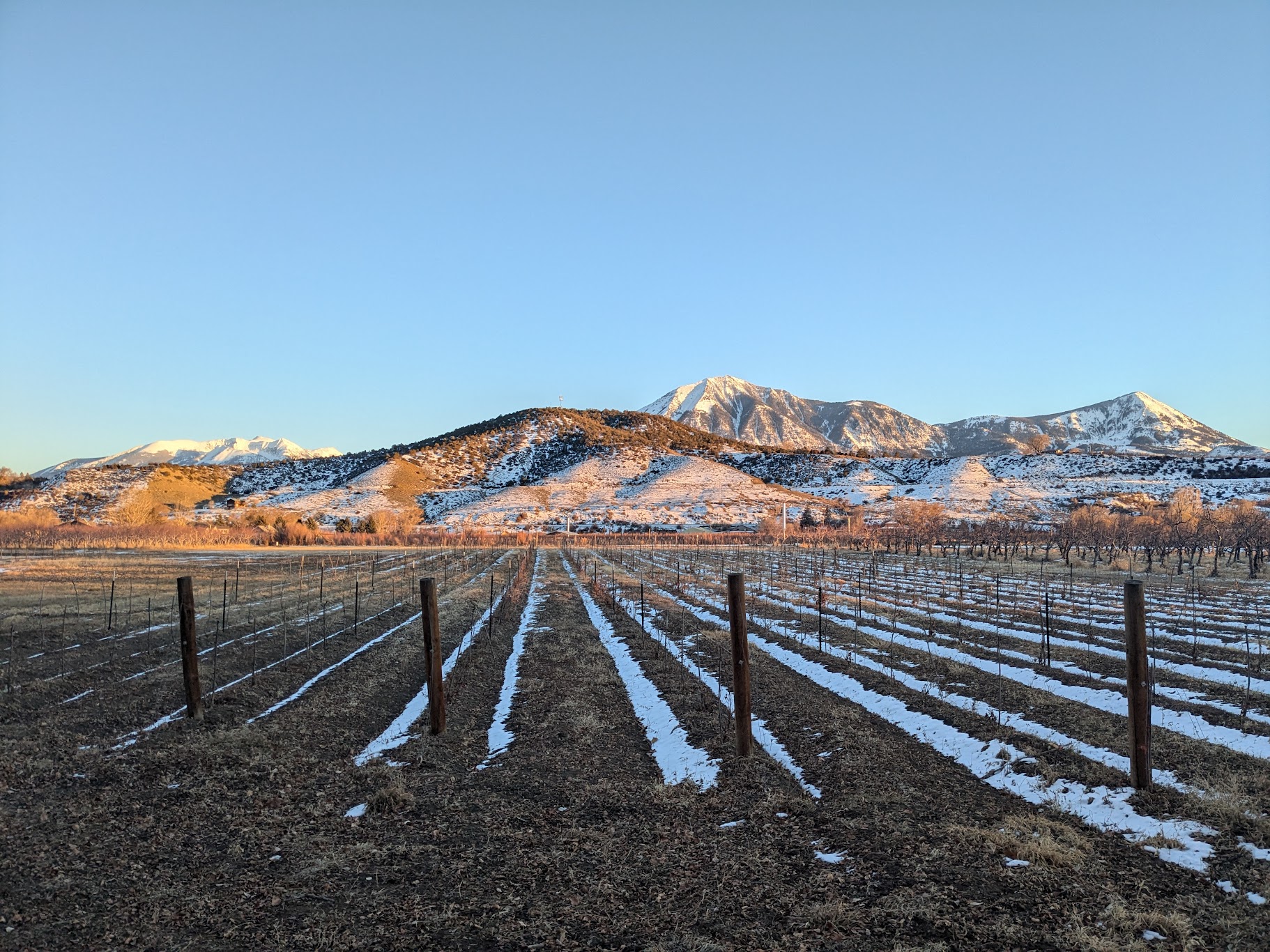
I grow Pinot Noir at 6000 feet, in the highest wine region in North America.
Sometimes I think what I’m doing is crazy.
But these guys put me to shame.
They’re farming grapes at elevations that match the highest mountains around me.
I really need to get my hands on a bottle from here to compare.
Cheers🍷


 If you didn't know better, you might think something's gone wrong. Why are there floaties in your fancy bottle?
Sediment often scares people, so most American wine is filtered heavily before bottling. Filters strip away those particles, but also all the potential for change and development. Whats left is predictable and sterile.
It has become just another alcoholic beverage and will no longer properly develop character with time.
Filters remove the wine's soul.
If you didn't know better, you might think something's gone wrong. Why are there floaties in your fancy bottle?
Sediment often scares people, so most American wine is filtered heavily before bottling. Filters strip away those particles, but also all the potential for change and development. Whats left is predictable and sterile.
It has become just another alcoholic beverage and will no longer properly develop character with time.
Filters remove the wine's soul. Acid and tannin are the frame.
These are your two biggest structural clues. Acid keeps wine alive over time. Without it, the wine falls flat after a few years. Tannin provides grip and preservation for reds. Without enough tannin, they lose their backbone and turn flabby.
You want to look for wines that feel tight, even a little aggressive, in their youth. They need time to soften. If a wine already feels smooth and easygoing, it's probably showing you its best self right now.
This is counterintuitive and takes time to learn.
Alcohol can be a red flag.
High alcohol doesn't age well unless there's serious balance to back it up. That 15% fruit bomb sitting on the shelf is probably peaking right now. Lower alcohol with robust structure is usually a better bet for the long haul.
Here's why: the alcohol shows up as heat which comes to the forefront as wine ages. What feels warm but manageable at year one can turn hot and harsh at year ten.
Oak isn't aging.
People think oakiness equals aging potential. Not always. Heavy oak can add tannic structure, but will also mask flaws early on. It doesn't guarantee anything outside of the wine will tasting like vanilla or toast for longer.
Wines with light, well-integrated oak often hold up better over time and since its whats underneath the oak that matters, you'll be able to tell that easier.
Reputation matters (sometimes).
If a wine has a track record of aging well, that's a good sign, but each vintage has some variation due to weather, winemaking decisions, and vineyard changes. There is no guarantee.
Check the winery's cellar practices, vineyard site, and aging history. You shouldn't make an aging decision based off a pretty label.
The longest my family has aged our estate Pinot Noir is 17 years. The longest I've aged wine that I personally made is 6 years. Upon last check, both are still getting better.
Acid and tannin are the frame.
These are your two biggest structural clues. Acid keeps wine alive over time. Without it, the wine falls flat after a few years. Tannin provides grip and preservation for reds. Without enough tannin, they lose their backbone and turn flabby.
You want to look for wines that feel tight, even a little aggressive, in their youth. They need time to soften. If a wine already feels smooth and easygoing, it's probably showing you its best self right now.
This is counterintuitive and takes time to learn.
Alcohol can be a red flag.
High alcohol doesn't age well unless there's serious balance to back it up. That 15% fruit bomb sitting on the shelf is probably peaking right now. Lower alcohol with robust structure is usually a better bet for the long haul.
Here's why: the alcohol shows up as heat which comes to the forefront as wine ages. What feels warm but manageable at year one can turn hot and harsh at year ten.
Oak isn't aging.
People think oakiness equals aging potential. Not always. Heavy oak can add tannic structure, but will also mask flaws early on. It doesn't guarantee anything outside of the wine will tasting like vanilla or toast for longer.
Wines with light, well-integrated oak often hold up better over time and since its whats underneath the oak that matters, you'll be able to tell that easier.
Reputation matters (sometimes).
If a wine has a track record of aging well, that's a good sign, but each vintage has some variation due to weather, winemaking decisions, and vineyard changes. There is no guarantee.
Check the winery's cellar practices, vineyard site, and aging history. You shouldn't make an aging decision based off a pretty label.
The longest my family has aged our estate Pinot Noir is 17 years. The longest I've aged wine that I personally made is 6 years. Upon last check, both are still getting better.