Peony Lane Wine's avatar
Peony Lane Wine
peony@primal.net
npub17anj...2c0c
High Elevation, Low Intervention Wine Shipping all over the USA #Bitcoin Made by Ben Justman
Peony Lane Wine's avatar
PeonyLaneWine 2 weeks ago
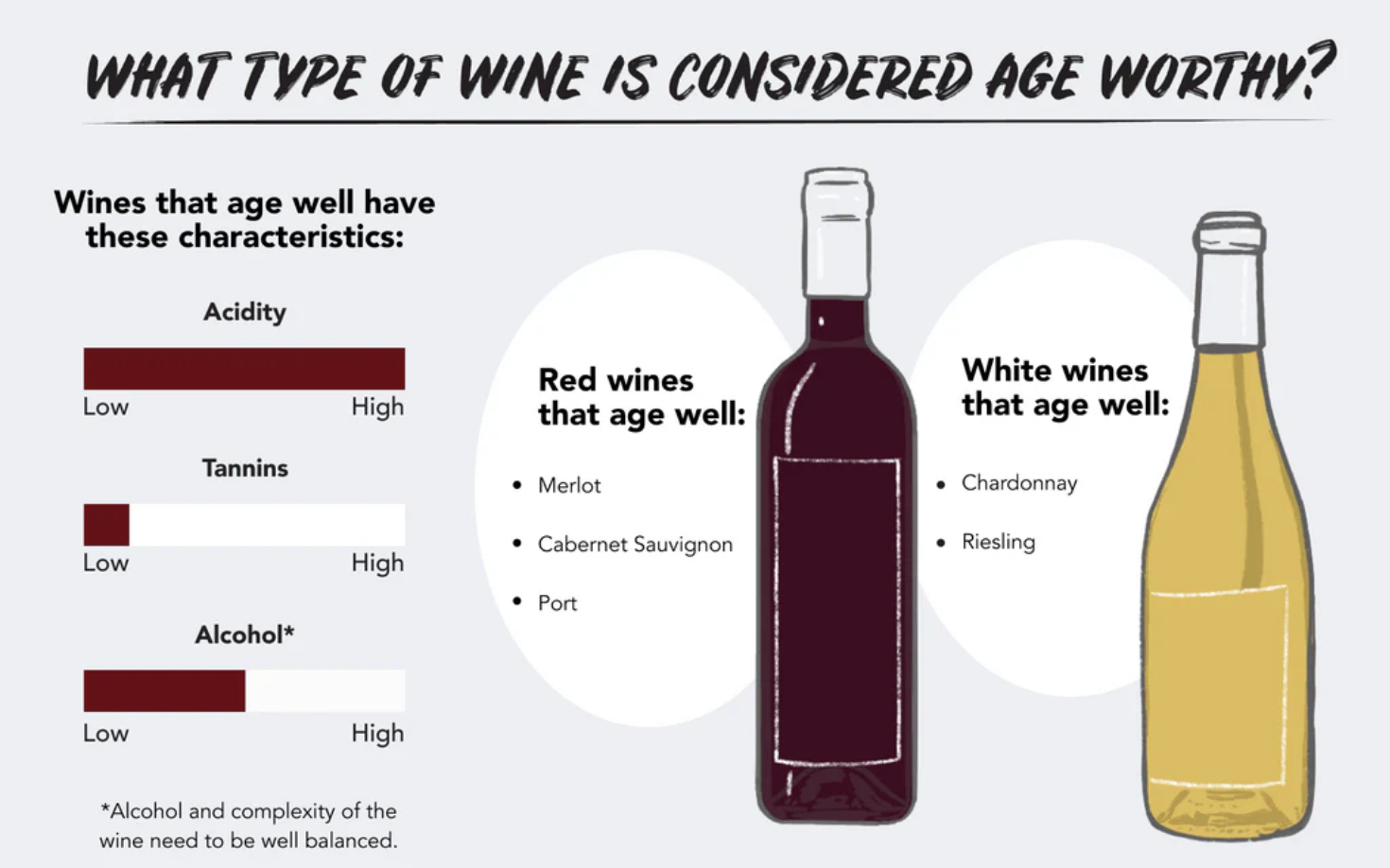
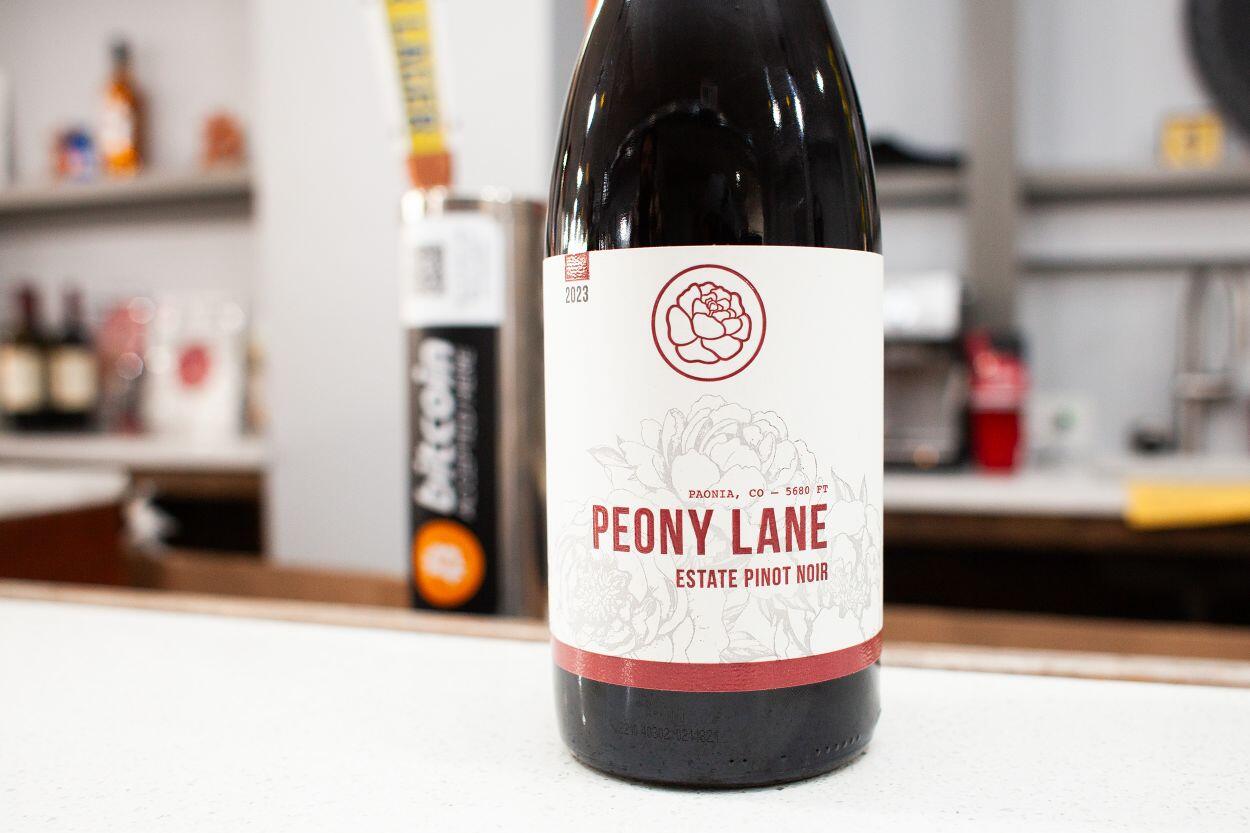
Most wine isn't built to age. What should you look for in a wine before you spend your next decade decade waiting? Acid and tannin are the frame. These are your two biggest structural clues. Acid keeps wine alive over time. Without it, the wine falls flat after a few years. Tannin provides grip and preservation for reds. Without enough tannin, they lose their backbone and turn flabby. You want to look for wines that feel tight, even a little aggressive, in their youth. They need time to soften. If a wine already feels smooth and easygoing, it's probably showing you its best self right now. This is counterintuitive and takes time to learn. Alcohol can be a red flag. High alcohol doesn't age well unless there's serious balance to back it up. That 15% fruit bomb sitting on the shelf is probably peaking right now. Lower alcohol with robust structure is usually a better bet for the long haul. Here's why: the alcohol shows up as heat which comes to the forefront as wine ages. What feels warm but manageable at year one can turn hot and harsh at year ten. Oak isn't aging. People think oakiness equals aging potential. Not always. Heavy oak can add tannic structure, but will also mask flaws early on. It doesn't guarantee anything outside of the wine will tasting like vanilla or toast for longer. Wines with light, well-integrated oak often hold up better over time and since its whats underneath the oak that matters, you'll be able to tell that easier. Reputation matters (sometimes). If a wine has a track record of aging well, that's a good sign, but each vintage has some variation due to weather, winemaking decisions, and vineyard changes. There is no guarantee. Check the winery's cellar practices, vineyard site, and aging history. You shouldn't make an aging decision based off a pretty label. The longest my family has aged our estate Pinot Noir is 17 years. The longest I've aged wine that I personally made is 6 years. Upon last check, both are still getting better. image
Peony Lane Wine's avatar
PeonyLaneWine 3 weeks ago
We're really gonna make this whole mission happen. Freedom money 💪 I got sucked into Bitcoin, but never would have gone this hard if a bunch of psychopaths didn't start buying my wine with Bitcoin. We're gonna win because of you. image
Peony Lane Wine's avatar
PeonyLaneWine 3 weeks ago
When quantum destroys Bitcoin you'll sure be glad you bought wine with it 😉 image
Peony Lane Wine's avatar
PeonyLaneWine 3 weeks ago
YOU DO NOT PROCESS ALL ALCOHOLIC DRINKS IN THE SAME WAY. If you feel horrible after you drink, audit what you are drinking and find something that works for you. If you don't have a problem drinking in moderation, you do not need to quit drinking entirely. Switch to low intervention wine Switch to blanco tequila Fuck, I even feel solid after drinking a nice whiskey in comparison to beer, shitty wine or mixed drinks.
Peony Lane Wine's avatar
PeonyLaneWine 3 weeks ago
A winemaker in the USA can add any of these sweeteners to their wine without disclosing the info to the consumer. Maltodextrin Sucrose Glycerol Sorbitol Dextrose Fructose Glucose Invert sugar Artificial sweeteners The only way to know what is in your wine is to ask the winemaker directly. Shake your Winemaker's Hand
Peony Lane Wine's avatar
PeonyLaneWine 3 weeks ago
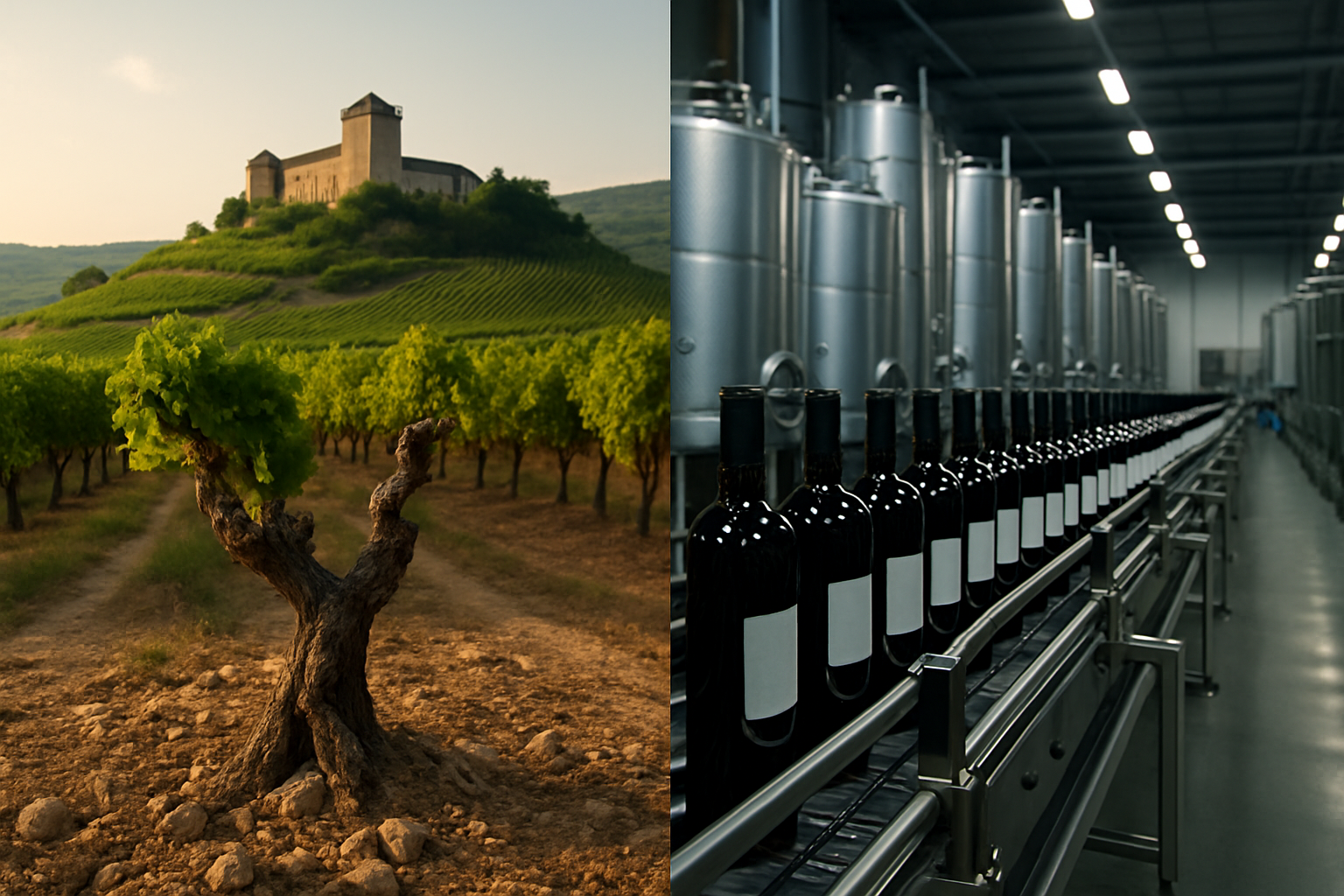
How Fiat Thinking Warped the Wine Industry In Europe, wine culture was built slowly over generations. Time, not money, was the main ingredient. You could not fake it. You could not rush it. In the U.S., it was different. By the time American wine started gaining recognition, the corporate mindset was already seeping in. Short-term profit was not a side effect. It was the strategy. The top tier of American wine still exists. But everywhere below it, corners were cut. Volume has mattered more than vineyard. Brand has mattered more than bottle. Massive corporations scaled up, standardized the product, and flooded the shelves, crowding out everyone else. Not because they were evil. Because the system rewarded short-term thinking over long-term value. Now, the cracks are showing. People are starting to ask why wine makes them feel so bad. Some are giving up on it entirely. Others are looking deeper and finding that lower-intervention, local wines are what they had been missing all along. Wine, at its core, is a low time preference vehicle. It seems to not want to be rushed, manipulated, or manufactured. It seems to er towards expressing the land, the season, and the patience of the people behind it. The roots of wine are still strong. In Europe, they were never fully severed. And in the U.S., we are finally starting to let them grow. But we are a long way from home. image
Peony Lane Wine's avatar
PeonyLaneWine 3 weeks ago
Delaware must be full of Bitcoins who want Peony Lane🍷 image
Peony Lane Wine's avatar
PeonyLaneWine 3 weeks ago
A small group of people can reshape an entire system. Nassim Taleb coined the term Intransigent Minority to describe the phenomenon. When the cost of acquiring that group is low, the rest of the population is indifferent, and that group is stubborn enough to stand on what they believe, the system bends. His go-to example is kosher food. Fewer than 0.5% of Americans follow kosher rules, yet a huge portion of the grocery store is certified. Observant Jews won’t touch non-kosher food, but most people don’t think twice about it. So if you run a factory, it’s easier to make everything kosher than split your product line. One group has strict requirements. The other is flexible. That’s enough to tip the entire system. I’m seeing something similar with bitcoin businesses. The pressure here isn’t negative or rooted in avoidance. It’s completely positive. What I do see is a sharp rise in demand for products and services from companies that accept bitcoin alongside the dollar. Whether bitcoiners use it as a medium of exchange or not, it’s clear that having that option is good for business. This pattern has been clear to me ever since bitcoiners started buying my wine, but my scale is small. Since then, I’ve watched everything from cottage producers to large ranching operations benefit from the same magnetic pull. Steak n’ Shake, with over 450 locations, is just the next evolution. If a bitcoiner is getting a burger, Steak n’ Shake just jumped to the top of their list. They’ve already gained the attention of a group that punches above its weight. Time will tell how much we impact their business. Bitcoiners’ impact doesn’t come from protest. It shows up as positive reinforcement. The Magnetic Minority rewards alignment and that reward is scaling. Taleb gave us the template. We’re writing our own story. image