Peony Lane Wine's avatar
Peony Lane Wine
peony@primal.net
npub17anj...2c0c
High Elevation, Low Intervention Wine Shipping all over the USA #Bitcoin Made by Ben Justman
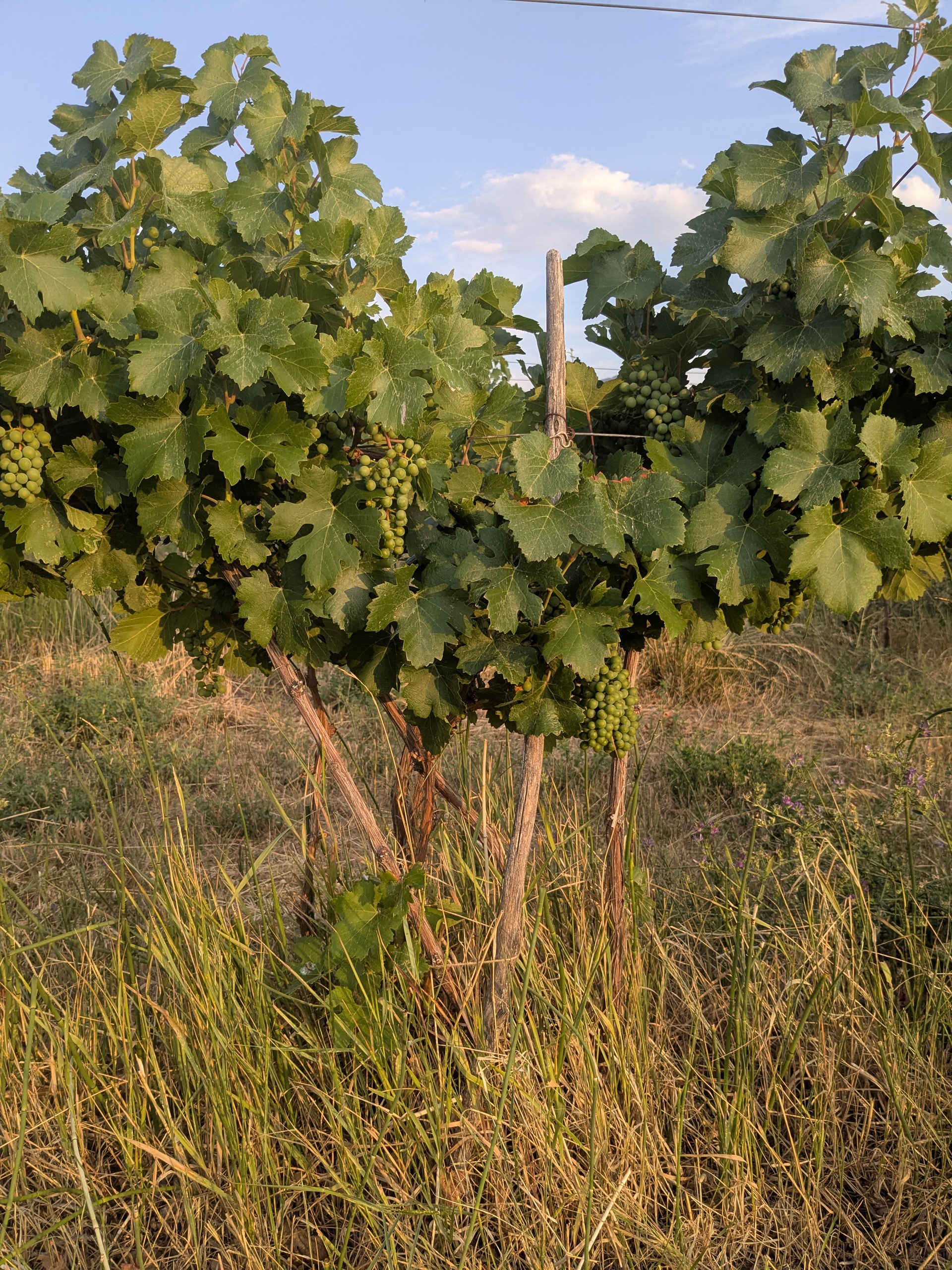
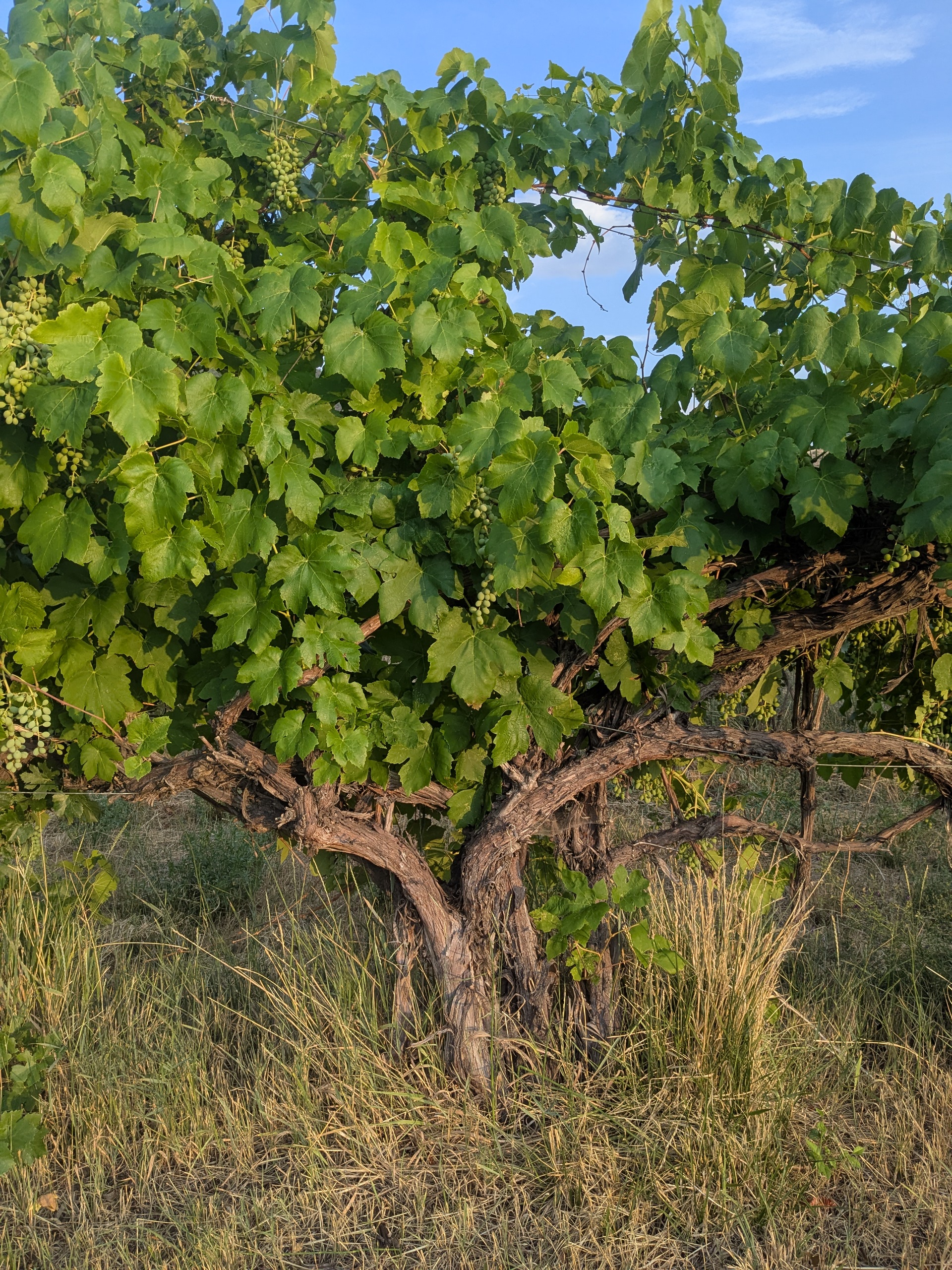
The difference between Pinot Noir vines and Thompson's seedless. Both planted in CO in 2004. Farming Pinot Noir at elevation isn't easy 🍇
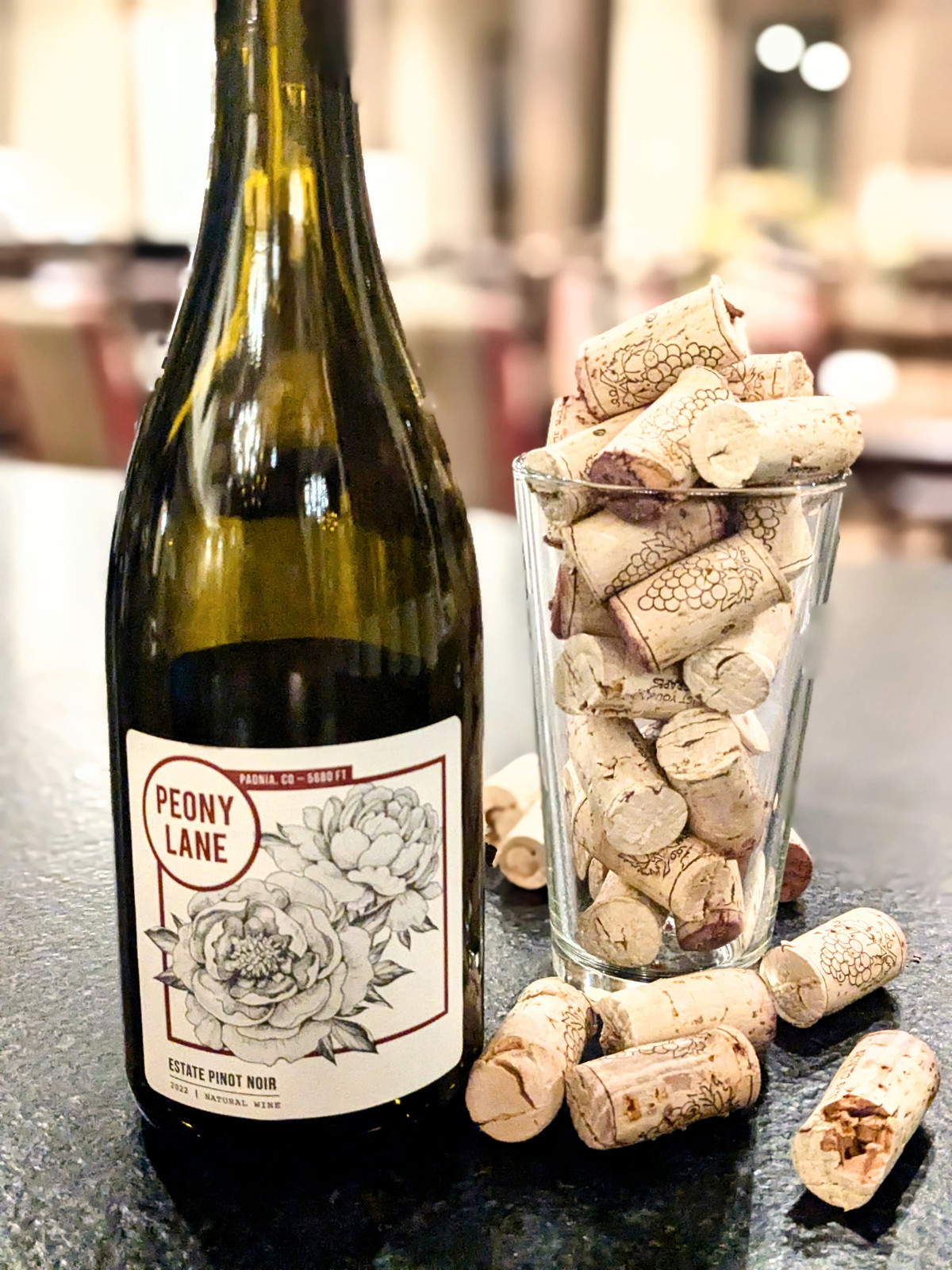
People tell me all the time, "Ben, we need to get your wine into this restaurant." Here's why I say no. When I started Peony Lane, I had no idea what direction I wanted to take things. I began at farmers markets because I needed first-hand sales experience. I wanted to see if my wine had enough traction to survive, and after investing much more than everything I had, I needed sales before I could think about the next stage. At the time, I thought that next stage would be a tasting room in my hometown. Community has always been huge for me. I figured I'd build it by creating the kind of space I wanted to spend time in. The "if you build it, they will come" idea. I'll meet the right people if I build the place they'll all want to gather in. On the road to getting there, I ended up finding the community I really needed online. We centered around one big idea, Bitcoin, and once I found that, I realized I couldn't find many of the connections I really wanted outside of it. So when I turn down restaurants or liquor stores that want to carry my wine, it's not because I don't want to grow Peony Lane. It's because I've learned what actually drives me. I don't get energy from just making and selling wine. I get it from producing value for my community. As soon as my wine becomes just another bottle on a shelf or menu, all the excitement disappears for me. Sure, it would be nice to make those sales, but fulfilling wholesale orders takes energy that pulls me away from what brings me joy. Focus is scarce, and I want mine aimed at what matters. If there's one thing I've learned about entrepreneurship, it's that consistency is everything when it comes to survival. New opportunities pop up all the time, but knowing when to say no is the difference between building something lasting and burning out. To make it anywhere in business, you need to be pumped about your goal, and I quickly realized that just making really good wine wasn't enough for me. What drives me is giving people the same experience I had when I realized wine doesn't have to make you feel bad afterward. Educating about wine in a way that isn't pretentious and getting back to basics: Does it taste good TO YOU? How do you feel the next day? It's deeply gratifying to show that you can make a great product, focus only on serving your community, and still win in a real way. Business has never really been about the money for me, which is ironic given that all our Bitcoin community cares about is fixing THE money. image
A winemaker in the USA can add any of these acidity adjusters to their wine without disclosing the info to the consumer. calcium carbonate malic acid tartaric acid lactic acid potassium bicarbonate sodium bicarbonate potassium hydroxide sodium hydroxide ammonium carbonate ammonium chloride ammonium hydroxide magnesium carbonate sodium carbonate The only way to know what is in your wine is to ask the winemaker directly. Shake your Winemaker's Hand
Peony Lane Wine's avatar
PeonyLaneWine 2 weeks ago
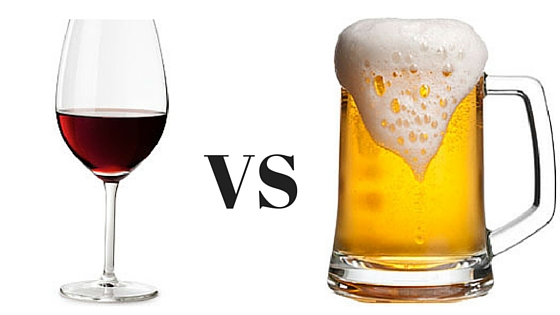
I used to think alcohol was alcohol. Beer...Wine. They both got me drunk. Then I started paying attention. To how beer left me foggy. And how wine didn’t. Here’s what I found 🍺🍷🧵 Wine and Beer Start From Different Foundations Wine is made from fermented grapes. Beer is made from fermented grains. That difference really matters. Grapes naturally contain compounds that survive fermentation and end up in your glass. These include polyphenols, which have been studied for their ability to reduce inflammation, support blood vessels, and protect cells from oxidative stress. Beer starts with starch. After fermentation, most commercial beer is filtered, pasteurized, and standardized. That strips out nearly all of the byproducts that might offer anything beyond alcohol and empty calories. Both wine and beer can include additives that aren't listed on the label. But with wines, more of the beneficial compounds tend to stay in. It is also easier to find low-intervention wines with few additives, and there is a stronger culture of traceability in wine. People care who grew the grapes, how they were grown, and where. You can find good beer and bad wine. But at the baseline, wine has more going for it. Blood Sugar and the Crash Most people chalk up how they feel after drinking to “just a hangover.” But part of that foggy, sluggish feeling is driven by blood sugar swings. Wine, especially dry red wine, has virtually no residual sugar. During fermentation, yeast consumes the natural grape sugars. A standard glass of dry red often contains less than 1 gram of sugar. Beer, on the other hand, contains maltose and residual starch, both of which break down quickly into glucose. This gives it a higher glycemic load, especially when consumed without food or in large quantities. Blood sugar spikes, insulin rises, and then comes the crash. Alcohol itself makes this worse. It inhibits gluconeogenesis, which is your liver’s ability to produce glucose when blood sugar runs low. That makes it harder for your body to recover once blood sugar drops. This is why beer often leaves you drained and cloudy, even after just a couple. Wine avoids about as much of that as possible. Less sugar spike. Less crash. Antioxidants and Inflammation Red wine contains polyphenols like resveratrol, quercetin, and anthocyanins. These compounds have been studied for their role in reducing inflammation and protecting blood vessels. Beer contains some antioxidants from hops and barley, but at much lower levels. The process of filtration and pasteurization removes most of what might help. If you’re going to drink, wine actually gives your body something to work with. Hormonal Effects Beer contains hops, and hops contain a compound called 8-prenylnaringenin. It’s a powerful phytoestrogen, meaning it acts like estrogen in the body. In high enough quantities, it can start shifting hormone levels. Chronic beer consumption has been linked to lower testosterone, reduced libido, and, in some cases, increased body fat in areas like the manboob. Wine doesn’t contain estrogenic compounds like this. Some of the polyphenols in red wine may even slow down how fast your body breaks down testosterone. One lab study found a reduction in testosterone clearance by up to 70 percent. Beer increases estrogen. Wine slows testosterone loss. Transparency and Sourcing Neither beer nor wine is required to list all ingredients or additives on the label. That means you're often drinking blind unless you know the producer. With wine, it's usually easier to trace the origin. There’s a stronger culture around knowing who grew the grapes and how the wine was made. Beer doesn’t have that same emphasis on sourcing. It’s possible, but less common. If you want to drink better, ask questions and buy from people who can answer them. Not all alcohol is created equal. Beer gives you sugar spikes, estrogenic compounds, and fewer nutrients. Wine gives you antioxidants, lower sugar, and for guys, a possible hormonal edge. I’m not saying wine is a health drink. But switching from beer to wine might actually make you feel better. I’ve noticed it myself. I rarely drink beer anymore. Curious if anyone else has had the same experience. image
Peony Lane Wine's avatar
PeonyLaneWine 2 weeks ago
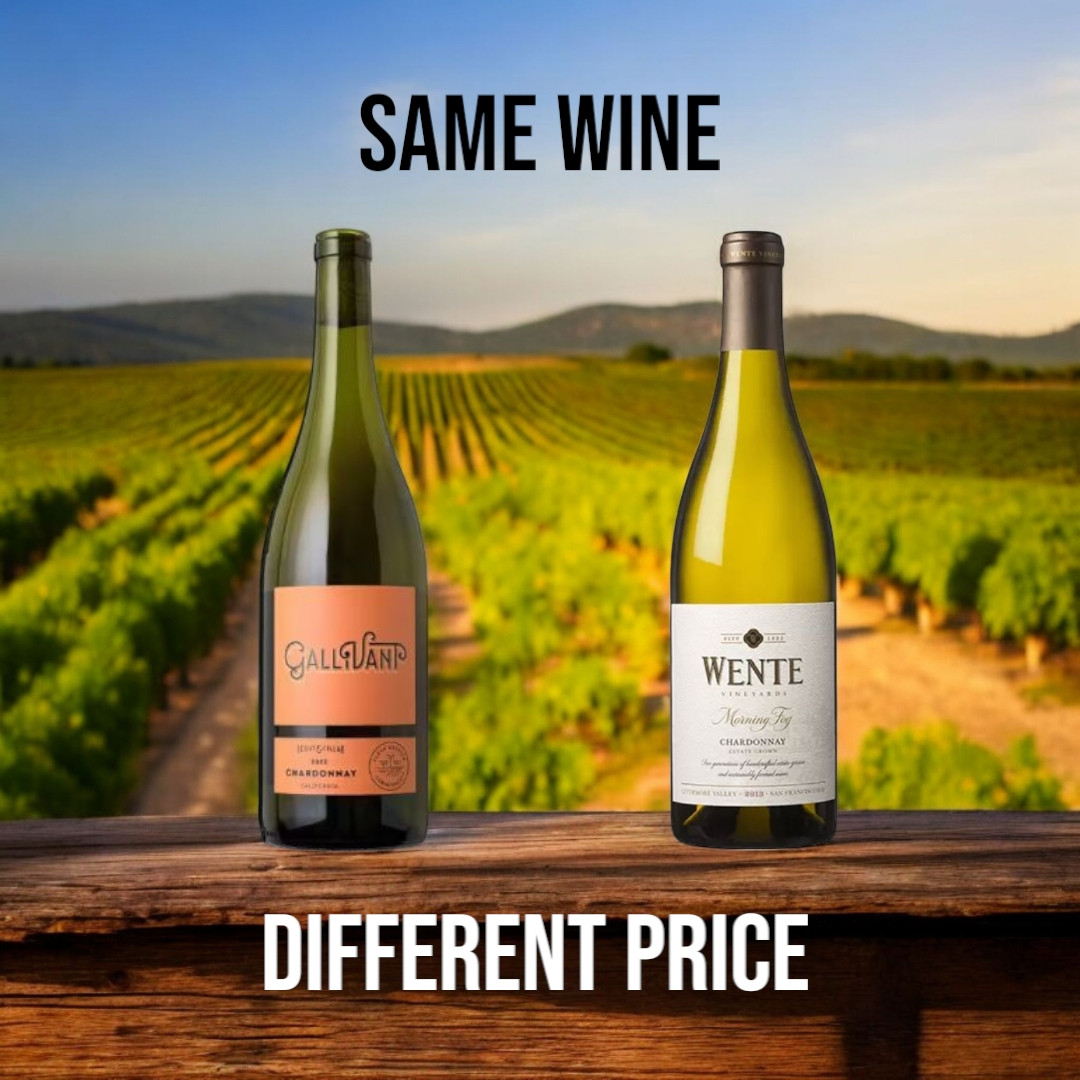
Black Market Wine Scout & Cellar sells a $25 Gallivant chardonnay. The marketing copy says it's made by "a fifth-generation family winery founded in Monterey in 1883." Sounds legit, but they won't tell you which one. Wente Vineyards, a fifth-generation family winery founded in 1883 in Monterey just happens to sell an $18 Morning Fog chardonnay. It's the same wine. The business of selling bulk wine makes sense. Harvest comes once a year, so if you come up short, you buy bulk to fill gaps. If you get a bumper crop, grapes don't keep. You're better off making wine and selling the excess later. Nothing wrong with that. What sucks is the deception. Romance sells better than reality, so companies create mystery instead of transparency. Real producers can't shut up about their land. They geek out over soil, elevation, microclimate. The best wineries use transparency as their biggest selling point. Many brands have realized consumers will trust a story without verifying, so they grift off that expectation. If you notice a winery being vague about where their grapes come from, that's your red flag. Real wineries love talking about their vineyards. image
Peony Lane Wine's avatar
PeonyLaneWine 2 weeks ago
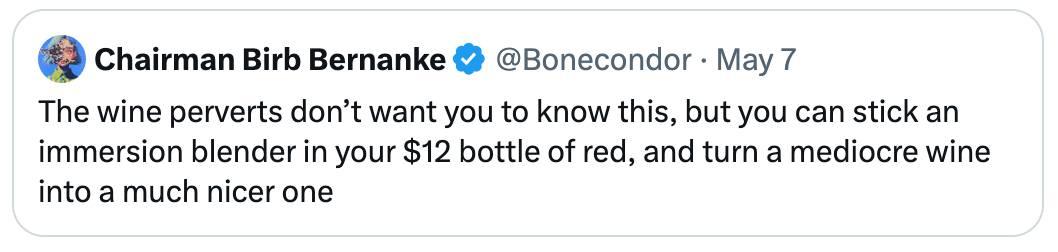
Aeration helps the flavor open up. It doesn’t fix what went into the bottle. Additives stay, and so do the headaches that come with them. DRINK CLEAN WINE image
Peony Lane Wine's avatar
PeonyLaneWine 2 weeks ago
Every famous wine region started as a place no one believed in. Colorado is still in that phase. I've gotten used to people writing Peony Lane off. It's all part of the process because you can’t borrow tradition. You have to earn it pour by pour. May the best wine win. image
Peony Lane Wine's avatar
PeonyLaneWine 2 weeks ago
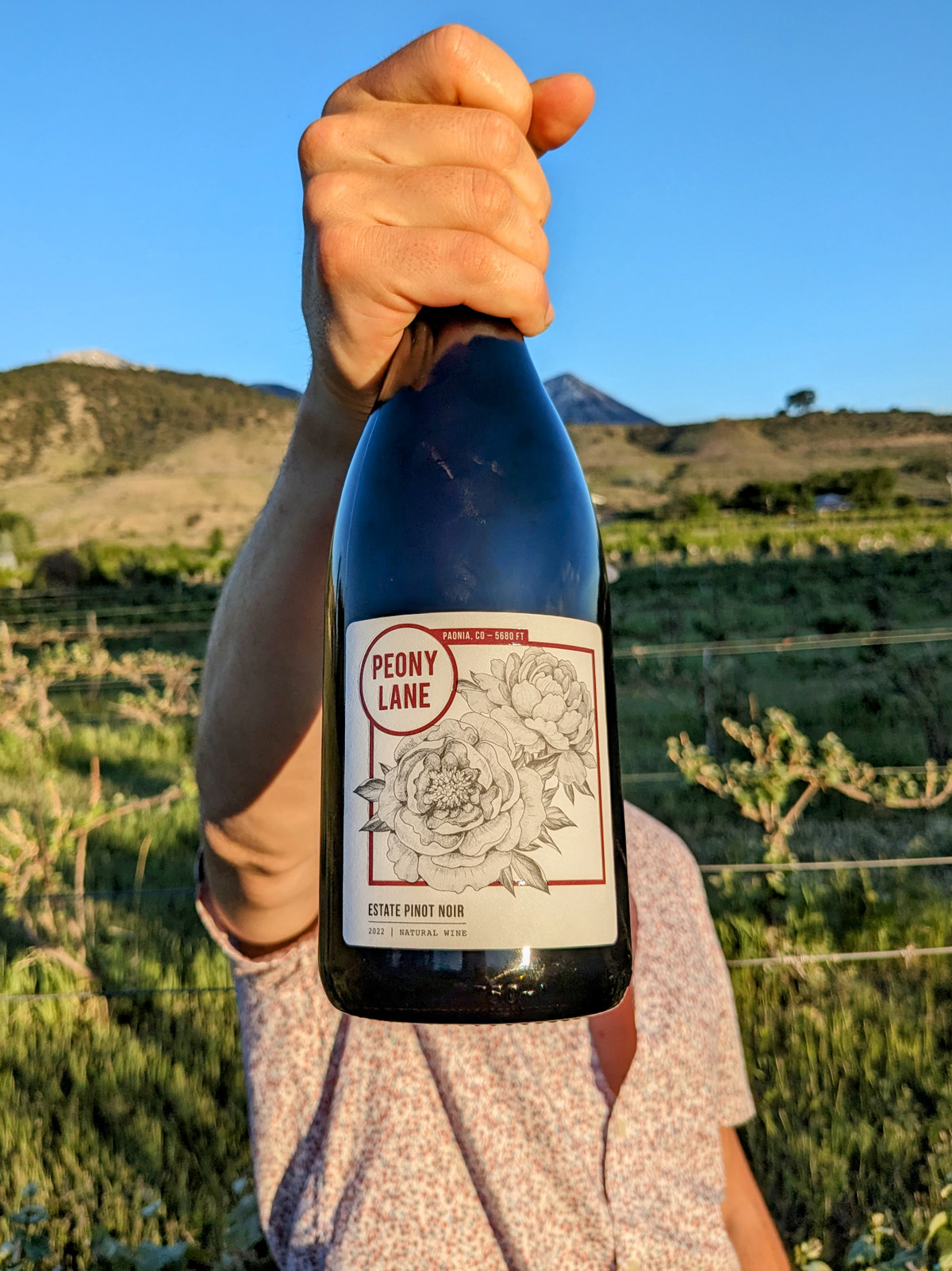
Winemaking is both an art and a science. There are metrics you can use to judge when to pick, and what to add to the wine to manipulate it in the cellar, but you can't put a number on good taste. So how do you know when a wine is done? In short, you never really can, but winemakers have to make practical decisions. Space in the cellar is limited, and many times a wine is "done" because another wine needs that barrel or because the winery needs more product to sell. Despite these practical timing demands, winemakers find ways to do little experiments on the side because they are curious at heart. Unfortunately, those experiments can take years to complete and we don't always have enough wine to do them annually. From 2019 to 2022, I didn't have enough wine from my vineyard to take any risks, but in 2023, I finally got the massive, high-quality Pinot Noir harvest I had been hoping for ever since I started Peony Lane. I finally could experiment with extended aging. Normally, I let my wines age for two years before release. They stay in the barrel for one year until the next vintage needs that barrel, then spend an additional year in the bottle. For my experiment, I let one barrel of Estate Pinot Noir age for a second year in oak before its year in the bottle started. I knew my Pinot was good, but trust me when I say this extra barrel aging took it to another level. It's going to take time, but I plan to move all of my Pinot to this aging plan. I can't wait to share it with you, but it's going to be a bit. There is no rushing good wine. image
Peony Lane Wine's avatar
PeonyLaneWine 2 weeks ago
Ben, your wine was good, and it was even better on the second day, but on the third day? WOW. It seems crazy to me to let a wine open up this long, even with the cork stuck back in, but to each their own. Here's what happens when wine meets the air👇 A little oxygen helps soften tannins, open up tight aromas to express themselves, and clarify flavors to be clearer and more expressive. As long as the wine is open, it will continue to react with oxygen and eventually it will turn the wine bad, but everyone draws that line differently. Some people like drinking my wine right after popping the cork, some after waiting 3 days. Neither one is necessarily right, but the two experiences can be VERY different. image