Peony Lane Wine's avatar
Peony Lane Wine
npub17anj...2c0c
High Elevation, Low Intervention Wine Shipping all over the USA #Bitcoin Made by Ben Justman
Peony Lane Wine's avatar
PeonyLaneWine 2 weeks ago
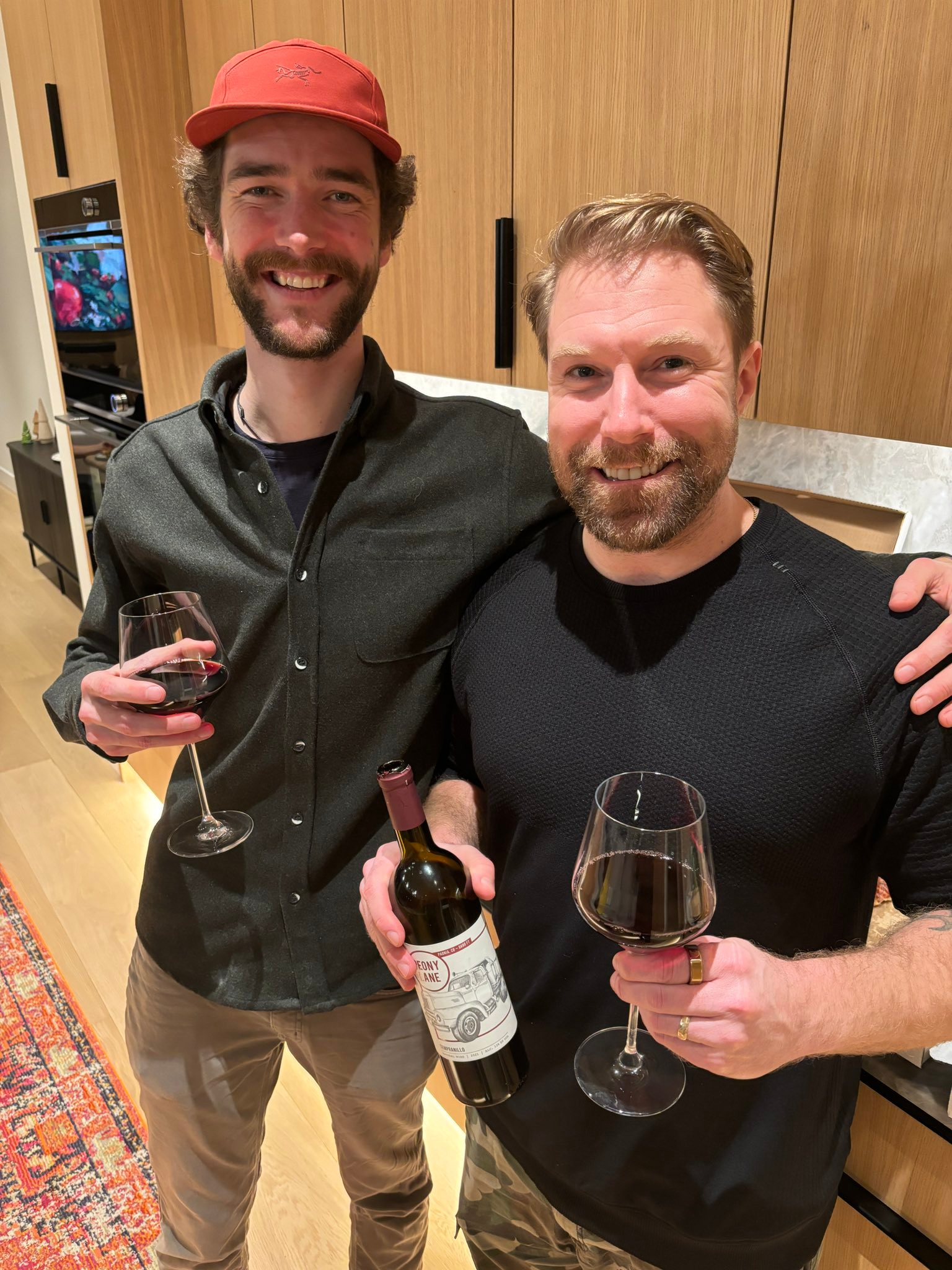
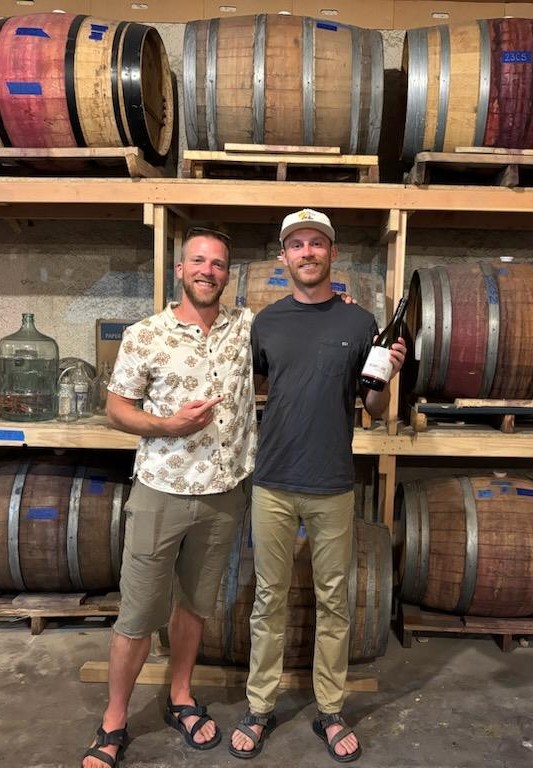
Preston had one too many...bottles 😉 Peony Lane FTW 🍷#Bitcoin #Winechain image
Peony Lane Wine's avatar
PeonyLaneWine 2 weeks ago
Bitcoin attracts people from every walk of life The only real barrier to entry is curiosity. Curious people tend to be successful, so when you gather a bunch of curious people together, you get humbled fast. I can’t tell you how many times I’ve met a random Bitcoiner only to realize they were way ahead of me. Smarter. More Successful in business. Or just figured this all out 10 years before I did. I have been in countless conversations thinking, "Who the fuck am I? I’ve done nothing compared to this person, but for some reason they want to talk to me?" There's always a bitcoiner thats better than you at everything. For Example: Skiing has always been my thing. I am really fucking good and I rarely get to ski with people who push my limits. Being the best in my crew has been a source of ego for me for a long time. A few years ago, I went to the Bitcoin Ski Summit and as we broke into groups and the first one was labeled, “If you’re the best skier on the mountain, join this one.” I jumped right in. It was a powder day at Jackson Hole. I wasn't about to be polite waiting on some Jerry to go find their lost ski. The last person to join the group was some dude without a helmet. Jerry-ville for sure. Turns out the dude was an Olympic skier and I couldn't keep up even going 100%. Best Day Ever and I was honored when he defied the authorities to smuggle a bottle of my wine home to Canada. They say firewood warms you twice. Well, Bitcoin humbles you twice. First, by showing you the world does not work the way you thought. Then, by surrounding you with casually incredible people. image
Peony Lane Wine's avatar
PeonyLaneWine 2 weeks ago
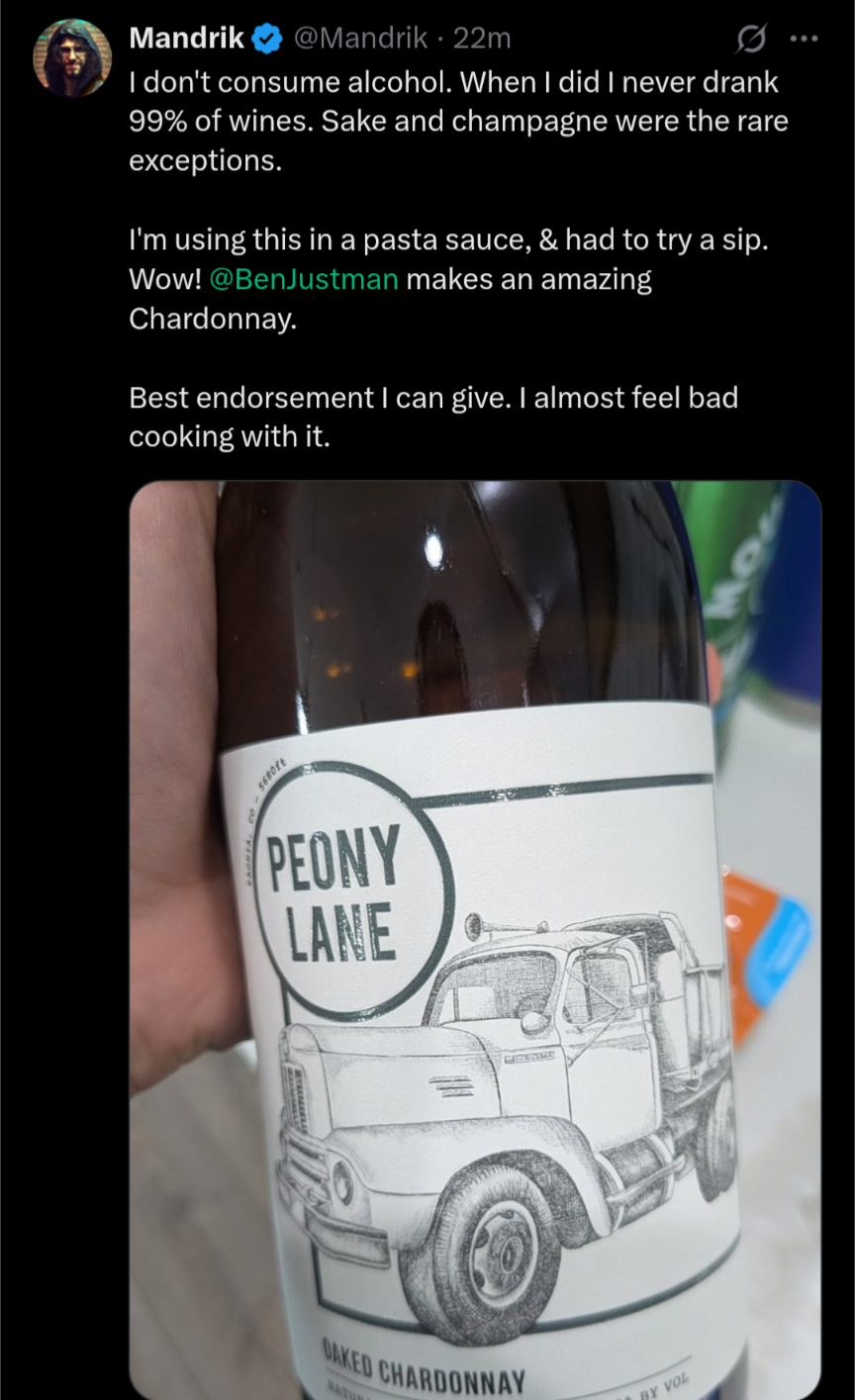
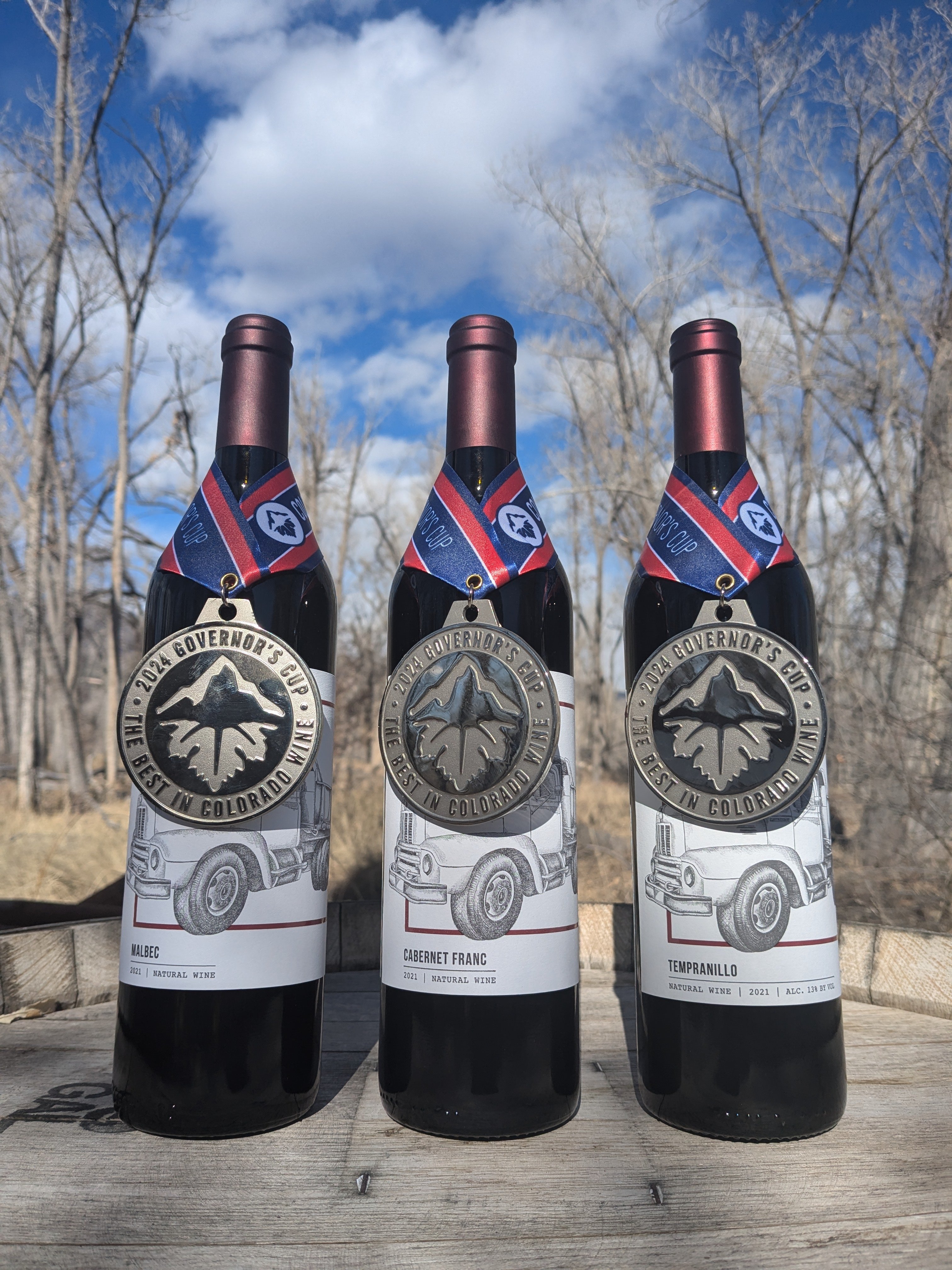
This Chardonnay was a YOLO experiment. It's the only wine I've ever made that HASN'T won an award because "It lacks varietal character" That's exactly what I wanted. So after hearing that and getting feedback from wine professionals that this was my best wine, I've stopped caring about wine awards. You won't see me bragging about how well I fit into their narrow boxes for what wine "should" taste like. Judge Me Harderr Daddy image
Peony Lane Wine's avatar
PeonyLaneWine 2 weeks ago
Wine is nothing but a multiplier. Great company, good food, the right moment. Wine can elevate the experience. Even the nicest bottle can't turn a shitty day around and shitty wine can be amazing with friends. Drink to enhance, not to escape. image
Peony Lane Wine's avatar
PeonyLaneWine 2 weeks ago
I much prefer drinking a few glasses of wine one night per week over one glass of wine a few nights a week. That's balance for me
Peony Lane Wine's avatar
PeonyLaneWine 2 weeks ago
What goes through your head when you drink my Pinot Noir? 🍷👀 image
Peony Lane Wine's avatar
PeonyLaneWine 2 weeks ago
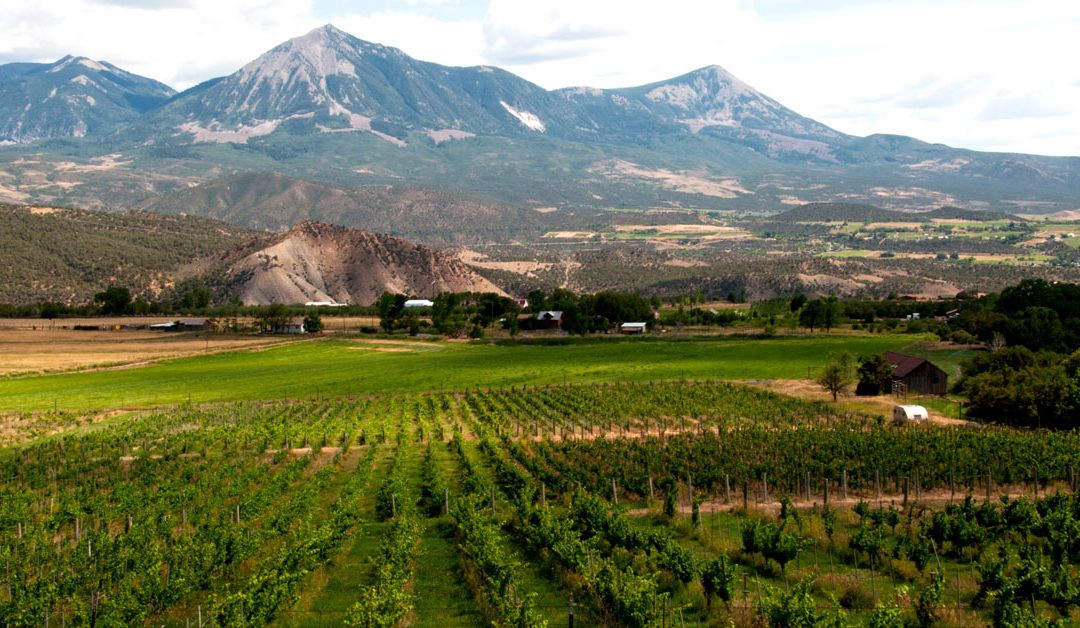
High Elevation Wine Farming Works without chemicals (while most other regions depend on them) If it's not cold, and it's not dry, you're going to have pest, disease or fungus problems. Most U.S. wine regions don't offer both which is why farming organically is nearly impossible. On the extreme difficulty end of the spectrum, Virginia (2% of US wine production) is too hot and too humid. Summer rain fuels black rot, downy mildew, powdery mildew, and botrytis. Only three vineyards in the entire state are certified organic. The Finger Lakes (0.5%) are cold, but still humid. Same diseases. California (81%) is dry, but pest pressure is extreme. They fight Pierce's disease, phylloxera, and leafroll virus with a mix of chemicals and integrated pest strategies. Fighting all of these issues is while remaining organic can be like fighting against inflation by holding treasury bonds. Its just not affective enough and is the main reason why only 0.4% of the wine grapes grown in the USA are produced organically. The best way to avoid these issues is to find a place that is just cold enough to kills pest and just dry enough to stave off infection while also not being too cold and too dry to be able to actually farm. Only small pockets of these zipper zones exist around the USA and they do come with their own challenges, but Colorado's West Elks AVA is one of them. Here we farm at knifes edge between the Rocky Mountains and the Utah Desert. At 6,000+ feet, the winters kill off most threats and the arid summers prevent mildew. The tradeoff? Most vines can't survive here and even the ones that do get frozen back to the ground (destroying an entire vintage) every few years. Despite being known as a finicky grape, Pinot Noir thrives here. Chardonnay, Gewurztraminer and Riesling do too. Our Wine Region is small, but this climate allows us to punch above our weight. image
Peony Lane Wine's avatar
PeonyLaneWine 2 weeks ago
Turns out by accepting Bitcoin, my prices will go down Forever. I'm Rekt. Why didn't anyone tell me? Peonylanewine.com image
Peony Lane Wine's avatar
PeonyLaneWine 3 weeks ago
Your grandparents wouldn't touch the wine you see in stores today. They'd taste the chemical additives. Drink Peony Lane. Make them proud. image
Peony Lane Wine's avatar
PeonyLaneWine 3 weeks ago
Oak aging brings more dramatic shifts, but most of a wine’s quiet evolution happens once it’s already in the bottle. Wine is almost always evolving. Corks aren’t sealed air-tight. Tiny amounts of oxygen slip through over the years, softening tannins and deepening aromas. This slow, steady exchange lets tannins bind together, softens edges, and builds the depth that only time can create. When it happens too fast, freshness fades and the wine flattens before it’s ready. Different closures change the pace. A traditional cork lets in a little air. A synthetic cork often lets in more than you’d want. A screw cap allows almost none. If you’re holding wine for the long run, store it cool, dark place on its side. If you don’t have a way to do that, just find a good reason to pop that cork. Wine only gets better with age when it’s being treated right. image
Peony Lane Wine's avatar
PeonyLaneWine 3 weeks ago
The Art of Storage: Wine, Bitcoin, and Trusting Time The best things improve with time, but only if you store them right. The Real Deal: Cold Storage & Natural Wine When the asset is real, you store it with care. Natural wine goes in the cellar. Bitcoin lives in cold storage. Both require: - Shelter from daily volatility - Time to realize their potential - Patience to let nature take over You think in longer timeframes here. Bitcoin moves in four-year cycles. Good wine spends years in its prime. No rush. No panic moves. The Proxies: Hot Wallets & Conventional Wine Then there's the fast lane: Treasury strategies. Mass-market wine. Built for access, not aging. - Preserved wine can sit on shelves - Bitcoin in a fund needs constant oversight - Both reward activity, not stillness These models rely on management, not maturation. They can perform well, but they don't reward patience. The Principle The closer you get to the real thing, the more cold storage and patience become valuable. If you're betting on innovation, you need to act fast and stay nimble. If you're holding scarcity, time does the heavy lifting. Conventional wine can taste great. Bitcoin proxies can perform. But there's something different about holding the real thing and watching it blossom on its own timeline. What are you storing for the long term? image
Peony Lane Wine's avatar
PeonyLaneWine 3 weeks ago
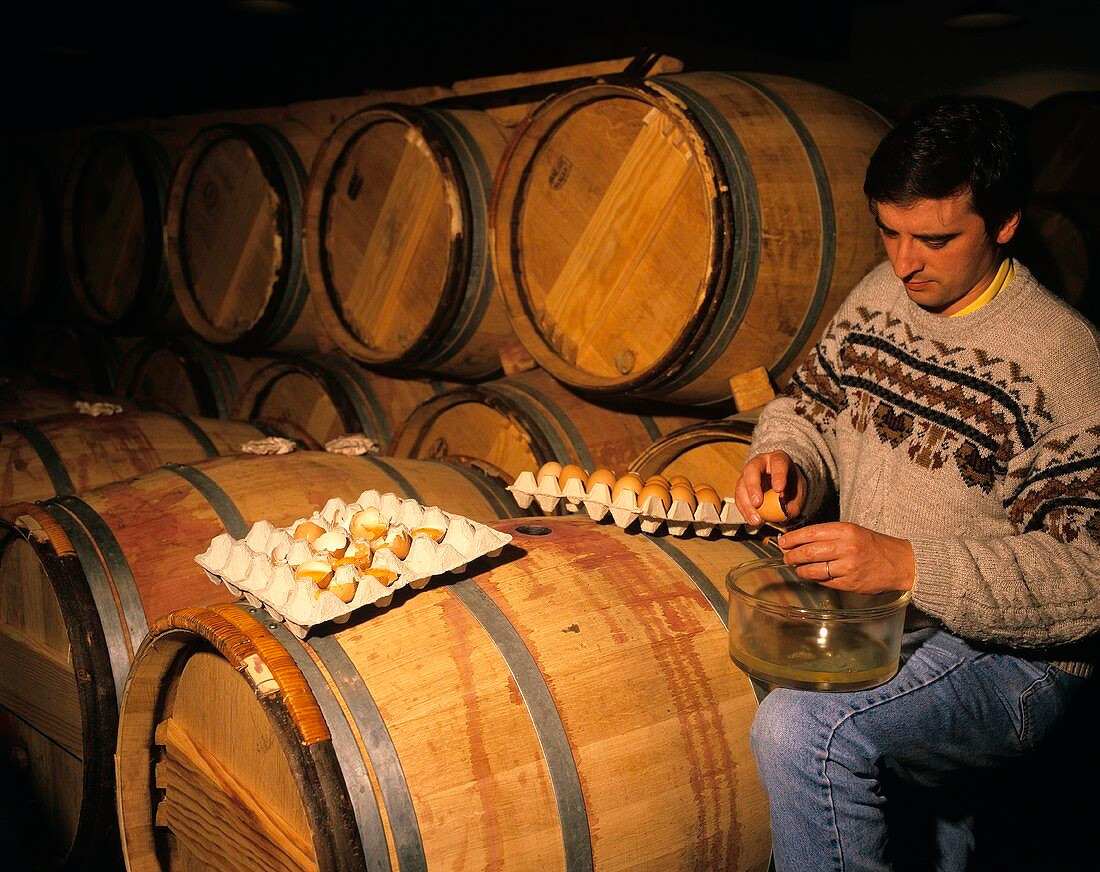
Eggs can Make Wine Great Again Seriously. Egg whites are used in red wine as a natural clarifying agent to soften tannins, reduce astringency, and improve mouthfeel. You pour the egg whites in, stir, and wait.🧵 A protein called albumin binds to sediment, settles out, and leaves a clearer, smoother, egg-free wine. How do you know if a wine was clarified this way? You won’t, unless you meet the winemaker and ask. Ingredient labels are not required, and it would probably kill sales if a winemaker went around telling everyone he uses eggs. On the flip side, you also can’t tell if a wine didn’t use this process. A wine labeled vegan won’t have been clarified with eggs, but many self-respecting winemakers, like me, can’t bring themselves to label their wines ‘VEGAN’ even if they are. Because of the implication. image
Peony Lane Wine's avatar
PeonyLaneWine 3 weeks ago
I don't have any data to prove my wine is the best. In fact, I think numbers ruined wine. As soon as we started caring about how many points a bottle scored more than the experience we had while drinking it, the soul of wine died. Wine is an art form meant to be enjoyed. It's best with friends or in accompaniment with another art form like cooking. Reduce it to numbers and you miss the point entirely. image
Peony Lane Wine's avatar
PeonyLaneWine 3 weeks ago
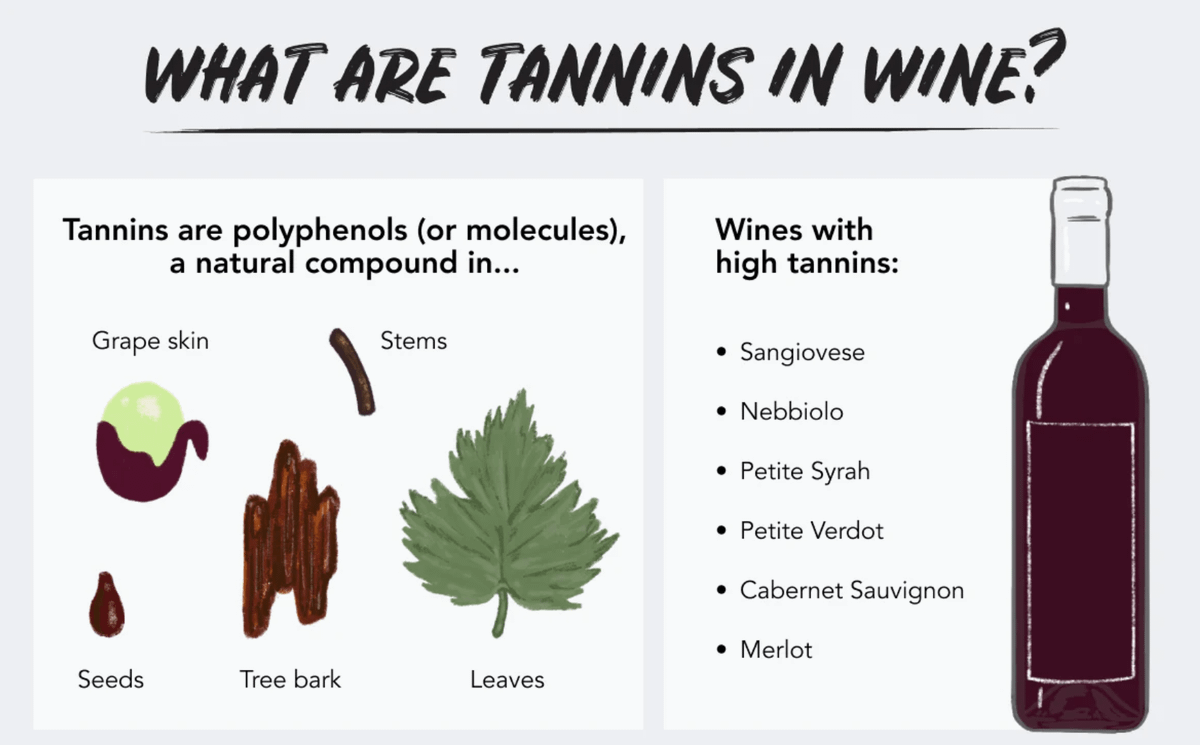
"Wine Tannins give me Massive Headaches"🍷 As a low-intervention winemaker, that one caught me off guard. I’ve heard people blame sugar, sulfites, even histamines. But tannins? Let’s talk about what they are—and what they’re not. 🧵 Tannins are natural compounds found in grape skins, seeds, stems, and oak barrels. They aren’t about flavor—they’re about texture. They’re much more present in red and orange wines than in whites or rosés, since those wines stay in contact with skins, seeds, stems, and oak barrels much longer. I often hear people say a wine is dry, referring to that mouth-drying sensation you get from certain wines. However, when a wine is dry, that means it isn’t sweet. People who describe highly tannic wines this way aren't totally wrong because tannins bind to your saliva and do leave your mouth feeling dried out. While a lot of the tannins in red wine do come from the grapes of oak barrel, then can also be added during winemaking—usually in powder form. Most of these powders are derived from natural sources like oak or grape skins, and can support structure, aroma, and color without changing the identity of the wine. I use oak-derived tannins in some of my wines, especially since I age in neutral barrels. This helps me use less sulfur in my winemaking. Tannins act more like a protective coating that helps show off the wine’s natural brilliance—not a tool for manipulation. Most wine additives are used as part of a manipulation regime—designed to hit a target flavor profile, often at the expense of transparency. And with over 70 approved additives that don’t have to be listed on a wine label, the real culprit behind your wine headache could be anything. Tannins are different. There is some nuance. Hydrolyzable tannins like gallotannins (from oak galls or chestnut wood)—have been linked to mild inflammation or histamine release in sensitive individuals. But they’re typically used in small amounts and are far less likely to be the issue than residual sugar, poor fermentation, or a cocktail of other additives. Tannins aren’t usually the problem. The winemaking style might be. Wine is complicated and often swept into a shroud of mystery to keep consumers in the dark. But knowing a little can change a lot. I’ll be sharing more about how to navigate additives, labels, and wine in general. image