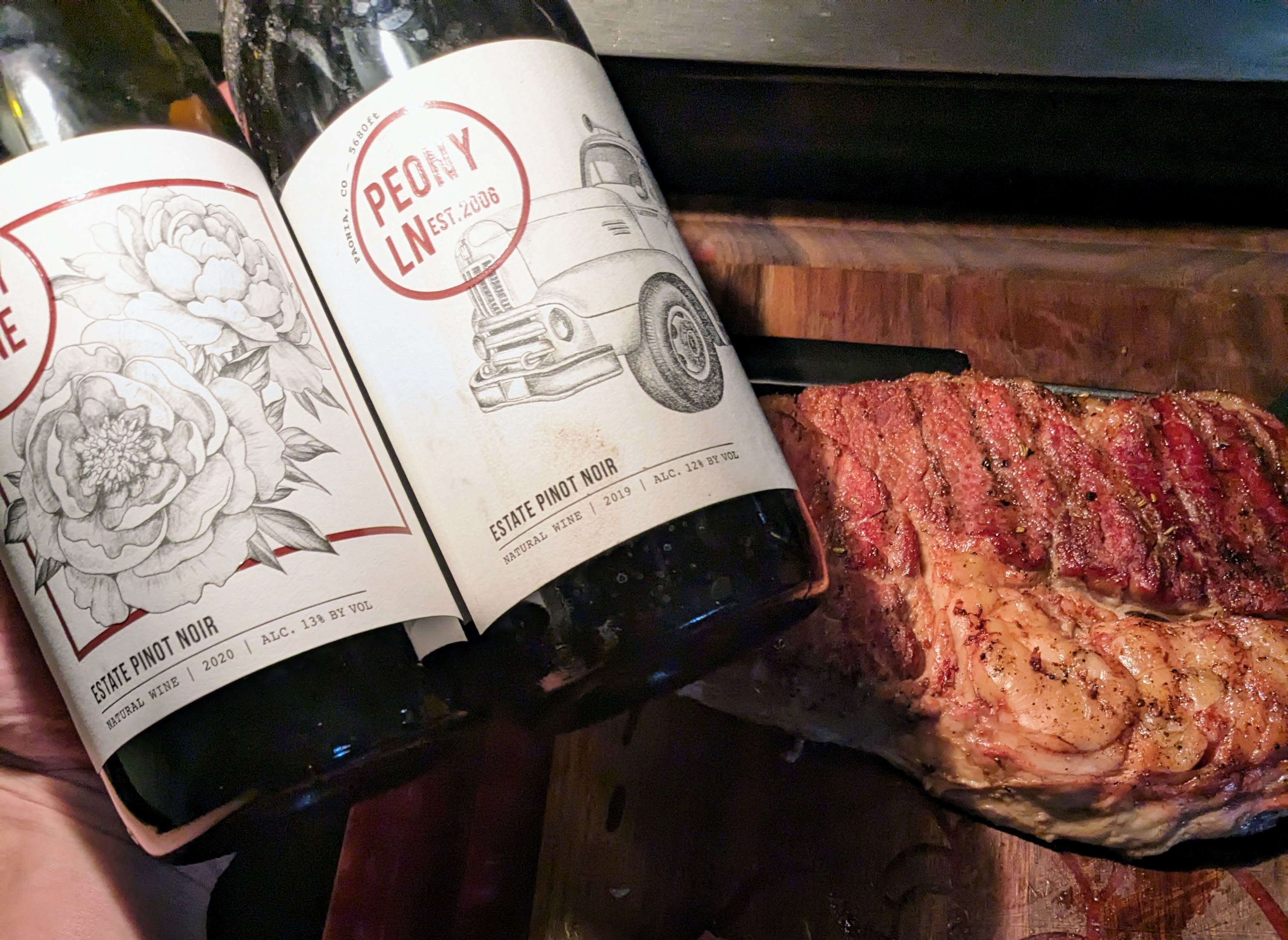
Did you know wine is good?
Peony Lane Wine
npub17anj...2c0c
High Elevation, Low Intervention Wine
Shipping all over the USA #Bitcoin
Made by Ben Justman
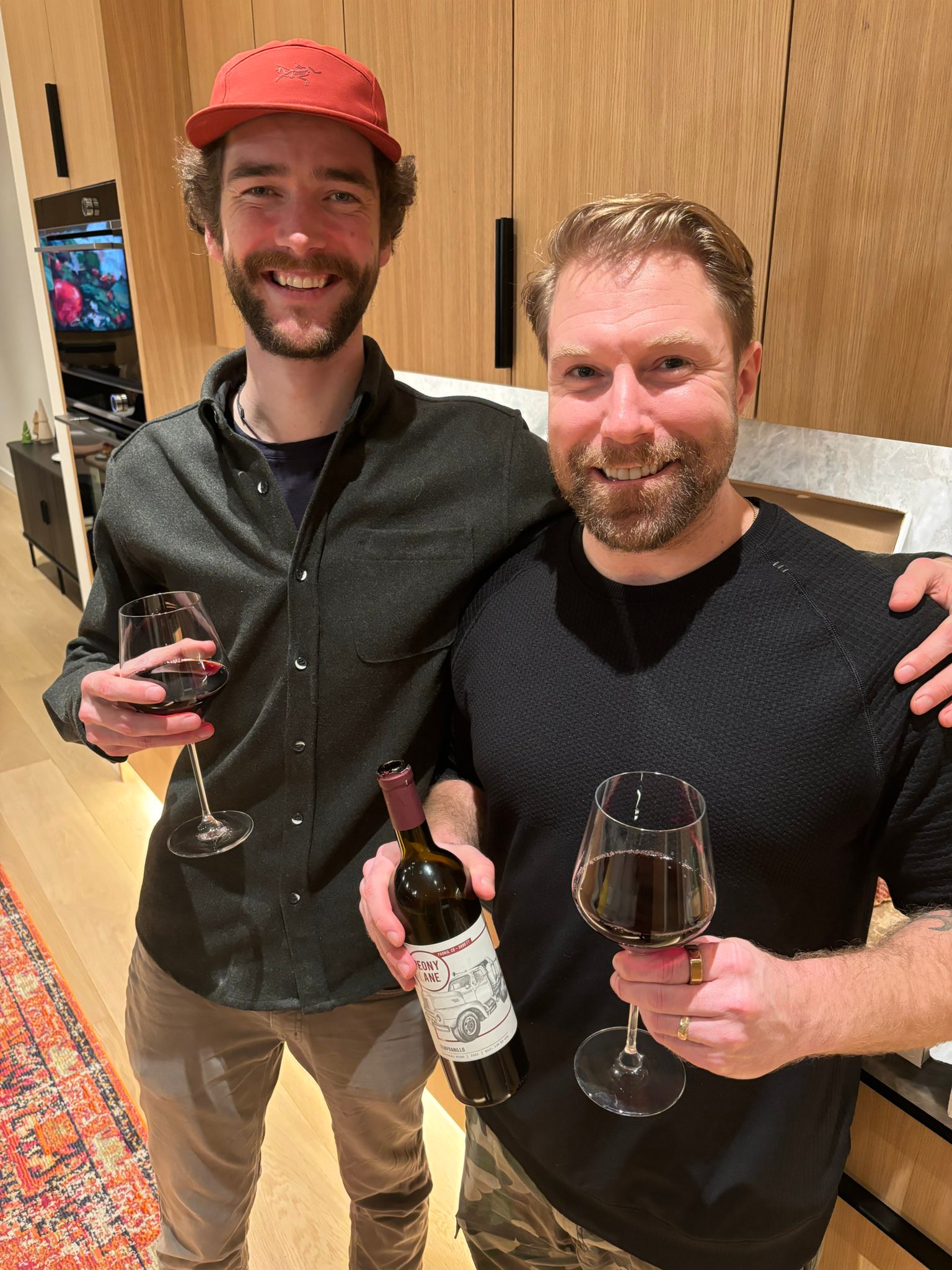
This is who I make wine for 🫡
Running Peony Lane has shown me how wineries scale and why many do not want to.
With red wine, every production increase takes more than two years to pay off. Early on, you just make wine and figure out sales later because scaling production has no shortcuts. Overproduction is a calculated risk in the beginning and a massive undertaking once you are established.
Sales come in two main forms:
Direct to consumer through a tasting room and online.
Wholesale to liquor stores and restaurants, usually with a distributor who takes a cut.
DTC is the highest margin, but hard to scale volume.
Wholesale is incredibly low margin, so you need huge volume for it to work.
This creates a structural gap in winery sizes.
Small wineries live and die on DTC. If they get a little bigger than their DTC can support, they push the excess into wholesale accounts. Wholesale moves wine, but the real value is exposure. It becomes a marketing play and a liquidity provider more than a profit center.
Large wineries flip the relationship. Tasting room sales become a rounding error for net profit, so the tasting room becomes their marketing play. They use the physical experience to win loyalty, because on a wine list it is easy to look like just another bottle.
There is a massive chasm between these two sizes.
The rough rule of thumb is that being small works up to about 10,000 cases per year. Beyond that, you enter no man's land until you reach the economies of scale that start to matter around 40,000 cases. Without a nationally recognized wine region behind you, crossing that middle zone is nearly impossible.
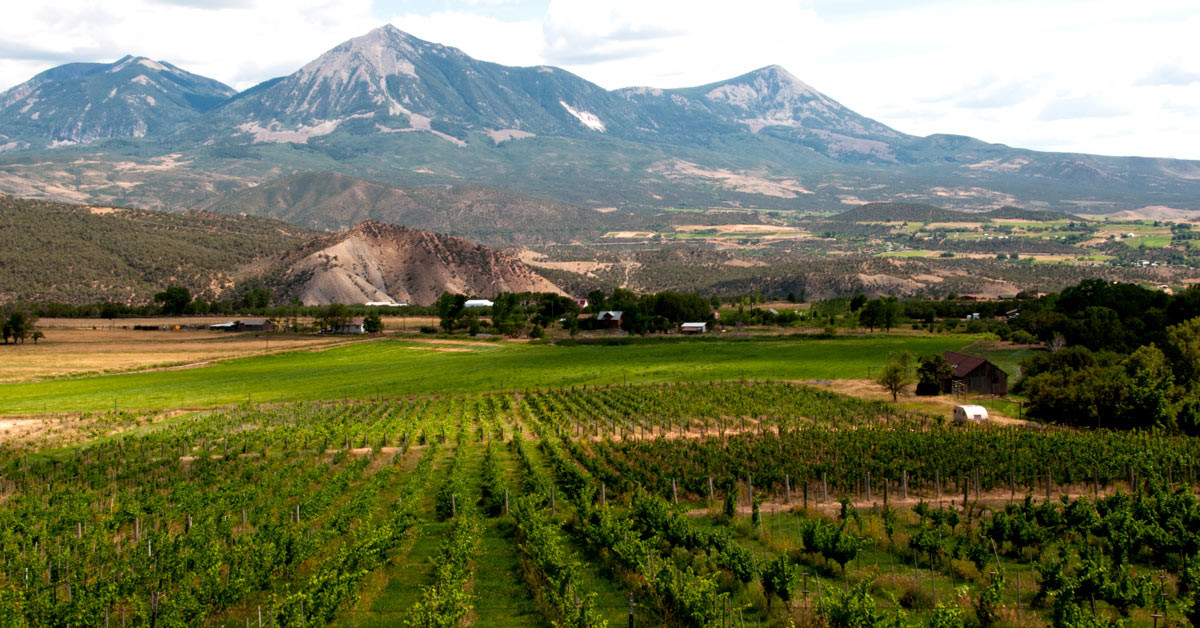
Colorado's biggest limitation is scale.
We make good wine, but not enough to force national attention.
It is the classic chicken and egg problem.
The region needs scale to get recognition, and recognition to get scale.


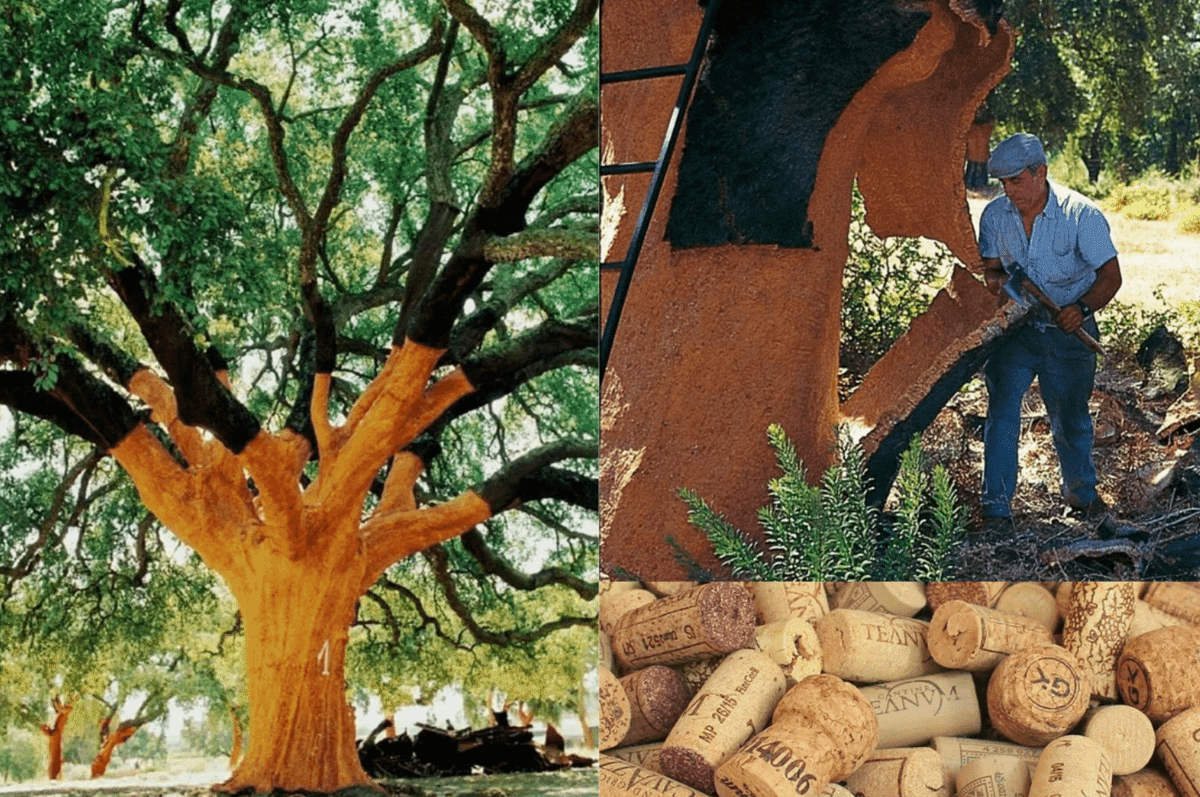
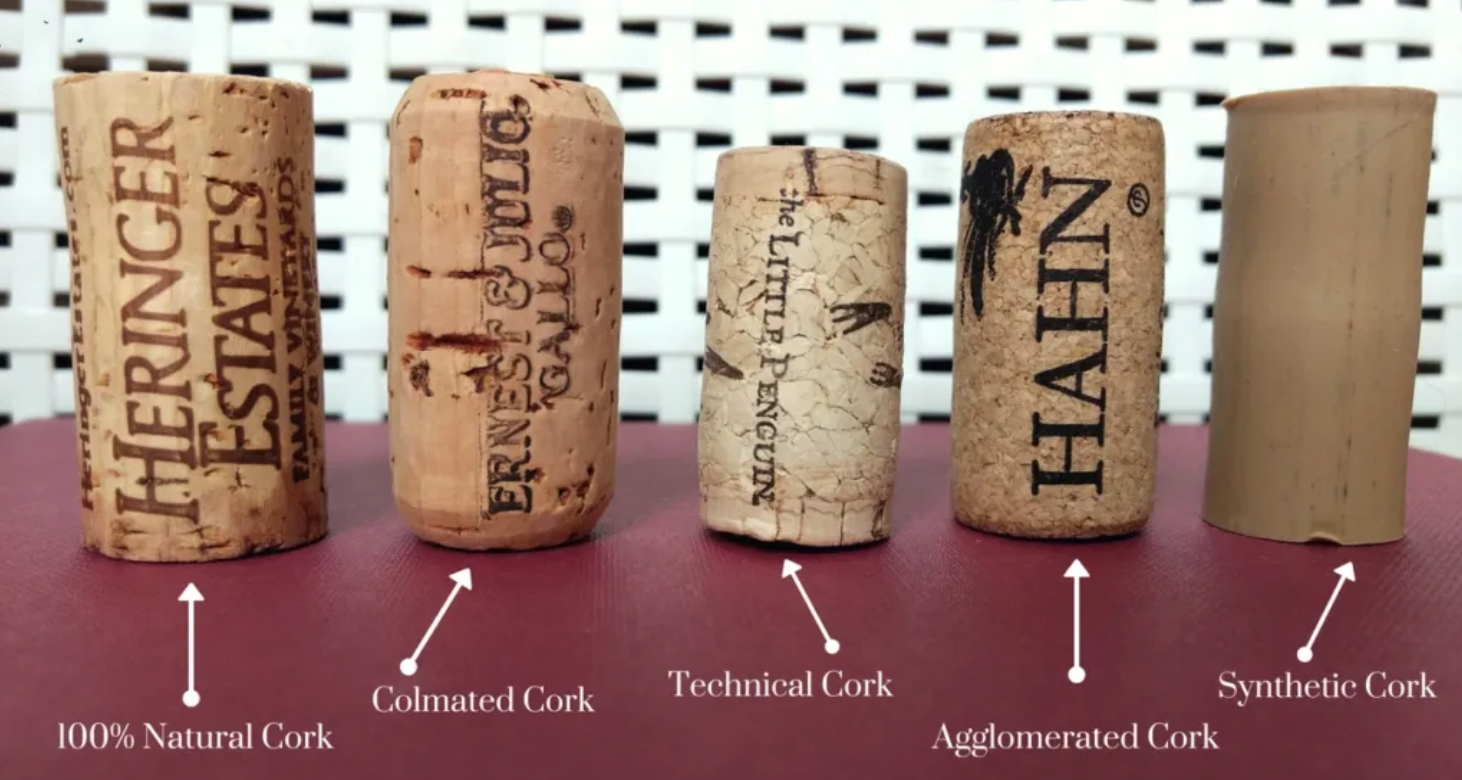
Corks are 100% Natural.
They come from cork trees and unless you want polyurethane glue in contact with your wine, you need to choose wine that uses them.
So many wineries cut costs here.


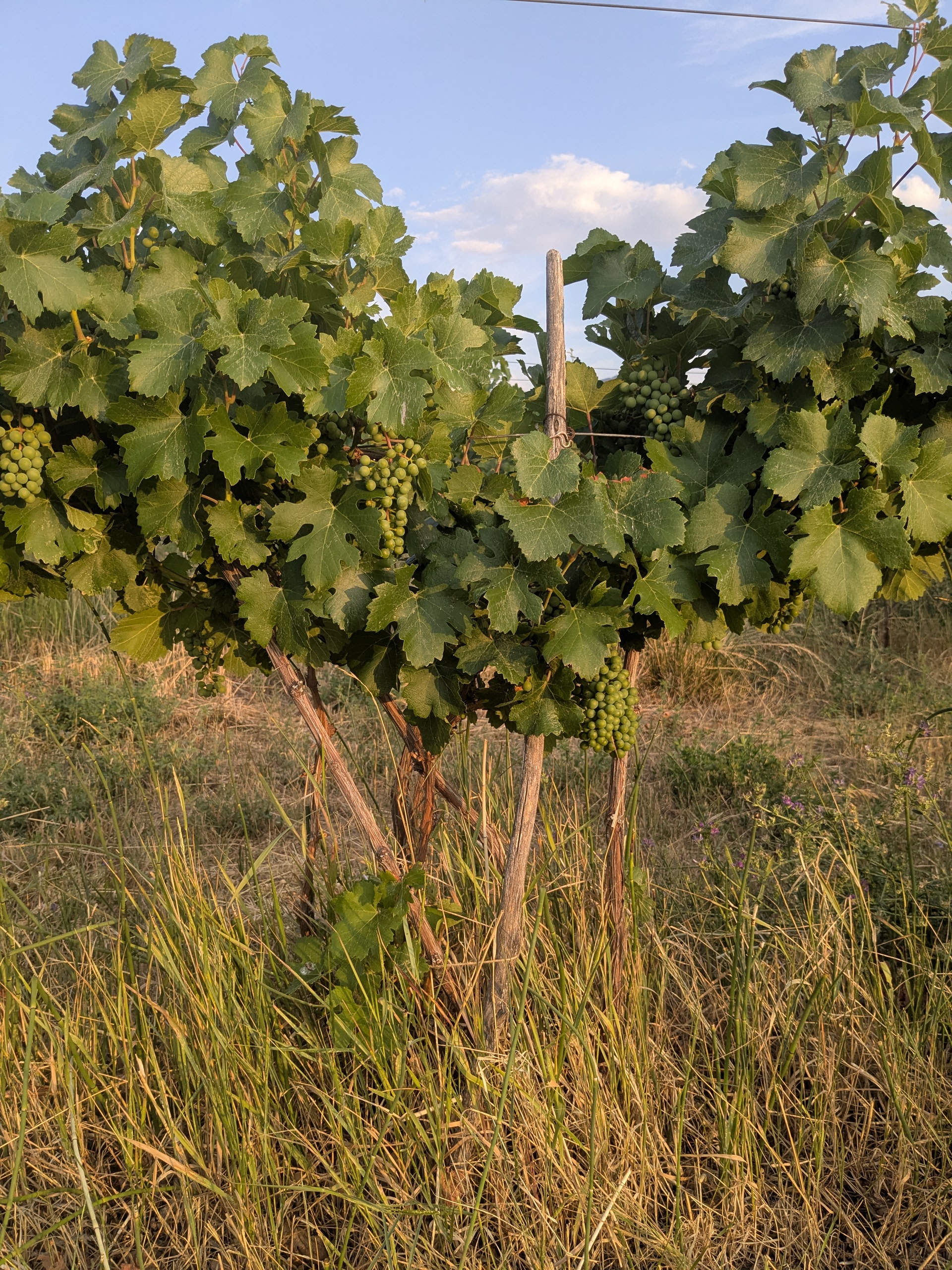
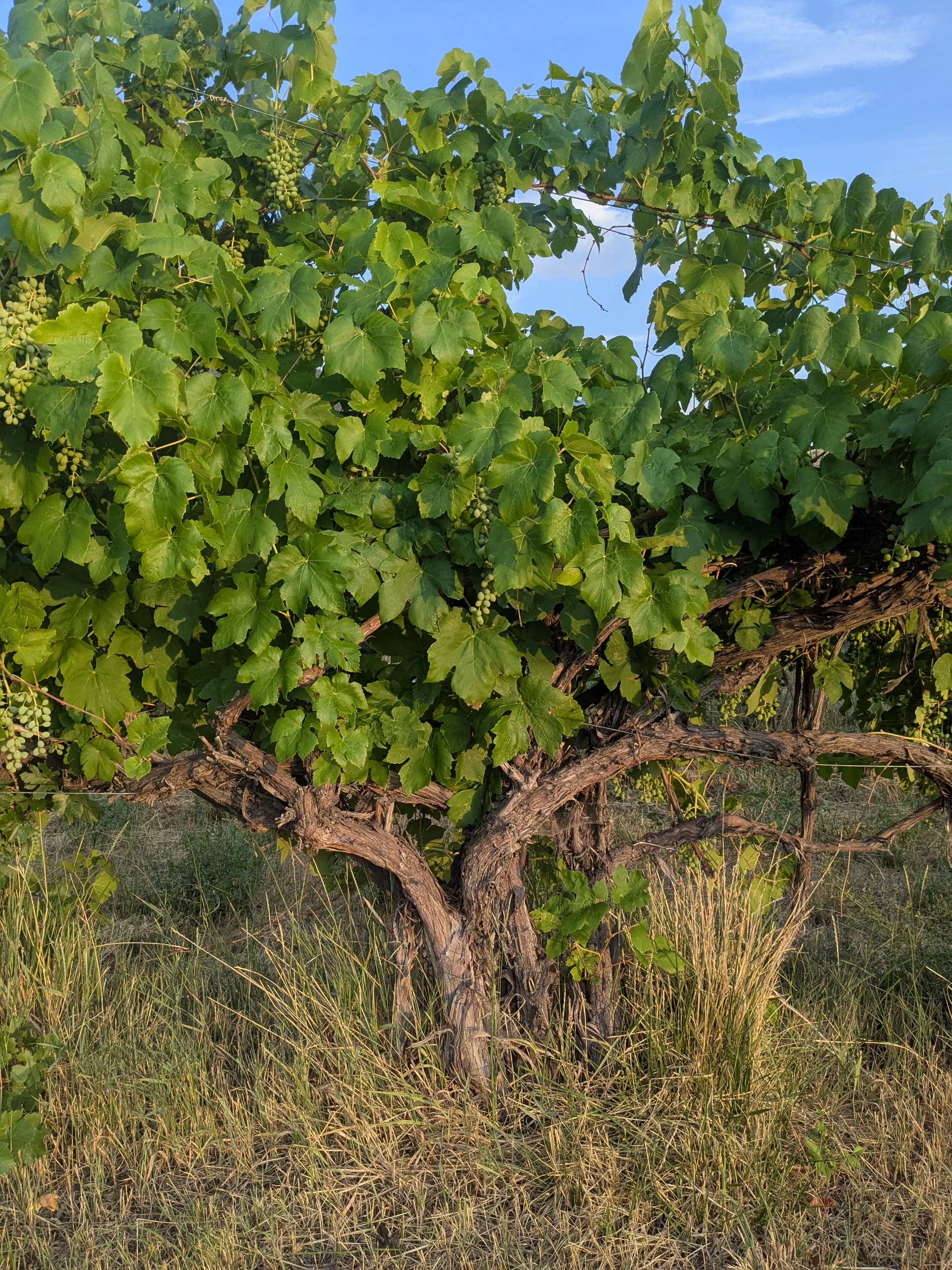
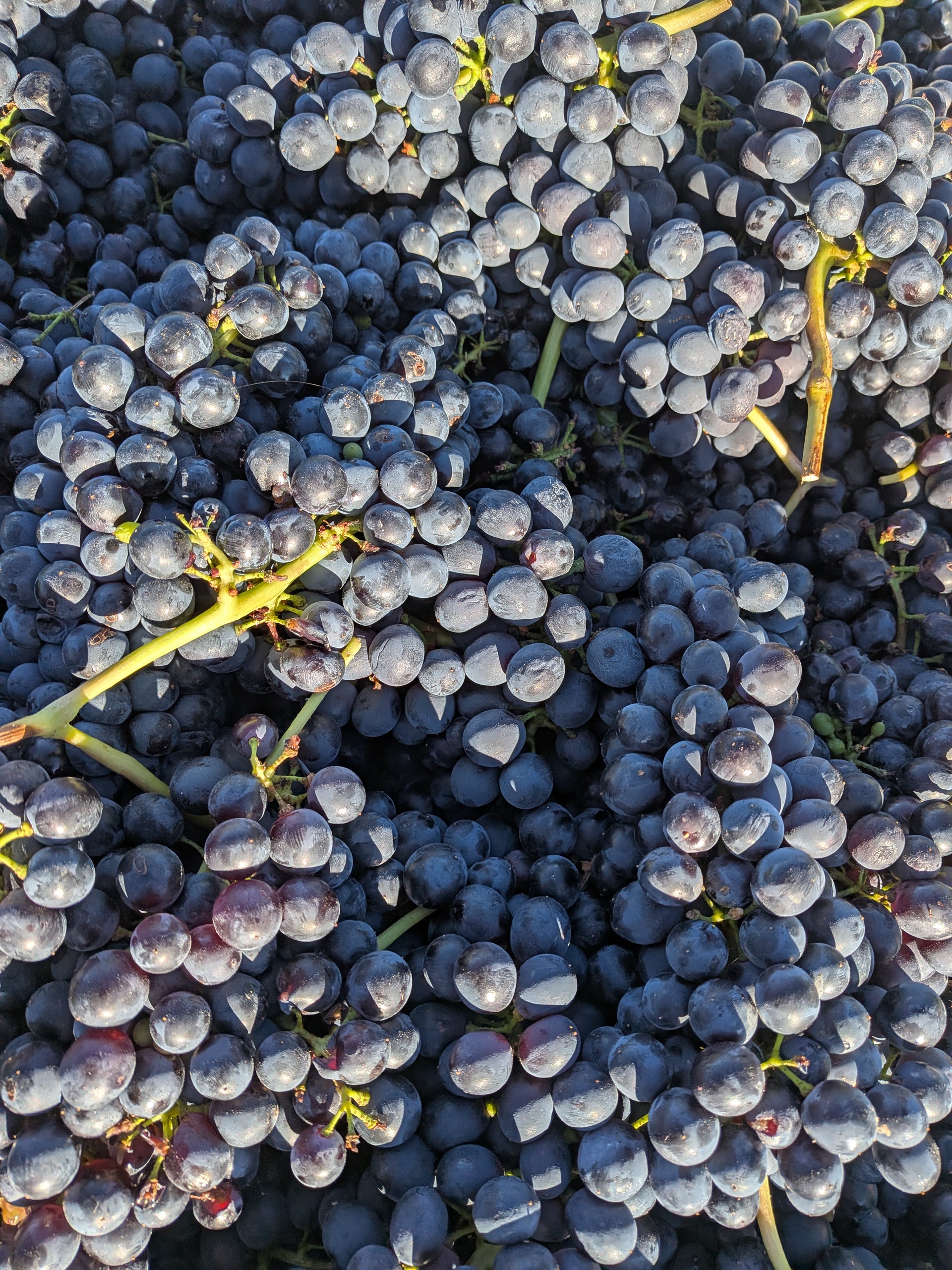
The difference between Pinot Noir vines and Thompson's seedless. Both planted in CO in 2004.
Farming Pinot Noir at elevation isn't easy 🍇


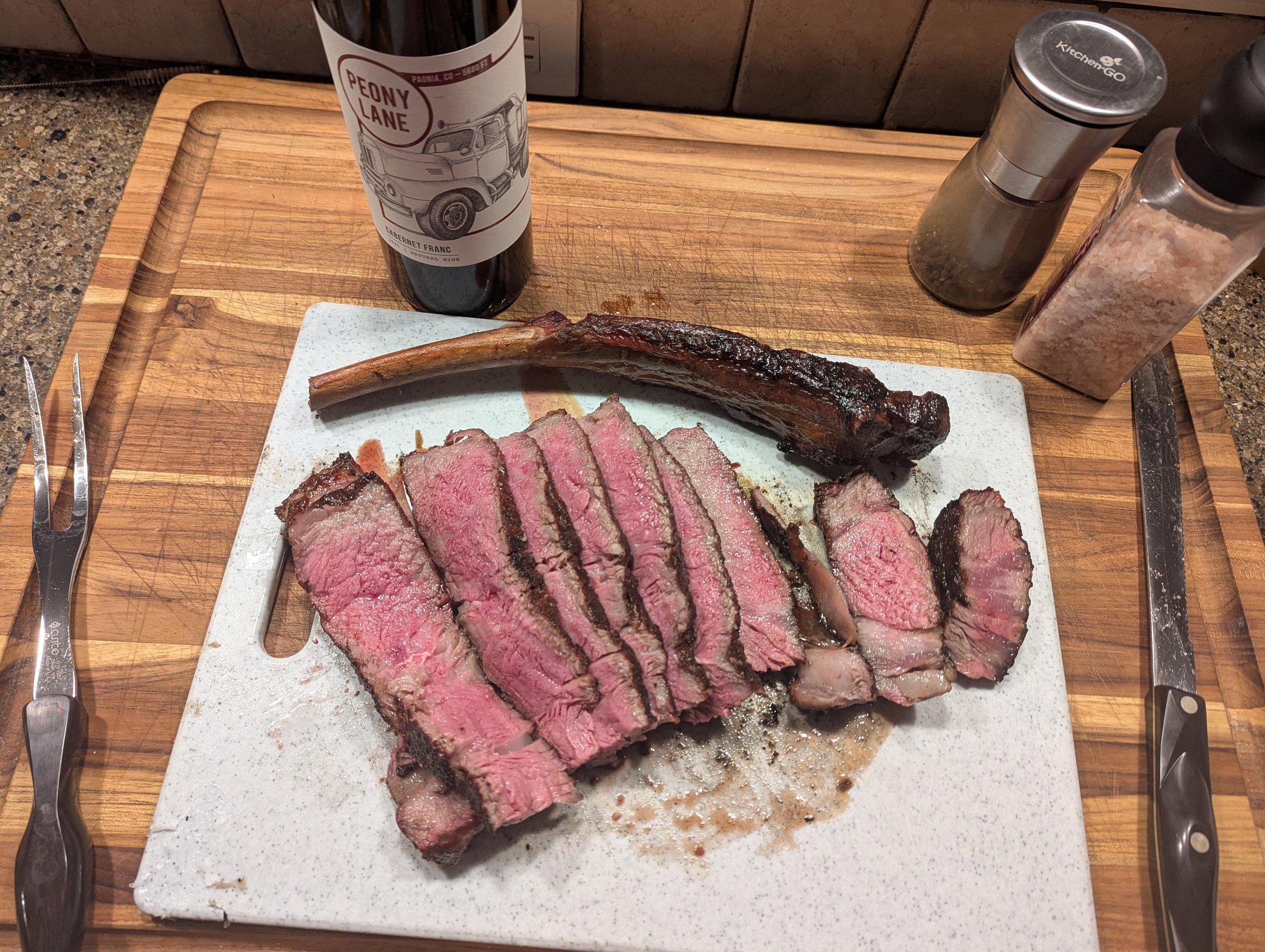
EAT MEAT DRINK WINE🇺🇸🍷


If you don't buy wine, you're a bear.
We're really gonna make this whole mission happen. Freedom money 💪
I got sucked into Bitcoin, but never would have gone this hard if a bunch of psychopaths didn't start buying my wine with Bitcoin.
We're gonna win because of you.


Stop aging cheap wine.
That wine was made with enough preservatives to make last forever, not age gracefully.
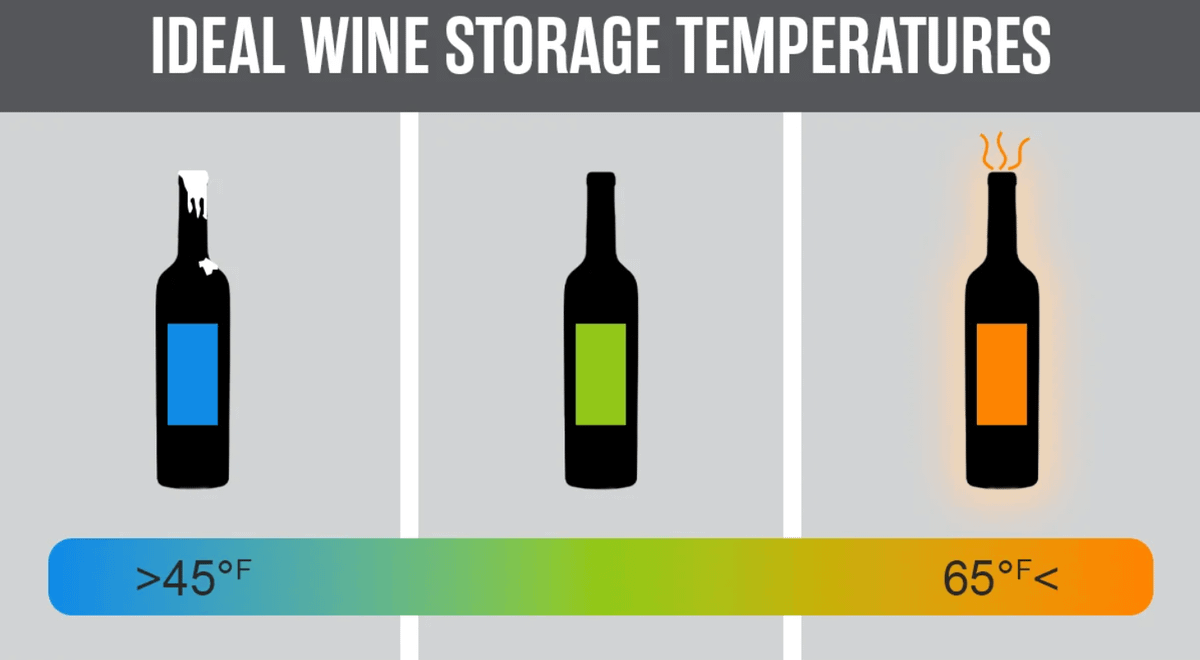
Your kitchen wine rack isn't helping either.
Get serious about aging or drink the damn bottle.


You're being lied to about wine, Anon.
To most people, vintage variation is entirely theoretical. They haven't actually experienced it and even if they have, it's a bit shrouded in mystery.
Have you ever taken the time to open up 2 bottles from the same vineyard of different vintages at the same time and given them the attention it takes to recognize the differences?
Vintage variation is ephemeral and hard to experience.
That's exactly why it's become lost in most American wine.
The average wine consumer is buying a $20-$30 bottle. They're picking by variety, then likely by finding a cool label. Once they find one they like, they stick with it because the wine aisle is an extremely daunting place to be.
That wine brand now has their loose loyalty because you liked their product that one time and know where to find it on the shelf. If the winery makes a vintage that tastes different (not necessarily "worse") they could lose you as a customer.
Not to mention, the ratings agencies that score wine have very specific flavor profiles they look for and, at the scale of these wineries, the difference between a 90 and a 91 score is millions and millions of dollars.
The fiat wine world incentivizes manipulation, and sameness and blending between vineyards to the extent that vintage variation is an extreme afterthought and no one even knows they're missing it.
But Ben, if no one even knows they're missing it, why should I care?
Vintage variation is a look into the soul of wine. You can tell characteristics about the vineyard from any vintage, but the difference in taste year to year is that ephemeral bit that makes people go crazy about wine in the same way that people go crazy about bitcoin when they first start going down the rabbit hole.
It's the secret sauce.
It's what truly differentiates soulful wine from the grape derived alcoholic beverages that are created by food scientists in labs that pass for wine these days.
Most bottles are just empty vessels. The soul was never invited in.


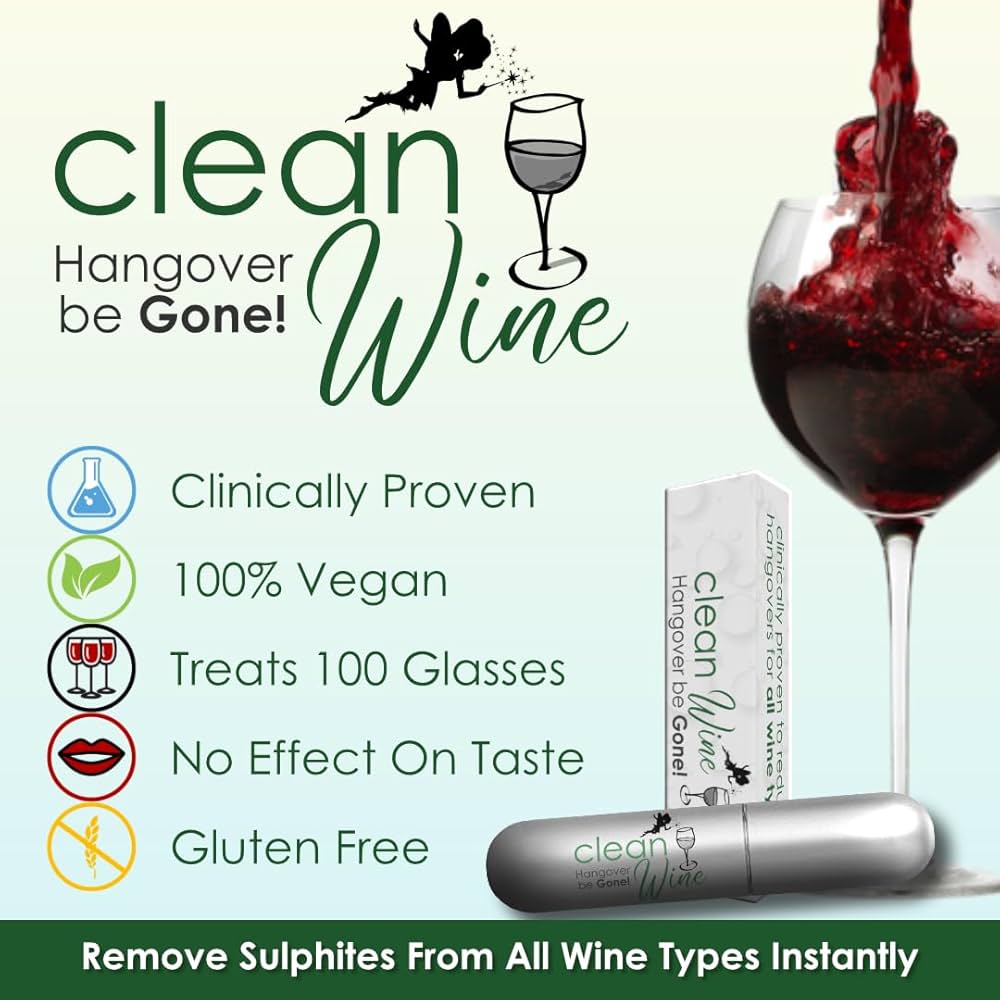
Wine sulfite removal drops are everywhere, They promise to eliminate headaches and hangovers with a few drops.
But do they actually work?
These products contain food-grade hydrogen peroxide that chemically converts sulfites into sulfates through oxidation. UC Davis research shows a quarter teaspoon of 3% hydrogen peroxide can neutralize free sulfites in a typical wine bottle.
So yes, they do legitimately reduce sulfites by 30-50% through legitimate.
Only about 1% of people have genuine sulfite sensitivity, mostly those with asthma. For everyone else, hangovers come from alcohol dehydration, acetaldehyde buildup, histamines, tannins, or one of the 72 other additives allowed in American wine.
Outside of the Placebo Effect, the "hangover be gone" claim is misleading marketing for 99% of wine drinkers.
I don't think you need to be paying premium prices for stabilized hydrogen peroxide to solve a problem you probably don't have.
Better hangover prevention: drink water, eat food, moderate alcohol intake and drink Low Intervention Wine.


Bitcoin attracts people from every walk of life
The only real barrier to entry is curiosity.
Curious people tend to be successful, so when you gather a bunch of curious people together, you get humbled fast.
I can’t tell you how many times I’ve met a random Bitcoiner only to realize they were way ahead of me.
Smarter. More Successful in business.
Or just figured this all out 10 years before I did.
I have been in countless conversations thinking, "Who the fuck am I? I’ve done nothing compared to this person, but for some reason they want to talk to me?"
There's always a bitcoiner thats better than you at everything.
For Example:
Skiing has always been my thing.
I am really fucking good and I rarely get to ski with people who push my limits. Being the best in my crew has been a source of ego for me for a long time.
A few years ago, I went to the Bitcoin Ski Summit and as we broke into groups and the first one was labeled, “If you’re the best skier on the mountain, join this one.”
I jumped right in.
It was a powder day at Jackson Hole. I wasn't about to be polite waiting on some Jerry to go find their lost ski.
The last person to join the group was some dude without a helmet.
Jerry-ville for sure.
Turns out the dude was an Olympic skier and I couldn't keep up even going 100%. Best Day Ever and I was honored when he defied the authorities to smuggle a bottle of my wine home to Canada.
They say firewood warms you twice.
Well, Bitcoin humbles you twice.
First, by showing you the world does not work the way you thought.
Then, by surrounding you with casually incredible people.


I need a license to buy grapes.
I need a license to drive to pick up grapes.
I need a license to make wine.
I need a license to pay taxes on the wine I sell.
OI! You got a Loicense for your life?


A small group of people can reshape an entire system.
Nassim Taleb coined the term Intransigent Minority to describe the
phenomenon.
When the cost of acquiring that group is low, the rest of the population is indifferent, and that group is stubborn enough to stand on what they believe, the system bends.
His go-to example is kosher food.
Fewer than 0.5% of Americans follow kosher rules, yet a huge portion of the grocery store is certified. Observant Jews won’t touch non-kosher food, but most people don’t think twice about it. So if you run a factory, it’s easier to make everything kosher than split your product line. One group has strict requirements. The other is flexible. That’s enough to tip the entire system.
I’m seeing something similar with bitcoin businesses. The pressure here isn’t negative or rooted in avoidance. It’s completely positive.
What I do see is a sharp rise in demand for products and services from companies that accept bitcoin alongside the dollar. Whether bitcoiners use it as a medium of exchange or not, it’s clear that having that option is good for business.
This pattern has been clear to me ever since bitcoiners started buying my wine, but my scale is small. Since then, I’ve watched everything from cottage producers to large ranching operations benefit from the same magnetic pull. Steak n’ Shake, with over 450 locations, is just the next evolution.
If a bitcoiner is getting a burger, Steak n’ Shake just jumped to the top of their list. They’ve already gained the attention of a group that punches above its weight. Time will tell how much we impact their business.
Bitcoiners’ impact doesn’t come from protest. It shows up as positive reinforcement. The Magnetic Minority rewards alignment and that reward is scaling.
Taleb gave us the template.
We’re writing our own story.


I do not foot stomp my grapes


Which of these capsules do you like best?
I've got the full designs and different mockups listed below. Would love to hear your thoughts.👇
Option A:
Peony Collage + Local Mountains
I'm torn between wanting to go with a peony pattern and showing off the mountains that dominate my high elevation growing...so why not combine the two??
Option B:
This bar is a much more simple way to bring groundedness to the potentially chaotic flower collage and matches the bar at the bottom of my labels
Option C:
FULL ON FLOWER COLLAGE
Simple and elegant
Option D:
The mountains are what I think of when I think of home and showing them off means a lot to me. The Peony Icon works well almost as a setting/rising sun over them.

Have you ever bought a magnum?🍷
Outside of the next vintage of Satoshi's Reserve, I'm thinking thats the direction I need to go for limited runs.
Organic wine is a scam.
The label might say it’s clean.
That doesn’t mean it is.
Glyphosate still shows up in bottles labeled organic.🍷👇
Glyphosate is the main ingredient in Roundup.
It’s used in vineyards to kill weeds around the base of vines. Easy to spray. Cheap to apply. Hard to keep out once it's there.
Glyphosate exposure is linked to:
- Increased cancer risk, especially non-Hodgkin lymphoma
- Endocrine disruption
- Gut microbiome damage
Glyphosate use is off the charts in U.S. agriculture, but when it comes to wine, California is the hotspot.
It’s heavily used in conventional vineyards up and down the state. That makes California wines especially vulnerable to glyphosate residues, even when the winery itself follows organic practices.
Organic farming bans glyphosate use.
But it doesn’t stop drift from neighboring vineyards, runoff from shared water, or carryover from shared equipment.
Even if a vineyard plays by the rules, those rules have a lot of holes.
The Organic label offers comfort, but not certainty
What the Tests Say
Independent testing has found glyphosate in both conventional and organic wines.
Levels in organic bottles are often lower, but not zero.
And while these levels are well below the EPA’s legal limit of 30 parts per million, microdoses add up as newer research suggests even trace amounts can do harm.
Buying organic helps. But it isn’t enough.
Here’s what actually matters:
Shake your Producer's Hand.
Ask how they grow. Ask if they spray. Small, transparent winemakers will tell you the truth.
or choose wines from places where glyphosate is banned or restricted.
France, Austria, and Germany are leading the way. Certain parts of Italy too.
The wine industry reminds me a lot of the crypto world.
Some winemakers take the slow, grounded, Bitcoin-like approach, while others hide behind buzzwords, status, and crypto-smoke.
From the outside, it’s hard to tell the difference.
Follow along. Let’s peek behind the veil together.
Your reNosts mean the world to me.
Glyphosate is the main ingredient in Roundup.
It’s used in vineyards to kill weeds around the base of vines. Easy to spray. Cheap to apply. Hard to keep out once it's there.
Glyphosate exposure is linked to:
- Increased cancer risk, especially non-Hodgkin lymphoma
- Endocrine disruption
- Gut microbiome damage
Glyphosate use is off the charts in U.S. agriculture, but when it comes to wine, California is the hotspot.
It’s heavily used in conventional vineyards up and down the state. That makes California wines especially vulnerable to glyphosate residues, even when the winery itself follows organic practices.
Organic farming bans glyphosate use.
But it doesn’t stop drift from neighboring vineyards, runoff from shared water, or carryover from shared equipment.
Even if a vineyard plays by the rules, those rules have a lot of holes.
The Organic label offers comfort, but not certainty
What the Tests Say
Independent testing has found glyphosate in both conventional and organic wines.
Levels in organic bottles are often lower, but not zero.
And while these levels are well below the EPA’s legal limit of 30 parts per million, microdoses add up as newer research suggests even trace amounts can do harm.
Buying organic helps. But it isn’t enough.
Here’s what actually matters:
Shake your Producer's Hand.
Ask how they grow. Ask if they spray. Small, transparent winemakers will tell you the truth.
or choose wines from places where glyphosate is banned or restricted.
France, Austria, and Germany are leading the way. Certain parts of Italy too.
The wine industry reminds me a lot of the crypto world.
Some winemakers take the slow, grounded, Bitcoin-like approach, while others hide behind buzzwords, status, and crypto-smoke.
From the outside, it’s hard to tell the difference.
Follow along. Let’s peek behind the veil together.
Your reNosts mean the world to me.If you’ve seen Sour Grapes, you know the story:
A guy sold millions of dollars of fake "fine wine".
The reason his scam worked reveals something deeply engrained in the wine industry.
Most wine drinkers are being fooled. Just in a different way.
Rudy Kurniawan blended cheap wines and passed them off as rare Burgundy.
He wasn’t exposed because something tasted off.
He got caught because some of his labels didn’t match historical records.
That’s how easy it is to manipulate wine.
People trusted the story, not the contents.
Wine is ephemeral.
Every bottle changes every year and every hour after opening.
There is no fixed flavor to test against.
You could open five identical bottles and each one would taste a little different depending on how it was aged.
That’s part of the beauty. But it also makes it easy to hide behind.
The wine Rudy made wasn’t necessarily fake. It was engineered.
He used blending, additives, and packaging to mimic the character of rare bottles.
That same playbook is used across the wine industry.
Only now, it’s considered standard practice.
Most grocery store wine relies on:
- Low-grade grapes
- Oak flavoring
- Sugar
- Concentrates
- Lab-designed enzymes
It’s a formula made in a lab, sold with a story that is designed to make it feel like art.
The same confusion Rudy exploited is what allows commodity wine to dominate.
A wall of bottles, branded with warmth and tradition, hiding a product built through food science.
The wine world keeps you in the dark. On purpose.
How do you avoid this?
You don’t need a cellar or a huge budget to drink something real.
You just need to get closer to the source.
Shake your winemaker’s hand. Ask questions.
No one worth buying from will make you feel small for wanting to understand.
If they do, they’re part of the act.
The wine industry sold its soul.
And most people are still drinking the lie.
I make Unfiltered Wine in Colorado and am happy to answer any questions.
If this helped you understand wine differently, give this post a reNOST, it really helps me keep doing these.
Test