Peony Lane Wine's avatar
Peony Lane Wine
npub17anj...2c0c
High Elevation, Low Intervention Wine Shipping all over the USA #Bitcoin Made by Ben Justman
Peony Lane Wine's avatar
PeonyLaneWine 1 month ago
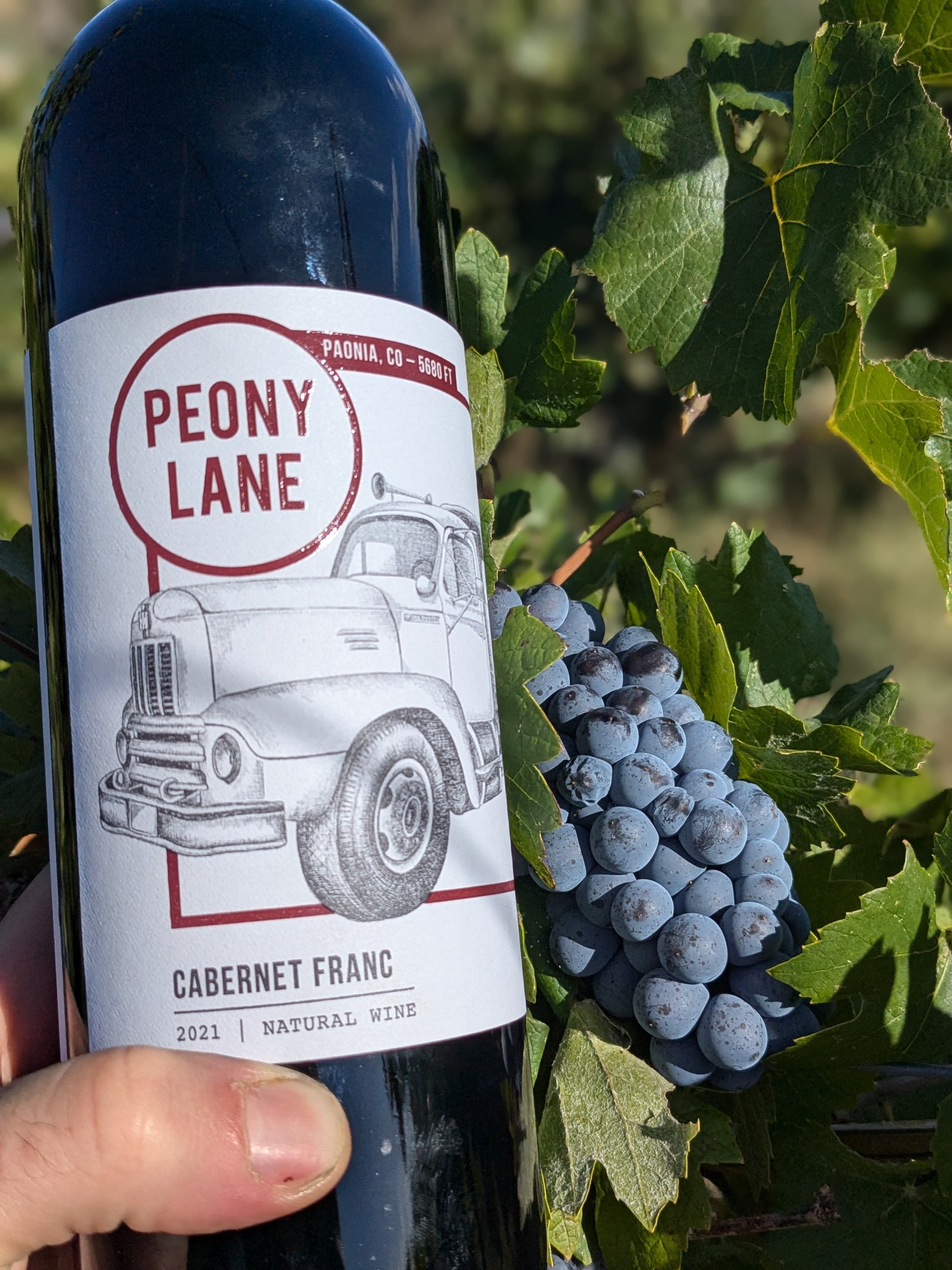
Colorado Cabernet Franc is a Revelation. You probably know Cabernet Franc as the quiet supporting actor in Bordeaux blends, overshadowed by its famous offspring, Cabernet Sauvignon. Most people do. That's often because traditional Bordeaux Cab Francs tend to be lean, earthy, and herbal, with fruit notes taking a backseat to minerality and green spice. They're not the fruit-forward wines many American palates gravitate towards. In the Colorado climate, Cabernet Franc takes on a completely different character. Over 300 days of intense Rocky Mountain sun, combined with sharp day-to-night temperature swings, allow the grapes to ripen fully without accumulating excess sugar. This means the fruit stays fresh, not jammy, and the natural acidity keeps the wine crisp and lively. Instead of an herbal bomb, you get a juicy, deep red that maintains the variety's subtle depths. People always tell me how hard it is to find a pure Cabernet Franc. Truthfully that's because most Americans don't like the traditional style. If you've been searching for one or just want to explore something new, Colorado Cab Franc will give you an expression you didn't know you were looking for. image
Peony Lane Wine's avatar
PeonyLaneWine 1 month ago
The only thing stopping the USA from succumbing like the UK is guns and people like you drinking the Blood of Tyrants (Peony Lane🍷). Keep going💪 image
Peony Lane Wine's avatar
PeonyLaneWine 1 month ago
Every famous wine region started as a place no one believed in. Colorado is still in that phase. I've gotten used to people writing Peony Lane off. It's all part of the process because you can’t borrow tradition. You have to earn it pour by pour. May the best wine win. image
Peony Lane Wine's avatar
PeonyLaneWine 1 month ago
Seems like selling wine for Bitcoin was a good idea. Too bad I listened to all the retards who disagreed because I didn't want to be different and missed out. image
Peony Lane Wine's avatar
PeonyLaneWine 1 month ago
"Sulfites" give me headaches when I drink wine. I hear it all the time, but something never rang true to me. If you have a true sulfite sensitivity you would have an asthma-like reaction to drinking most wines or eating dried fruit. The key thing is: YOU WOULD KNOW TLDR at the bottom👇 My thinking on this has been that if a wine maker adds a ton of sulfites, they are probably adding a bunch of other additives. Since wine ingredient labeling is extremely opaque, you could be reacting to "anything" and without meeting your winemaker, it would be very difficult to ascertain which is giving you an issue. My advice to people negatively affected by wine has been 3-tiered: Best) Meet your winemaker and ask questions Better) Drink Low Intervention or "Natural" wines Good) Default to French/Italian/European wines generally Now, I'm back to the initial 80 IQ statement being correct. SULFITES DO NOT CAUSE WINE HEADACHES, but they do absolutely decrease your body's ability to process histamines. Histamines + High Sulfur lead to your body having an allergic response Your body produces histamines naturally as part of your immune alarm system causing blood vessels to dilate, tissues to swell, flushing and congestion. Thats the entire mechanism behind allergic reactions and why you take antihistamines to treat them. I'll go into the science of all this more in another thread TLDR Histamines exist in wine and "sulfites" decrease your body's ability to process them which leads to allergic reaction-type symptoms. This works QUICKLY. If you feel hot, congested or get a headache within the first few glasses you are having histamine issues. Quick solutions: White wine -> Lower Histamines Low Intervention wine -> Lower Sulfites DAO Enzyme supplements -> Help process histamines Allegra -> Safest Antihistamine with alcohol (last choice)
Peony Lane Wine's avatar
PeonyLaneWine 1 month ago
GM. Feeling reflective today. It’s wild that this is my life. I make wine on the property I grew up on and sell it by shitposting alongside My People on the internet. None of this was planned. At 25, I was floundering. I knew I needed to start something and bet on myself, but had no idea what. My dad made wine as a hobby. One day he suggested I start a winery. I’d never made wine before, but I said fuck it and started Peony Lane. That first year, I had no product to sell and hated the job I had. My dad wanted to build a house, so now I live in one that he and I built together. When I moved home to do that, I lived with a friend who just happened to be a Bitcoiner. I was already into personal finance, and he pulled me down the rabbit hole. He also got me on Twitter, by always knowing everything before I did. Serendipitously, when my first wine was ready, I happened to be dating a graphic designer. She designed my first labels and built the Peony Lane brand. Today, my labels are made by my best friend from high school. Twitter started out as a way to learn more about Bitcoin. Then Bitcoiners started buying my wine. Now, more than half my sales are in Bitcoin. You can just exit the Matrix image
Peony Lane Wine's avatar
PeonyLaneWine 1 month ago
A winemaker in the USA can add any of these sweeteners to their wine without disclosing the info to the consumer. Maltodextrin Sucrose Glycerol Sorbitol Dextrose Fructose Glucose Invert sugar Artificial sweeteners The only way to know what is in your wine is to ask the winemaker directly. Shake your Winemaker's Hand
Peony Lane Wine's avatar
PeonyLaneWine 1 month ago
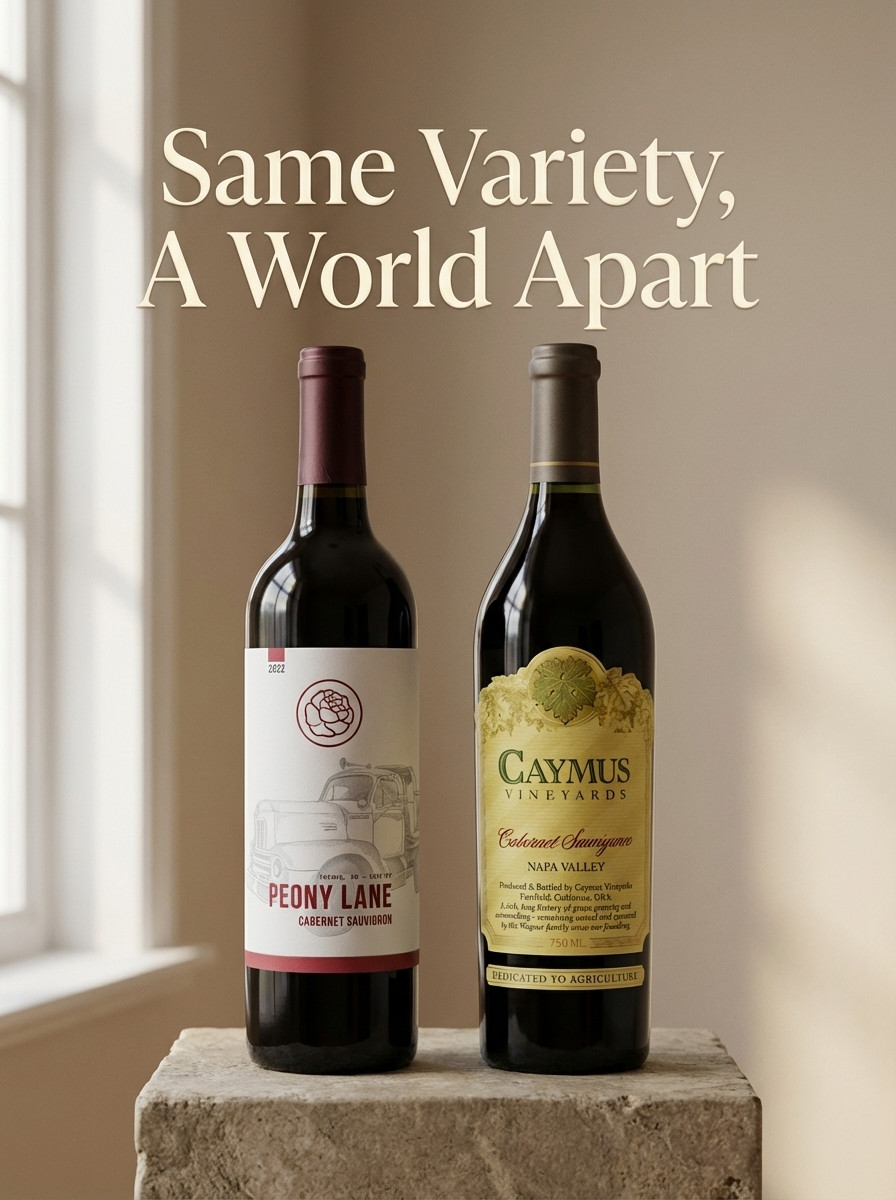
People who consistently drink California Cabernets are usually thrown off by my wine. They aren't wrong because Taste Preference is Personal But if you specifically drink California Cabernet Sauvs you are drinking one of the most commoditized products in the wine world. High end California Cabernet can be World Class. It can be amazing wine. The problem is that most California Cabernet is not World Class. It is styled and manipulated to fit a very specific flavor profile. Deviate from that and it's suddenly "not what a Cab should taste like." That single phrase tells you everything about how narrow the template has become. Peony Lane is different and that's the point. I do not make California wine in the mountains of Colorado. image
Peony Lane Wine's avatar
PeonyLaneWine 1 month ago
People tell me all the time, "Ben, we need to get your wine into this restaurant." Here's why I say no. When I started Peony Lane, I had no idea what direction I wanted to take things. I began at farmers markets because I needed first-hand sales experience. I wanted to see if my wine had enough traction to survive, and after investing much more than everything I had, I needed sales before I could think about the next stage. At the time, I thought that next stage would be a tasting room in my hometown. Community has always been huge for me. I figured I'd build it by creating the kind of space I wanted to spend time in. The "if you build it, they will come" idea. I'll meet the right people if I build the place they'll all want to gather in. On the road to getting there, I ended up finding the community I really needed online. We centered around one big idea, Bitcoin, and once I found that, I realized I couldn't find many of the connections I really wanted outside of it. So when I turn down restaurants or liquor stores that want to carry my wine, it's not because I don't want to grow Peony Lane. It's because I've learned what actually drives me. I don't get energy from just making and selling wine. I get it from producing value for my community. As soon as my wine becomes just another bottle on a shelf or menu, all the excitement disappears for me. Sure, it would be nice to make those sales, but fulfilling wholesale orders takes energy that pulls me away from what brings me joy. Focus is scarce, and I want mine aimed at what matters. If there's one thing I've learned about entrepreneurship, it's that consistency is everything when it comes to survival. New opportunities pop up all the time, but knowing when to say no is the difference between building something lasting and burning out. To make it anywhere in business, you need to be pumped about your goal, and I quickly realized that just making really good wine wasn't enough for me. What drives me is giving people the same experience I had when I realized wine doesn't have to make you feel bad afterward. Educating about wine in a way that isn't pretentious and getting back to basics: Does it taste good TO YOU? How do you feel the next day? It's deeply gratifying to show that you can make a great product, focus only on serving your community, and still win in a real way. Business has never really been about the money for me, which is ironic given that all our Bitcoin community cares about is fixing THE money. image
Peony Lane Wine's avatar
PeonyLaneWine 2 months ago
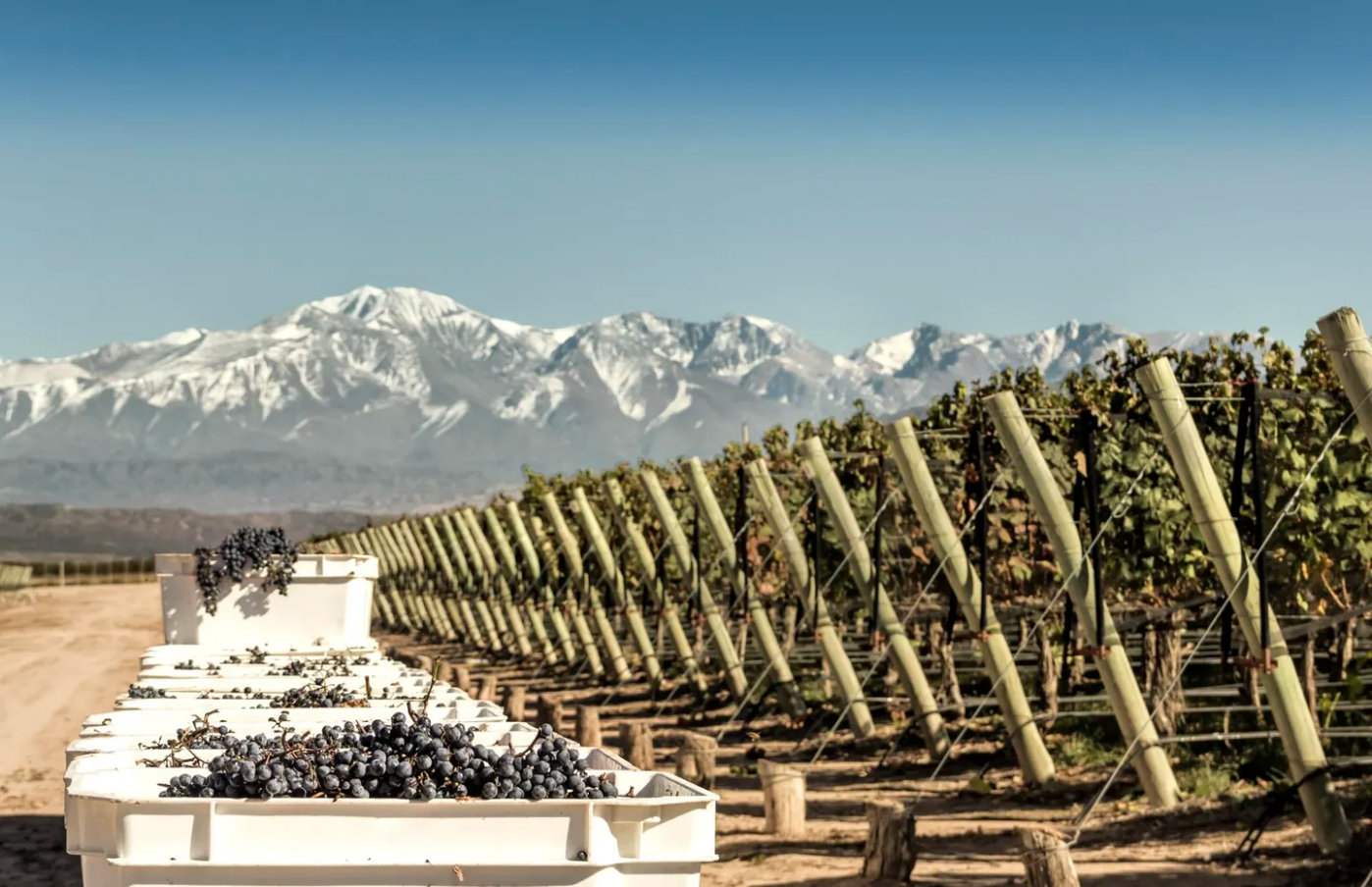
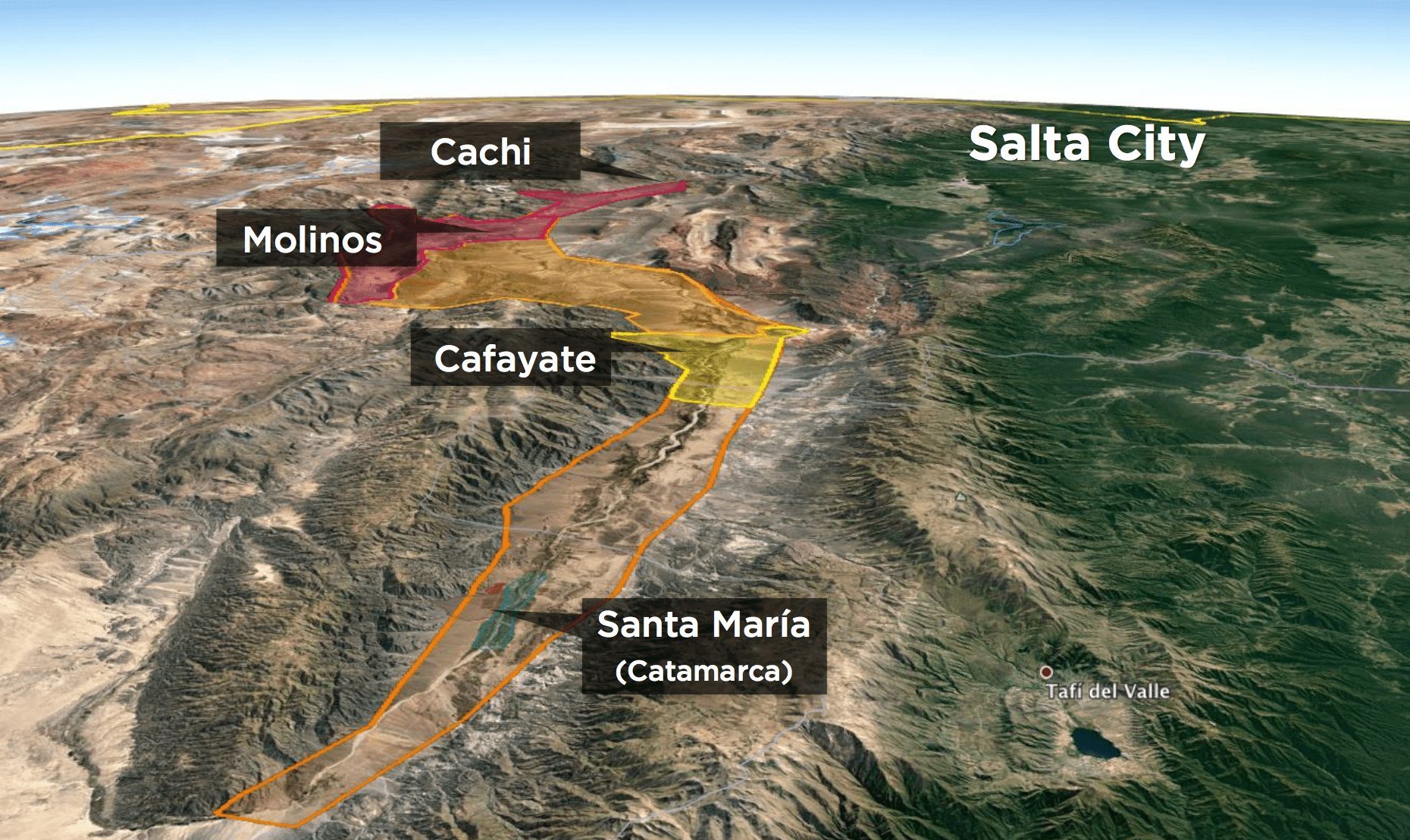
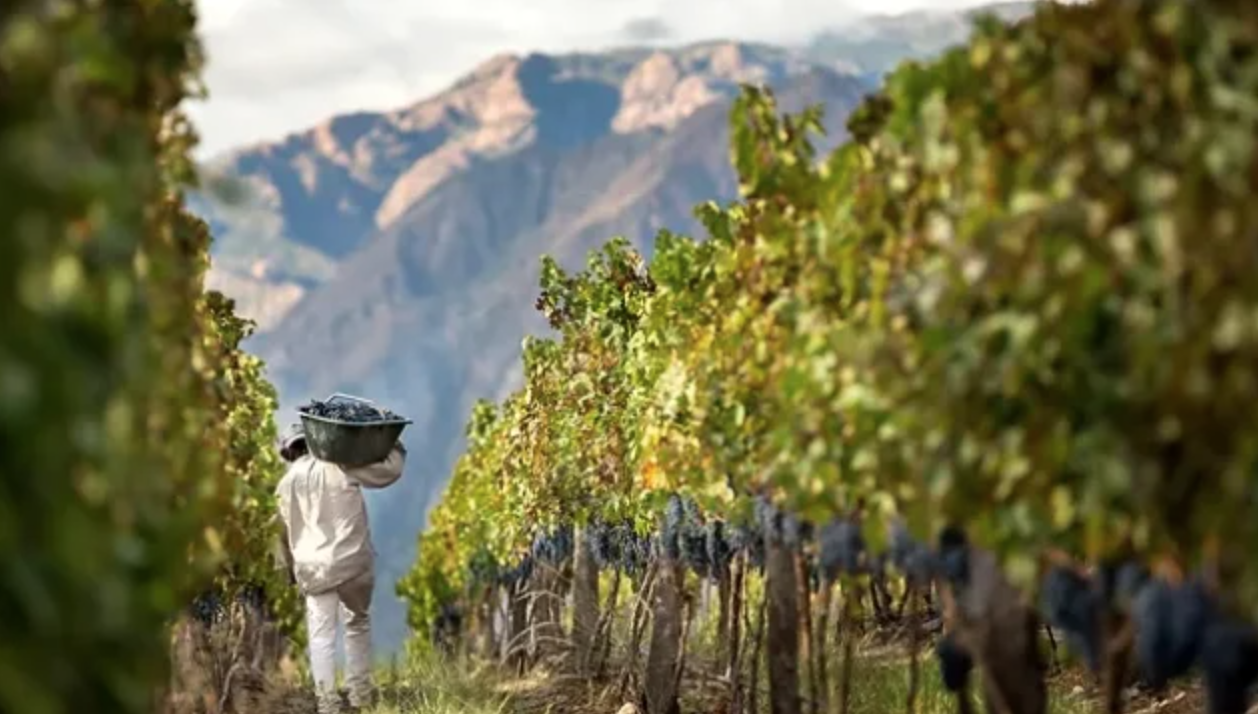
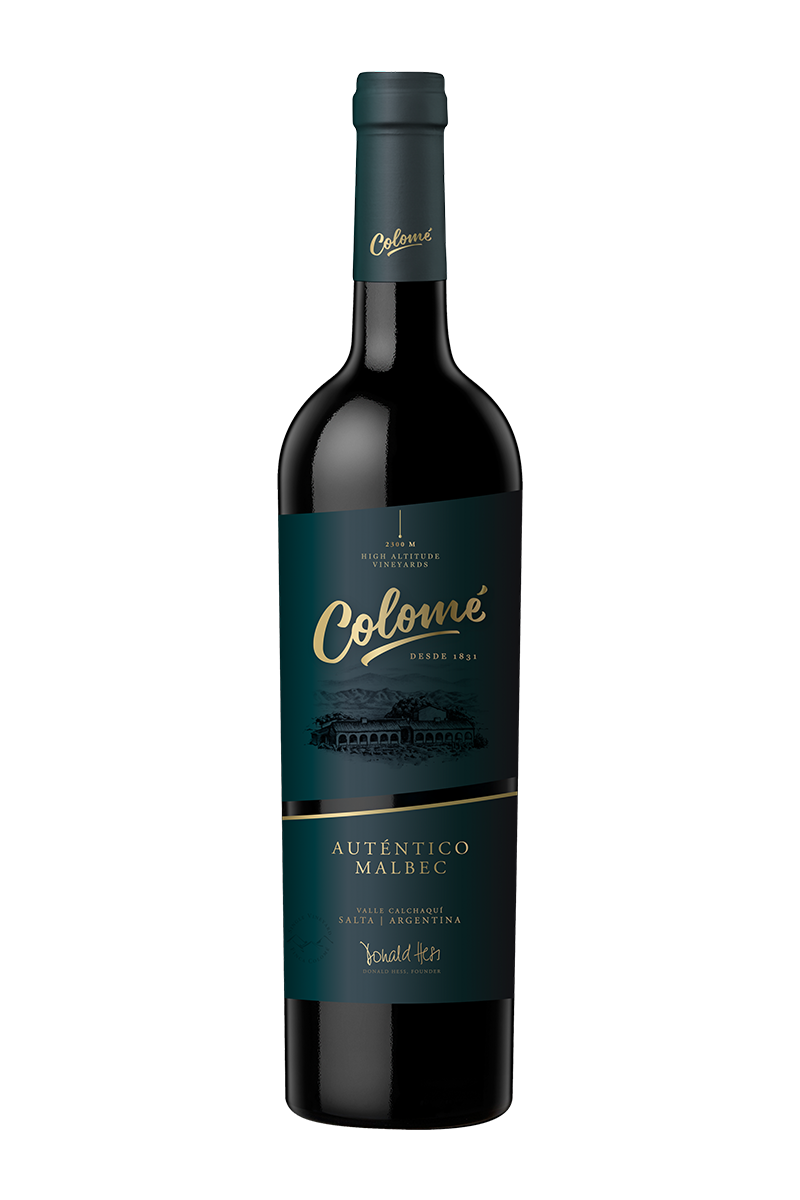
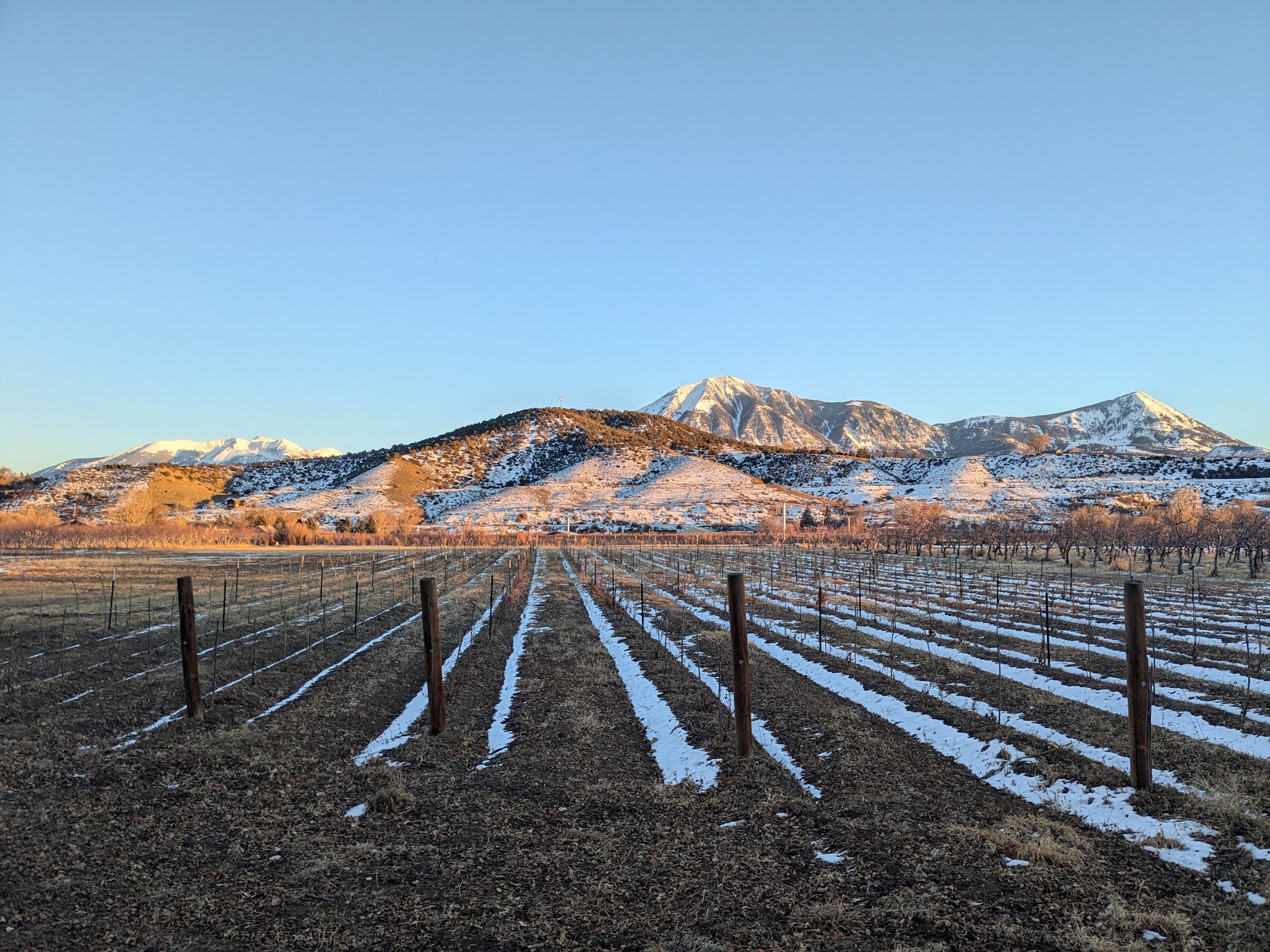
The wine world loves to brag. I hear Californians flex about farming at 2000 feet in their "High Elevation" vineyards. Meanwhile, in Argentina’s Andes, some guys are growing grapes at over 10,000 feet. These guys don't even care to look down at the rest of us.🧵 The Calchaquí Valleys sit on the Altiplano in northern Argentina. A dry, rugged plateau surrounded by some of the tallest mountains in the Andes. Vineyards like Bodega Colomé’s Altura Máxima are planted at 10,500 feet, with 20,000-foot peaks towering above them. Farming at this elevation is a different game. In this high desert environment, all of the water comes from snowmelt, moved through simple gravity-fed ditches carved into the rock and Tractors struggle to run in the thin air so most of the work is done by hand. How can grapes even grow at this altitude? - They’re closer to the equator, so the sun is stronger and more consistent. - The dry air from the Andes keeps disease pressure low. These brutal conditions do a few things to the grapes: - Thicker skins - Smaller berries - Higher natural acid - Slow sugar development - Deeper color and structure The vines get battered all season long and that can be a good thing. Most every grape varieties can't take it. Malbec survives because it handles UV, drought, and cold nights without breaking down. Torrontés survives because it ripens fast and keeps its aromatics even under a punishing sun. But how different do they taste from their neighboring, low elevation counterparts? Malbec from these heights is darker, fresher, and tighter than anything you’ll find in the lowlands. Torrontés turns sharp, floral, and piercing. It is electric compared to a coastal white. Of course, vineyards this high are small by nature. Yields are low. Most of the wine stays local. But if you want to hunt some down, look for bottles from Bodega Colomé or Bodega Tacuil. I grow Pinot Noir at 6000 feet, in the highest wine region in North America. Sometimes I think what I’m doing is crazy. But these guys put me to shame. They’re farming grapes at elevations that match the highest mountains around me. I really need to get my hands on a bottle from here to compare. Cheers🍷
Peony Lane Wine's avatar
PeonyLaneWine 2 months ago
An unlimited supply of this wine is why all my friends are now Bitcoiners. image
Peony Lane Wine's avatar
PeonyLaneWine 2 months ago
In business today, you are either growing or you are dying. Bitcoin gave me a third option. Bitcoin is my growth division. When I started Peony Lane, all I knew was that I wanted to build a business I enjoyed. My logic was simple. If I enjoyed doing it, I would find a way to make enough money, and since the work is tied to my family, I wanted something I could see myself doing forever. Turns out running a big winery and dealing with distributors does not sound fun at all. I like making wine for Bitcoiners and shitpoasting on the internet. No, it doesn't make a ton of money, but I figured out this Bitcoin thing. If I'm right, my retirement is already covered and if I'm wrong, I'll get to enjoy debt slavery anyway. So my goals are simple. Stay cashflow positive and keep making great wine. I have no plans to scale production and I don't think I need them. Bitcoin IS my growth plan. image
Peony Lane Wine's avatar
PeonyLaneWine 2 months ago
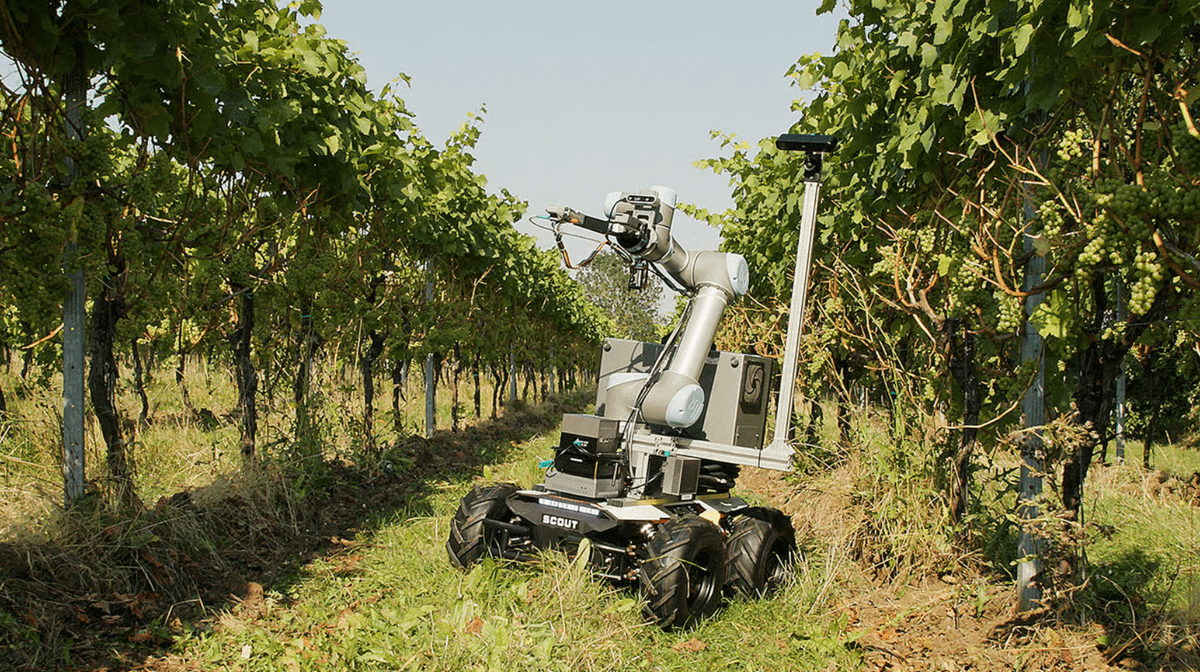
Is my career safe from AI? We're all thinking it. A winemaker's future isn't as simple as "a robot will take my job." I'll benefit from the first wave of automation through better software tools for marketing and production. When I zoom out, I see robots working my vineyard, trained more precisely than any human. A robot can't make good wine though, right? Most wine, especially in the USA, is ready for robotic production. Massive wine operations focus on reproducible, consistent, and formulaic results. This doesn't create interesting wine, but it's big business. Winemaking is a balance between art and science. A robot will definitely be able to complete the science based tasks, but the question remains: Can AI do art? There's this concept of "wu" from The Man in the High Castle - this soul-connection between maker and creation. You notice it when AI images lack that certain something that gives it soul or makes it feel real. AI will get better and better at replicating soul. The masses won't care, they already don't, and will appreciate cheaper wine. My career future rests on whether people care enough to spend the extra money for wine with soul produced by a human. image
Peony Lane Wine's avatar
PeonyLaneWine 2 months ago
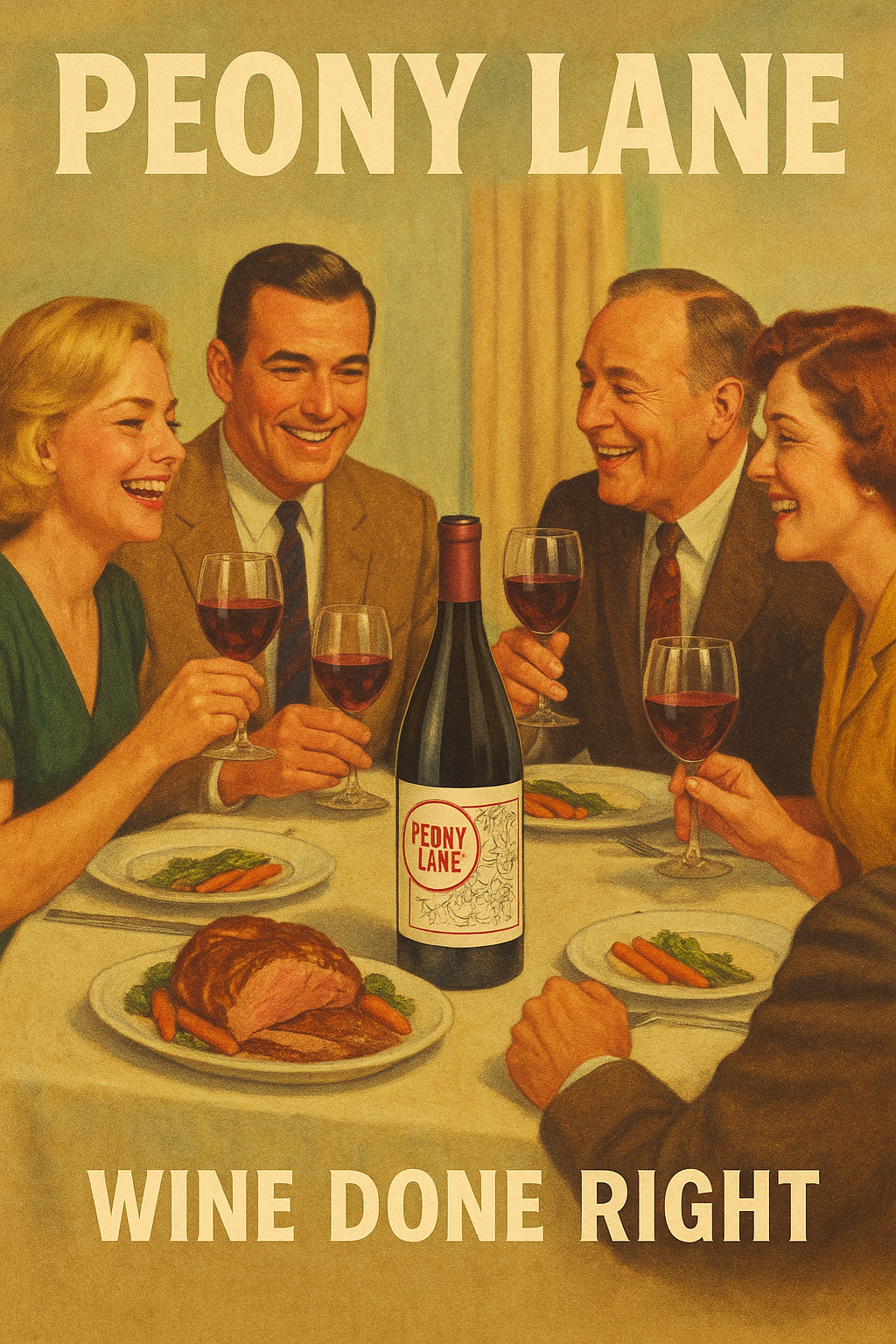
Your grandparents wouldn't touch the wine you see in stores today. They'd taste the chemical additives. Drink Peony Lane. Make them proud. image
Peony Lane Wine's avatar
PeonyLaneWine 2 months ago
It takes four years before a new vine gives you a good harvest. That's also the minimum length of time you should hold bitcoin. I planted a new vineyard in 2020 and found bitcoin later that same year. Both are taking longer than I expected. That's fine by me. image
Peony Lane Wine's avatar
PeonyLaneWine 2 months ago
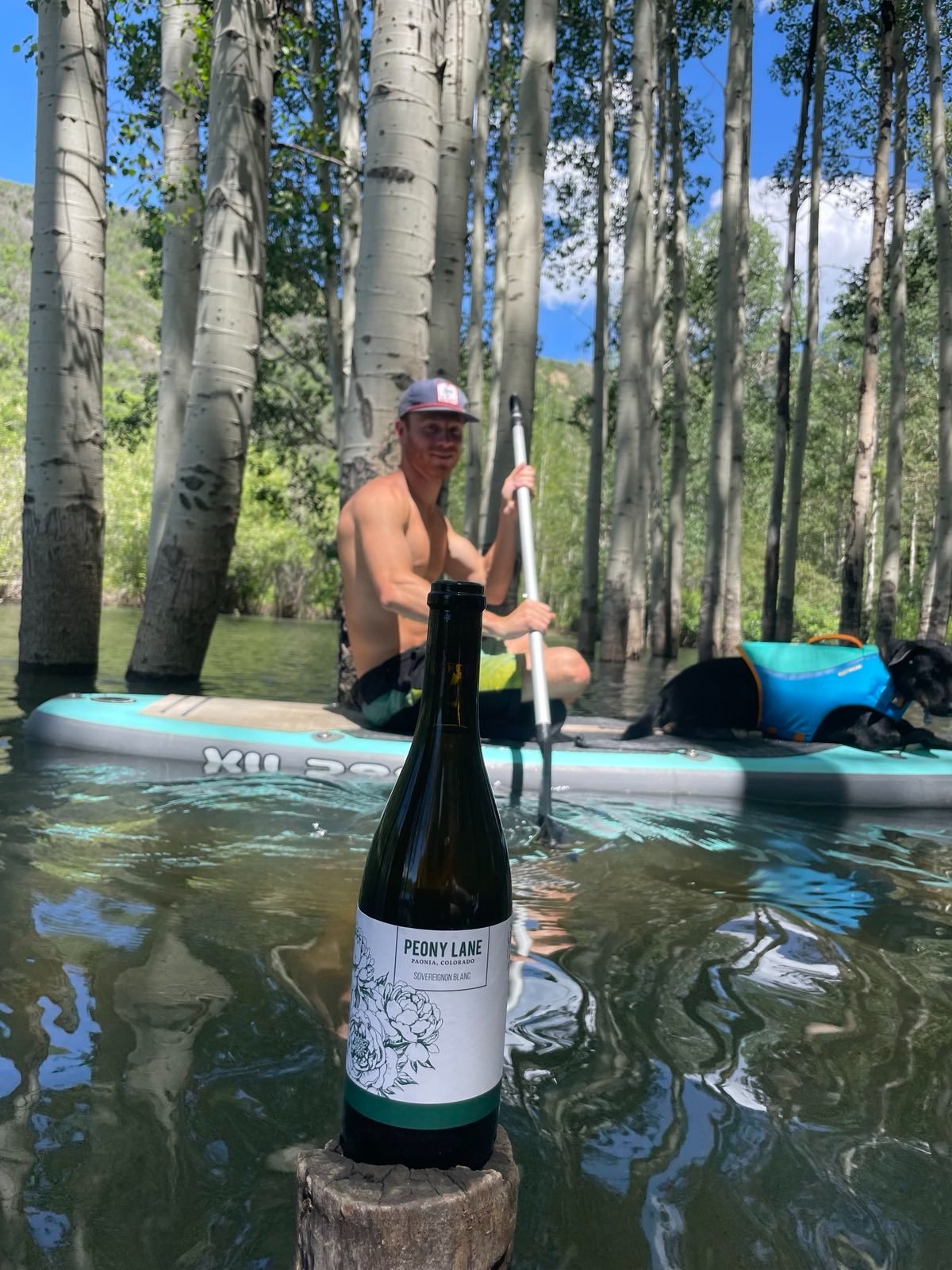
Wine here Get your wine here! Low Intervention, High Elevation, TASTY wine here! image
Peony Lane Wine's avatar
PeonyLaneWine 2 months ago
The Clean Wine Contradiction: Why I Use the Term (And How You Should Evaluate It) I need to address something uncomfortable: I market myself as "clean wine," and that term has been completely bastardized. Anyone can slap "clean wine," "low intervention," or even "natural wine" on their label. There's zero regulation about these terms in the USA and Companies are exploiting wine's unique regulatory gap. Alcohol is the only major beverage category that doesn't require ingredient lists. That means many producers sell premium-priced "clean" wine while disparaging conventional producers. They're making bank off consumer anxiety about mysterious additives, often while their own wines come from the same bulk market they're supposedly disrupting. How the Wine World Deals With It (Spoiler: They Don't) There are people calling out this BS, but there's no grand solution in sight. The regulatory gaps that allow this nonsense also exist for legitimate reasons - wine isn't a manufactured product with consistent inputs year after year. Requiring detailed ingredient labels would crush small producers under bureaucratic burden. Many winemaking aids don't actually stay in the finished wine - do those go on the label? And ingredients lists won't tell you if the producer used pesticides anyway. Meanwhile, there's a thriving "black market" where anyone can buy bulk wine, slap their own label on it, and compete aggressively because they don't have vineyards to maintain. Unless you want government agents inspecting every winery (and trust me, alcohol regulation is burdensome enough), this wild west situation isn't changing anytime soon. My Solution: Don't Trust, Verify So why do I still use the term "clean wine"? Because when done right, it means something. But you can't rely on the label to tell you what that is. Here's my two-part litmus test for evaluating any wine, including mine: 1. Meet the Producer (Or Get As Close As Possible) High-quality wine producers are transparent because they're proud of what they do. They want to tell you about their vineyard, the growing season, why their location creates amazing terroir. They geek out over details. If a producer is vague about where their wine comes from, that's your red flag. Marketing companies selling private label wine keep things mysteriously simple. Ask questions. Where are the grapes grown? Who makes the wine? What's their approach to vineyard management? The answers (or lack thereof) will tell you everything. 2. Live in a "Don't Trust, Verify" World After you've done your homework, there are only two questions that matter: Do I like the wine? How do I feel afterward? That's it. That's your quality control. Your body knows the difference between wine that's been manipulated to death and wine that's been crafted with care. Some people get headaches from certain sulfites. Others react poorly to high tannin manipulation. The proof is in the bottle image
↑