Peony Lane Wine's avatar
Peony Lane Wine
npub17anj...2c0c
High Elevation, Low Intervention Wine Shipping all over the USA #Bitcoin Made by Ben Justman
Peony Lane Wine's avatar
PeonyLaneWine 1 month ago
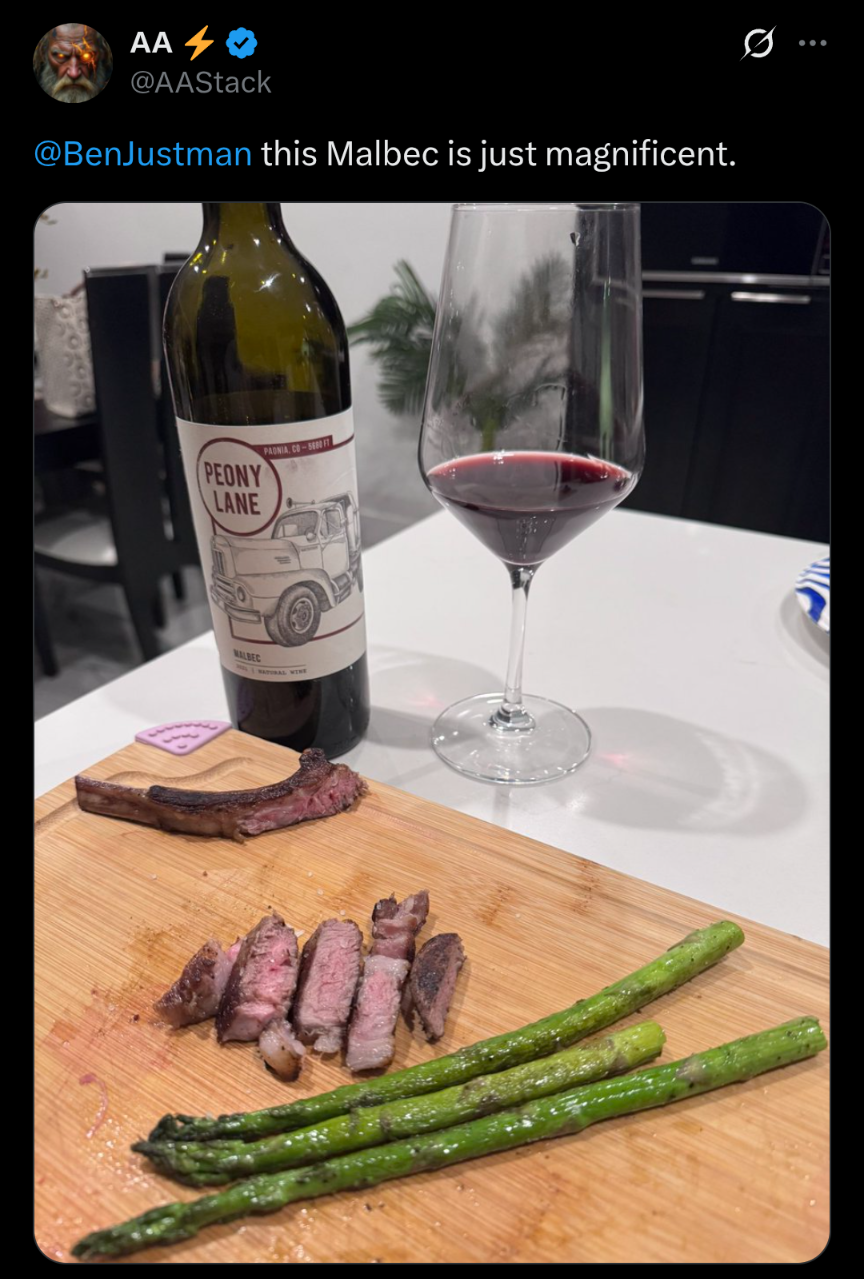
It still just blows my mind that I can drink 3/4 of a bottle of Peony Lane Wine to myself, not take drinking water before bed seriously and wake up without a hint of a hint of a headache the next morning. If you're wondering how every historical figure survived being drunk all the time, this is how. image
Peony Lane Wine's avatar
PeonyLaneWine 1 month ago
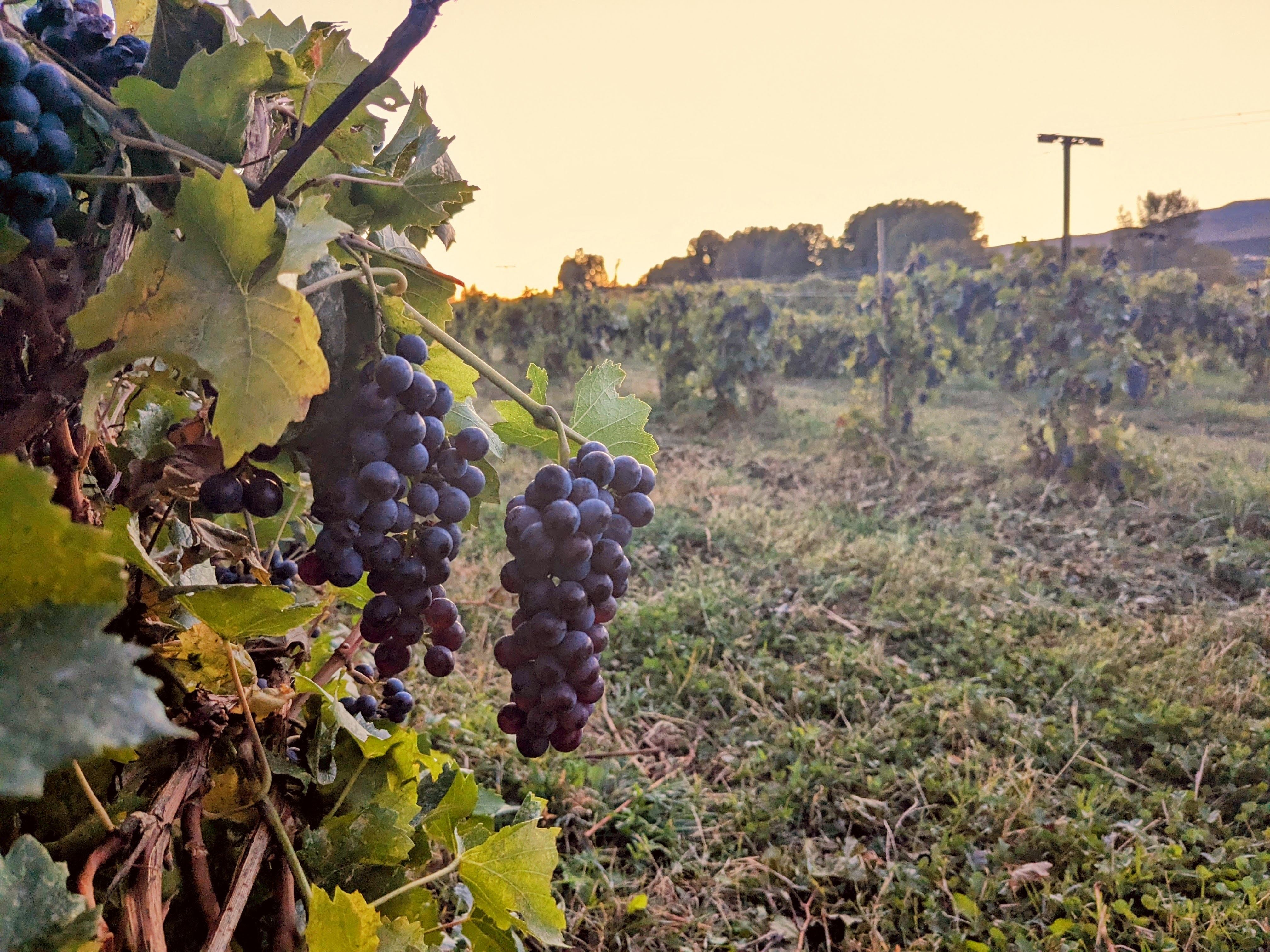
Starting at 10, I worked every summer in the vineyard that is now my livelihood. I hated it. If I could go back in time and tell myself one thing...I probably would've kept my mouth shut. "This is your future" - would have scared me away "Buy Bitcoin" - I'd never have learned hard lessons Sometimes the naivety of the moment is the best thing for you. image
Peony Lane Wine's avatar
PeonyLaneWine 1 month ago
I don't have any data to prove my wine is the best. In fact, I think numbers ruined wine. As soon as we started caring about how many points a bottle scored more than the experience we had while drinking it, the soul of wine died. Wine is an art form meant to be enjoyed. It's best with friends or in accompaniment with another art form like cooking. Reduce it to numbers and you miss the point entirely. image
Peony Lane Wine's avatar
PeonyLaneWine 1 month ago
A winemaker in the USA can add any of these acidity adjusters to their wine without disclosing the info to the consumer. calcium carbonate malic acid tartaric acid lactic acid potassium bicarbonate sodium bicarbonate potassium hydroxide sodium hydroxide ammonium carbonate ammonium chloride ammonium hydroxide magnesium carbonate sodium carbonate The only way to know what is in your wine is to ask the winemaker directly. Shake your Winemaker's Hand
Peony Lane Wine's avatar
PeonyLaneWine 1 month ago
I much prefer drinking a few glasses of wine one night per week over one glass of wine a few nights a week. That's balance for me
Peony Lane Wine's avatar
PeonyLaneWine 1 month ago
To recap: Low Intervention Red Wine... - has a chemical that stops testosterone reduction - has the least micro plastics of any beverage - you don't get hungover afterwards But u still love beer (and manboobs) image
Peony Lane Wine's avatar
PeonyLaneWine 1 month ago
At Peony Lane is just You and the Grapes, Skin to Skin. 🍷 No need for an ingredients list. Wine, the Justman way. 🍇
Peony Lane Wine's avatar
PeonyLaneWine 1 month ago
YOU DO NOT PROCESS ALL ALCOHOLIC DRINKS IN THE SAME WAY. If you feel horrible after you drink, audit what you are drinking and find something that works for you. If you don't have a problem drinking in moderation, you do not need to quit drinking entirely. Switch to low intervention wine Switch to blanco tequila Fuck, I even feel solid after drinking a nice whiskey in comparison to beer, shitty wine or mixed drinks.
Peony Lane Wine's avatar
PeonyLaneWine 1 month ago
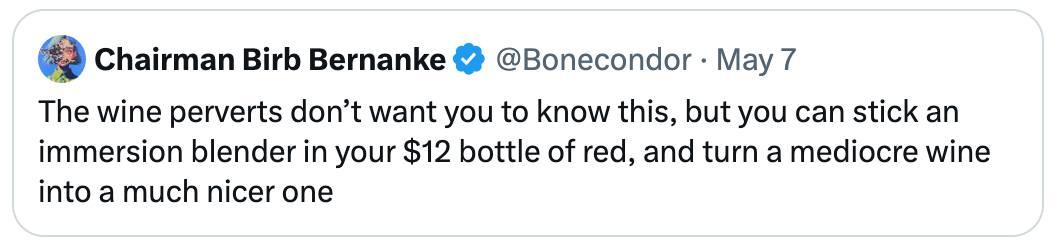
Aeration helps the flavor open up. It doesn’t fix what went into the bottle. Additives stay, and so do the headaches that come with them. DRINK CLEAN WINE image
Peony Lane Wine's avatar
PeonyLaneWine 1 month ago
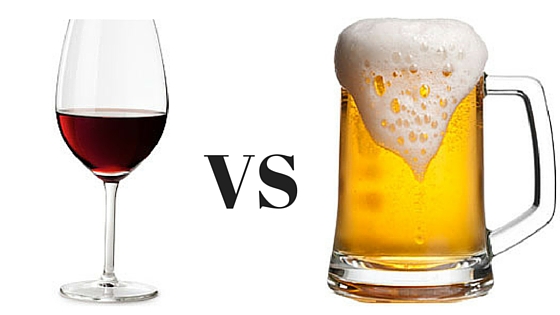
I used to think alcohol was alcohol. Beer...Wine. They both got me drunk. Then I started paying attention. To how beer left me foggy. And how wine didn’t. Here’s what I found 🍺🍷🧵 Wine and Beer Start From Different Foundations Wine is made from fermented grapes. Beer is made from fermented grains. That difference really matters. Grapes naturally contain compounds that survive fermentation and end up in your glass. These include polyphenols, which have been studied for their ability to reduce inflammation, support blood vessels, and protect cells from oxidative stress. Beer starts with starch. After fermentation, most commercial beer is filtered, pasteurized, and standardized. That strips out nearly all of the byproducts that might offer anything beyond alcohol and empty calories. Both wine and beer can include additives that aren't listed on the label. But with wines, more of the beneficial compounds tend to stay in. It is also easier to find low-intervention wines with few additives, and there is a stronger culture of traceability in wine. People care who grew the grapes, how they were grown, and where. You can find good beer and bad wine. But at the baseline, wine has more going for it. Blood Sugar and the Crash Most people chalk up how they feel after drinking to “just a hangover.” But part of that foggy, sluggish feeling is driven by blood sugar swings. Wine, especially dry red wine, has virtually no residual sugar. During fermentation, yeast consumes the natural grape sugars. A standard glass of dry red often contains less than 1 gram of sugar. Beer, on the other hand, contains maltose and residual starch, both of which break down quickly into glucose. This gives it a higher glycemic load, especially when consumed without food or in large quantities. Blood sugar spikes, insulin rises, and then comes the crash. Alcohol itself makes this worse. It inhibits gluconeogenesis, which is your liver’s ability to produce glucose when blood sugar runs low. That makes it harder for your body to recover once blood sugar drops. This is why beer often leaves you drained and cloudy, even after just a couple. Wine avoids about as much of that as possible. Less sugar spike. Less crash. Antioxidants and Inflammation Red wine contains polyphenols like resveratrol, quercetin, and anthocyanins. These compounds have been studied for their role in reducing inflammation and protecting blood vessels. Beer contains some antioxidants from hops and barley, but at much lower levels. The process of filtration and pasteurization removes most of what might help. If you’re going to drink, wine actually gives your body something to work with. Hormonal Effects Beer contains hops, and hops contain a compound called 8-prenylnaringenin. It’s a powerful phytoestrogen, meaning it acts like estrogen in the body. In high enough quantities, it can start shifting hormone levels. Chronic beer consumption has been linked to lower testosterone, reduced libido, and, in some cases, increased body fat in areas like the manboob. Wine doesn’t contain estrogenic compounds like this. Some of the polyphenols in red wine may even slow down how fast your body breaks down testosterone. One lab study found a reduction in testosterone clearance by up to 70 percent. Beer increases estrogen. Wine slows testosterone loss. Transparency and Sourcing Neither beer nor wine is required to list all ingredients or additives on the label. That means you're often drinking blind unless you know the producer. With wine, it's usually easier to trace the origin. There’s a stronger culture around knowing who grew the grapes and how the wine was made. Beer doesn’t have that same emphasis on sourcing. It’s possible, but less common. If you want to drink better, ask questions and buy from people who can answer them. Not all alcohol is created equal. Beer gives you sugar spikes, estrogenic compounds, and fewer nutrients. Wine gives you antioxidants, lower sugar, and for guys, a possible hormonal edge. I’m not saying wine is a health drink. But switching from beer to wine might actually make you feel better. I’ve noticed it myself. I rarely drink beer anymore. Curious if anyone else has had the same experience. image
Peony Lane Wine's avatar
PeonyLaneWine 1 month ago
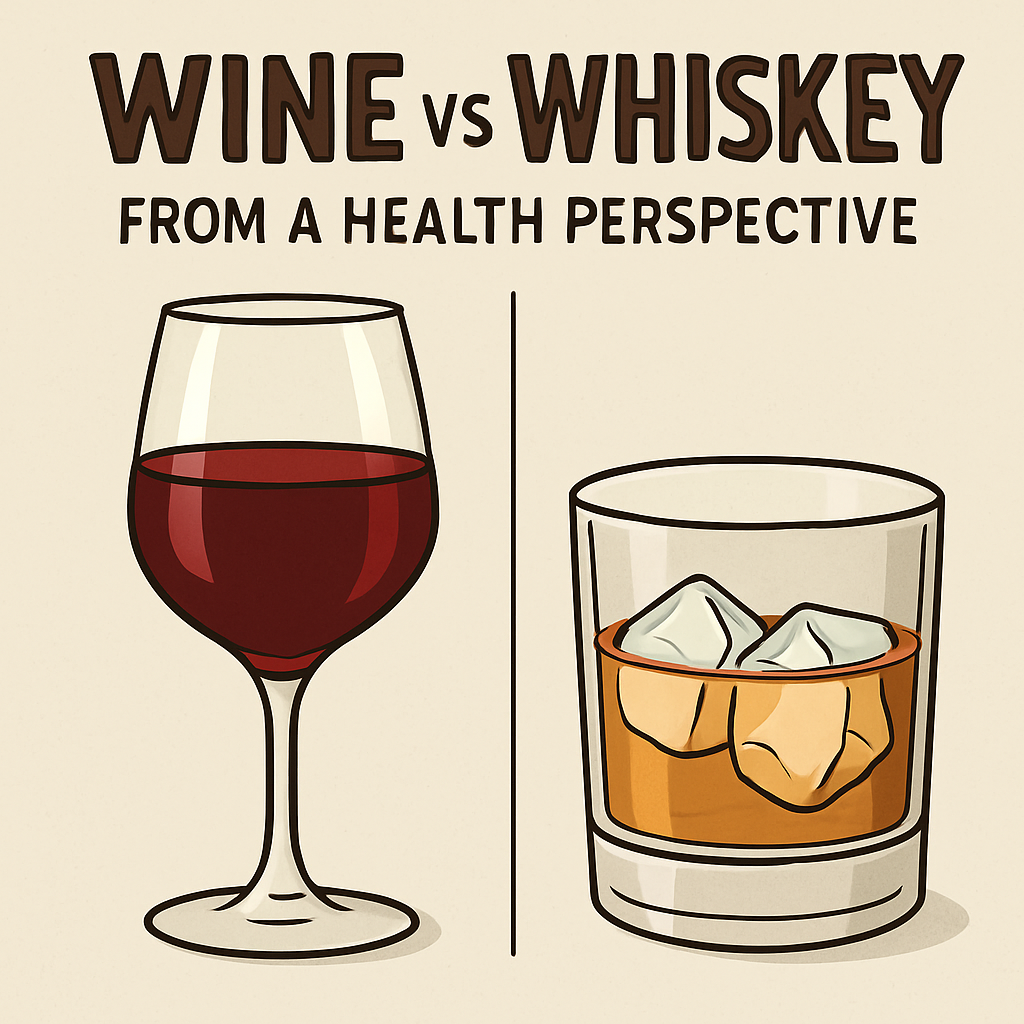
Wine and whiskey both contain alcohol. But your body does not respond to them the same way. From a health perspective, here is what actually matters🍷🥃🧵 What They’re Made From Whiskey starts with fermented grains like corn, rye, wheat, or barley. Different styles use different blends. Bourbon is mostly corn. Scotch is malted barley. Rye and Irish whiskey follow their own rules. Once distilled, those differences mostly disappear. Distillation strips away nearly everything except ethanol and water. Red Wine starts with grapes and grapes naturally contain compounds that survive fermentation and end up in your glass. These include polyphenols, which have been studied for their ability to reduce inflammation, support blood vessels, and protect cells from oxidative stress. Barrel Aging Both wine and whiskey usually spend time in oak. Whiskey can age for decades. Wine typically ages for a few years. Barrel aging affects taste. It does not affect how your body processes the alcohol. Sugar and Blood Sugar Alcohol interferes with your liver’s ability to regulate blood sugar. That is why drinking on an empty stomach can leave you shaky or foggy. This effect is made worse when alcohol is paired with sugar. Whiskey is often mixed with soda, syrup, or bottled cocktail blends and even unflavored whiskeys may contain added sugar or glycerin to smooth the taste. This spikes your blood sugar and crashes it fast. To avoid the worst affects of whiskey: - Skip flavored whiskeys and sweet mixers - Look for "straight" or "bottled in bond" on the label - Drink it neat or with water Dry red wine has less than one gram of sugar per glass. It will only produce a small rise with less of a crash. Additives There is no ingredients list required for wine or whiskey in the United States. When you feel bad after drinking, that lack of transparency makes it hard to know what you are reacting to. Wine can include Mega Purple, acidity regulators, gums, and excessive sulfites. Whiskey can include caramel coloring, sugar, artificial flavorings, or texture enhancers like glycerol or glycol. You cannot really avoid one single additive and ignore the rest. These things tend to come together. Tips to avoid them: For wine, look for low-intervention producers. French and Italian bottles are often less manipulated and not hard to find. For whiskey, get to know the producer if you can, but other than that, there's not much you can do. Sourcing and Contaminants Glyphosate has been found in many conventional wines, even some labeled organic. Grapes are often heavily sprayed, and glyphosate is not routinely tested for. Whiskey is distilled. Distillation removes nearly all chemical residues, including glyphosate. From a contamination standpoint, whiskey comes out ahead. But it is not that hard to avoid glyphosate in wine. My vineyard has never seen glyphosate. The land has been farmed organically for over 100 years. Tips: Either verify that your producer has a similar commitment, or default to French or Italian wines where these chemicals are banned. Whiskey gives you the downsides of alcohol, and very little else. But at least you can drink it without a ton of sugar. Red wine, especially low-intervention red, brings more to the table. It retains polyphenols, organic acids, and fermentation byproducts. It also contains quercetin, a compound that slows the breakdown of testosterone in your body. If you are already drinking and want to choose the lesser of the evils, drink low-intervention red wine. image
Peony Lane Wine's avatar
PeonyLaneWine 1 month ago
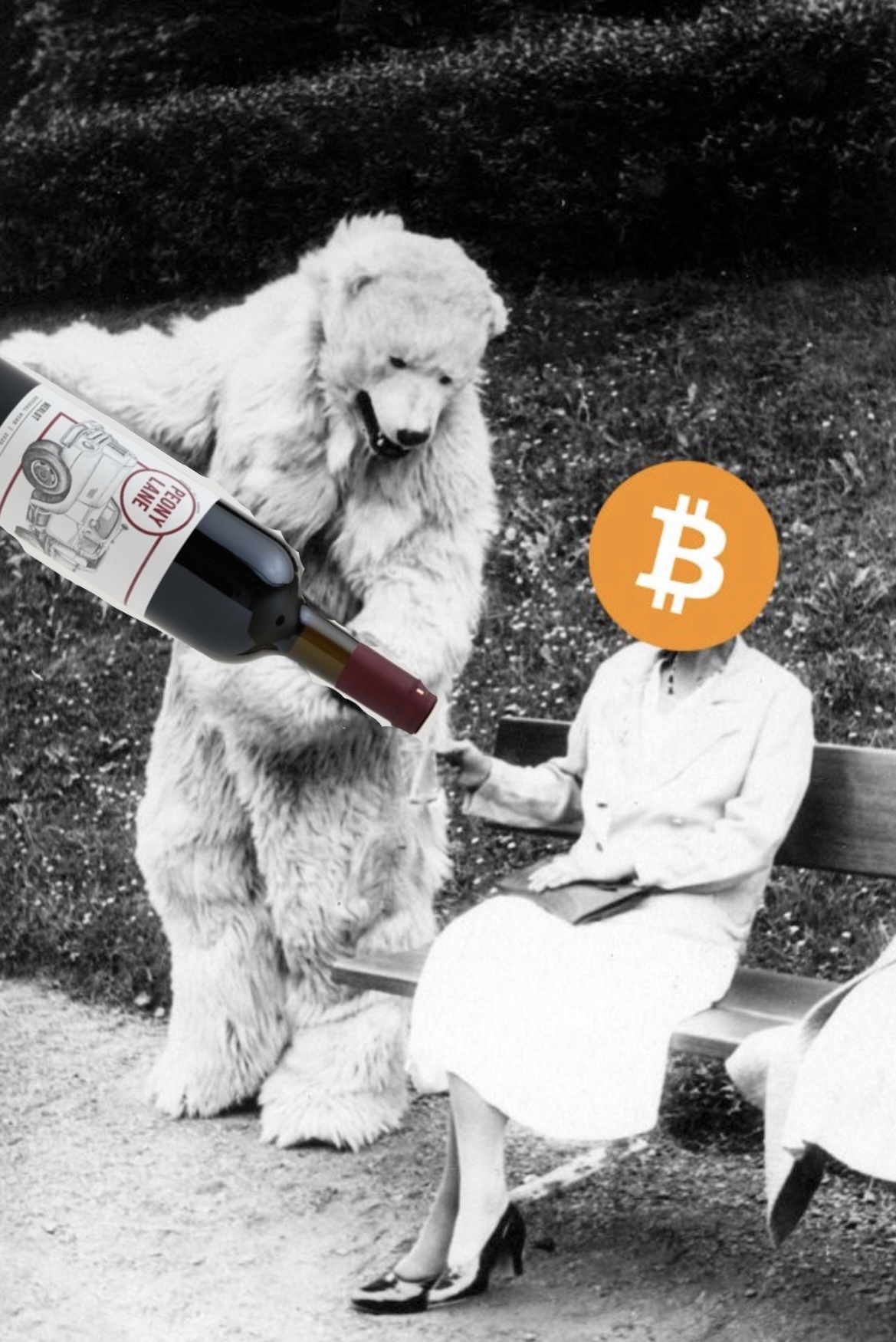
You shop differently at a farmers market. I sold wine at farmers markets for 4 years. People were there to buy local, treat themselves, and to feel good for the weekend. I didn't see much followthrough outside that environment. People kept that part of their lives boxed into one day a week during the Summer. I found the same ethos in the Bitcoin circular economy. Buy quality from businesses building the world you want, but bitcoiners seem to integrate that mindset into the rest of their lives instead of boxing it in. Somehow learning about bitcoin has scaled the farmers market ethos. The Bitcoin Circular Economy is a "buy local" movement that is actually working and scaling. image
Peony Lane Wine's avatar
PeonyLaneWine 1 month ago
Oak aging brings more dramatic shifts, but most of a wine’s quiet evolution happens once it’s already in the bottle. Wine is almost always evolving. Corks aren’t sealed air-tight. Tiny amounts of oxygen slip through over the years, softening tannins and deepening aromas. This slow, steady exchange lets tannins bind together, softens edges, and builds the depth that only time can create. When it happens too fast, freshness fades and the wine flattens before it’s ready. Different closures change the pace. A traditional cork lets in a little air. A synthetic cork often lets in more than you’d want. A screw cap allows almost none. If you’re holding wine for the long run, store it cool, dark place on its side. If you don’t have a way to do that, just find a good reason to pop that cork. Wine only gets better with age when it’s being treated right. image
↑