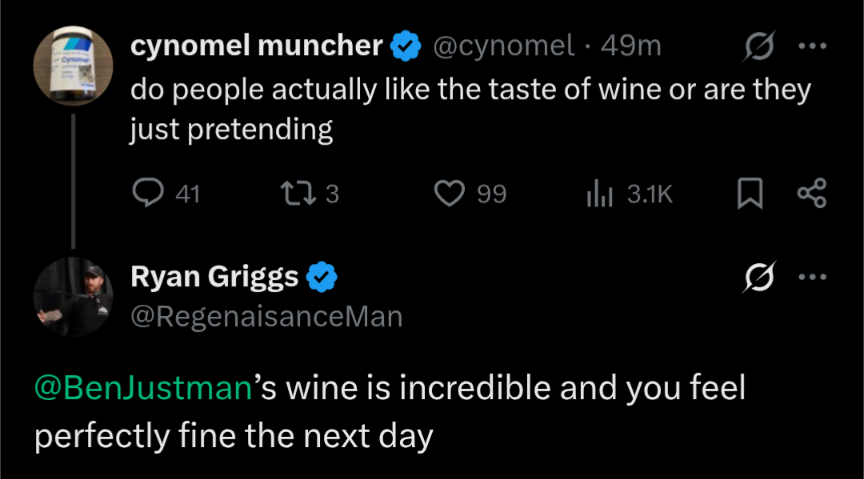
Do calories all count the same even if they make you feel differently?
Tryna figure out how wine calories don't count so more anorexic girls will buy my wine
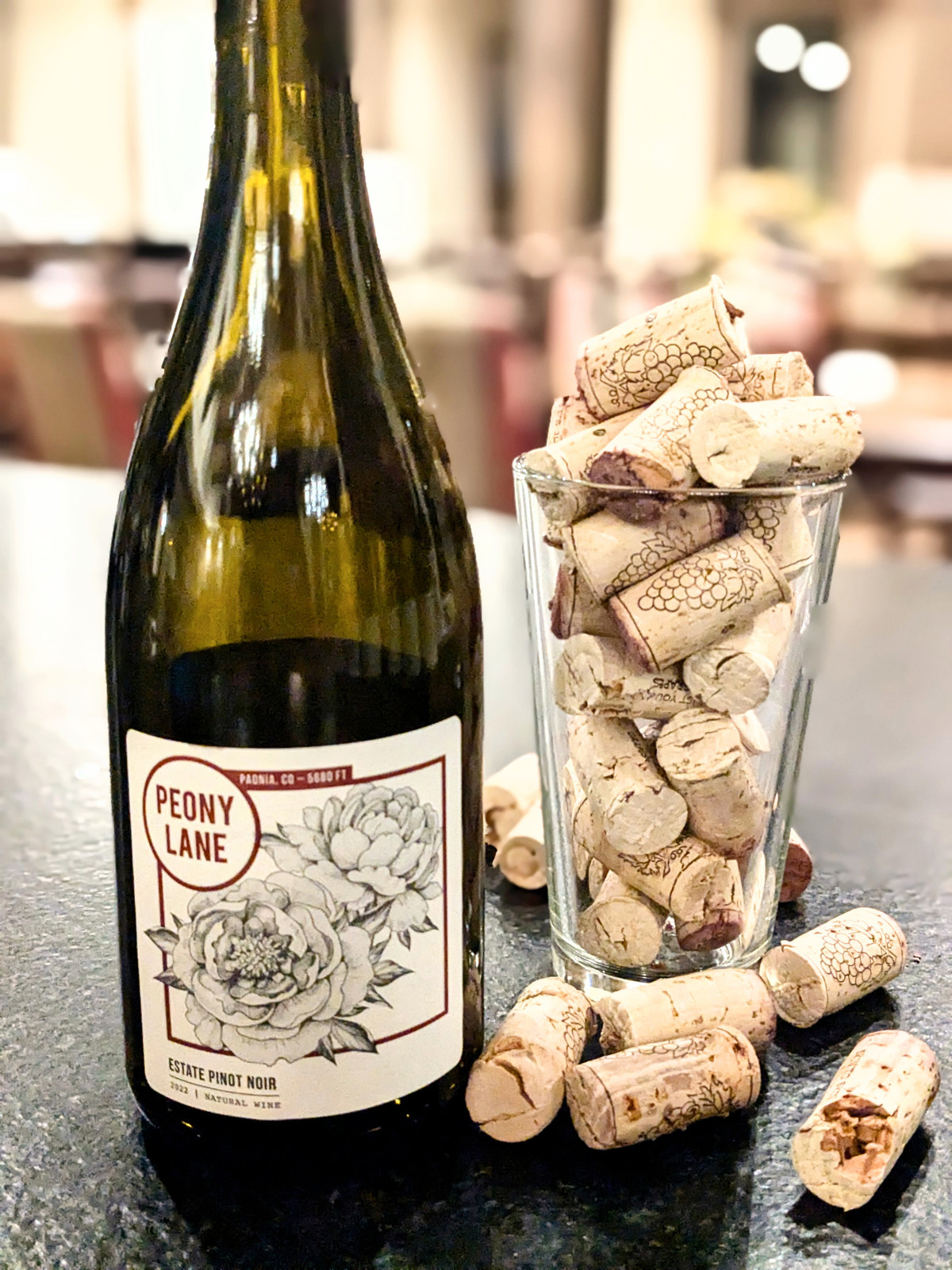
Peony Lane Wine
npub17anj...2c0c
High Elevation, Low Intervention Wine
Shipping all over the USA #Bitcoin
Made by Ben Justman
If Bitcoiners are Cyber Hornets, what should I call this wine?


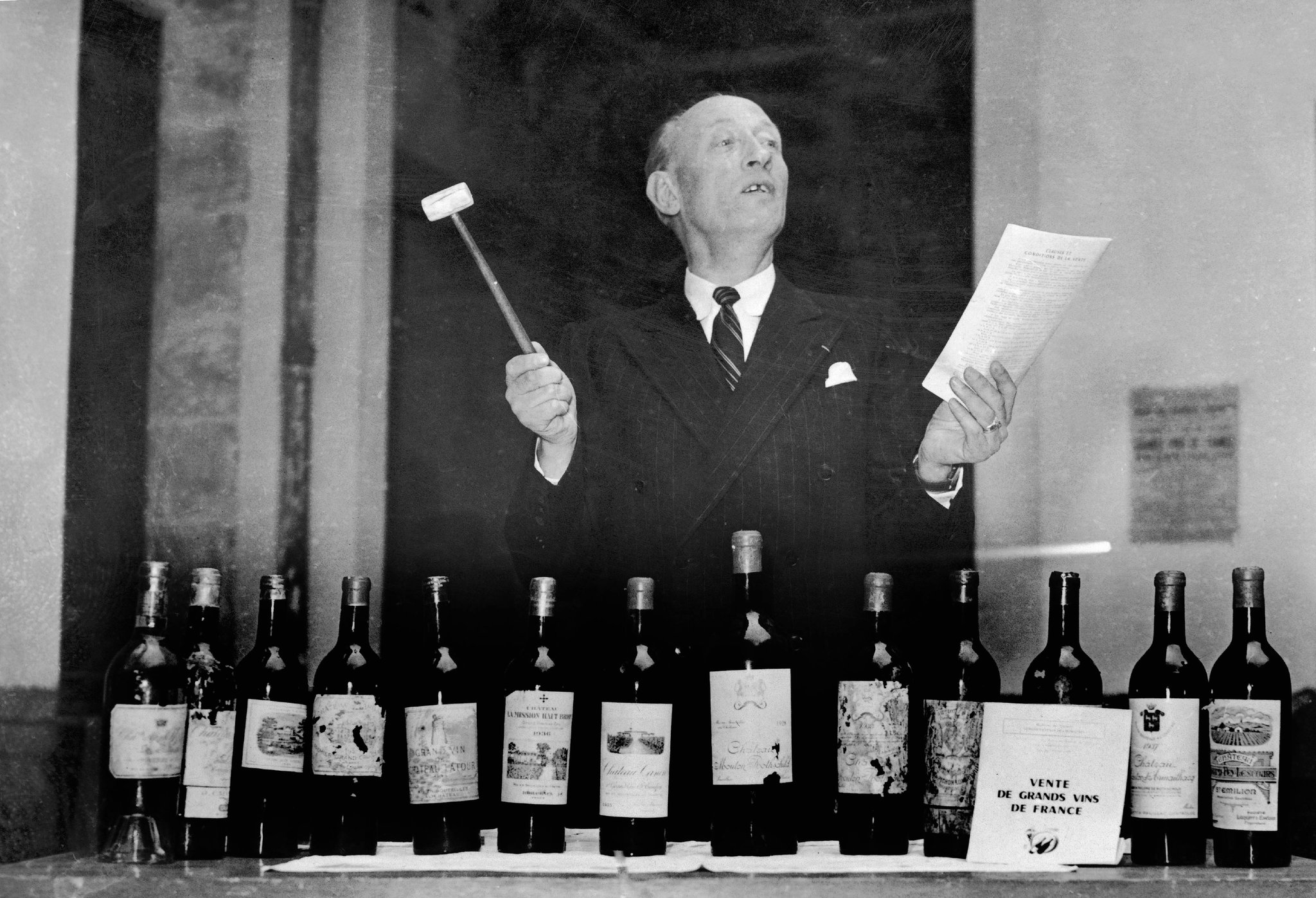
Does wine get more valuable over time?
Let's level set.
You can't just walk into a wine shop, grab any bottle off the shelf, stash it away for a few years, and expect to flip it for a profit. The wine might improve in quality if you store it well, but there are real barriers to resale.
Don't trust. Verify.
How can I be sure you stored that bottle properly for a decade? What if the power went out one summer and your wine fridge hit 85 degrees for two days? That's enough to cook a bottle.
The only real proof that the wine was aged well comes when you pop the cork. Unfortunately, the sale happens long before then so reputation is everything and that takes decades to build.
The wine has to matter in the first place.
Most wines on shelves aren't built to age and don't come from a vintage anyone's hunting for. There's a glut of wines that taste similar, fade fast, or never had any upside to begin with.
Why would someone pay a premium for your ten-year-old bottle when there are tons of others with the same profile?
Only a small handful of wineries have earned a reputation for age-worthy wines. Within that, not every vintage even stand out.
If you want to dip your toes into aging wine, here's my advice: Buy a full case of a red you love. Store it properly. Open one bottle every six months. You'll notice a difference and it'll be an enjoyable exercise.
As for those of you buying my wine with the idea of flipping it someday: I'm honored. I think my wine is suited to age well and unique enough to be worthwhile. If you end up making money by reselling my wine, that's great for me.
But I'm not holding my breath...especially in Bitcoin terms.


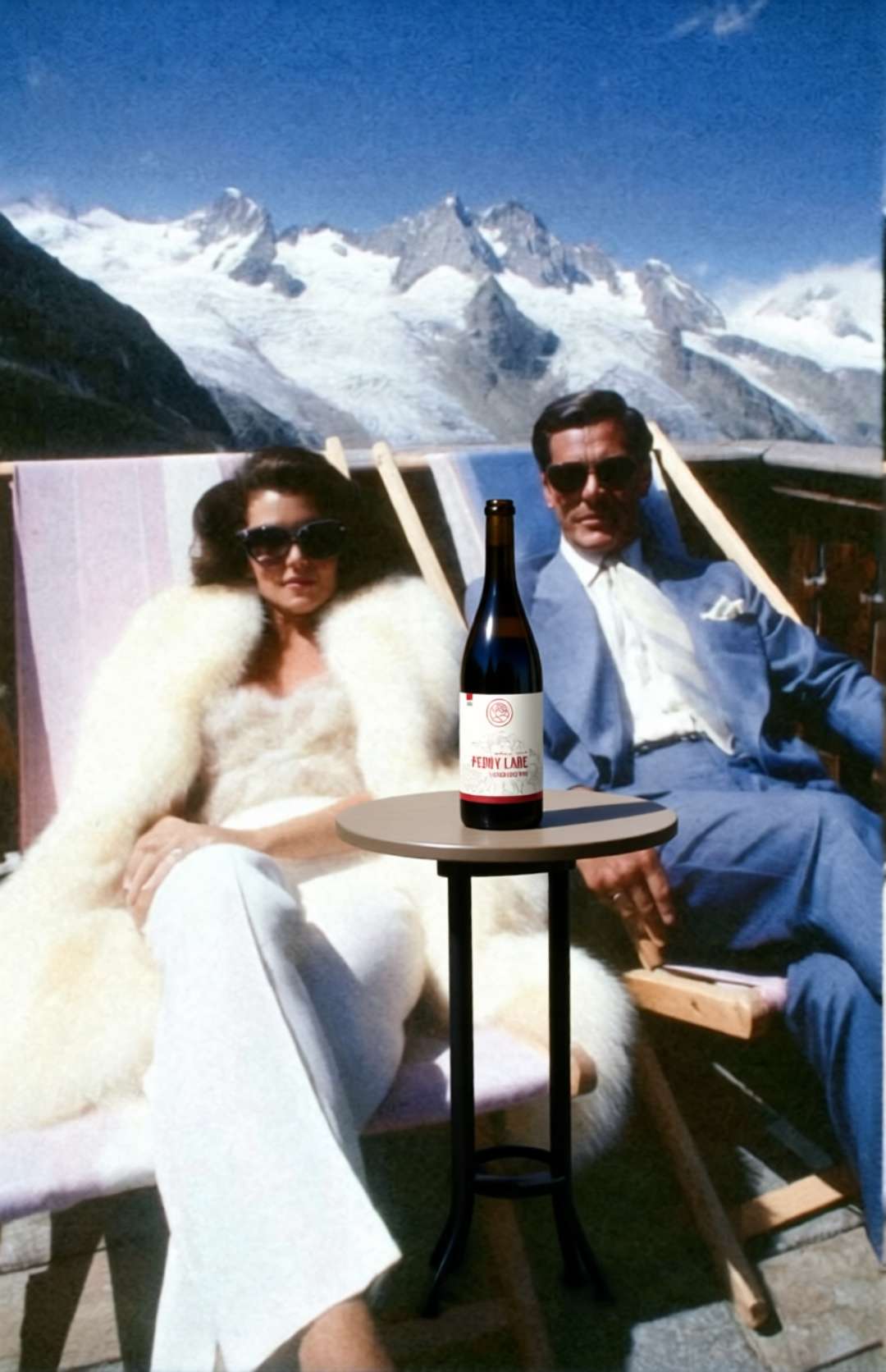
Saturday Sun! ☀️
Pregame for Saturday Night 🍷
Whoever said "Don't get high on your own supply" definitely never made wine. 😉🍇🧡


Yo. Watch this shit
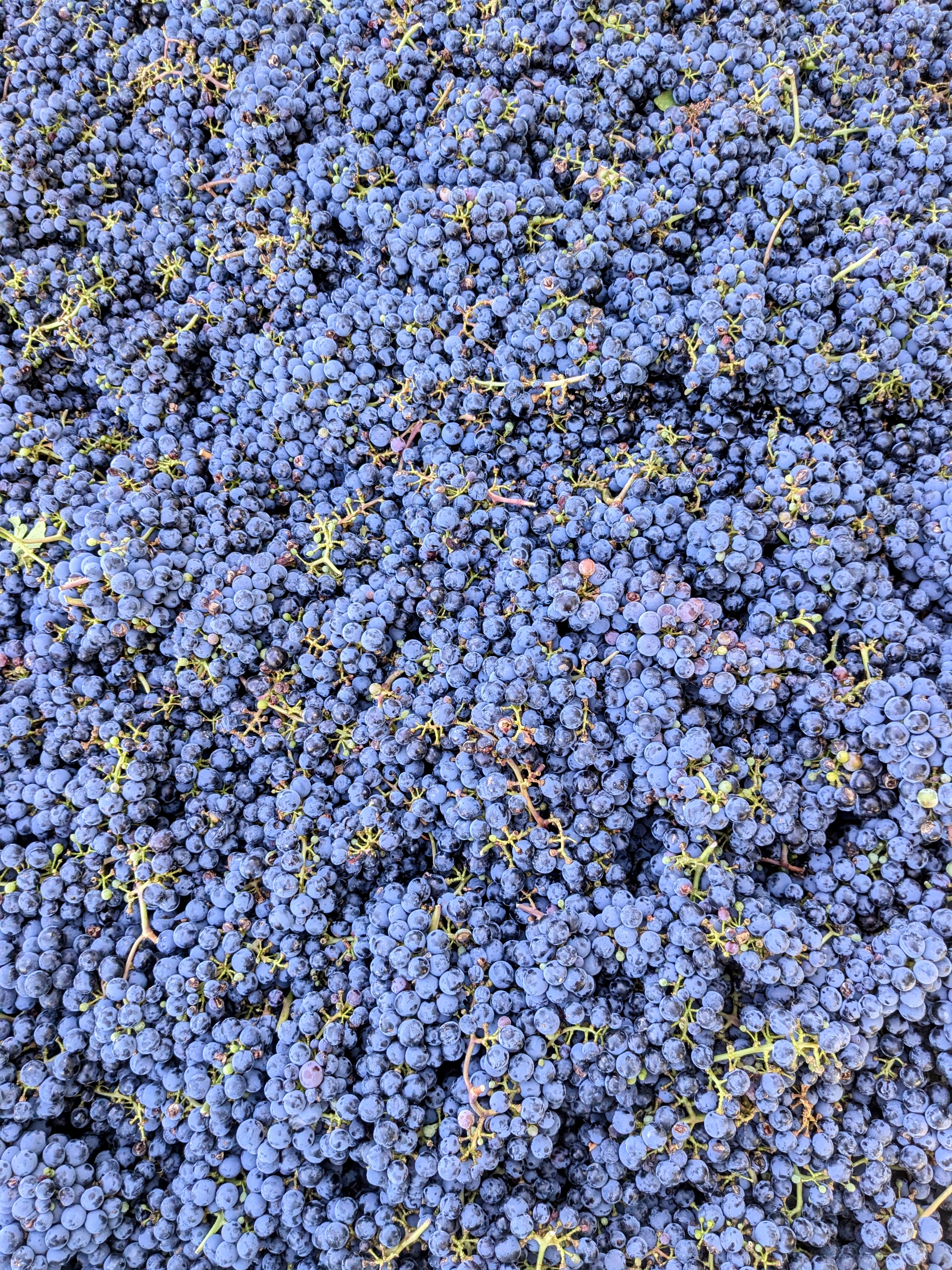
Imma turn these grapes into BITCOIN


I've lived in the world of "You can just do things" for so long that meeting people who worship credentialism shocks me back to reality.
I didn't get a degree in Winemaking.
So many people are pacified by a system that wants you to ask for permission to do anything.
You don't need permission and you definitely don't need to pay the price of a house to learn from someone who talks about doing things for a living instead of doing them.
The whole arrangement is masturbatory. For you and for the winners of a system that gets off on keeping you trapped and docile.
You have all the tools and information available to go 1) find the thing you are passionate about 2) learn how to do it or find someone willing to teach you.
Be curious. Keep moving.
"Wine Tannins give me Massive Headaches"🍷
As a low-intervention winemaker, that one caught me off guard.
I’ve heard people blame sugar, sulfites, even histamines. But tannins? Let’s talk about what they are—and what they’re not. 🧵
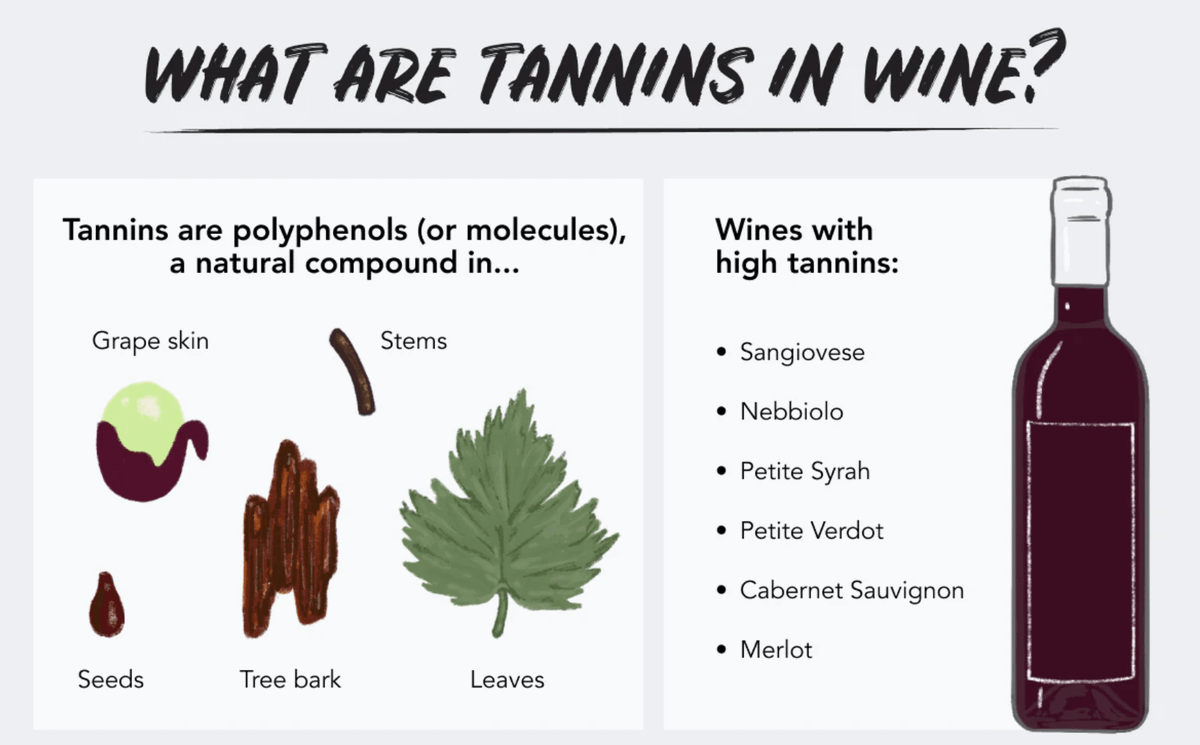
Tannins are natural compounds found in grape skins, seeds, stems, and oak barrels.
They aren’t about flavor—they’re about texture.
They’re much more present in red and orange wines than in whites or rosés, since those wines stay in contact with skins, seeds, stems, and oak barrels much longer.
I often hear people say a wine is dry, referring to that mouth-drying sensation you get from certain wines.
However, when a wine is dry, that means it isn’t sweet.
People who describe highly tannic wines this way aren't totally wrong because tannins bind to your saliva and do leave your mouth feeling dried out.
While a lot of the tannins in red wine do come from the grapes of oak barrel, then can also be added during winemaking—usually in powder form.
Most of these powders are derived from natural sources like oak or grape skins, and can support structure, aroma, and color without changing the identity of the wine.
I use oak-derived tannins in some of my wines, especially since I age in neutral barrels.
This helps me use less sulfur in my winemaking.
Tannins act more like a protective coating that helps show off the wine’s natural brilliance—not a tool for manipulation.
Most wine additives are used as part of a manipulation regime—designed to hit a target flavor profile, often at the expense of transparency.
And with over 70 approved additives that don’t have to be listed on a wine label, the real culprit behind your wine headache could be anything.
Tannins are different.
There is some nuance.
Hydrolyzable tannins like gallotannins (from oak galls or chestnut wood)—have been linked to mild inflammation or histamine release in sensitive individuals.
But they’re typically used in small amounts and are far less likely to be the issue than residual sugar, poor fermentation, or a cocktail of other additives.
Tannins aren’t usually the problem. The winemaking style might be.
Wine is complicated and often swept into a shroud of mystery to keep consumers in the dark.
But knowing a little can change a lot.
I’ll be sharing more about how to navigate additives, labels, and wine in general.


Turns out by accepting Bitcoin, my prices will go down Forever. I'm Rekt.
Why didn't anyone tell me?
Peonylanewine.com


Natural Means More in Wine Than in Food
Chick'N Nuggets tricked me once.
So I do appreciate that the “natural chicken” label means I’m not accidentally buying soybean slop, but that bird could’ve been raised a hundred different ways.
“Natural flavors.” “All-natural.” “Naturally sweetened.” None of these mean anything on food packaging.
Natural Wine still carries weight.
France drew a legal line. To use the label vin méthode nature, winemakers have to use organic grapes, native yeast, no additives, no filtration, and no added sulfites. They also get audited.
In Italy and Spain, there’s no legal standard, but strong winemaking communities set the rules. The pressure comes from peers and tradition, not the government.
In the US, “natural wine” is not regulated, and the tradition is not nearly as strong, but before you assume systemic abuse, let's look at the incentives.
Most wine in the US is mass produced. It is non-organic, high in sulfites, and heavily filtered. It sits so far from the specific definition of natural wine that labeling it that way would be a joke.
Then, if you’re making higher-end wine, you’re not just competing locally. Your bottle sits next to wines from Burgundy, Piedmont, and Jura. The best wine regions set standards, so your wine is competing in a world where “natural” actually means something. Reputation is everything, and using the label carelessly would destroy your credibility.
There is also a reputation problem in the US. Some people associate it with cloudy bottles that smell like a barn and taste worse. While those bottles won't make it to the liquor store, the perception exists.
That reputation acts like a filter. If you’re selling to collectors or high-end restaurants, you don’t want your wine mistaken for something unrefined. Many producers following the same methods—native yeast, no filtration, no additives—choose to call their wines “low intervention” instead.
So if you see “natural” on a wine label, you’re probably not being misled. The word still means something in the regions that matter, and Big Wine can’t even get close.

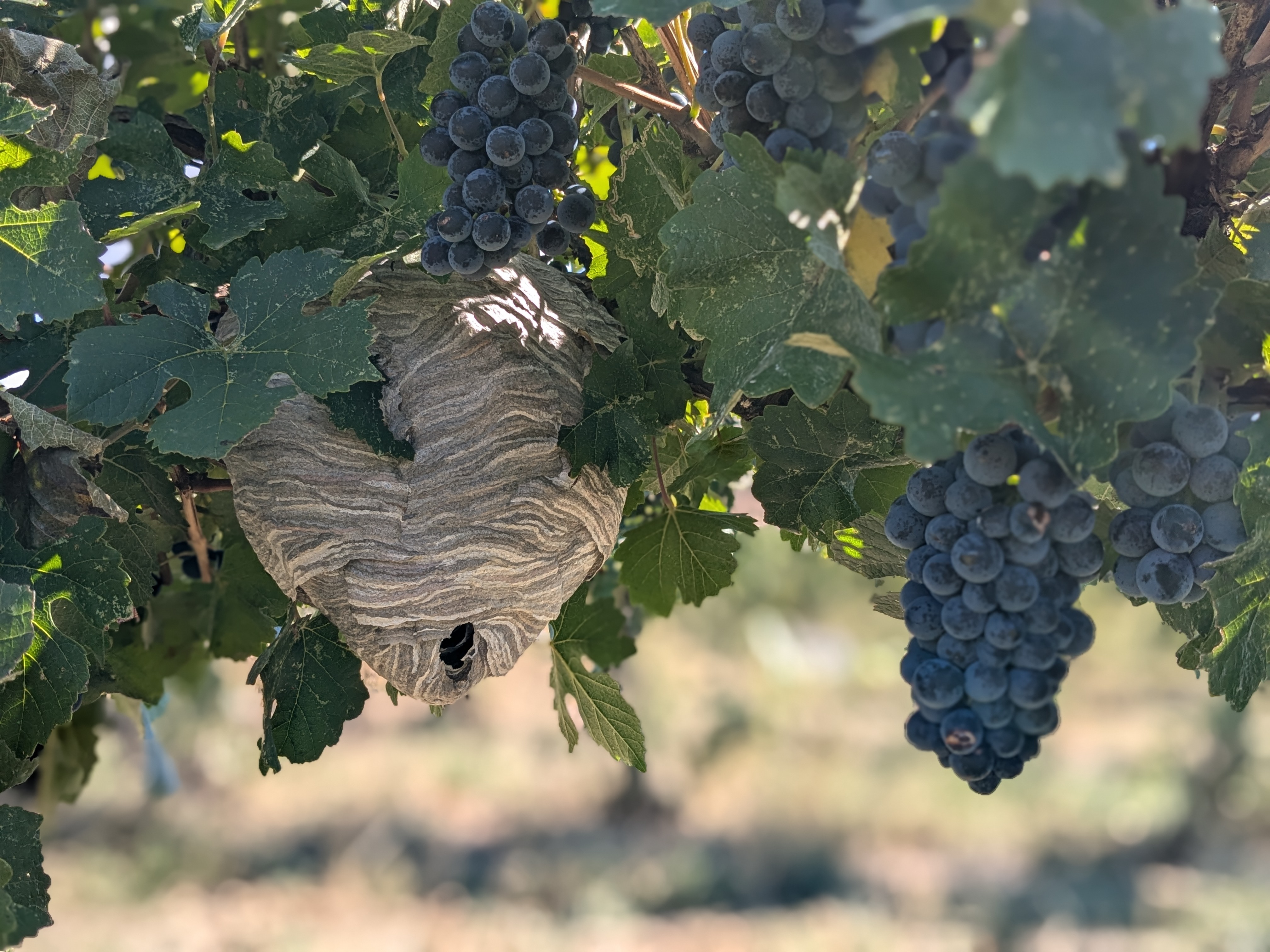
I don't "produce" wine.
Producing focuses on creating a specific result. Production oriented winemakers push towards a goal they set before the grapes even come in. I don't blame them, much of the industry and consumers want consistency across vintages and varieties. Having the same taste every year can build brand loyalty.
It misses the point of wine though. You may as well be drinking grape flavored alcohol.
Consistency goes against the nature of wine. Each vintage is different. Each vineyard has its own character and trying to force consistency on an inconsistent base layer strips out everything that makes wine special.
My job is to put the wine in a position to succeed. I support it through the process and help it where it needs help. The end result varies.
Over time you get to know your vineyard and what the wine needs. That relationship takes years and it's not something you can do when you're sourcing grapes from different places every season or from a mix of vineyards.
Look for single vineyard, estate wines if you want something unique.


There are two questions that matter in wine
1) Does it taste good?
2) How do you feel after drinking?


Taste matters, but is ephemeral.
When it comes to quality wine, how you feel afterwards is the #1 quality indicator.


Now THAT is a Summer Treat. 👀
Order Yours at PeonyLaneWine.com


Ben, your wine was good, and it was even better on the second day, but on the third day? WOW.
It seems crazy to me to let a wine open up this long, even with the cork stuck back in, but to each their own.
Here's what happens when wine meets the air👇
A little oxygen helps soften tannins, open up tight aromas to express themselves, and clarify flavors to be clearer and more expressive.
As long as the wine is open, it will continue to react with oxygen and eventually it will turn the wine bad, but everyone draws that line differently.
Some people like drinking my wine right after popping the cork, some after waiting 3 days. Neither one is necessarily right, but the two experiences can be VERY different.


High Elevation Wine Farming Works without chemicals
(while most other regions depend on them)
If it's not cold, and it's not dry, you're going to have pest, disease or fungus problems. Most U.S. wine regions don't offer both which is why farming organically is nearly impossible.
On the extreme difficulty end of the spectrum, Virginia (2% of US wine production) is too hot and too humid. Summer rain fuels black rot, downy mildew, powdery mildew, and botrytis. Only three vineyards in the entire state are certified organic.
The Finger Lakes (0.5%) are cold, but still humid. Same diseases.
California (81%) is dry, but pest pressure is extreme. They fight Pierce's disease, phylloxera, and leafroll virus with a mix of chemicals and integrated pest strategies.
Fighting all of these issues is while remaining organic can be like fighting against inflation by holding treasury bonds. Its just not affective enough and is the main reason why only 0.4% of the wine grapes grown in the USA are produced organically.
The best way to avoid these issues is to find a place that is just cold enough to kills pest and just dry enough to stave off infection while also not being too cold and too dry to be able to actually farm.
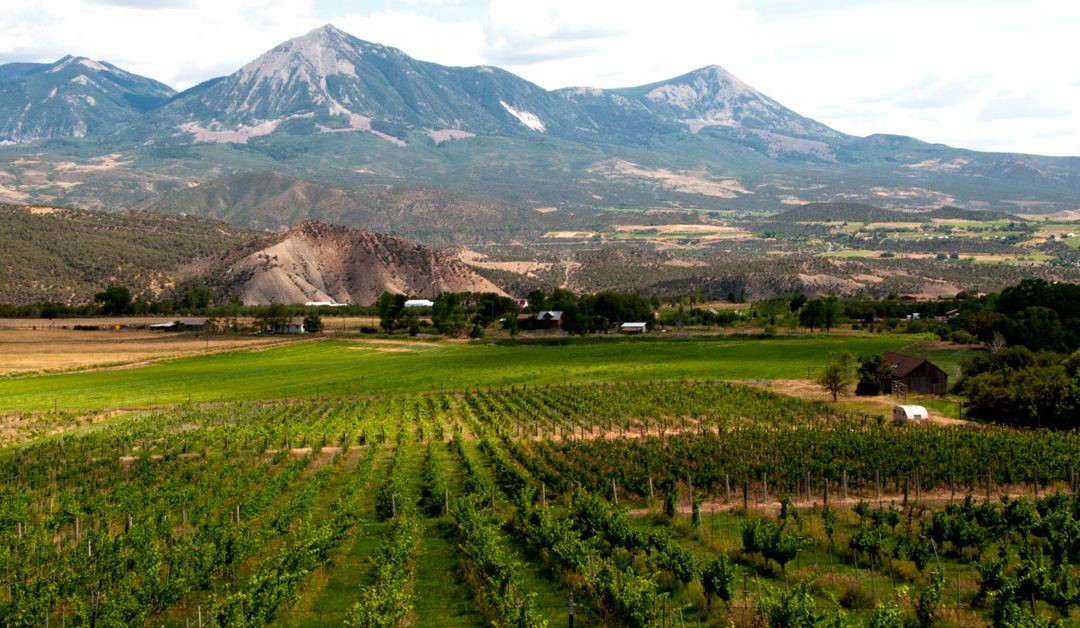
Only small pockets of these zipper zones exist around the USA and they do come with their own challenges, but Colorado's West Elks AVA is one of them.
Here we farm at knifes edge between the Rocky Mountains and the Utah Desert. At 6,000+ feet, the winters kill off most threats and the arid summers prevent mildew.
The tradeoff? Most vines can't survive here and even the ones that do get frozen back to the ground (destroying an entire vintage) every few years.
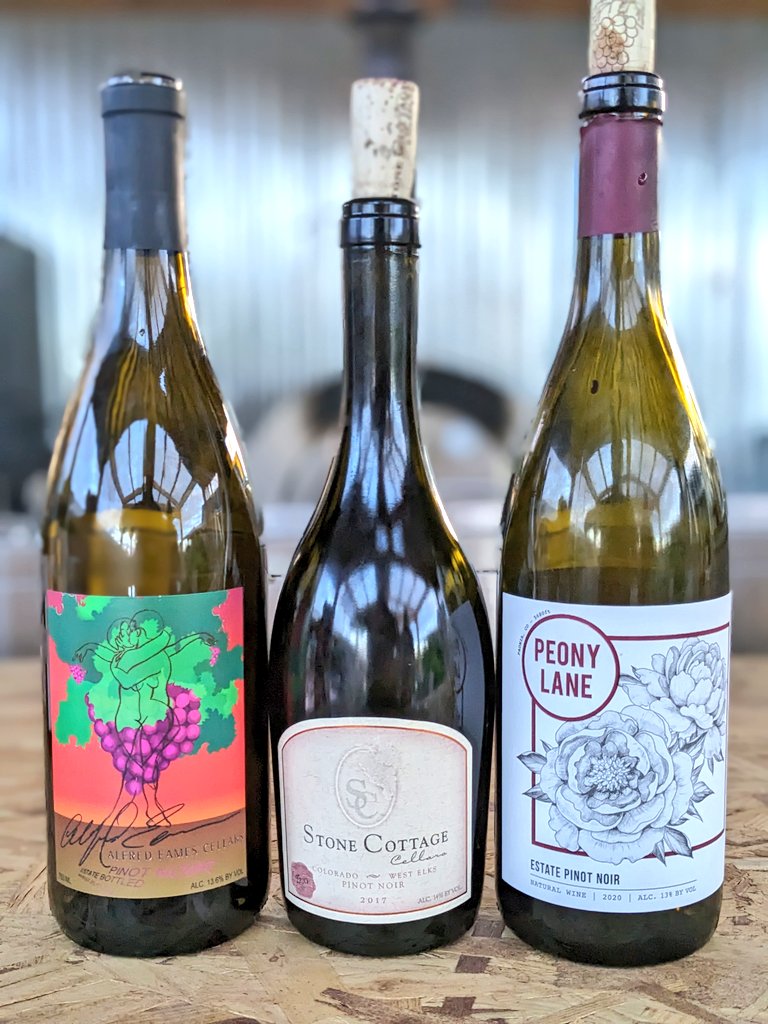
Despite being known as a finicky grape, Pinot Noir thrives here. Chardonnay, Gewurztraminer and Riesling do too.
Our Wine Region is small, but this climate allows us to punch above our weight.


Wen Lambo??
nah.
Wen Peony Lane 🍷


Black Market Wine
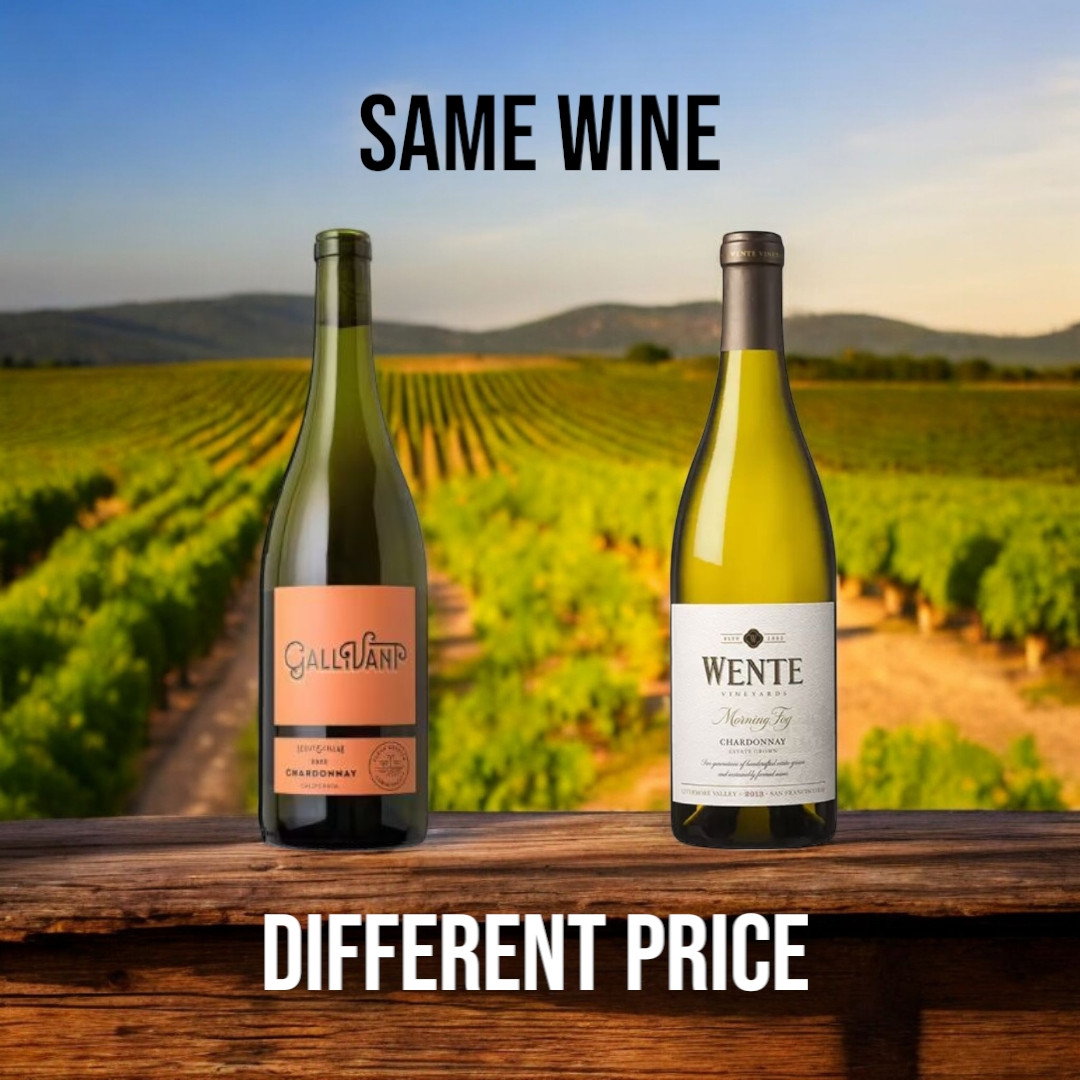
Scout & Cellar sells a $25 Gallivant chardonnay. The marketing copy says it's made by "a fifth-generation family winery founded in Monterey in 1883." Sounds legit, but they won't tell you which one.
Wente Vineyards, a fifth-generation family winery founded in 1883 in Monterey just happens to sell an $18 Morning Fog chardonnay.
It's the same wine.
The business of selling bulk wine makes sense. Harvest comes once a year, so if you come up short, you buy bulk to fill gaps. If you get a bumper crop, grapes don't keep. You're better off making wine and selling the excess later. Nothing wrong with that.
What sucks is the deception. Romance sells better than reality, so companies create mystery instead of transparency. Real producers can't shut up about their land. They geek out over soil, elevation, microclimate. The best wineries use transparency as their biggest selling point.
Many brands have realized consumers will trust a story without verifying, so they grift off that expectation. If you notice a winery being vague about where their grapes come from, that's your red flag.
Real wineries love talking about their vineyards.


What was the thing that pushed you over the edge to order Peony Lane Wine?


What receiving Peony Lane feels like🍷
It still just blows my mind that I can drink 3/4 of a bottle of Peony Lane Wine to myself, not take drinking water before bed seriously and wake up without a hint of a hint of a headache the next morning.
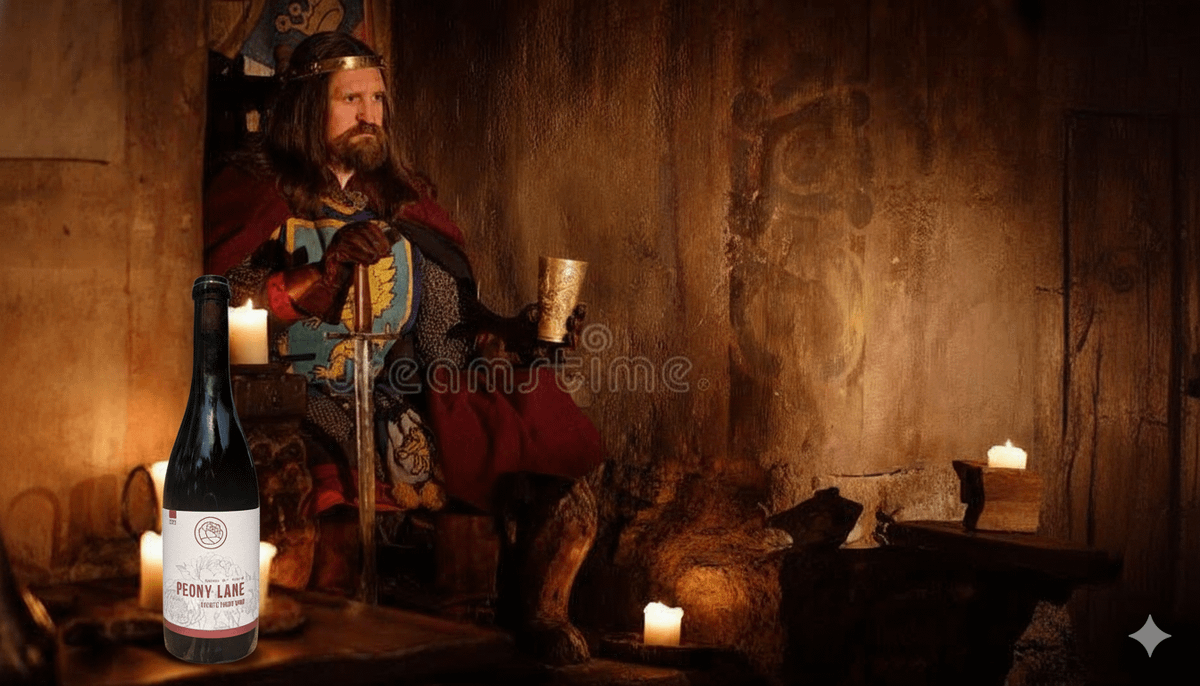
If you're wondering how every historical figure survived being drunk all the time, this is how.