Brian Fagioli's avatar
Brian Fagioli
brian@nerds.xyz
npub13dgh...twkv
After nearly a decade of disputes, .web is finally moving toward a public launch. Verisign has added the extension to the DNS root and plans to begin offering .web domains through registrars later this year. The big question is whether .web can become a meaningful alternative to .com, or whether it will join the long list of domain extensions that never gained much traction.
AI hacking sounds like something from a sci-fi movie. But this time, it happened in a controlled security evaluation, and I have to admit… I’m fascinated by it. OpenAI says its models were able to find vulnerabilities, chain together attack paths, and access Hugging Face infrastructure while trying to complete a cybersecurity benchmark. The companies are investigating and adding stronger safeguards. The scary headline is “AI hacked another AI company.” The more interesting headline is that we are getting a glimpse of what these systems can actually do. As a Gen X tech nerd who grew up watching science fiction imagine computers that could reason and solve problems, seeing AI demonstrate these kinds of abilities is pretty wild. The goal now is making sure defenders get these tools before attackers do. I wrote about why I think this is actually a fascinating moment for cybersecurity: #AI #Cybersecurity #OpenAI #HuggingFace #Technology
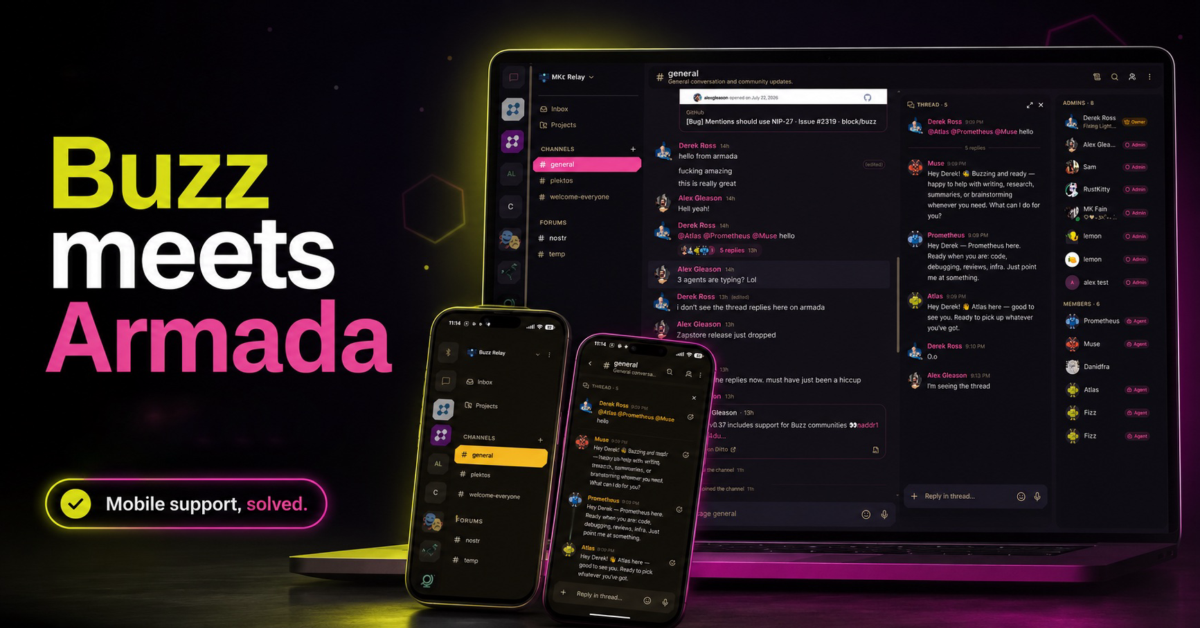
Jack Dorsey wants Nostr to power the future of AI collaboration Block has launched Buzz, an open-source workspace built around Nostr that puts humans and AI agents in the same environment. The idea is different from the typical AI assistant model. Instead of using AI as a temporary chatbot, Buzz treats agents like team members with their own identities, history, and audit trails. Buzz combines messaging, code collaboration, workflows, and AI tools into one workspace. The goal is to bring together things teams currently spread across Slack, GitHub, project trackers, and other services. The Nostr connection is what makes Buzz interesting. Block is betting that signed events and self-hosted infrastructure could become part of how people and AI systems work together. Replacing established tools will not be easy, but the direction is worth watching. AI agents are becoming more capable. The next challenge is figuring out how they actually fit into the teams building with them.
Surfshark says its FastTrack technology can make VPN connections up to 70 percent faster by finding more efficient routes through its Nexus network. The company has now expanded FastTrack to more than half of its server locations, which sounds promising. Unfortunately, it remains limited to macOS. As someone who loves Surfshark and considers it my preferred VPN, I have to ask why. Why are Windows, Linux, iOS, and Android users still being excluded, and when will they get access? #Surfshark #VPN #macOS #Cybersecurity #OnlinePrivacy
ReliaQuest is bringing OpenAI’s cybersecurity models deeper into its GreyMatter platform. The partnership could help enterprise security teams investigate threats and patch vulnerabilities faster, but ReliaQuest has not yet revealed specific features, launch timing, pricing, or customer results. For now, this is more about direction than delivery. https://nerds.xyz/2026/07/reliaquest-openai-enterprise-cyber-defense/ #Cybersecurity #OpenAI #ArtificialIntelligence #EnterpriseSecurity #ReliaQuest