Peter du Toit's avatar
Peter du Toit
peterdutoit@peterdutoit.com
npub144ed...urkq
I speak about climate futures, mitigation and adaptation in the face of the climate crisis. 🇿🇦
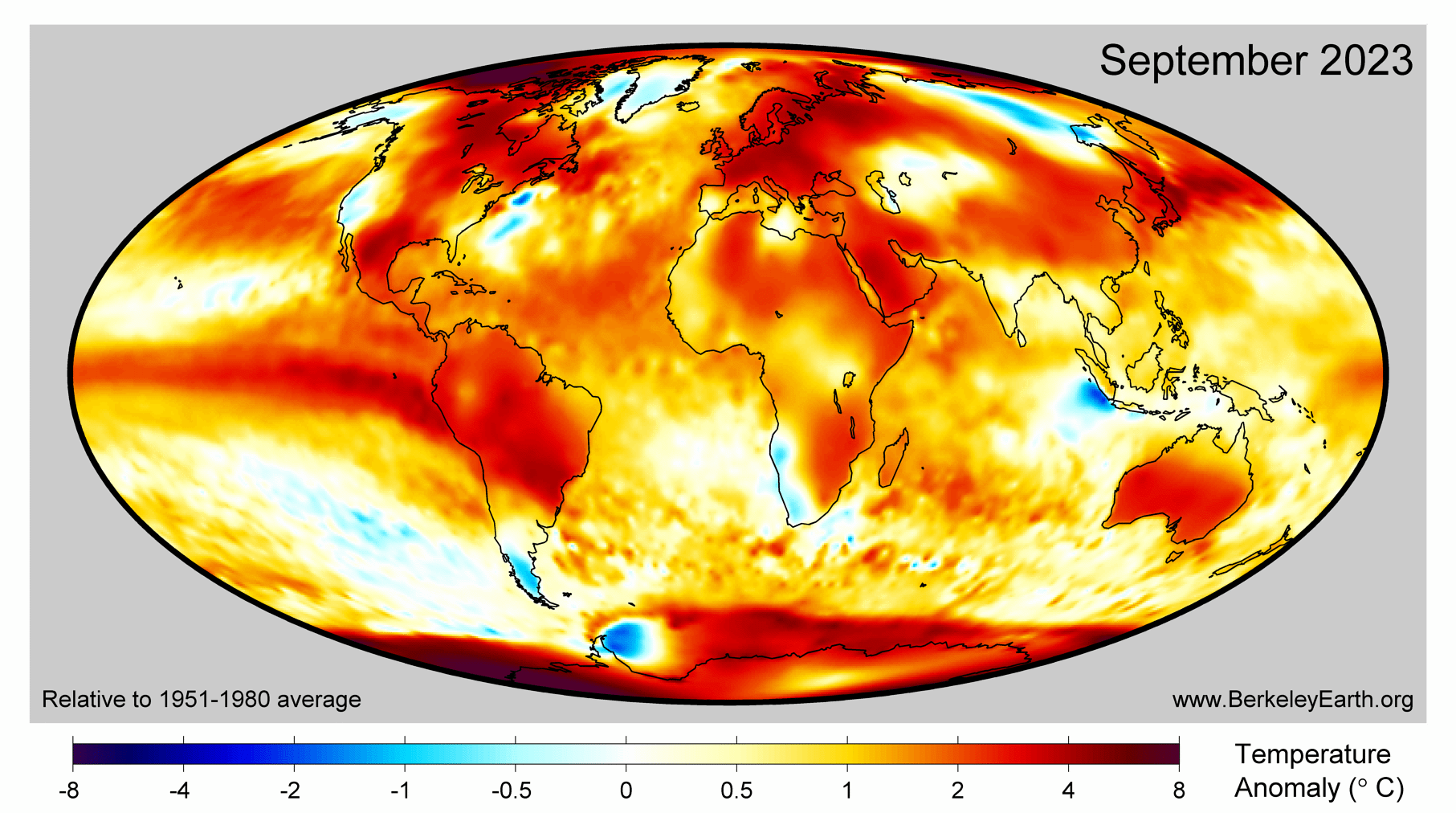
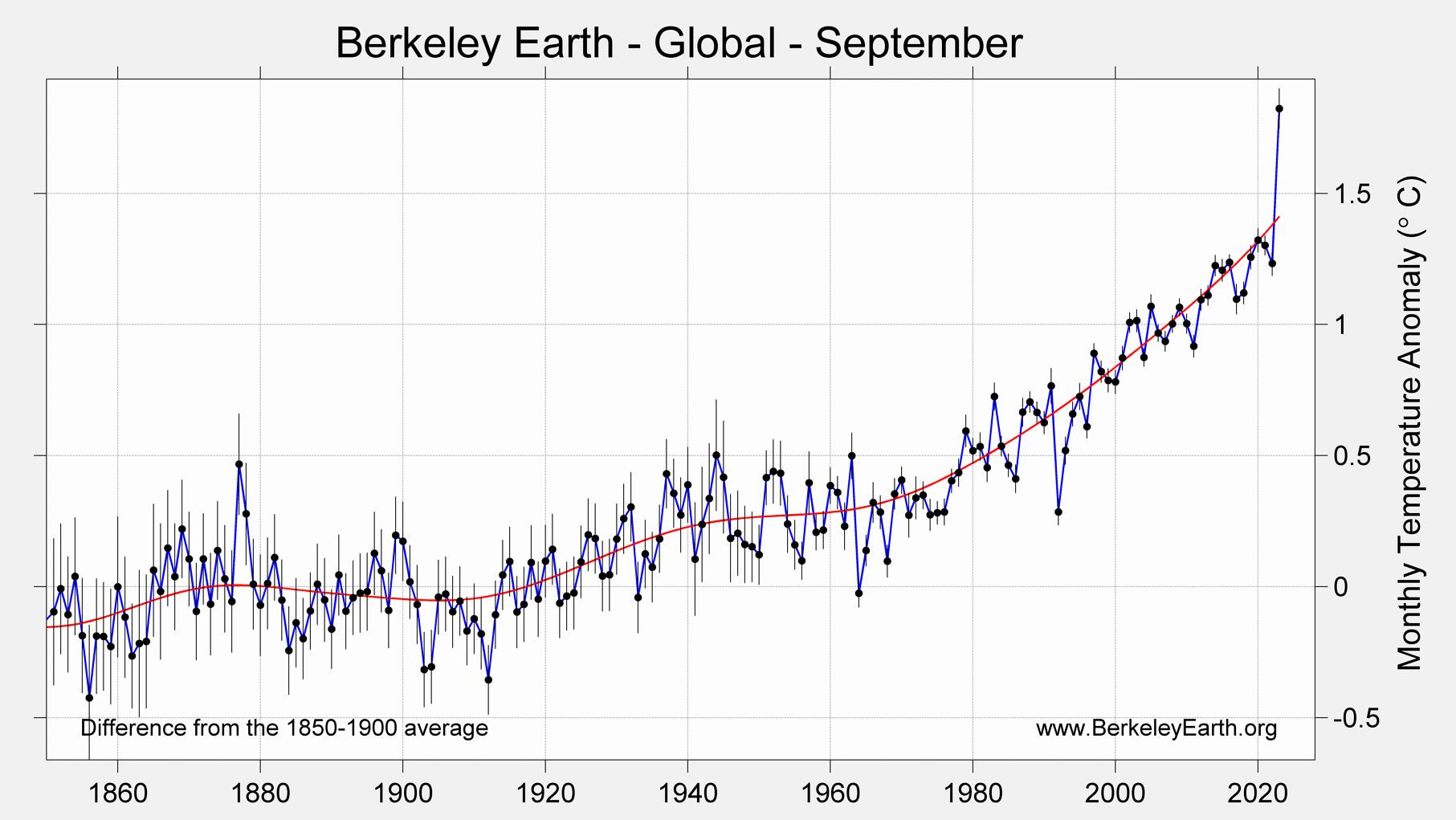
Berkely Earth: “The global mean temperature in September 2023 was 1.82 ± 0.09 °C (3.28 ± 0.17 °F) above the 1850 to 1900 average, a new record for the highest temperature excess of any month.” 2023 months above +1.5°C: March +1.52°C July +1.52°C August +1.68°C September +1.82°C #ClimateLiteracy #ClimateCrisis image
We are stepping into a brand new world. European Centre for Medium-Range Weather Forecasts (ECMWF): “[September] as a whole was around 1.75°C warmer than an estimate of the September average for 1850-1900, the designated pre-industrial reference period.” “For January to September, the global mean temperature for 2023 is 1.40°C higher than the 1850-1900.” #ClimateCrisis #ClimateLiteracy
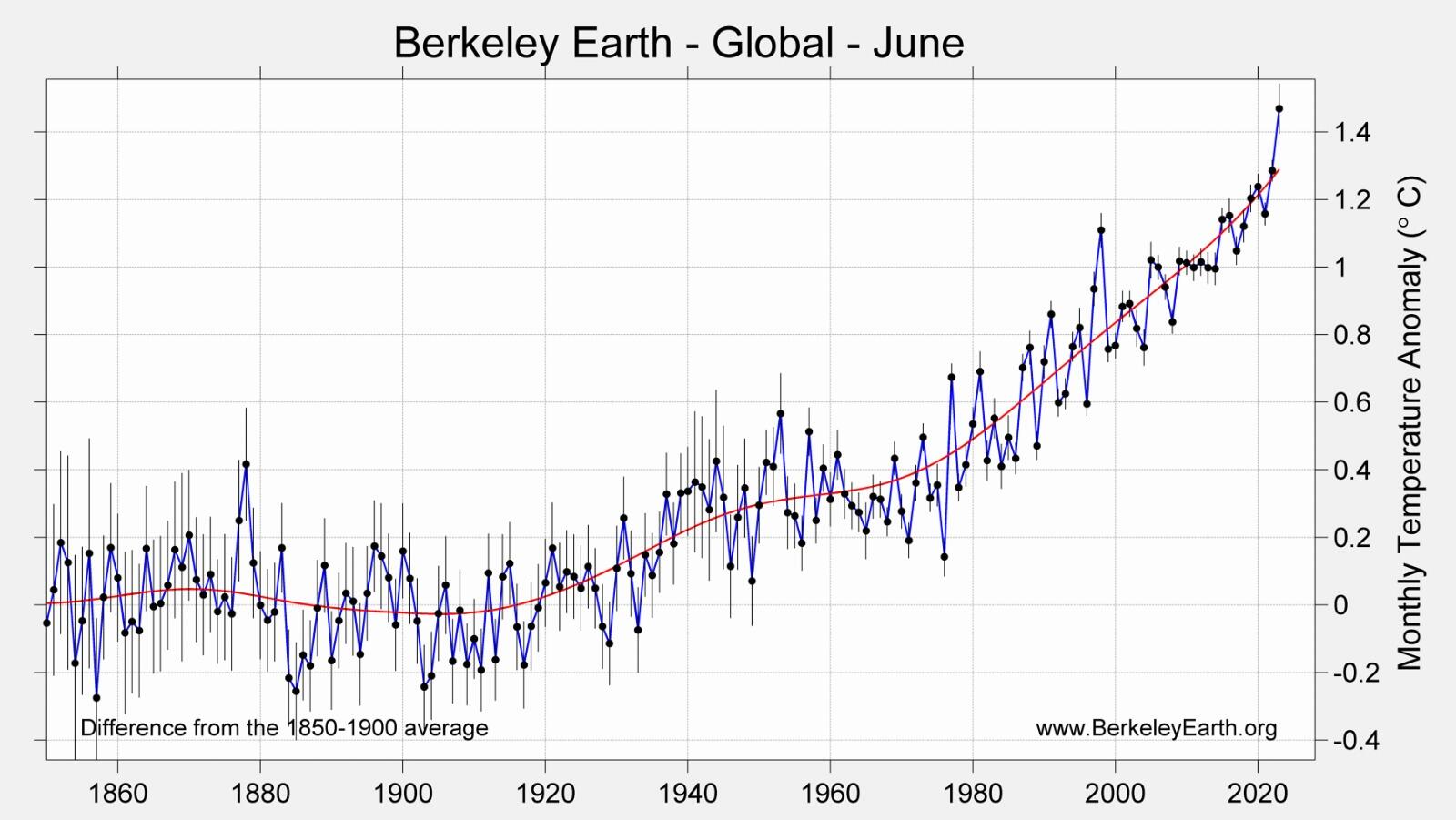
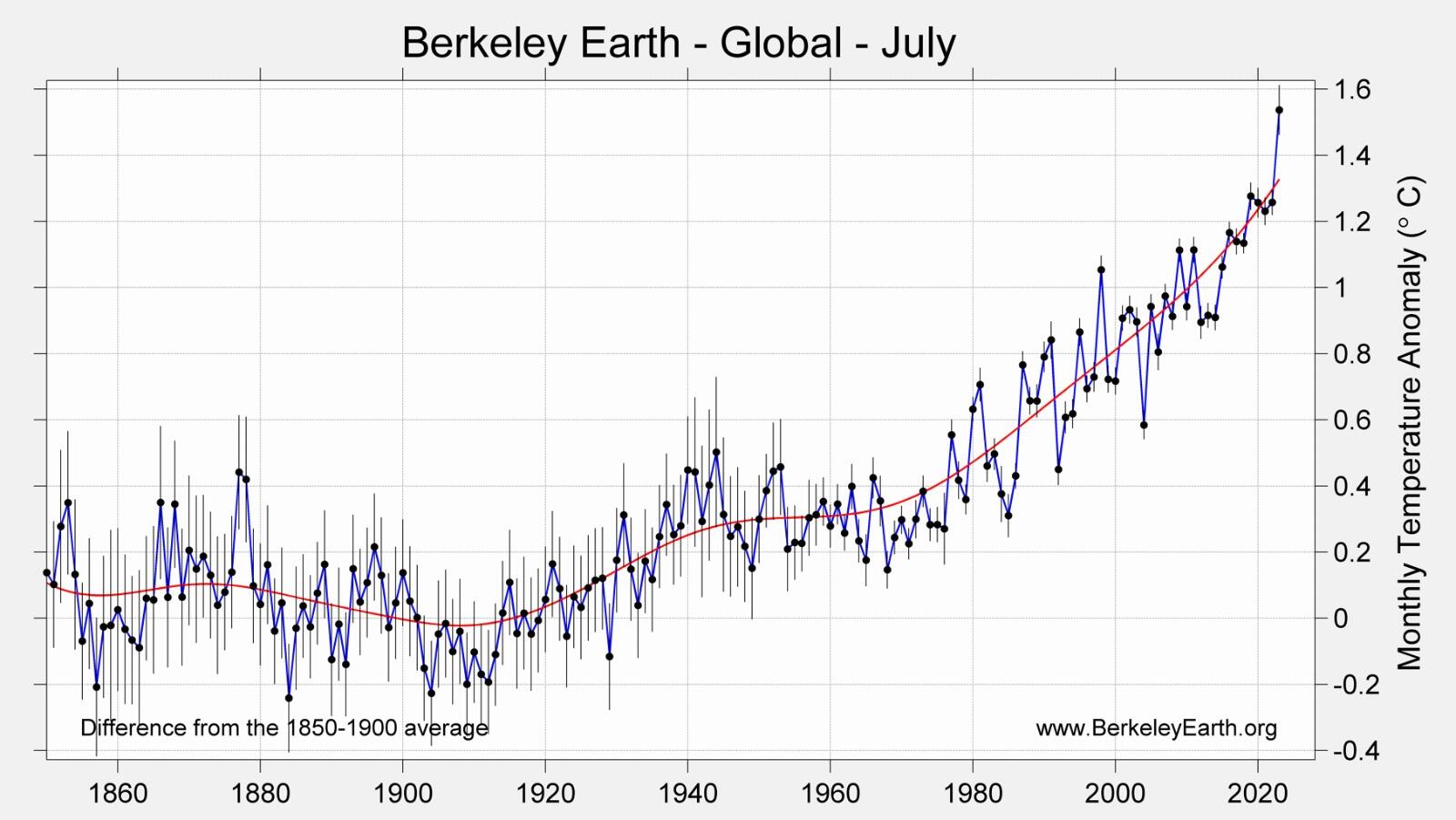
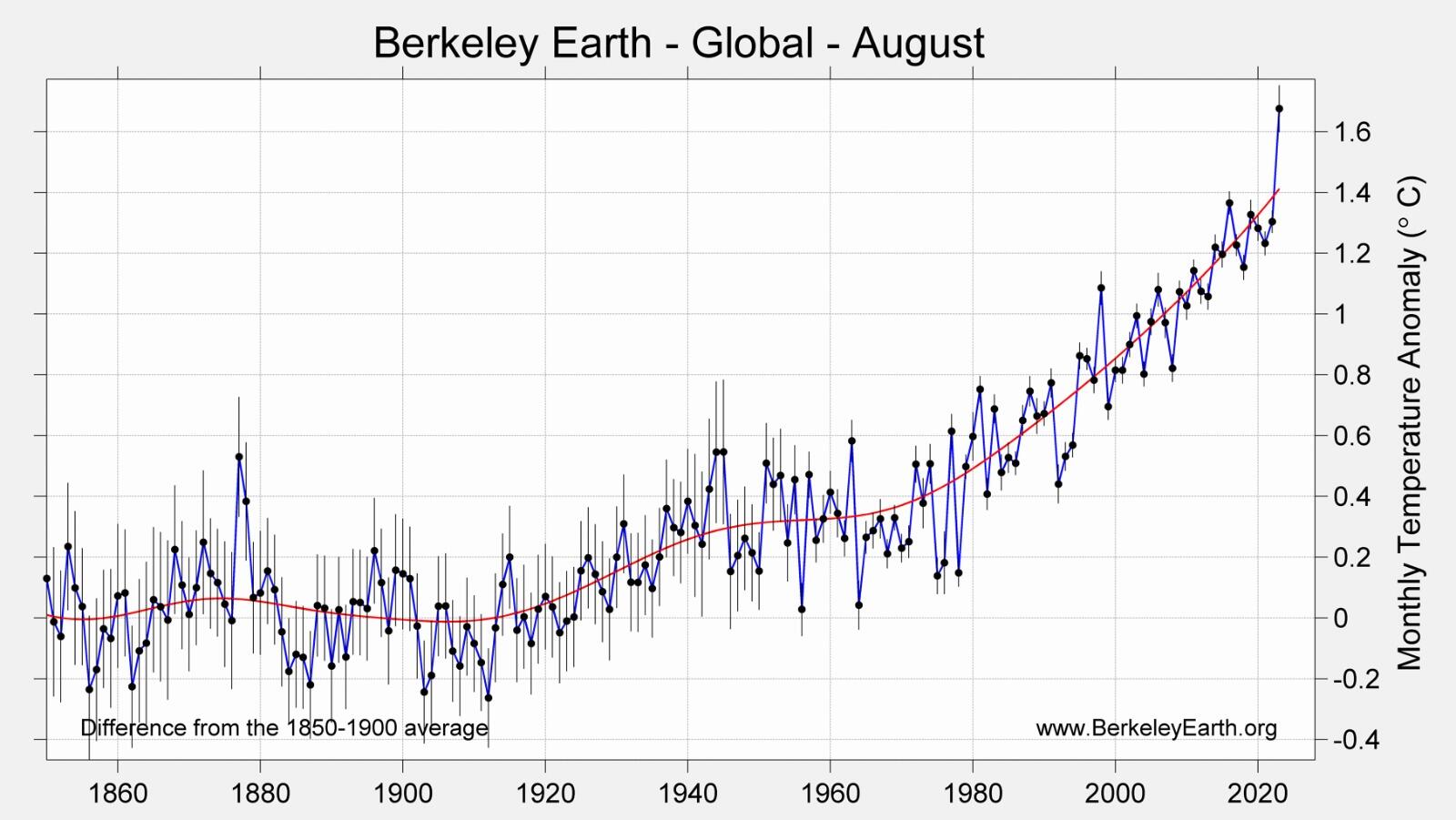
Data just released by the team at Berkley Earth for August shows that the global mean temperature for the months of June to August above the 1850 to 1900 average looked like this: June +1.47ºC July +1.54ºC August +1.68ºC Source: berkeleyearth.org/whats-new/ #ClimateLiteracy #ClimateCrisis #GlobalHeating 2023 is now almost certain to be the warmest year in the instrumental period.
Wet Bulb Temperature risks 2023-2050: “Even heat-adapted people cannot carry out normal outdoor activities past a wet-bulb temperature of 32°C (90°F), equivalent to a heat index of 55;°C (131°F). A reading of 35°C (95°F) – equivalent to a heat index of 71°C (160°F) – is considered the theoretical human survivability limit for up to six hours of exposure.” Pictured: locations on earth that are at increased risk of reaching these thresholds for a number of days annually in next 27 years Quote source: Graphic source: https://www.ipcc.ch/report/ar6/syr/downloads/report/IPCC_AR6_SYR_FullVolume.pdf #ClimateLiteracy #WetBulbTemperatures #ClimateCrisis image
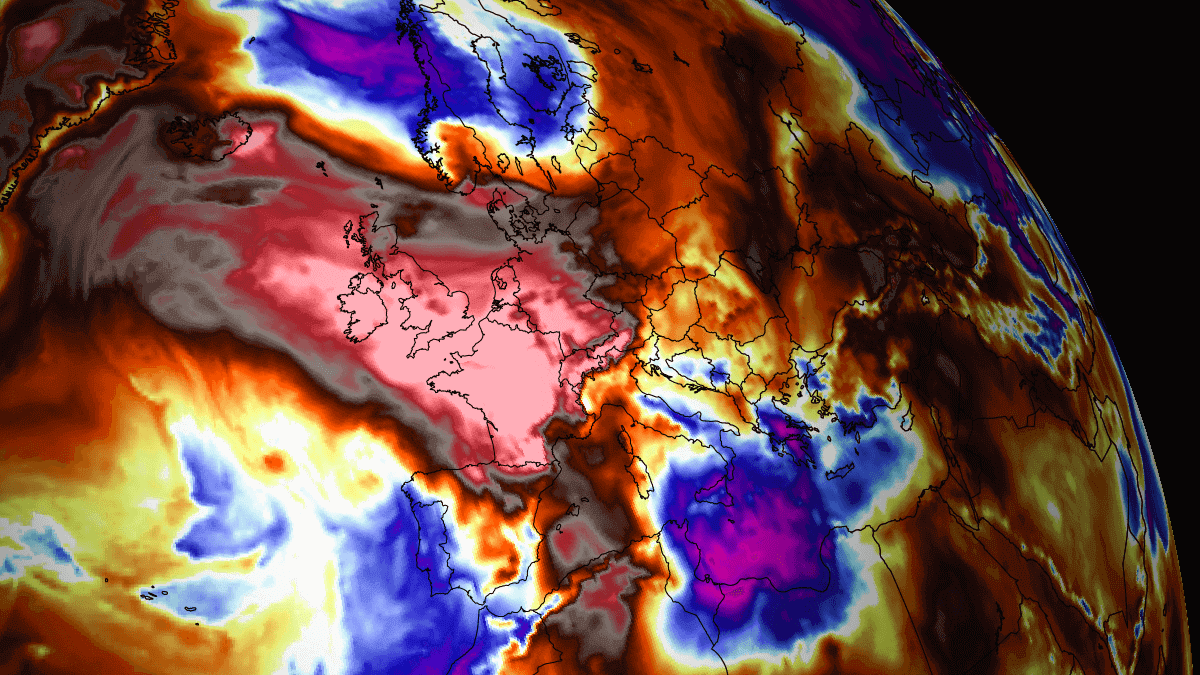
#ClimateLiteracy Take a look at these two images. The first is from NASA and when sharing it they state “July 2023 was the hottest month globally since modern recordkeeping began in 1880, measuring at 1.18°C (2.12°F) above NASA - National Aeronautics and Space Administration’s 1951-1980 baseline average.“ we The second image is from ECMWF and in its release they state “The month (July) is estimated to have been around 1.5°C warmer than the average for 1850-1900.” Who’s right is it +1.18°C of warming or +1.5°C We They are both right. The difference is NASA is using 1950-1980 as the baseline and ECMWF is using 1850-1900 as their baseline. In the work we do (see my cover image) we use the ECMWF baseline of 1850-1900. Using that baseline, 2023 so far, has warmed +1.28°C We are expected to cross the +1.5°C of warming by about 2030 and +2°C by 2050, the impacts of which are now coming clearer into view.
Current warming above the preindustrial average: +1.28°C June 2023: +1.4°C July 2023: +1.54°C We are on track to reach +1.5°C of warming by about 2030 and +2°C by about 2050. What will the heat domes look like then? #Heatwave #HeatDome #ClimateLiteracy #ClimateCrisis
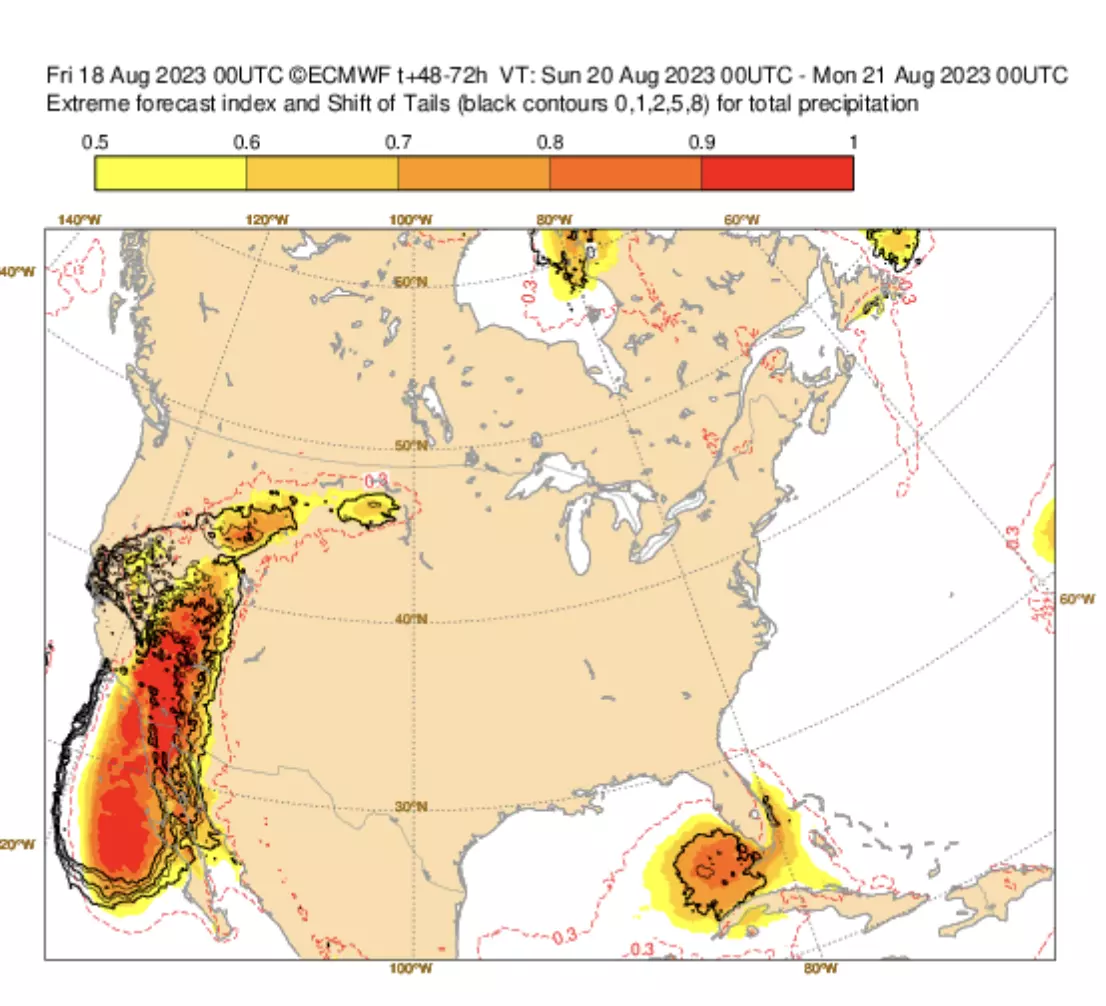
US Heat Index forecast for Wednesday Aug 23, 2023 Risks explained: 27-32°C (80-90°F) Caution: fatigue is possible with prolonged exposure and activity. Continuing activity could result in heat cramps. 32-41°C (90-105°F) Extreme caution: heat cramps and heat exhaustion are possible. Continuing activity could result in heat stroke. 41-54°C (105-130°F) Danger: heat cramps and heat exhaustion are likely; heat stroke is probable with continued activity. Over 54°C (Over 130°F) Extreme danger: heat stroke is imminent. Forecast source: Heat Index explained: Stay safe. #Heatwave #ClimateCrisis image
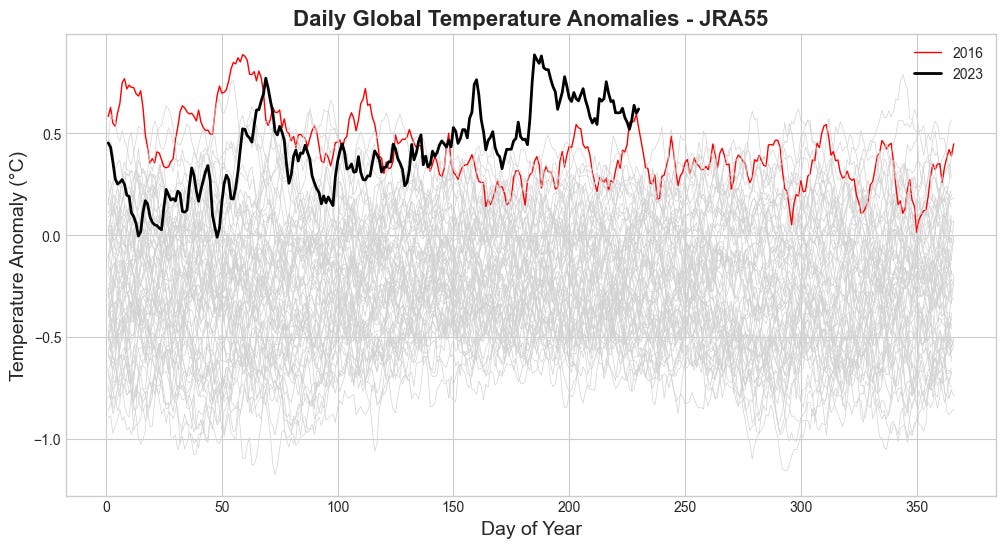
With June and July having been the hottest months ever recorded, and now August likely to follow, 2023 looks set to become the hottest year on record. For analysis see So far (Aug 2023) we are at +1.28°C of warming above the preindustrial average. You can see the Oxford University real-time tracker here
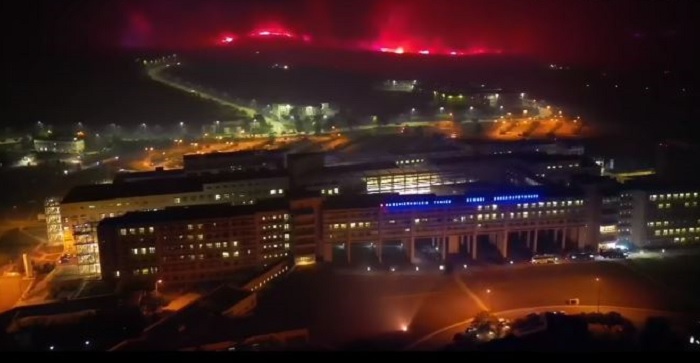
This is a fire currently burning out of control in Alexandroupolis, Greece. They are currently evacuating everyone in its path, including the hospital. As mentioned a few days ago, https://mastodon.green/@peterdutoit/110920113513702018 climate refugees will not necessarily be from far away places but from local communities, sometimes from the next town or village. The displacement and movement of people is set to increase dramatically with each 0.1°C of warming. We are currently heating at about 1.22 W/m2. http://www.columbia.edu/~jeh1/mailings/2023/UhOh.14August2023.pdf The month of June was the hottest ever recorded - above +1.4°C above the preindustrial average So was July at 1.54°C and August is set to break its record too. If we cannot find a way to slam the brakes on our current emission trajectory there is a lot of disruption, pain and misery in our collective futures. #ClimateCrisis #ClimateRefugees
#EarlyWarning In the next 27 years, on our current trajectory, everyone and everything alive on earth will first experience a world at an average global temperature of 15.3°C (+1.5°C above preindustrial average of 13.8°C) and then a world at 15.8°C (+2°C above preindustrial) Both these states will unlock climate chaos only seen in movies. Forget about 2100. The clear and present danger is NOW for billions of people, animals and plants. What we do TODAY about turning off the emissions tap that is pouring GHG’s into the atmosphere is going to determine if we can buy sufficient time to adapt or not. #ClimateCrisis image
Pay attention. Heatwaves in winter are absolutely not normal. Instrument readings: CO2 atmospheric concentration 423.68 ppm CH4 atmospheric concentration 1920.74 ppb 15.08°C average global temperature (+1.28°C above preindustrial average of 13.8°C) +21°C Ocean temperature (60S-60N) Pictured 2m temperature anomaly across South America Aug 3 to Aug 6, 2023. image
Whether you use the HadCRUT5 or ERA5 data sets one thing is crystal clear we are very close to making 15.3°C (that is +1.5°C above the preindustrial average of 13.8°C) the new global average temperature. There are horrors that await this shift. Speaking of impacts at the current 15.03°C (+1.28°C above preindustrial) Prof Bob Watson said, referring to impacts at the poles: “I am very concerned. None of the observed changes so far (with a 1.2C temperature rise) are surprising. But they are more severe than we predicted 20 years ago, and more severe than the predictions of five years ago. We probably underestimated the consequences.” With each incremental increase we move more and more of life on earth beyond adaptation limits. We are in an emergency. #ClimateCrisis #ClimateLiteracy