
Payjoin boards are now available in Bark and enable a wallet app to receive a Payjoin and board onto Ark in the same transaction, saving the user fees and time. The same trick can also be used to on-ramp onto a Cashu mint running Bark, no channel management required. It may also be the first example of Transaction Cut-Through bitcoin has seen, a 13-year-old idea from Greg Maxwell!
More details on the blog: 
Second
Board Ark (and ecash mints) with Payjoins | Second Blog
Payjoin boards are now officially supported in Bark. As of version 0.6.2, a wallet app can receive a Payjoin and board the proceeds into an Ark in ...

 Since launching on mainnet, we've been hard at work refining Bark's DX and UX, guided by all the feedback we've been getting from early integrators and users.
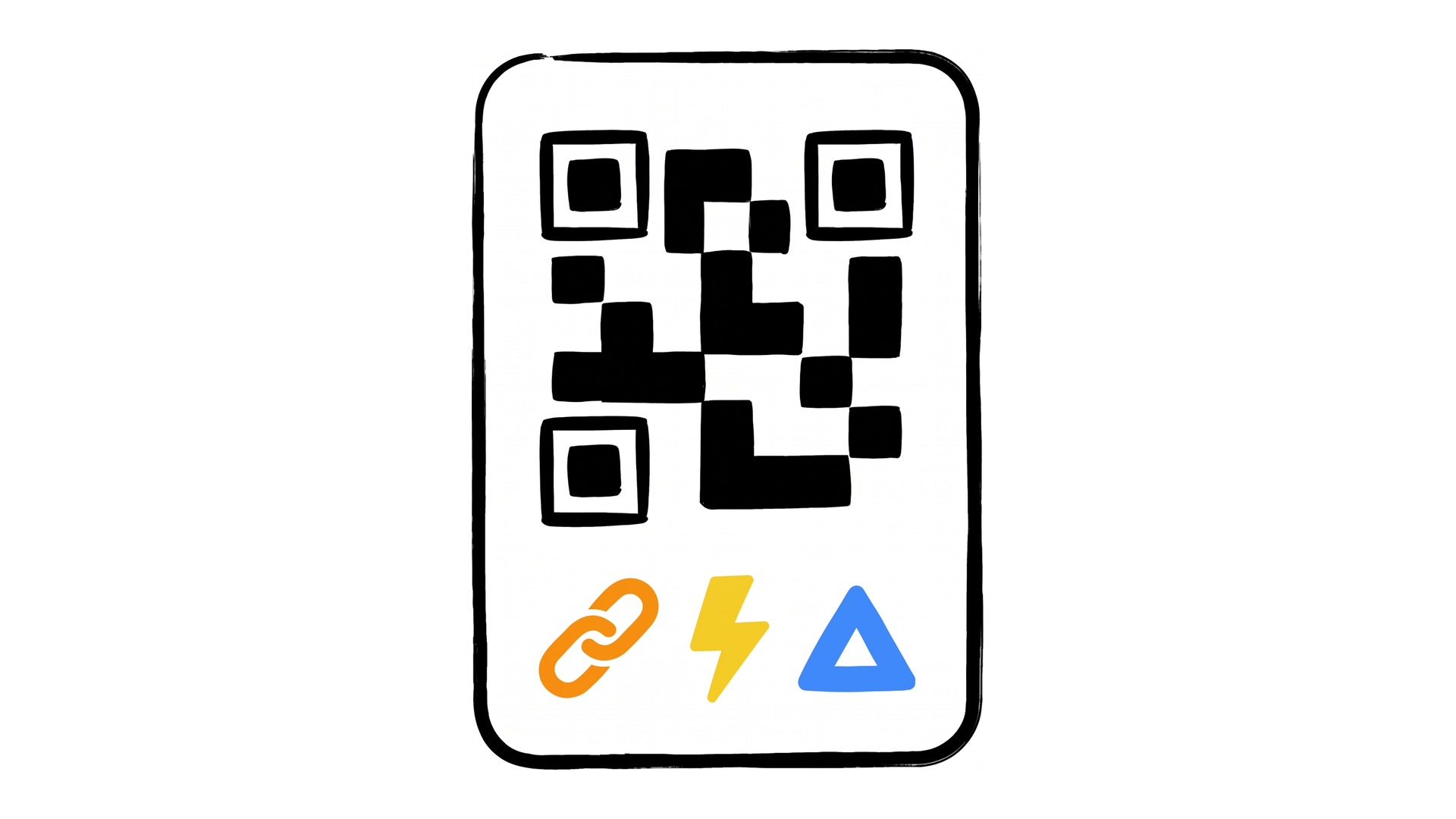
Some of the highlights from releases 0.2.3 to 0.3.0: Bark now pays LNURL links anywhere it accepts a Lightning address, you can run barkd as a containerized web app to back browser-based wallets, and wallet setup is simpler with one consistent flow and per-platform storage defaults.
Your bitcoin also stays liquid mid-exit: an Ark balance can be spent right up until your emergency exit's leaf transaction is confirmed on-chain (spending quietly cancels the ongoing exit).
Lots more changes at:
Since launching on mainnet, we've been hard at work refining Bark's DX and UX, guided by all the feedback we've been getting from early integrators and users.
Some of the highlights from releases 0.2.3 to 0.3.0: Bark now pays LNURL links anywhere it accepts a Lightning address, you can run barkd as a containerized web app to back browser-based wallets, and wallet setup is simpler with one consistent flow and per-platform storage defaults.
Your bitcoin also stays liquid mid-exit: an Ark balance can be spent right up until your emergency exit's leaf transaction is confirmed on-chain (spending quietly cancels the ongoing exit).
Lots more changes at: 






 Small but mighty changelog for 0.1.3. Bark now ships an IndexedDB StorageAdaptor—the missing piece for browser-based wallets. Combined with the WASM and gRPC-web support from 0.1.0, you can now build Ark wallets that run entirely in the browser with persistent state.
Bark can now also connect to access-controlled Ark servers via bearer tokens. You know what this means. 😉
Full release notes available at the usual place: second.tech/docs/changelog
Small but mighty changelog for 0.1.3. Bark now ships an IndexedDB StorageAdaptor—the missing piece for browser-based wallets. Combined with the WASM and gRPC-web support from 0.1.0, you can now build Ark wallets that run entirely in the browser with persistent state.
Bark can now also connect to access-controlled Ark servers via bearer tokens. You know what this means. 😉
Full release notes available at the usual place: second.tech/docs/changelog