Nao so no Bostil reavaliam o valor dos imoveis pra taxar. Lá tambem precos subiram e cairam.
me pergunto, essas ideias vem do WEF, ou ha uma conferencia mundial sobre como esfolar trouxas?
por sinal: precos na escritura, mesmo corrigidos pela inflacao, hj nao valem nada, por isso os governos se preocupam com isso. Isso mostra o quanto os numeros magicos de inflacao sao irreais.
https://pbs.twimg.com/media/HRKuWl_WMAA48Ek?format=png&name=small

LuisSP
npub1c9q3...knvv
já fui professor por aí....
Ja vi coordenador aconselhar prof a verificar o estepe e estacionar mais longe, depois de bombar (e jubilar) uns alunos "dificeis"
Sempre aconselham todos a deixar a porta aberta ao receber alunos, especialmente muié (se forem vistas e ouvidas chorando do corredor, azar delas. pelo menos nao inventaram algum assedio nesse caso)
Comites de "Igualdade" avisam pra nao facilitar pra muie, eh machismo. E se nao facilitar, eh acusado de assedio...
View quoted note →
Prof UF absolvido de assedio, alunas admitiram ter mentido. Foi exoneraoo 6 meses atras. Pagou advogado. Mal visto. E agora?
Cada vez mais entendo os profs que otimizam no minimo esforco. Escolha o livro texto mais chule (em portugues, obvio), chegue atrasado, saia mais cedo, nao invente nada alem do livro, prova de marcar x, questoes direto dos slides que baixou do autor/editora ou gerou por AI, passe todo mundo.
Nao da trabalho, ninguem reclama, sem risco.
Mais tempo pra pos, pesquisa ==> + papers = promocao, status, projetos, big $$$.
Ou pra trabalho admin ==> gratificacoes temporarias ou permanentes no salario.
pra que esforco que so traz risco e nenhum beneficio alem de satisfacao pessoal?

Maurílio Júnior - Jornalismo como ele deve ser
Justiça absolve professor demitido da UFCG em processos por assédio sexual e moral - Maurílio Júnior
A juíza Flávia de Souza Baptista absolveu, em sentença prolatada em agosto, o diácono católico e professor Antônio Lisboa Leitão de Souza em...
Livros, colegial USA, 1978.
 https://pbs.twimg.com/media/HQgVtZ-WQAEwb_g?format=jpg&name=small
@CultureExploreX
We grew up reading Robinson Crusoe, laughing at the absurdity of Don Quixote, and becoming absorbed in The Count of Monte Cristo. We met Dickens, Shakespeare, Homer, Orwell, Steinbeck, and Hemingway before most of us were old enough to vote.
And the point was never that every teenager fully understood them.
We struggled with some.
We misunderstood others.
We found parts boring.
But the books gave us something difficult to wrestle with.
They expanded our vocabulary, introduced us to moral questions larger than our immediate lives, and placed us inside civilizations and historical periods we knew little about.
This was hardly unusual.
We expected as teenagers to encounter difficult books because difficulty was part of the education.
What happens to a civilization when it stops expecting its young people to read the books that helped build it?
https://pbs.twimg.com/media/HQgVtZ-WQAEwb_g?format=jpg&name=small
@CultureExploreX
We grew up reading Robinson Crusoe, laughing at the absurdity of Don Quixote, and becoming absorbed in The Count of Monte Cristo. We met Dickens, Shakespeare, Homer, Orwell, Steinbeck, and Hemingway before most of us were old enough to vote.
And the point was never that every teenager fully understood them.
We struggled with some.
We misunderstood others.
We found parts boring.
But the books gave us something difficult to wrestle with.
They expanded our vocabulary, introduced us to moral questions larger than our immediate lives, and placed us inside civilizations and historical periods we knew little about.
This was hardly unusual.
We expected as teenagers to encounter difficult books because difficulty was part of the education.
What happens to a civilization when it stops expecting its young people to read the books that helped build it?
X (formerly Twitter)
Jeremy Wayne Tate (@JeremyTate41) on X
Random public high school required reading list from 1978
pulica turca iluminando bebado com drone. No worries, no bostil usarao apenas pra cacar traficante e assassino.

X (formerly Twitter)
Mario Nawfal (@MarioNawfal) on X
🇹🇷 Police in Turkey have started using drones to enforce the law
This one in Istanbul is warning people:
"This is a police drone. Drinking ...
PMSJC
CSI
CSI
headcanon sobre falências e RJs recentes:
- Se analisaram o plano de recuperação, perceberam que uma RJ será pior para todos. Renegociamos, todos ganhamos.
- Credor: Há mérito. Cortes, desenvestimento. Ótima campanha de marketing. Já há resultados. Mas, o impacto da reforma tributaria nao foi subestimado?
- As aliquotas não foram definidas, procuramos uma estimativa realista...
- Credor: Dependem demais de capital de giro, e o split payment? O IPTU dos imóveis de 1970 com o cadastro único? Impostos no aluguel e gasolina mais cara, não contabilizaram? Uma contingência considerando o fim da 6x1?
- Seria colocar o carro na frente dos bois...
- Credor: sinto muito, preferimos uma RJ. Boa sorte.
ja mais rapidos q humanos. nao esperava q acontecesse tao rapido, mesmo supondo que esses devem ser otimizados pra correr e talvez nao facam muitas outras coisas bem.
poucos anos atras estavam ralando pra conseguir coisas bem mais simples.
View quoted note →
robotaxis sao cameras de vigilancia. Nao pensei por esse angulo.
Empresas precisam guardar imagens pra se proteger contra processos por acidentes, para identificar vandalos, e como telemetria p/ melhorar o proprio sistema.
Mais ainda, carros precisam de poder de processamento e produzem energia. Nao custa nada o Estado obrigar as empresas a reservar alguma CPU extra pra reconhecimento facial, de placas, ou gait, e assim o Estado acha carros e individuos na cidade inteira, 24/7, sem precisar investir nada, tudo pago pelos usuarios.
X (formerly Twitter)
Proton (@ProtonPrivacy) on X
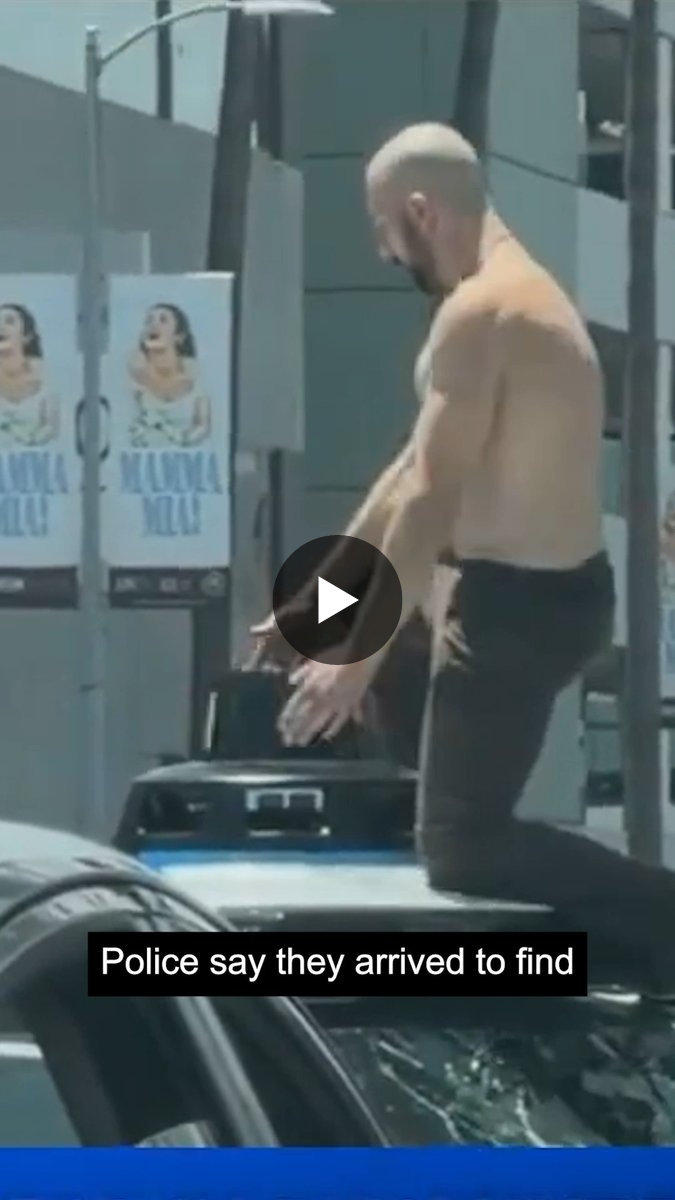
As robotaxis spread, so does a surveillance network nobody voted to install.
Chefe arrota "Novo sistema automatizado! Eficiência e Transparência!". Quem usa, se desespera, tudo engessado, burocratico, demorado. Mesmo qdo é bem feito tecnicamente. Porque?
"Eficiência e Transparência" significa cobrir o cu de todos os funças. Ninguem toma nenhuma decisão sem todas as estapas, acessos, protocolos e re-envios estarem registrados com datas e autorizações autenticadas no seugov. O sistema garante que nenhuma regra deixou de ser cumprida, sempre "imparcial e impessoal". Alias, não ha nenhuma decisão, humanos apenas verificam se as regras documentais foram cumpridas. Nenhum funça sera processado, nem assume nenhuma responsa, nem esquenta a cabeça com nenhuma decisão ou exceção. O sistema diz sim, ok, se diz não, reclame com o chefe, "não posso fazer nada".
A lei requer que o chefe autorize, depois o RH valide e o financeiro aprove esse requerimento? Pois, o sistema ja sabe quem é o seu chefe, ao protocolar já aparece no inbox dele. Depois vai pro RH, pro financeiro, etc. Como são obrigados a atender em ordem cronologica, basta seguirem o inbox.
O sistema nem permite enviar o requerimento pra outro. Ou quando permite, acerte, caso contrário, três meses depois o receberá de volta com um 'sinto muito, não é comigo'.
Faltou clicar um checkbox em um documento e devolveram seu requerimento todo (obvio, via sistema) dois meses depois ? Otimo. Ao resubmeter, volta pro fim do inbox deles. Um departamento está com pouco pessoal, férias, doença, grávida? Azar seu, um mês a mais.
Tem deadline? "Não posso fazer nada! Hoje é dia do funça, vou pra casa. Devia ter protocolado com antecedência."
A agencia que autoriza e a que paga, ambas requerem antecedencia absurda e documentos da outra, em deadlock? "Do nosso lado, a lei exige assim. Veja com eles se abrem uma exceção."
Quer ajuda pra acelerar? "Hum, parece correto, mas assim no papel é dificil dizer. Estou muito ocupada. Protocole e examinaremos."
Tolkien contra automação, carta explica o critério.
By the [Machine] I intend all use of external plans or devices (apparatus) instead of development of the inherent inner powers or talents — or even the use of these talents with the corrupted motive of dominating: bulldozing the real world, or coercing other wills.
—J.R.R. Tolkien, Letter 131
Tolkien’s concern, then, is when technology is a substitute for inner growth. Thus, a good way to judge your own technology use is to ask: has using it in some way diminished your inherent capability or agency?
Has LLM use diminished your capacity to compose an essay, or think up original ideas? Has your GPS worn down your sense of direction? Is it helping you grow, or is it offering to grow for you?
Outro ponto, é retirar a agência e responsabilidade. Funças reduzidos à digitadores, incapazes de te atender se "o sistema está fora", cuja sentença 'aprovado' ou 'negado' apenas reflete uma caixinha verde ou vermelha na tela.
Não há plano B, ninguem assume a responsa, não há registro fora do sistema, ou atendimento sem registro, na confiança ou decisão individual embasada em documentos. Tanto que empurram o cliente a fazer upload e preencher tudo ele mesmo em casa, "pra acelerar".
Simplesmente sente e espere o sistema voltar. Ou volte outro dia.
Certamente GPS matou meu senso de direção, corretor ortográfico, minha ortografia, e auto-correção a capacidade anterior de gerar uma frase correta na mente, de primeira.

Tolkien's Warning About Technology
An appeal against automation
pros inimigos, a lei, cada vez mais complexa. Varias candidaturas evaporarao do dia pra noite por qq besteira.
mesmo vc, pessoa fisica, pense antes de falar qq coisa em rede aberta, vai que te pegam como exemplo...
aplicar as leis usuais de calunia com celeridade nao resolveria tudo?
https://x.com/emergrigollette/status/2090202963176243483
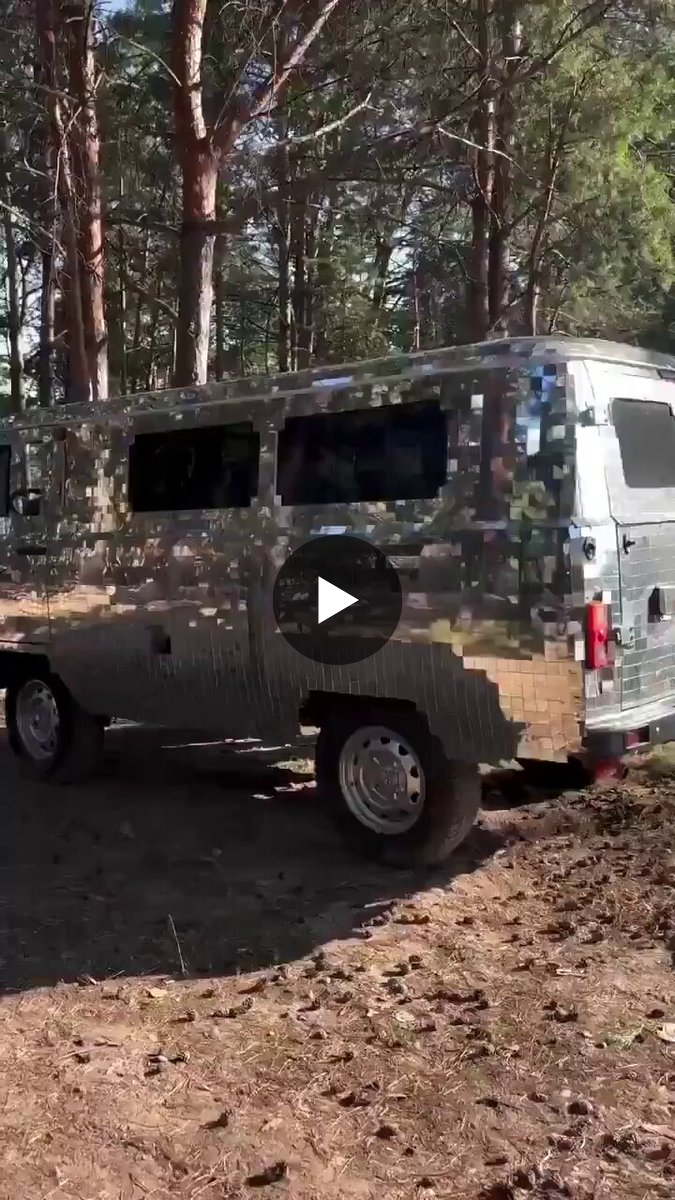
Duas proteçoes veiculares anti-vigilancia. Ambas me parecem razoaveis.
A colorida, deve gerar padroes estatisticos que confundem os algoritmos, mas visa apenas impedir leitura da placa.
O espelhado, visa impedir deteccao e rastreamento do veiculo por drone, o que eh mais dificil. A imagem espelhada deve variar muito com o movimento, angulo, e diferentes fundos. Alem disso, eh meio borrada, outros padroes estatisticos, e distorce a forma. Bem possivel que funcione.
andaria com um carro assim pra nao pagar multa?

X (formerly Twitter)
Gigi B (@GBallarani) on X
🎭 pattern adversarial = il motivo grafico anti-AI creato dal progetto noRecognition, pensato per far “fallire” i sistemi di rilevamento auto...
X (formerly Twitter)
Visegrád 24 (@visegrad24) on X
Russian soldiers have started using new methods in their attempts to camouflage their vehicles against Ukrainian FPV and mid-range drones using AI-...
Univ publicas da CA abandonaram os testes padronizados SAT de logica e matematica para selecao apenas subjetiva:
antes, 11% dos bixos com 'severe defict', depois 33%. A nota mais comum na 1a prova de calculo é zero. Quem poderia imaginar?
nosso vestibular eh limitado, mas ainda relativamente objetivo.
SAT eh mais fazer coisas simples rapido do que um vestibular de alto nivel. Mas ambos sao melhores que nada.
isso foi moda na epoca da fraudemia, mas a maioria reverteu. CA eh onde teimam na estupidez. Se nao partissem de um dos estados mais ricos do mundo, ja seriam Mexico do Norte.
 https://assets.sfstandard.com/image/994911177489/image_fijctsdq2957141m8v11crjg4m/-S640x252-FWEBP
The San Francisco Standard
Opinion: I teach calculus at Berkeley. Some of my students can’t do middle school math
Since the University of California abandoned the SAT and ACT, thousands of faculty say it’s admitting students who aren’t prepared for the cour...
narco? RRRRRRRRRRRRRRTTTTTTTTTTTTTTT
imposto bem gasto. pena, so na colombia.