WEEKLY BITCOIN ADOPTION — 2026-10-12 → 2026-10-18
[ONCHAIN]
weekly_active_addresses: 2,450,167 unique addresses, Mon-Fri only (Δ -62,629, -2.5% WoW vs 2,512,796); proxy, data ended Oct 16. Glassnode daily active addresses: 635.8K (+0.5% WoW)
new_addresses_this_week: unknown
estimated_active_users: unknown
onchain_tx_count: 2,384,913 for Oct 12-14 only, ~794,971/day (Δ -18,677, -0.8% WoW vs Oct 5-7); data ended Oct 14
onchain_tx_volume_btc: 434,802 BTC, Oct 12-16 only, estimated (Δ -213,134 BTC, -32.9% WoW vs 647,936 BTC)
mempool_backlog_mb: unknown weekly average. Single snapshot Oct 18: 39.1 MB, ~71,454 txs
avg_confirmation_time_min: 10.21 min average block time since the Oct 16 difficulty adjustment (WoW unknown)
median_fee_sat_vb: unknown (snapshot Oct 18: next-half-hour estimate 1 sat/vB, fastest 2 sat/vB)
total_fees_btc: 11.36 BTC for Oct 12-15 only (Δ +0.52 BTC, +4.8% WoW vs 10.84 BTC for Oct 5-8)
hashrate_eh_s: ~1,020 EH/s weekly avg (+1.0% WoW vs ~1,010); difficulty +5.92% on Oct 16 to 140.58T
[LIGHTNING]
lightning_channels_opened: unknown
lightning_channels_closed: unknown
lightning_channel_count: 34,495 (one dashboard, Oct 20 snapshot, outside the week; a second explorer shows 19,674; not used in scorecard)
lightning_capacity_btc: ~3,546 BTC (Oct 20 snapshot, one dashboard; ~37% below the Dec 2025 high of 5,637 BTC). Second explorer, undated: ~2,505 BTC, -6.8% over 30 days (proxy)
lightning_node_count: 13,579 (Oct 20 snapshot, one dashboard); second explorer 5,937
lightning_payment_estimate: unknown for this week. Stale: Nov 2025 about 5.22M payments, $1.17B (estimate, not used)
Note: no two dated snapshots from the same source bracket the week, so net channel change could not be derived. The mempool Lightning statistics were last updated 2026-08-30 (stale, not used).
[ETF / INSTITUTIONAL]
etf_net_inflows_btc: about -2,800 BTC (estimate: -$228.4M at ~$82k; WoW Δ not computed, prior week BTC not available)
etf_net_inflows_usd: -$228.4M (Δ +$450.5M, outflow 66.4% smaller than -$678.9M prior week). Daily: Mon -65.4M, Tue +175.7M, Wed -261.4M, Thu +5.1M, Fri -82.4M
etf_total_holdings_btc: unknown (cumulative net inflows since launch about $56.9B, per a news digest)
etf_flow_streak: outflow for the 2nd straight week (at least; earlier weeks not checked)
institutional_comment: Outflows were led by IBIT (-$165.4M) and FBTC (-$60.2M); MSBT added +$6.7M. Tuesday's +$175.7M was the only sizeable inflow day. Glassnode reports -$230.0M vs -$674.9M, slightly different from Farside.
treasury_net_btc_change: at least +3,089 BTC identified (Strategy +267 BTC, ~$22.1M, holdings 848,517 BTC; Strive +2,822 BTC for Oct 12-13 only). Prior week: Strategy +250, Strive +3,311. Partial, not an all-company total.
[HOLDERS]
long_term_holder_share: unknown
exchange_net_flow_btc: unknown
addresses_1btc_plus: unknown
[PAYMENTS AND ACCESS]
merchants_accepting_btc_estimate: unknown
bitcoin_atm_count: unknown
notable_integrations: Charles Schwab opened Schwab Crypto (BTC and ETH trading) to all eligible clients on Oct 15. Jeonbuk Bank (South Korea) made its first loan secured by custodied Bitcoin on Oct 12, and Sberbank (Russia) was approved for the central bank's crypto-exchange register on Oct 13, with Bitcoin trading planned from Dec 1.
[ATTENTION AND CONTEXT]
google_trends_us_index: unknown
btc_price_weekly_change: -1.3% (Coinbase, $81,960 on Oct 18; Glassnode says about -2%). Range $79,676-$84,262. About $1B in liquidations on Oct 15. Context only.
policy_note: MSCI said on Oct 15 it will treat non-operating companies as ineligible for its indexes (final list Nov 11, effective Nov 30), a risk for Bitcoin treasury firms.
[READ]
signal_scorecard: 2 up / 3 flat / 2 down across the metrics with data (up: ETF net flow improved but still negative, fees; flat: tx count, hashrate, Glassnode daily active addresses; down: unique addresses, est. tx volume). Biggest movers: est. tx volume -32.9%, ETF outflow narrowed 66.4% (still negative), difficulty +5.92%.
interpretation_narrative: ETF demand is still net negative for a second week, but outflows shrank sharply and alternated with a strong Tuesday inflow. On-chain activity was mixed: address counts and transaction volume fell while transaction count, fees and hashrate were roughly flat, with a mempool that is mostly 1 sat/vB traffic. Corporate buying continued (Strategy, Strive), while Lightning could not be measured for the week, so ETF/treasury and on-chain signals can't be cross-checked against it.
adoption_trend_label: steady
tags: #bitcoin #adoption #metrics #weekly
Sources: Farside Investors, Blockchain charts, mempool, Glassnode, SoSoValue via KuCoin News, Bitcoin News Digest, CryptoTicker, TokenPost, 1ML, Strategy filings via Fortune and Crypto.news
Is Bitcoin floating like a butterfly?
Doing a rope-a-dope.
And then stinging like a bee?
Fashionable Women of the Week
1. Florence Pugh
Seen at: London, Klara and the Sun gala, BFI London Film Festival (Oct 15)
Look: A sheer, floor-length pale blue Rodarte gown with floral embroidery and sculpted, lifted sleeves that look like they're floating. Soft and dreamy, it was the standout of the premiere.
Image:
Source: Entertainment Now, "Florence Pugh Floats on the Red Carpet in Sheer Dress With Sleeves That Look Like They're Flying Away"
2. Jenna Ortega
Seen at: London, Klara and the Sun gala, BFI London Film Festival (Oct 15)
Look: A floor-length gold Torlowei slip dress lined with black lace and dotted with floral detail, topped with a tiny yellow lace cap. Lingerie dressing with a playful twist.
Image:

Source: W Magazine, "Jenna Ortega Klara and the Sun Lingerie Dress"
#fashion #style
Global Human Rights Weekly — Week of 2026-10-19
This bulletin summarizes documented reports of repression and abuse worldwide from public sources.
- Mali: Human Rights Watch documents attacks on civilians by Malian forces and Russia's Africa Corps since July, including a drone strike on a cattle market in Tombonkore on August 19 that killed six civilian men and injured at least 20, and the killing of five girls aged 10 to 13 in Niono on July 12. The report also documents the execution of at least 19 surrendered soldiers at Tabrichat on July 18 by JNIM and FLA fighters, though it could not determine which group carried them out. Source: Human Rights Watch, "Mali: Military Attacks on Civilians, Insurgent Abuses," October 19, 2026.
- Türkiye: Police raided the opposition-aligned Halk TV on October 14, and a government-appointed administrator took control and cut a live broadcast. Management passes to a state deposit insurance body, following arrest orders for the owner and 16 others on bribery and money-laundering charges that Human Rights Watch characterizes as a pretext for censorship. Source: Human Rights Watch, "Turkish Government Takes Over Independent TV News Channel," October 14, 2026.
- Uzbekistan: Human Rights Foundation and partner groups call for the release of Karakalpak political prisoner Dauletmurat Tazhimuratov, serving 16 years since 2023 plus 2.5 years added on May 1, 2026. In a letter to the UN he alleges beatings by prison officials on July 8 and September 9, and his lawyer reports seeing marks on his body on September 18. Source: Human Rights Foundation, "Uzbekistan: Release Political Prisoner Dauletmurat Tazhimuratov and Investigate New Torture Allegations," October 13, 2026.
- Cambodia: On October 14 the Supreme Court refused to let opposition activist Voeung Samnang serve his two sentences concurrently, leaving him with 11 years in total. Both convictions were for "plotting an attack on the state." Source: Human Rights Watch, "Cambodian Supreme Court Maximizes Sentence for Opposition Activist," October 15, 2026.
- India (censorship-resistant tools): Human Rights Foundation reports that the government ordered Apple to remove the offline Bluetooth messaging app Bitchat from the India App Store under Section 69A of the IT Act, amid protests in New Delhi and internet restrictions. The app is reported to be also unavailable on Google Play and blocked by some providers, while Android users can still share the installation file directly between phones. Source: Human Rights Foundation, "HRF's Weekly Financial Freedom Report #141," October 8, 2026.
- Russia (financial repression): Human Rights Foundation's report cites UN Special Rapporteur Mariana Katzarova as documenting that dissidents are placed on a state financial-monitoring list of "terrorists and extremists," which can lead to bank accounts being blocked in Russia, Europe, and the United States. The finding draws on roughly 400 documented cases of transnational repression. Source: Human Rights Foundation, "HRF's Weekly Financial Freedom Report #141," October 8, 2026.
Further reading:
- Human Rights Watch, "Mali: Military Attacks on Civilians, Insurgent Abuses," October 19, 2026
- Human Rights Watch, "Turkish Government Takes Over Independent TV News Channel," October 14, 2026
- Human Rights Foundation, "Navalny's Lawyers mark 3 years since arrest," October 13, 2026
- Amnesty International, "Türkiye: Police raid and state takeover of opposition TV channel 'a brutal blow to media freedom'," October 14, 2026
- UN Human Rights Office, "India: Concerns over mass detentions before and during protests," October 10, 2026
Walking with God
Sunday, October 18, 2026
An invitation to notice grace, courage, and goodness in the life of the world.
Opening Reflection
Picture a child with leg braces and a crooked arm running joyfully into a flock of sparrows feeding on birdseed. The birds rise and circle playfully just above him, again and again, until the seed is gone. It is only an image, a parable of sorts, but it stays with me. The moment feels gently orchestrated, not as a spectacle, but as a glimpse of joy, attention, and grace.
Walking with God, for many people, begins with that kind of attention: noticing a small beauty, a stranger in need, a person who has not been seen. It also means acting when the moment calls for it, even when acting costs something. This week's stories are ordinary and specific. A teenager gives away his shoes. Two brothers drop what they are doing and run toward trouble. A search team keeps going when time is almost gone. None of them proves anything. Some may see grace in them, and all of them invite reflection.
This Week's Signs of Grace
A Pair of Shoes on a Roadside
What happened: On October 11, 2026, Fox 10 Phoenix reported that Jordan Hope, an 18-year-old recent high school graduate building a computer business in Pinal County, Arizona, was driving to the bank when he noticed an elderly man struggling outside a Walgreens in Maricopa. The man, known as Mister Roy, had worn-out shoes and trouble with his legs. Hope pulled over, took the sneakers off his own feet, and gave them to him. A bystander, Yareli Madrid, shared a Facebook post about it that spread widely. Hope said he did not know anyone was watching. Roy is grieving the recent loss of his wife. Hope told the station he plans to stay in touch, with dinners and church visits. The report says a fundraiser for Roy has raised more than $15,000.
Why it may matter: The act was small, quick, and unseen, and it asked something of the giver. Many traditions say that care for a stranger's body is care for the stranger's dignity. Hope himself described it as spreading the love of God, and readers of any faith, or none, can still recognize what he did as a simple, costly kindness. The part that may matter most came afterward: he plans to keep showing up.
Source: Fox 10 Phoenix, "Arizona teen gives shoes off his feet to struggling stranger in viral act of kindness," October 11, 2026.
Two Brothers at the Edge of a Pond
What happened: WISH-TV in Indianapolis reported on October 14, 2026, that on Monday, October 12, at about 11:15 in the morning, a grandmother in Carmel, Indiana, ended up in a retention pond after her stroller tipped and partly sank. Her 2-year-old grandchild was in the stroller and her 4-year-old was strapped to her back. Neither the grandmother nor the 4-year-old could swim. Brothers Grant, 14, and Maddox Larger, 15, were nearby. Grant heard a splash and called 911. Maddox, a competitive swimmer, went into the water, and together they brought the grandmother and the older child ashore. Maddox then freed the 2-year-old, who coughed up water and began breathing again. Officials said the brothers' quick actions likely saved the child's life.
Why it may matter: Courage is often unplanned. Neither boy had time to rehearse, and one of them admitted he was scared that someone would not make it. He went anyway. Stories like this invite us to ask what we would hope to do when someone else's life is suddenly in our hands, and to notice that ordinary people can meet that moment with steadiness and care.
Source: WISH-TV, "Quick-thinking Carmel teens save grandmother, 2 children from retention pond," October 14, 2026.
Thirty-Four Days, and Then a Small Doghouse
What happened: Cowboy State Daily reported on October 14, 2026, that Luna, a 10-year-old Jack Russell terrier, was found alive in Yellowstone National Park after 34 days loose. She had slipped out of a rented cabin on September 10 while her family, visiting from California, was away. After the family searched alone for a week, Katie Boucher, president of the Norris Arc Training and Recovery Center, led a search. Luna was often seen but hard to catch. With search permits about to expire and the park's winter shutdown near, Boucher's team set a humane trap with a small doghouse for shelter. Luna was inside it when they returned. She had lost about 10 pounds and was taken to a veterinarian.
Why it may matter: Not every act of mercy is dramatic. Some are long, tiring, and mostly unnoticed. A family and a search team refused to give up on one small, frightened creature, and they built shelter into their plan. For some readers, that patient faithfulness may echo the old idea of a shepherd who goes looking for what is lost.
Source: Cowboy State Daily, "We Got Her!: 10 Pounds Lighter, Dog Rescued After 34 Days In Yellowstone," October 14, 2026.
A Courageous Example
Irena Sendler was a social worker in Warsaw when German forces confined the city's Jews to a ghetto in 1940. Her work gave her a reason to enter it, and she used that access to bring in food and aid. By 1943 she belonged to Zegota, a secret council of Poles and Jews that hid Jews and supplied them with money, false documents, and medical care. Under the alias Jolanta, she helped smuggle Jewish children out of the ghetto and placed them in homes, convents, orphanages, and other hiding places with new names. She also kept coded records of who each child really was, hoping families might be reunited after the war.
The Gestapo arrested her in October 1943. She was tortured and sentenced to death, but she did not reveal the children's names or her colleagues. Zegota members arranged a bribe, and she was freed in early 1944. Accounts differ on the numbers: the Holocaust Encyclopedia says several hundred children left the ghetto through her work, while a popular biography credits her and her colleagues with about 2,500 and her personally with an estimated 400. She was recognized by Yad Vashem as Righteous Among the Nations in 1965 and died in 2008 at age 98. Her story is not simple, and many others shared the risk.
Source: United States Holocaust Memorial Museum, Holocaust Encyclopedia, "Irena Sendler describes how she was arrested and tortured by the Gestapo"; Biography, "Irena Sendler," published March 21, 2016, updated April 23, 2021.
Practice for the Week
Choose one small thing you can give away this week without being noticed: a coat, a meal, an hour of help, a phone call to someone who is alone. Do it quietly, and do not post about it. Afterward, take a minute to remember the person's face and what you noticed about them. Always look for greater grace in everyday life.
Closing Thought
Perhaps grace is less like lightning and more like a bird lifting from the grass, easy to miss unless we are paying attention, and worth running toward when we see it.
Source Notes
1. Fox 10 Phoenix, "Arizona teen gives shoes off his feet to struggling stranger in viral act of kindness," October 11, 2026. Read directly. Within seven days.
2. WISH-TV, "Quick-thinking Carmel teens save grandmother, 2 children from retention pond," October 14, 2026. Read directly. Within seven days.
3. Cowboy State Daily, "We Got Her!: 10 Pounds Lighter, Dog Rescued After 34 Days In Yellowstone," October 14, 2026. Read directly. Within seven days. This is the bulletin's one animal story.
4. United States Holocaust Memorial Museum, Holocaust Encyclopedia, "Irena Sendler describes how she was arrested and tortured by the Gestapo." Read directly. Historical source, undated.
5. Biography, "Irena Sendler," published March 21, 2016, updated April 23, 2021. Read directly. Historical source, older than seven days by design.
Note: A Sunny Skyz roundup of good-news stories was used only to discover leads. No facts were taken from it, and the stories above were confirmed in the original reports. The Courageous Example uses a historical subject, so its sources are not from the past seven days.
Wow sorry about that.
🎬 Weekly Development Bulletin
Week ending October 17, 2026
🐉 Young-Adult Romantasy Casting
Fourth Wing - Prime Video
Esther McGregor and Emilio Sakraya have been cast as leads Violet Sorrengail and Xaden Riorson in the series adaptation of Rebecca Yarros's dragon-rider novels. The show has a series order, with Meredith Averill as showrunner and Lisa Joy directing the first episode.
Theme: Romantasy book-to-screen adaptation
Key creatives: Meredith Averill, Lisa Joy, Michael B. Jordan (executive producer)
Stars to watch: Esther McGregor, Emilio Sakraya
👗 Fashion-World Drama
Bella From Barneys - Prime Video / Amazon MGM Studios
Amazon has ordered a series about an outer-borough newcomer who takes a stockroom job at a newly revived Barneys New York and is pulled into fashion's cutthroat world. It comes from Josh Schwartz and Stephanie Savage's Fake Empire; no cast has been announced.
Theme: Workplace drama set in luxury retail
Key creatives: Josh Schwartz, Stephanie Savage
🧚 Animated Adaptation Revival
Artemis Fowl - Disney Channel / Disney+
Disney announced at New York Comic Con that it is making an animated action-adventure series based on Eoin Colfer's fantasy novels, with the author on board as an executive producer. No premiere date has been given.
Theme: Second chance for a book franchise after the live-action film
Key creatives: Eoin Colfer, Ben Juwono, Colleen Evanson
💍 Sequel Series
Crazy Rich Asians - HBO
HBO has greenlit an eight-episode drama series that continues the story after the 2018 film, with Constance Wu, Henry Golding and Ronny Chieng as regulars and Michelle Yeoh recurring. Adele Lim is showrunner and the writers room is active.
Theme: Film-to-series continuation with the original cast
Key creatives: Adele Lim, Jon M. Chu, Kevin Kwan
Stars to watch: Constance Wu, Henry Golding, Ronny Chieng, Michelle Yeoh
👑 Period-Romance Prequel
Untitled Bridgerton Lady Violet Spinoff - Netflix
Netflix has greenlit a limited-series prequel about the young Lady Violet and her romance with Edmund Bridgerton. Shonda Rhimes will write and co-showrun with Nicholas Nardini, and Tom Verica returns to direct and executive produce. No cast has been announced.
Theme: Origin story for a hit franchise
Key creatives: Shonda Rhimes, Nicholas Nardini, Tom Verica
Sources:
#entertainment #film #tv #nostr
Weekly Bitcoin Themes — October 9–16, 2026
The three strongest Bitcoin narratives from my curated YouTube channels this week, ranked by real view counts.
1. Price Anxiety: Breakdown Fears, CPI And Fed Worries
The most crowded conversation of the week was whether Bitcoin was about to break down. Benjamin Cowen, Gareth Soloway, Altcoin Daily, Plan BTC, Astronacci and Bitcoin Expert India all posted crash-or-bounce price calls tied to CPI data and Fed rate-hike fears, and Natalie Brunell answered Luke Gromen's claim that Bitcoin never hits $1M. The theme totals 940,679 views across 10 videos and 7 channels. It ranks first by a wide margin because of its breadth, with roughly 3x the views of the next theme, though most of it comes from non-curated price channels rather than the curated list.
Benjamin Cowen — Bitcoin Dominance (151,202 views)
Altcoin Daily — My MASSIVE Warning To Crypto Holders (130,606 views)
Gareth Soloway — Bitcoin Came THIS Close to Breaking Down: $97K Next? (109,314 views)
Altcoin Daily — Crypto Holders Are About To Get WRECKED!! (Be Ready!) (80,522 views)
Natalie Brunell — Luke Gromen Says Bitcoin Never Hits $1M. Here's What He's Getting Wrong (47,590 views)
2. Saylor, Strategy And Wall Street Adoption
Michael Saylor was the week's main institutional voice. Bloomberg Television ran his interview on bullish Bitcoin, market structure legislation and the MSCI disappointment, Altcoin Daily covered his latest warning to investors, and Natalie Brunell interviewed Bloomberg's top ETF analyst on why he stopped being a Bitcoin skeptic. The theme totals 283,529 views across 3 videos and 3 channels. It takes second place on views, narrowly ahead of the AI theme, but it is thinner, with only three videos.
Bloomberg Television — Saylor Talks Bullish Bitcoin, Clarity, MSCI Disappointment (134,682 views)
Altcoin Daily — Michael Saylor: My FINAL WARNING To Bitcoin Investors (111,124 views)
Natalie Brunell — Bloomberg's Top ETF Analyst Was a Bitcoin Skeptic. Here's What Changed His Mind (37,723 views)
3. Bitcoin As The Payment Rail Of The AI Economy
Pomp's conversation with Jordi Visser framed Bitcoin as the toll collector of an AI-agent economy, and Jordi's own channel followed with a talk on the AI bubble wall of worry. Clip channels then spread the Jordi interview widely. The theme totals 251,996 views across 5 videos and 5 channels. It finished in a near-tie with the Saylor theme, just 31,533 views behind, and sits third because 58% of its views come from a single Pomp episode.
Anthony Pompliano — Bitcoin Is the Toll Collector of the AI Economy (147,301 views)
Jordi Visser — Climbing the AI Bubble Wall of Worry (61,014 views)
When Shift Happens — Most Of His Net Worth Is In Bitcoin, And He's Never Sold (Here's Why) - Jordi Visser (20,921 views)
Savvy Finance — "The Real Crypto Boom Is About to Begin... It'll Be EXPLOSIVE" - Jordi Visser (12,178 views)
Anthony Pompliano Clips — Jordi Visser: "Muse Has Me Buying Bitcoin EVERY Day" (10,582 views)
Coverage note: Natalie Brunell's Oct 13 short "The Viral Post That Sparked a Bitcoin Debate" (100,644 views) was excluded because its topic could not be verified. Themes that missed the cut: crime, scam and mining news (Vilux fake cops short, KFOR El Reno Bitcoin mine investigation, a Ledger wallet drain, a stolen-crypto story) totaled 1,125,847 views across 4 videos, but they came from non-curated news and shorts channels and are not a narrative among the curated creators. Gold versus Bitcoin (Simon Dixon via ITM Trading, 145,781 views, plus the Gromen reply counted in theme 1) was the other near miss at 193,371 views across 2 videos. Many high-view results were repetitive live gold-and-crypto trading streams, which were ignored.
#bitcoin #nostr
WEEKLY FIAT MALFEASANCE BULLETIN -- 2026-10-09 -> 2026-10-15
lead_case: Treasury reported over $1.21B in penalties against Bank of America, which admitted willful Bank Secrecy Act violations.
src_lead_case: Treasury; Reuters
lead_mechanism: BofA's AML controls and transaction monitoring failed; more than $5B in suspicious transactions were not reported to FinCEN on time.
src_lead_mechanism: Treasury; Reuters
lead_institutions: Bank of America; FinCEN; OCC; OFAC; U.S. Treasury.
src_lead_institutions: Treasury
lead_amounts: Over $1.21B in total penalties; more than $5B in suspicious transactions reported late.
src_lead_amounts: Treasury; Reuters
who_paid: BofA booked a $1.2B non-tax-deductible Q3 charge, reducing quarterly net income by about $0.17 per share.
src_who_paid: Reuters
government_watch: An Oct 14 indictment alleges BOP officer Melissa Brooks took a $5,000 peer-to-peer transfer tied to an inmate's contraband network.
src_government_watch: DOJ
corporate_watch: CVS agreed to pay $315M to resolve allegations that it filled invalid controlled-drug prescriptions and billed federal programs from 2013–25.
src_corporate_watch: DOJ
enforcement_pattern: BofA admitted willful BSA violations; CVS's settlement made no liability determination; the BOP case remains an allegation.
src_enforcement_pattern: Treasury; DOJ
narrative_gap: DOJ attributed CVS's alleged failures partly to corporate staffing, incentives and performance metrics; the $315M settlement made no liability determination.
src_narrative_gap: DOJ
bitcoin_counterpoint: This week's documented large cases flowed through regulated-bank monitoring, federal health-program billing, and a public officer's alleged peer-to-peer payments.
src_bitcoin_counterpoint: Treasury; Reuters; DOJ
fiat_malfeasance_frequency: weekly
src_fiat_malfeasance_frequency: recurring weekly case selection
interpretation_narrative: BofA's control failures persisted after a 2024 OCC order, and CVS's alleged conduct spanned 2013–25. Together with the new BOP bribery indictment, the week's cases show recurring oversight failures across finance, corporate healthcare and public institutions.
src_interpretation_narrative: Treasury; Reuters; DOJ
trend_label: persistent
src_trend_label: Treasury; Reuters; DOJ
tags: #corruption #fiat #government #corporate #nostr #weekly
WEEKLY FIAT MALFEASANCE BULLETIN — 2026-10-08 → 2026-10-14
lead_case: Bank of America penalized by Treasury (FinCEN), the OCC and OFAC on Oct 13 for years of anti-money-laundering and sanctions failures; it admitted willful Bank Secrecy Act violations.
src_lead_case: Fox Business, The National, Bloomberg
lead_mechanism: Transaction monitoring allegedly failed to flag and report over $5B in suspicious activity on time (including Chinese laundering networks and trade-based laundering), and regulators say the bank knew of the gaps for years; the OCC first flagged deficiencies in 2023 and issued a cease-and-desist order in Dec 2024.
src_lead_mechanism: Fox Business, The National
lead_institutions: Bank of America, FinCEN, OCC, OFAC (US Treasury)
src_lead_institutions: Fox Business, The National
lead_amounts: About $1.21B total: FinCEN $1.2B (credited with the $750M OCC penalty, an OCC record) plus $11.6M OFAC for 475 apparent sanctions violations; the bank expects a $1.2B non-deductible Q3 charge.
src_lead_amounts: Fox Business, The National
who_paid: Shareholders bear the penalty via the Q3 charge; the harm from unreported laundering and sanctions evasion falls on the public. Individual accountability: unknown.
src_who_paid: Fox Business, The National
government_watch: Oct 8: Reuben Taylor, director of Boston's Municipal Protective Services, agreed to plead guilty to wire fraud over a $20,844 PPP loan, allegedly based on a fabricated mechanic income claim while he drew a city salary; the SBA forgave the loan in full in 2021.
src_government_watch: US Attorney's Office D. Massachusetts
corporate_watch: Oct 8: OCC and Fed ordered American Express National Bank to pay a $350M OCC penalty, citing an AML risk assessment that did not reflect the business and monitoring breakdowns tied to roughly $13B of suspected trade-based money laundering from 2014 to 2025; no Fed fine reported.
src_corporate_watch: Banking Dive, Payment Expert, OCC
enforcement_pattern: Fines and cease-and-desist orders after multi-year warnings; Amex reported no admission of the findings, BofA admitted willfulness yet faces corporate-level penalties only, with no individual charges reported.
src_enforcement_pattern: Banking Dive, Fox Business
narrative_gap: Multi-year, multi-billion-dollar reporting failures are described in official and corporate language as "deficiencies," "shortcomings," and "more work to do."
src_narrative_gap: Derived from this week's cases (OCC, Banking Dive, The National)
bitcoin_counterpoint: Two regulated US banks were penalized the same week over roughly $5B (BofA) and $13B (Amex) in suspicious or suspected laundering activity that moved through conventional banking channels.
src_bitcoin_counterpoint: Fox Business, Banking Dive
fiat_malfeasance_frequency: weekly
src_fiat_malfeasance_frequency: recurring weekly case selection
interpretation_narrative: Two large, regulated banks drew record-scale AML penalties in the same week after years of known gaps, alongside a small public-official benefits fraud case. Misconduct of this kind appears routinely, and the usual outcome is a corporate fine rather than individual accountability.
src_interpretation_narrative: Composite of the sources above
trend_label: entrenched
src_trend_label: Based on repeated documented patterns
tags: #corruption #fiat #government #corporate #nostr #weekly
No Banker was incarcerated in this movie.
WEEKLY BITCOIN ADOPTION — 2026-10-05 → 2026-10-11
(prior week = 2026-09-28 → 2026-10-04; Δ/% computed in code; UTC days)
[ONCHAIN]
weekly_active_addresses: 3,389,907 (Δ -136,359, -3.9% WoW) [sum of daily unique addresses; proxy]
new_addresses_this_week: unknown
estimated_active_users: unknown
onchain_tx_count: 5,252,592 (Δ +663,816, +14.5% WoW)
onchain_tx_volume_btc: 744,039 BTC (Δ -21,643 BTC, -2.8% WoW) [estimated transaction volume,
mempool_backlog_mb: 40.25 MB (Δ -0.55 MB, -1.4% WoW) [avg of daily 00:00 UTC samples; proxy]
avg_confirmation_time_min: 30.3 min (Δ -7.3 min, -19.5% WoW) [mean of daily averages]
median_fee_sat_vb: unknown
total_fees_btc (extra): 18.49 BTC (Δ -5.45 BTC, -22.7% WoW)
hashrate_eh_s: 1,024.8 EH/s on 2026-10-11 vs 946.5 on 2026-10-05 (+8.3% WoW; daily avg,
[LIGHTNING]
lightning_channels_opened: unknown
lightning_channels_closed: unknown
lightning_channel_count: unknown for the week (latest
snapshot is stale, dated 2026-08-30: 32,518)
lightning_capacity_btc: unknown for the week (stale 2026-08-30 snapshot: ~3,754 BTC)
lightning_node_count: unknown for the week (stale 2026-08-30 snapshot: ~16,230 incl. Tor/clearnet overlap)
lightning_payment_estimate: unknown
[ETF / INSTITUTIONAL]
etf_net_inflows_btc: approx -7,995 BTC (estimate: daily USD flow / daily BTC close; prior week approx +2,849 BTC; sign flipped, % WoW not meaningful)
etf_net_inflows_usd: -$679.0M (prior week +$241.1M; Δ -$920.1M)
etf_total_holdings_btc: unknown
etf_flow_streak: ended a 3-week inflow streak; first outflow week. Daily (USD M): Mon -89.9, Tue +118.8, Wed -484.9, Thu -244.1, Fri +21.1
institutional_comment: Net outflow of $679M, driven by Fidelity FBTC (-$380.3M) and ARK 21Shares ARKB (-$207.2M), with Grayscale GBTC -$47.5M and Bitwise BITB -$45.3M; BlackRock IBIT was roughly flat (+$1.1M) after a -$207.7M day on Wed. Heaviest outflow days were Wed and Thu; Friday's small inflow looks like stabilization, not a reversal.
treasury_net_btc_change: Strategy +250 BTC (week of Oct 5-11, announced Oct 12; also repurchased ~$192M of STRC preferred); other treasuries unknown
[HOLDERS]
long_term_holder_share: unknown
exchange_net_flow_btc: unknown
addresses_1btc_plus: unknown
[PAYMENTS AND ACCESS]
merchants_accepting_btc_estimate: unknown
bitcoin_atm_count: unknown
notable_integrations: unknown (no dated, verifiable integration found for the week)
[ATTENTION AND CONTEXT]
google_trends_us_index: unknown
btc_price_weekly_change: -2.2% (≈$84,744 on Oct 4 to ≈$82,917 on Oct 11,
daily); Mon open ≈$86,488 → Fri ≈$81,673
policy_note: unknown (no dated, verifiable material development found for the week)
[READ]
signal_scorecard: 3 up / 1 flat / 4 down across metrics with data (up: tx count, confirmation speed, hashrate; flat: mempool; down: active addresses, tx volume, total fees, ETF flows; Lightning unknown). Biggest movers: ETF flow swing (+$241M → -$679M), total fees -22.7%, confirmation time -19.5% (faster).
interpretation_narrative: Institutional demand cooled sharply as spot ETFs flipped to net outflows alongside a ~2% price dip, while the network itself stayed healthy: transaction count rose 14.5%, blocks confirmed faster, the mempool was steady and hashrate hit a new high near 1 ZH/s. Signals disagree: throughput and security are up, but unique-address activity, settled volume and fees are down, so the extra transactions look like smaller or low-fee transfers rather than broader usage. Lightning data was unavailable this week, so that leg of the signal is blind.
adoption_trend_label: steady
tags: #bitcoin #adoption #metrics #weekly
NOSTR NOTE (copy & paste)
```
Weekly Bitcoin Adoption 2026-10-05 → 2026-10-11
US spot ETFs: -$679M net (prior wk +$241M), ends 3-wk inflow streak. FBTC -$380M, ARKB -$207M, IBIT flat
Active addresses 3.39M (-3.9% WoW)
On-chain txs 5.25M (+14.5%), volume 744k BTC (-2.8%)
Confirmations 30.3 min (-19.5%, faster); fees -22.7%
Hashrate 1,025 EH/s (+8.3%), mempool steady
Strategy +250 BTC; BTC -2.2% on week
Lightning data unavailable this week
Takeaway: network healthy, ETF demand cooled. Trend: steady.
#bitcoin #adoption #metrics #weekly
```
Sources:
- Farside Investors (ETF daily flows by issuer):
- KuCoin News (weekly ETF outflow summary):
- Alpha-Maven (prior week +$241M, third straight inflow week):
- Blockchain.com charts API (addresses, tx count, tx volume, confirmation time, mempool size, fees, price):
-
(hashrate; Lightning statistics, last update 2026-08-30):
https://mempool.space/api/v1/mining/hashrate/1m&source=gmail&ust=1792107988451000&sa=E ,
- Strategy press release, Oct 12 2026:
- Bitbo ETF flows (cross-check; figures differ from Farside, Farside used):
https://bitbo.io/treasuries/etf-flows/&source=gmail&ust=1792107988451000&sa=E
Notes: "unknown" = no credible source found. ETF BTC figure is a USD-to-BTC estimate. Address, mempool and price figures are daily-sample proxies.
WEEKLY BITCOIN ADOPTION — 2026-10-05 → 2026-10-11
weekly_active_addresses: 3,389,907 (Δ -136,359, -3.9% WoW)
new_addresses_this_week: unknown
estimated_active_users: unknown
onchain_tx_count: 5,252,592 (Δ 663,816, 14.5% WoW)
onchain_tx_volume_btc: 744,038.6 BTC (Δ -21,643.4 BTC, -2.8% WoW)
mempool_backlog_mb: 39.5 MB (Δ -1.4 MB, -3.4% WoW)
avg_confirmation_time_min: 30.3 min (Δ -7.3 min, -19.5% WoW)
lightning_channels_opened: unknown
lightning_channels_closed: unknown
lightning_channel_count: unknown
lightning_capacity_btc: unknown
merchants_accepting_btc_estimate: 27,259 (Δ 0.1% WoW)
notable_integrations: WhiteBIT launched Lightning deposits, withdrawals and QR payments for its 10 million users on Oct 8, powered by Voltage.
etf_net_inflows_btc: -8,130.5 BTC (Δ -384.9% WoW)
institutional_comment: US spot Bitcoin ETFs shed about $678.9 million over October 5–9, ending a three-week inflow streak after $241 million of inflows the prior week.
interpretation_narrative: On-chain transaction count jumped 14.5% while the active-address proxy and estimated volume dipped, and confirmation times fell 19.5% with the mempool backlog roughly flat, so settlement stayed smooth despite heavier throughput; ETF flows flipped to sizable outflows, leaving overall adoption steady with weaker institutional momentum.
adoption_trend_label: steady
tags: #bitcoin #adoption #metrics #weekly
Govarch (noun) — a government official who uses public office to concentrate power and wealth within a small, privileged circle.
When I heard this 1st to pop in my mind was private control of the past. I think I need to come up for some air.
"Getty Images plans bankruptcy filing, to go private"
Fashionable Women of the Week
Amal Clooney
Seen at: London, The Albies at the Natural History Museum (Oct. 9)
Look: Her custom Gucci off-the-shoulder column gown glitters with gold sequins and cascading fringe—an elegant, high-impact take on gala dressing.
Image:

Source:

Harper
Amal Clooney just dazzled in a glittering gold sequin gown at The Albies in London
The shimmering dress was courtesy of Gucci, who sponsored the evening
Scarlett Johansson
Seen at: London, Paper Tiger gala screening at the BFI London Film Festival (Oct. 10)
Look: A vibrant red custom Prada gown with a gathered twist-front bodice and fluid floor-length skirt made the monochrome moment striking without overcomplication.
Image:

Source:

Harper
Best-dressed celebrities of October 2026: 45 looks not to miss, from Maya Jama to Kylie Minogue
All the most stylish stars from Paris to LA
Kim Kardashian
Seen at: Singapore, Singapore Grand Prix paddock
Look: Her sheer rose-quartz Alaïa maxi layered over a leotard-like base, with a pink Hermès Mini Kelly and black cat-eye shades, brought a romantic, polished edge to paddock style.
Image:
https://assets.vogue.com/photos/6acab0f3a63cbbff7de546b7/16:9/w_1280,c_limit/2299520226
Source:
https://www.vogue.com/article/kim-kardashian-pulls-up-to-the-paddock-in-pastel-pink�
Dua Lipa
Seen at: New York City, Yankee Stadium for the Yankees–Rays game (Oct. 7)
Look: She brought Chanel’s patent croc-embossed pre-fall 2026 coat to the ballpark, turning a sporty date night into a sharp, high-fashion street-style moment.
Image:
.jpeg)
Source:
https://www.vogue.com/article/dua-lipa-callum-turner-yankees-game-baseball-10-08-2026�
Zendaya
Seen at: Paris, shopping at concept store Merci (Oct. 8)
Look: A black Prada leather duster from fall 1999 over a white shirt and light-wash jeans, finished with black Maison Margiela tabi wedges, made casual denim feel futuristic and directional.
Image:

Source:
https://www.vogue.com/article/zendaya-combines-two-controversial-shoe-trends-2026-10-08�
Global Human Rights Weekly — Week of 2026-10-12
This bulletin summarizes documented reports of repression and abuse worldwide from public sources.
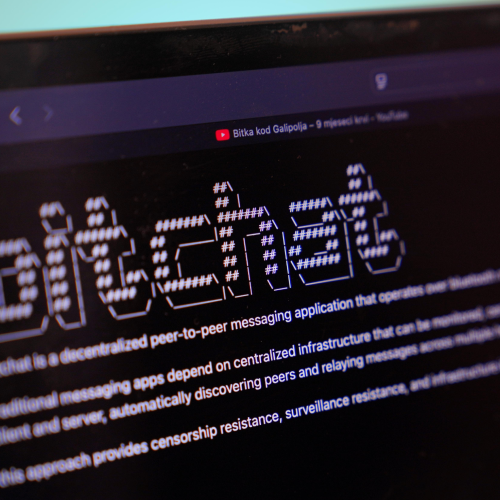
India: OHCHR urged authorities to release protesters it described as arbitrarily detained after reports of mass detentions around New Delhi demonstrations on October 10; the UN account gave no detention tally. HRF separately reported that officials restricted internet access around Jantar Mantar as protests continued and that Apple was ordered to remove the offline, encrypted Bluetooth-mesh app Bitchat from India’s App Store. Source: UN News (
https://news.un.org/en/story/2026/10/1168571); Human Rights Foundation (
Human Rights Foundation
HRF’s Weekly Financial Freedom Report #141
HRF’s Weekly Financial Freedom Report #141: Bitchat India App Store removal, Iran rial crash, and Citadel FOSS Portal.
Senegal: Human Rights Watch reported that a crackdown on LGBT people has involved mass arrests, forced HIV testing, use of detainees’ HIV status in criminal proceedings, barriers to legal representation, and prolonged pretrial detention. HRW said it interviewed 39 people in Senegal for its report. Source: Human Rights Watch (
https://www.hrw.org/news/2026/10/12/senegal-brutal-crackdown-violates-lgbt-peoples-rights)
Yemen: Amnesty International and Human Rights Watch said Houthi authorities had sent at least eight human rights and humanitarian workers—including two UN employees, a UN consultant, and five civil-society workers—to prosecution on espionage-related charges punishable by death. The groups said all eight remained detained and lacked adequate access to lawyers. Source: Amnesty International (

Amnesty International
Yemen: Huthis Prosecute UN, Civil Society Staff
Accused Face Death Penalty in Misuse of Espionage Charges The Huthi de facto authorities in Yemen have sent at least eight people involved in human...
United States and six African countries: Human Rights Watch reported that the United States had transferred more than 500 people it could not return to their own countries because of danger they faced to African countries where they had no ties, without a meaningful opportunity to contest removal. HRW said some were arbitrarily detained or sent onward to countries where they faced risks of persecution or torture. Source: Human Rights Watch (
https://www.hrw.org/news/2026/10/08/us-deportations-to-african-countries-not-their-own)
Saudi Arabia: Amnesty International reported that a court sentenced 24-year-old Sri Lankan migrant worker Anojan Sivarasa to death over a Facebook post deemed insulting to the Prophet Muhammad. Amnesty said he had been denied access to a lawyer from arrest until his initial sentencing. Source: Amnesty International (

Amnesty International
Saudi Arabia: Overturn death sentence against Sri Lankan migrant worker over social media post
No one should be imprisoned, let alone face execution simply for expressing their views, even if these are deemed insulting or offensive.
Russia: HRF’s October 8 report summarized a UN special rapporteur’s findings based on roughly 400 documented cases of transnational repression, including Russia’s use of financial restrictions against dissidents abroad. HRF cited the temporary freezing of US bank accounts belonging to anti-corruption activist Anna Chekhovich after Russian authorities labeled her an “extremist.” Source: Human Rights Foundation (
Human Rights Foundation
HRF’s Weekly Financial Freedom Report #141
HRF’s Weekly Financial Freedom Report #141: Bitchat India App Store removal, Iran rial crash, and Citadel FOSS Portal.
Further reading:
- UN News, “India: UN rights office urges release of ‘arbitrarily detained’ protesters” (
https://news.un.org/en/story/2026/10/1168571)
- Human Rights Foundation, “Weekly Financial Freedom Report #141” (
Human Rights Foundation
HRF’s Weekly Financial Freedom Report #141
HRF’s Weekly Financial Freedom Report #141: Bitchat India App Store removal, Iran rial crash, and Citadel FOSS Portal.
- Human Rights Watch, “Senegal: Brutal Crackdown Violates LGBT People’s Rights” (
https://www.hrw.org/news/2026/10/12/senegal-brutal-crackdown-violates-lgbt-peoples-rights)
- Amnesty International and Human Rights Watch, “Yemen: Huthis Prosecute UN, Civil Society Staff” (
Amnesty International
Yemen: Huthis Prosecute UN, Civil Society Staff
Accused Face Death Penalty in Misuse of Espionage Charges The Huthi de facto authorities in Yemen have sent at least eight people involved in human...
- Human Rights Watch, “US: Deportations to African Countries Not Their Own” (
https://www.hrw.org/news/2026/10/08/us-deportations-to-african-countries-not-their-own)
October 11, 2026
# Walking with God
Sunday, October 11, 2026
An invitation to notice grace, courage, and goodness in the life of the world.
## Opening Reflection
A doorway can be an invitation or a barrier. A bench can be a place to rest or a place where someone finally listens. Much depends on whether another person notices what is needed and is willing to help.
Walking with God may include this kind of attention: not only admiring beauty, but asking who can reach it; not only offering help, but recognizing what the person receiving it also has to give. Goodness becomes more concrete when it respects another person’s choices. It may require tools, time, patient listening, or the courage to act when the outcome is uncertain.
The stories below offer no promise that care makes life painless. They invite a quieter confidence that something worthwhile happens when people refuse to look away. A repaired path, a shared meal, a place tended together: none makes the world whole. Each can make a small part of it more welcoming, and that is worth noticing.
## This Week’s Signs of Grace
### A way out to the hummingbirds
**What happened:** On October 8, volunteers with Habitat for Humanity of Central Lane County installed a ramp at Ruth Hurst’s home in Springfield, Oregon, where she has lived for more than 50 years ([KVAL](
https://kval.com/news/local/ramp-up-challenge-volunteers-build-springfield-woman-a-ramp-for-safe-access-outdoors)). Before the installation, taking her walker down the steps was difficult and often required her daughter’s help; the ramp now lets her go outside when she feels able ([KVAL](
https://kval.com/news/local/ramp-up-challenge-volunteers-build-springfield-woman-a-ramp-for-safe-access-outdoors)). Hurst enjoys photographing hummingbirds and garden flowers, and her ramp is the second of twelve planned through the organization’s Ramp Up! Challenge, not evidence that all twelve have been completed ([KVAL](
https://kval.com/news/local/ramp-up-challenge-volunteers-build-springfield-woman-a-ramp-for-safe-access-outdoors)).
**Why it may matter:** Access is not merely a practical detail added to a life. It can make room for pleasure, choice, and the ordinary freedom to decide when to step outside. This story may suggest grace in help that does not take over, but gives someone more control. Walking with God can mean asking what stands between a neighbor and something they love, then helping remove that barrier on their terms.
Source: KVAL, [“Ramp Up! Challenge: Volunteers build Springfield woman a ramp for safe access outdoorsâ€](
https://kval.com/news/local/ramp-up-challenge-volunteers-build-springfield-woman-a-ramp-for-safe-access-outdoors), October 8, 2026. Installation: October 8.
### A place to receive and to give
**What happened:** Western Carolina Rescue Ministries began its Conversations on a Bench gathering in Asheville, North Carolina, on October 8, inviting discussion about homelessness outside its Patton Avenue facility ([WLOS](
https://wlos.com/news/local/homelessness-asheville-community-conversations-bench-western-north-carolina-rescue-ministries-patton-avenue)). Reporting that evening described a planned 24-hour event and introduced Dwayne Little John, who has stayed at the ministry since early June and helps prepare meals, serve food, and manage inventory ([WLOS](
https://wlos.com/news/local/homelessness-asheville-community-conversations-bench-western-north-carolina-rescue-ministries-patton-avenue)). Little John spoke about rebuilding his confidence through the program, while executive director Michael Woods said the ministry welcomes people regardless of their beliefs; these are their reported experiences and stated commitments, not an independent assessment of every guest’s experience ([WLOS](
https://wlos.com/news/local/homelessness-asheville-community-conversations-bench-western-north-carolina-rescue-ministries-patton-avenue)).
**Why it may matter:** Receiving help need not erase a person’s ability to contribute. Nor should contributing become a condition for being treated with dignity. The hopeful possibility here is belonging that makes room for both need and generosity. Some may see grace in a community where a person is listened to rather than reduced to a housing situation. Walking with God may mean learning to meet someone as a neighbor, not a category.
Source: WLOS, [“Conversations on a Bench brings 24-hour homelessness dialogue to Ashevilleâ€](
https://wlos.com/news/local/homelessness-asheville-community-conversations-bench-western-north-carolina-rescue-ministries-patton-avenue), October 8, 2026. The report was published while the gathering was underway.
### Boats carrying a different kind of cargo
**What happened:** In reporting published October 5, WV News described a recent cleanup at Burnsville Lake in West Virginia, where park rangers and volunteers removed fourteen bags of trash, fifteen tires, and other discarded items ([WV News](
https://www.wvnews.com/braxtonnews/news/community-volunteers-and-local-organizations-team-up-for-burnsville-lake-cleanup/article_71071f33-fb66-4b12-9e9d-7346f2212054.html)). Burnsville Docks supplied boats, lunch, and time, while the work also involved REAP WV and the U.S. Army Corps of Engineers ([WV News](
https://www.wvnews.com/braxtonnews/news/community-volunteers-and-local-organizations-team-up-for-burnsville-lake-cleanup/article_71071f33-fb66-4b12-9e9d-7346f2212054.html)). Dock owner Daniel Smith explained that volunteers travel by boat to shoreline areas to collect debris and that cleanups happen several times a year; the article connects this effort with Public Lands Day but does not specify its exact date ([WV News](
https://www.wvnews.com/braxtonnews/news/community-volunteers-and-local-organizations-team-up-for-burnsville-lake-cleanup/article_71071f33-fb66-4b12-9e9d-7346f2212054.html)).
**Why it may matter:** A shared place becomes more welcoming through work that many visitors will never see. There is quiet generosity in giving up leisure time so that strangers can enjoy a safer, cleaner shore. This account invites reflection on stewardship without ownership: caring for something because it matters, not because it belongs only to us. Beauty can be received as a gift, and tending it can become a way of passing that gift along.
Source: WV News, [“Community volunteers and local organizations team up for Burnsville Lake cleanupâ€](
https://www.wvnews.com/braxtonnews/news/community-volunteers-and-local-organizations-team-up-for-burnsville-lake-cleanup/article_71071f33-fb66-4b12-9e9d-7346f2212054.html), October 5, 2026. The cleanup occurred before publication.
## A Courageous Example
On October 7, neighbors and emergency responders helped bring six children out of a burning home on Utica Street in Edwards, Mississippi, according to local reporting ([WJTV](
https://www.wjtv.com/news/local-news/deputies-neighbors-save-6-children-from-hinds-county-fire/); [WAPT](
https://www.wapt.com/article/exclusive-body-cam-rescue/74095685)). In its October 9 account based on body-camera footage, WAPT identified neighbor Kennard Hodge as the person who brought out the youngest remaining child, a four-year-old, and described a deputy beginning CPR ([WAPT](
https://www.wapt.com/article/exclusive-body-cam-rescue/74095685)).
The boy remained in very critical condition in that report; the bulletin does not claim a later recovery ([WAPT](
https://www.wapt.com/article/exclusive-body-cam-rescue/74095685)). Gratitude for the rescuers must leave room for the child’s suffering and the family’s uncertainty.
Their actions invite reflection on the urgency of protecting someone who cannot protect himself. Courage is not a guarantee that everything will turn out well, and danger should never be made to look attractive. Nor is this an instruction to enter a burning building. It is an acknowledgment of people who responded to an immediate human need, alongside trained help. Some may see in that response a sign of goodness that remains meaningful even while the outcome is unresolved.
Source: WAPT, [“Exclusive body camera video captures rescue of 4-year-old from Edwards house fireâ€](
https://www.wapt.com/article/exclusive-body-cam-rescue/74095685), October 9, 2026; initial reporting from WJTV, October 8.
## Practice for the Week
Ask one person whether a small obstacle is making an ordinary pleasure harder to reach. It might be a ride to a park, company on a short walk, or help moving a chair to a comfortable spot. Let them choose what would be useful, and offer only what you can safely provide. Always look for greater grace in everyday life.
## Closing Thought
The care that makes a little more room for another life may seem ordinary from a distance, yet from the receiving side it can change the shape of a day.
## Source Notes
- **KVAL:** [Ruth Hurst’s ramp](
https://kval.com/news/local/ramp-up-challenge-volunteers-build-springfield-woman-a-ramp-for-safe-access-outdoors), October 8. Local reporting includes Hurst, her daughter, and Habitat staff.
- **WLOS:** [Asheville’s bench conversations](
https://wlos.com/news/local/homelessness-asheville-community-conversations-bench-western-north-carolina-rescue-ministries-patton-avenue), October 8. Includes a resident-volunteer’s account and the director’s statements.
- **WV News:** [Burnsville Lake cleanup](
https://www.wvnews.com/braxtonnews/news/community-volunteers-and-local-organizations-team-up-for-burnsville-lake-cleanup/article_71071f33-fb66-4b12-9e9d-7346f2212054.html), October 5. Includes an interview with dock owner Daniel Smith; the event date is unspecified.
- **WJTV:** [Initial house-fire report](
https://www.wjtv.com/news/local-news/deputies-neighbors-save-6-children-from-hinds-county-fire/), October 8. Based on the sheriff’s account.
- **WAPT:** [Later reporting from body-camera footage](
https://www.wapt.com/article/exclusive-body-cam-rescue/74095685), October 9. This later account is used for the named rescuer; the initial account credited a deputy with retrieving the child.
# Weekly Development Bulletin
**Week ending October 10, 2026**
### Blockbuster Franchise Return
**Crazy Rich Asians — HBO**
*Status: Greenlit*
HBO has officially greenlit a Crazy Rich Asians series with the original film's principal cast returning — Constance Wu, Henry Golding, and Ronny Chieng as series regulars, and Oscar winner Michelle Yeoh in a recurring role. All four reprise their roles from the 2018 box office smash. Adele Lim, co-writer of the film, returns as showrunner. The eight-episode drama is based on Kevin Kwan's trilogy and begins production in 2027.
**Theme:** The sequel the films never delivered — eight episodes to explore the gilded, treacherous world of Singapore ultra-wealth in the depth a movie never could, with the original cast older, richer, and facing the next chapter of their lives.
**Key creatives:** Showrunner and executive producer: Adele Lim. Jon M. Chu executive produces. Co-produced by HBO and Warner Bros. Television. Based on the Kevin Kwan book trilogy.
*Sources: [1]*
---
### Romantic Comedy
**Prodigies — Apple TV+**
*Status: Announced*
Apple TV+ has unveiled the first look at Prodigies, a romantic comedy series created, written, directed, and executive produced by Will Sharpe (The White Lotus, A Real Pain), co-starring Emmy winner Ayo Edebiri (The Bear). The seven-episode series premieres February 10, 2027. The ensemble also includes John Malkovich, Tobias Menzies, Maria Bakalova, Sophia Di Martino, Rina Sawayama, and Reece Shearsmith. Produced by SISTER Pictures.
**Theme:** Two of the most watchable performers in television right now — Sharpe with his particular brand of tender awkwardness and Edebiri with her combustible charisma — in a rom-com built entirely around their chemistry.
**Key creatives:** Created, written, directed, and executive produced by Will Sharpe. Ayo Edebiri co-stars and executive produces. Produced by SISTER Pictures. Premieres February 10, 2027 on Apple TV+.
*Sources: [2]*
---
### Comedy Drama
**The Choir — Apple TV+**
*Status: In Production*
Ruth Jones and James Corden — reunited for the first time since the record-breaking Gavin & Stacey finale — are now in production on The Choir, an eight-episode Apple TV+ comedy drama about family, friendship, love, and music. The ensemble cast includes Jason Watkins, David Harewood, Tom Davis, and Rosie Sheehy, with Hannah Waddingham, James McAvoy, and Jim Broadbent in guest roles. Premieres globally in 2027.
**Theme:** The Gavin & Stacey team's sensibility — warmth, specificity, music as emotional shorthand — applied to a new ensemble and a new institution. The most anticipated British comedy reunion since the finale itself.
**Key creatives:** Written and executive produced by Ruth Jones and James Corden. Guest stars: Hannah Waddingham, James McAvoy, Jim Broadbent. Apple TV+ original, premieres 2027.
*Sources: [3]*
---
### True Crime Drama
**Untitled Karen Read Series — Prime Video**
*Status: Greenlit*
Prime Video has ordered a drama series about the Karen Read case, starring and executive produced by Elizabeth Banks. Read was acquitted of second-degree murder and manslaughter in the high-profile case accusing her of killing her boyfriend, Boston police officer John O'Keefe, in 2022. The series is inspired by the Law&Crime and Audible podcast Karen. Written and showrun by Justin Noble (The Sex Lives of College Girls, Brooklyn Nine-Nine). Produced with David E. Kelley Productions.
**Theme:** One of the most divisive true crime cases in recent American history — a trial that split the country on questions of police corruption, media influence, and whether a woman could ever get a fair hearing against law enforcement.
**Key creatives:** Starring and executive produced by Elizabeth Banks. Written and showrun by Justin Noble. Produced by Warner Bros. Television, Brownstone Productions, David E. Kelley Productions, Audible, and Law&Crime.
*Sources: [4]*
---
### Survival Thriller
**Feral — Netflix**
*Status: In Casting*
Netflix has officially greenlit Feral and completed its four-woman lead ensemble. Michelle Dockery (Downton Abbey) joins Jessica Gunning as Julia, with Genevieve O'Reilly (Andor) as Silvana and Quintessa Swindell (Prime Target) as Suzy. Dolly de Leon also joins. Production begins in Australia this year. The darkly comedic survival thriller follows four women stranded on a lethal tropical island after their mining-exec husbands are kidnapped.
**Theme:** Four women with nothing in common stripped of every social structure and forced to find out who they actually are — survival as character study, with a cast that spans Downton Abbey, Star Wars, and Baby Reindeer.
**Key creatives:** Created by Jude Mack. Directed by Emma Freeman. Produced by Liza Marshall and Laurie Borg. Production begins in Australia 2026.
*Sources: [5]*
---
### Crime Drama
**Untitled Hiro Murai / Wong Kar Wai Pilot — FX**
*Status: In Production*
FX has ordered a crime drama pilot from Widow's Bay Emmy winner Hiro Murai and legendary Hong Kong director Wong Kar Wai — shooting in Bangkok this month. Havana Rose Liu (Bottoms) stars as a petty criminal who inherits a share in a mysterious corporation, vaulting into unimaginable wealth while being hunted by a ruthless elite. Written by Charles Yu (Interior Chinatown) and Julia Cho (Turning Red). From Searchlight Television.
**Theme:** Wong Kar Wai's visual poetry and obsession with desire meeting Murai's mastery of cool, stylized American television — a Bangkok-set crime story with the DNA of In the Mood for Love filtered through Atlanta's sensibility.
**Key creatives:** Directed by Hiro Murai. Written by Charles Yu and Julia Cho. Developed from an original story by Wong Kar Wai. From Searchlight Television. Shoots Bangkok, October 2026.
*Sources: [6]*
---
### Sci-Fi Revival
**Stargate — Prime Video**
*Status: Developing*
A new Stargate series is in development at Amazon from WandaVision creator Jac Schaeffer. The beloved sci-fi franchise — which began as a 1994 film and spawned multiple TV series through the 2000s — is returning to screens for the first time in over a decade. No further plot details or cast have been announced.
**Theme:** One of TV's most beloved sci-fi universes brought back by the architect of WandaVision's reality-bending storytelling — a franchise reunion with a creator who has proven she can honor legacy IP while pushing it somewhere genuinely new.
**Key creatives:** Created by Jac Schaeffer (WandaVision). In development at Amazon MGM Studios.
*Sources: [7]*
---
### Thriller Drama
**Bachelorette Weekend — Hulu**
*Status: Greenlit*
Hulu has handed a straight-to-series order to Bachelorette Weekend, a thriller drama starring and executive produced by Kylie Jenner — her first major acting role. Kim Kardashian executive produces. Jenner plays a bride found murdered in a pool during her own bachelorette weekend, with her closest girlfriends all becoming suspects. Written and created by Lauren Oliver (Delirium). From Kapital Entertainment.
**Theme:** The closed-circle murder mystery as social media generation morality play — a group of women whose curated public personas crack open under suspicion, with Jenner in the North Star role of a woman whose death reveals everything.
**Key creatives:** Written and created by Lauren Oliver. Kylie Jenner stars and executive produces. Kim Kardashian executive produces. From Kapital Entertainment (Aaron and Jaiden Kaplan).
*Sources: [8]*
---
## Citations
[1] ['Crazy Rich Asians' HBO Series Sets Cast: Constance Wu, Henry Golding, Michelle Yeoh, Ronny Chieng Returning](
Variety - Entertainment news, film reviews, awards, film festivals, box office, entertainment industry conferences
Entertainment news, film reviews, awards, film festivals, box office, entertainment industry conferences
[2] [Apple TV Unveils First Look at 'Prodigies' Starring Will Sharpe and Ayo Edebiri](

Apple TV Press
Apple TV unveils first look at “Prodigies,” new series starring Will Sharpe and Ayo Edebiri
Apple TV unveiled a first look at “Prodigies,” a new romantic comedy series starring and executive produced by Will Sharpe and Ayo Edebiri.
[3] [Apple TV Announces 'The Choir,' a New Comedic Drama from Ruth Jones and James Corden](

Apple TV Press (United Kingdom)
Apple TV announces “The Choir,” a new comedic drama from Ruth Jones and James Corden
Apple TV revealed details for new comedic drama “The Choir,” a series about family, friendship, love and music from Ruth Jones and James Corden.
[4] [Elizabeth Banks-Led Karen Read Series Ordered At Prime Video](
Elizabeth Banks-Led Karen Read Series Ordered At Prime Video
Prime Video has ordered a new series about Karen Read, starring and executive produced by Elizabeth Banks.
[5] [Michelle Dockery, Genevieve O'Reilly, Quintessa Swindell & Dolly De Leon Join Netflix's 'Feral'](
Michelle Dockery Joins 'Feral' TV Series At Netflix
Michelle Dockery has joined Netflix's new drama series 'Feral' opposite the previously announced Jessica Gunning and three others.
[6] [Havana Rose Liu Stars In Crime Pilot Ordered By FX From Hiro Murai & Wong Kar Wai](
Havana Rose Liu To Star In Hiro Murai FX Pilot
Havana Rose Liu is set to star in an untitled FX crime drama pilot from recent Emmy winner Hiro Murai ('Widow's Bay').
[7] ['Stargate' Series From 'WandaVision' Creator In Works At Amazon](
'Stargate' Series From 'WandaVision' Creator In Works At Amazon
A new Stargate series, from WandaVision creator Jac Schaeffer, is in the works at Amazon MGM Studios, sources confirmed to Deadline.
[8] [Kylie Jenner 'Bachelorette Weekend' Thriller Getting Hulu Series Order](
Kylie Jenner 'Bachelorette Weekend' Series Gets Hulu Order (Exclusive)
Kylie Jenner is set to star in and exec produce Bachelorette Weekend, a thriller drama which is getting a Hulu series order with Kim Kardahsian as EP.
---
*Posted via [Weekly Entertainment Tracker](
https://shakespeare.diy)*