. . . let's,
what more
could there be
than you
and me

npub1dd3l...ws2c
npub1dd3l...ws2c
#Bitcoin
Harder Than #Gold, Faster Than #Fiat
JUST IN: #Bitcoin to hit $750K-$1 MILLION by 2026 - Bitmex founder Arthur Hayes
ZeroHedge
ZeroHedge - On a long enough timeline, the survival rate for everyone drops to zero
#haiku
Fifth Avenue
women passing by,
so close to my eyes
so far from my life
José Juan Tablada
. . . health is the first wealth
Meet #MikaTakishima, Japan's 93 year old fitness instructor.

. . . the art of thinking
#CriticalThinkingSkills #CollaborativeDesignTeamProcess
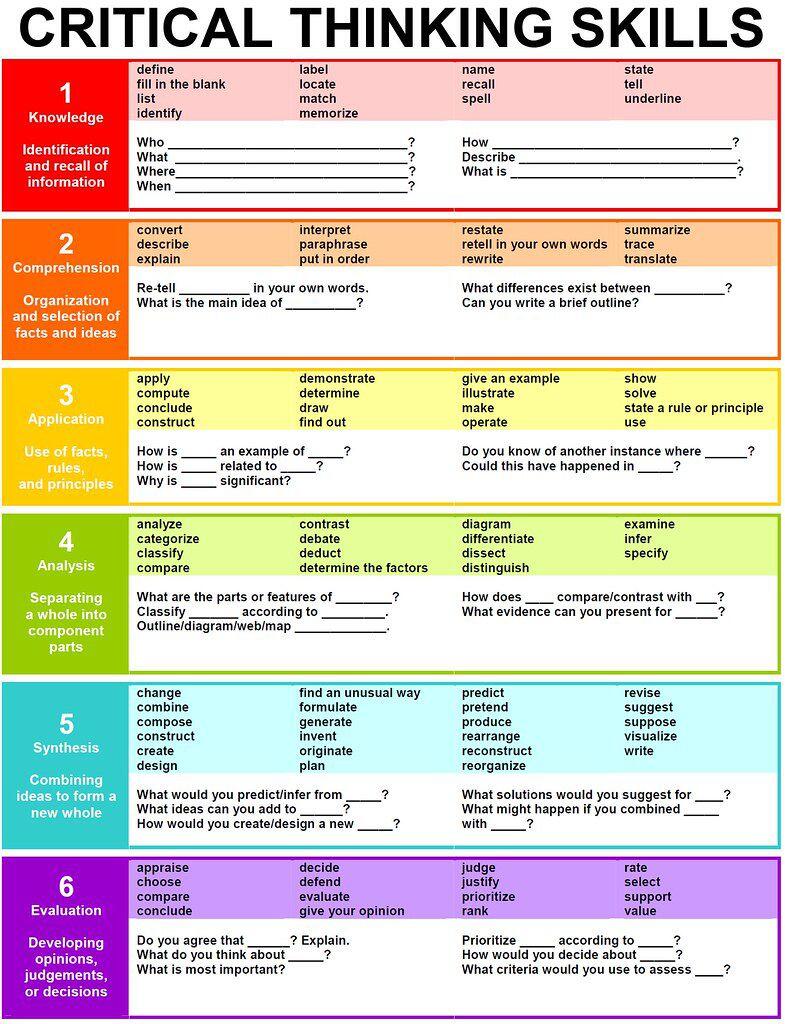 Critical thinking is a cognitive process that involves actively and objectively analyzing, synthesizing, and evaluating information or ideas to make reasoned judgments or decisions.
It encompasses a range of intellectual skills and dispositions that are essential for effective problem-solving and decision-making.
The critical thinking process can be broken down into six key areas: knowledge, comprehension, application, analysis, synthesis, and evaluation. Let's explore each of these areas in detail, providing examples to illustrate their importance.
Knowledge
Knowledge is the foundation of critical thinking. It involves acquiring information and facts about a particular subject or topic.
Critical thinkers must have a solid base of knowledge to draw upon when evaluating information or making decisions.
For instance, a student studying history needs to have a factual understanding of historical events and figures to critically analyze their significance.
Comprehension
Comprehension goes beyond mere knowledge; it involves understanding the meaning and significance of the information acquired.
Critical thinkers should be able to interpret, explain, and summarize complex ideas or concepts. This skill is crucial for identifying the key elements within a given context.
Application
Application is the ability to use knowledge and comprehension in practical situations. It requires critical thinkers to transfer their understanding to solve real-world problems or make decisions.
This skill bridges the gap between theoretical knowledge and practical action.
Analysis
Analysis involves breaking down complex information into its constituent parts to examine their relationships and identify patterns or connections.
Critical thinkers use this skill to deconstruct arguments, identify biases, and detect logical fallacies.
Synthesis
Synthesis is the process of integrating information from different sources or perspectives to create a coherent and well-structured understanding of a topic.
It requires critical thinkers to combine various elements to form a new and holistic view.
Evaluation
Evaluation is the final step in the critical thinking process. It involves making judgments or assessments based on the information, knowledge, comprehension, application, and analysis.
Critical thinkers evaluate the validity, credibility, and relevance of information and arguments to arrive at reasoned conclusions.
To illustrate the interplay of these six areas, let's take a scenario involving a critical thinker, Sarah, who is evaluating a new dietary trend called the "Superfood Diet" to determine if it's a healthy and sustainable choice.
1. Knowledge: Sarah starts by gathering information about the Superfood Diet. She learns that it emphasizes foods like kale, quinoa, and blueberries, claiming they provide exceptional health benefits due to their nutrient density.
2. Comprehension: Sarah delves deeper to understand the core principles of the Superfood Diet. She comprehends that it promotes the consumption of foods rich in vitamins, minerals, and antioxidants, with the goal of improving overall well-being.
3. Application: Sarah applies her comprehension of the Superfood Diet to her own life. She considers whether she can realistically incorporate these foods into her daily meals and assesses the potential impact on her health.
4. Analysis: Sarah critically examines the claims made by proponents of the Superfood Diet. She analyzes scientific studies on the health benefits of the recommended foods, looking for potential biases in the research and any conflicting evidence.
5. Synthesis: Sarah synthesizes the information she has gathered, combining her knowledge of the diet's principles with her analysis of the scientific literature. She forms a comprehensive view of the Superfood Diet's potential advantages and drawbacks.
6. Evaluation: Finally, Sarah evaluates the Superfood Diet based on her synthesis of information. She considers whether the diet is a sustainable long-term choice, taking into account her own dietary preferences and lifestyle. Sarah also assesses the credibility of sources promoting the diet and makes an informed judgment about its suitability for her.
In this example, critical thinking guided Sarah through a structured process, enabling her to make a well-informed decision about the Superfood Diet.
Each of the six areas played a distinct role in her critical thinking journey, reinforcing the importance of these skills in everyday decision-making.
In conclusion, critical thinking is a multifaceted cognitive process that encompasses knowledge, comprehension, application, analysis, synthesis, and evaluation.
These six areas are interdependent and collectively empower individuals to make informed decisions, solve complex problems, and navigate an increasingly information-rich world.
Developing and honing these critical thinking skills is essential for both personal growth and success in various professional fields, as they enable individuals to approach challenges with clarity, logic, and discernment.
Critical thinking is a cognitive process that involves actively and objectively analyzing, synthesizing, and evaluating information or ideas to make reasoned judgments or decisions.
It encompasses a range of intellectual skills and dispositions that are essential for effective problem-solving and decision-making.
The critical thinking process can be broken down into six key areas: knowledge, comprehension, application, analysis, synthesis, and evaluation. Let's explore each of these areas in detail, providing examples to illustrate their importance.
Knowledge
Knowledge is the foundation of critical thinking. It involves acquiring information and facts about a particular subject or topic.
Critical thinkers must have a solid base of knowledge to draw upon when evaluating information or making decisions.
For instance, a student studying history needs to have a factual understanding of historical events and figures to critically analyze their significance.
Comprehension
Comprehension goes beyond mere knowledge; it involves understanding the meaning and significance of the information acquired.
Critical thinkers should be able to interpret, explain, and summarize complex ideas or concepts. This skill is crucial for identifying the key elements within a given context.
Application
Application is the ability to use knowledge and comprehension in practical situations. It requires critical thinkers to transfer their understanding to solve real-world problems or make decisions.
This skill bridges the gap between theoretical knowledge and practical action.
Analysis
Analysis involves breaking down complex information into its constituent parts to examine their relationships and identify patterns or connections.
Critical thinkers use this skill to deconstruct arguments, identify biases, and detect logical fallacies.
Synthesis
Synthesis is the process of integrating information from different sources or perspectives to create a coherent and well-structured understanding of a topic.
It requires critical thinkers to combine various elements to form a new and holistic view.
Evaluation
Evaluation is the final step in the critical thinking process. It involves making judgments or assessments based on the information, knowledge, comprehension, application, and analysis.
Critical thinkers evaluate the validity, credibility, and relevance of information and arguments to arrive at reasoned conclusions.
To illustrate the interplay of these six areas, let's take a scenario involving a critical thinker, Sarah, who is evaluating a new dietary trend called the "Superfood Diet" to determine if it's a healthy and sustainable choice.
1. Knowledge: Sarah starts by gathering information about the Superfood Diet. She learns that it emphasizes foods like kale, quinoa, and blueberries, claiming they provide exceptional health benefits due to their nutrient density.
2. Comprehension: Sarah delves deeper to understand the core principles of the Superfood Diet. She comprehends that it promotes the consumption of foods rich in vitamins, minerals, and antioxidants, with the goal of improving overall well-being.
3. Application: Sarah applies her comprehension of the Superfood Diet to her own life. She considers whether she can realistically incorporate these foods into her daily meals and assesses the potential impact on her health.
4. Analysis: Sarah critically examines the claims made by proponents of the Superfood Diet. She analyzes scientific studies on the health benefits of the recommended foods, looking for potential biases in the research and any conflicting evidence.
5. Synthesis: Sarah synthesizes the information she has gathered, combining her knowledge of the diet's principles with her analysis of the scientific literature. She forms a comprehensive view of the Superfood Diet's potential advantages and drawbacks.
6. Evaluation: Finally, Sarah evaluates the Superfood Diet based on her synthesis of information. She considers whether the diet is a sustainable long-term choice, taking into account her own dietary preferences and lifestyle. Sarah also assesses the credibility of sources promoting the diet and makes an informed judgment about its suitability for her.
In this example, critical thinking guided Sarah through a structured process, enabling her to make a well-informed decision about the Superfood Diet.
Each of the six areas played a distinct role in her critical thinking journey, reinforcing the importance of these skills in everyday decision-making.
In conclusion, critical thinking is a multifaceted cognitive process that encompasses knowledge, comprehension, application, analysis, synthesis, and evaluation.
These six areas are interdependent and collectively empower individuals to make informed decisions, solve complex problems, and navigate an increasingly information-rich world.
Developing and honing these critical thinking skills is essential for both personal growth and success in various professional fields, as they enable individuals to approach challenges with clarity, logic, and discernment.
Critical thinking is a cognitive process that involves actively and objectively analyzing, synthesizing, and evaluating information or ideas to make reasoned judgments or decisions.
It encompasses a range of intellectual skills and dispositions that are essential for effective problem-solving and decision-making.
The critical thinking process can be broken down into six key areas: knowledge, comprehension, application, analysis, synthesis, and evaluation. Let's explore each of these areas in detail, providing examples to illustrate their importance.
Knowledge
Knowledge is the foundation of critical thinking. It involves acquiring information and facts about a particular subject or topic.
Critical thinkers must have a solid base of knowledge to draw upon when evaluating information or making decisions.
For instance, a student studying history needs to have a factual understanding of historical events and figures to critically analyze their significance.
Comprehension
Comprehension goes beyond mere knowledge; it involves understanding the meaning and significance of the information acquired.
Critical thinkers should be able to interpret, explain, and summarize complex ideas or concepts. This skill is crucial for identifying the key elements within a given context.
Application
Application is the ability to use knowledge and comprehension in practical situations. It requires critical thinkers to transfer their understanding to solve real-world problems or make decisions.
This skill bridges the gap between theoretical knowledge and practical action.
Analysis
Analysis involves breaking down complex information into its constituent parts to examine their relationships and identify patterns or connections.
Critical thinkers use this skill to deconstruct arguments, identify biases, and detect logical fallacies.
Synthesis
Synthesis is the process of integrating information from different sources or perspectives to create a coherent and well-structured understanding of a topic.
It requires critical thinkers to combine various elements to form a new and holistic view.
Evaluation
Evaluation is the final step in the critical thinking process. It involves making judgments or assessments based on the information, knowledge, comprehension, application, and analysis.
Critical thinkers evaluate the validity, credibility, and relevance of information and arguments to arrive at reasoned conclusions.
To illustrate the interplay of these six areas, let's take a scenario involving a critical thinker, Sarah, who is evaluating a new dietary trend called the "Superfood Diet" to determine if it's a healthy and sustainable choice.
1. Knowledge: Sarah starts by gathering information about the Superfood Diet. She learns that it emphasizes foods like kale, quinoa, and blueberries, claiming they provide exceptional health benefits due to their nutrient density.
2. Comprehension: Sarah delves deeper to understand the core principles of the Superfood Diet. She comprehends that it promotes the consumption of foods rich in vitamins, minerals, and antioxidants, with the goal of improving overall well-being.
3. Application: Sarah applies her comprehension of the Superfood Diet to her own life. She considers whether she can realistically incorporate these foods into her daily meals and assesses the potential impact on her health.
4. Analysis: Sarah critically examines the claims made by proponents of the Superfood Diet. She analyzes scientific studies on the health benefits of the recommended foods, looking for potential biases in the research and any conflicting evidence.
5. Synthesis: Sarah synthesizes the information she has gathered, combining her knowledge of the diet's principles with her analysis of the scientific literature. She forms a comprehensive view of the Superfood Diet's potential advantages and drawbacks.
6. Evaluation: Finally, Sarah evaluates the Superfood Diet based on her synthesis of information. She considers whether the diet is a sustainable long-term choice, taking into account her own dietary preferences and lifestyle. Sarah also assesses the credibility of sources promoting the diet and makes an informed judgment about its suitability for her.
In this example, critical thinking guided Sarah through a structured process, enabling her to make a well-informed decision about the Superfood Diet.
Each of the six areas played a distinct role in her critical thinking journey, reinforcing the importance of these skills in everyday decision-making.
In conclusion, critical thinking is a multifaceted cognitive process that encompasses knowledge, comprehension, application, analysis, synthesis, and evaluation.
These six areas are interdependent and collectively empower individuals to make informed decisions, solve complex problems, and navigate an increasingly information-rich world.
Developing and honing these critical thinking skills is essential for both personal growth and success in various professional fields, as they enable individuals to approach challenges with clarity, logic, and discernment.. . . a tapestry of numbers
 Once upon a time, in a small village nestled between rolling hills, there lived an old mathematician named Elias.
Elias was known far and wide for his wisdom, and the villagers often sought his guidance.
One sunny morning, a curious young girl named Maya approached him, her eyes wide with wonder.
"Elias," she asked, "why is the number 108 so special? I see it everywhere, in nature and in our world."
Elias smiled and invited Maya to sit beneath the ancient oak tree by his cottage. He began his tale.
"Long ago, when the world was still young, people discovered the magic of numbers. They realized that certain numbers held great significance in the fabric of the universe. One of these numbers was 108."
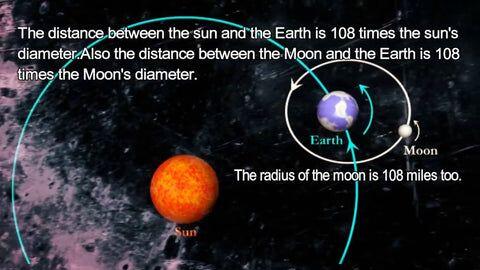
Elias continued, "In the natural world, 108 is found in countless ways. The distance between the Earth and the Sun is approximately 108 times the diameter of our planet, a perfect balance that allows life to thrive. The average distance between the Moon and Earth is roughly 108 times the Moon's diameter, creating the mesmerizing phenomenon of a total solar eclipse."
Maya's eyes widened with fascination. "But Elias, what about in our daily lives?"
Elias nodded and said, "In our world, 108 has held great symbolic meaning for ages. In Hinduism, there are 108 beads on a mala, a meditation necklace, representing the 108 earthly desires one must overcome to achieve enlightenment. In Buddhism, it is said that there are 108 human afflictions to be transcended on the path to enlightenment."
"Even in martial arts," Elias continued, "there are 108 pressure points, each a key to unlocking the body's hidden potential. And in mathematics, 108 is a 'Harshad' number, divisible by the sum of its digits, making it a symbol of balance and harmony."
Maya's fascination deepened. "Elias, it's incredible how this number is woven into the very fabric of our world."
Elias nodded, his eyes twinkling with wisdom. "Indeed, Maya. The number 108 reminds us of the interconnectedness of all things. It is a symbol of balance, enlightenment, and the harmony of nature and human existence."
As Maya left Elias's cottage that day, she carried with her a newfound appreciation for the number 108. She couldn't help but notice it everywhere, in the petals of a sunflower, in the number of steps to her school, and in the stars that adorned the night sky.
The world had become a tapestry of numbers, each telling a story of the profound beauty and order that underlay the universe, all connected by the magic of 108.
Once upon a time, in a small village nestled between rolling hills, there lived an old mathematician named Elias.
Elias was known far and wide for his wisdom, and the villagers often sought his guidance.
One sunny morning, a curious young girl named Maya approached him, her eyes wide with wonder.
"Elias," she asked, "why is the number 108 so special? I see it everywhere, in nature and in our world."
Elias smiled and invited Maya to sit beneath the ancient oak tree by his cottage. He began his tale.
"Long ago, when the world was still young, people discovered the magic of numbers. They realized that certain numbers held great significance in the fabric of the universe. One of these numbers was 108."
Elias continued, "In the natural world, 108 is found in countless ways. The distance between the Earth and the Sun is approximately 108 times the diameter of our planet, a perfect balance that allows life to thrive. The average distance between the Moon and Earth is roughly 108 times the Moon's diameter, creating the mesmerizing phenomenon of a total solar eclipse."
Maya's eyes widened with fascination. "But Elias, what about in our daily lives?"
Elias nodded and said, "In our world, 108 has held great symbolic meaning for ages. In Hinduism, there are 108 beads on a mala, a meditation necklace, representing the 108 earthly desires one must overcome to achieve enlightenment. In Buddhism, it is said that there are 108 human afflictions to be transcended on the path to enlightenment."
"Even in martial arts," Elias continued, "there are 108 pressure points, each a key to unlocking the body's hidden potential. And in mathematics, 108 is a 'Harshad' number, divisible by the sum of its digits, making it a symbol of balance and harmony."
Maya's fascination deepened. "Elias, it's incredible how this number is woven into the very fabric of our world."
Elias nodded, his eyes twinkling with wisdom. "Indeed, Maya. The number 108 reminds us of the interconnectedness of all things. It is a symbol of balance, enlightenment, and the harmony of nature and human existence."
As Maya left Elias's cottage that day, she carried with her a newfound appreciation for the number 108. She couldn't help but notice it everywhere, in the petals of a sunflower, in the number of steps to her school, and in the stars that adorned the night sky.
The world had become a tapestry of numbers, each telling a story of the profound beauty and order that underlay the universe, all connected by the magic of 108.
Once upon a time, in a small village nestled between rolling hills, there lived an old mathematician named Elias.
Elias was known far and wide for his wisdom, and the villagers often sought his guidance.
One sunny morning, a curious young girl named Maya approached him, her eyes wide with wonder.
"Elias," she asked, "why is the number 108 so special? I see it everywhere, in nature and in our world."
Elias smiled and invited Maya to sit beneath the ancient oak tree by his cottage. He began his tale.
"Long ago, when the world was still young, people discovered the magic of numbers. They realized that certain numbers held great significance in the fabric of the universe. One of these numbers was 108."
Elias continued, "In the natural world, 108 is found in countless ways. The distance between the Earth and the Sun is approximately 108 times the diameter of our planet, a perfect balance that allows life to thrive. The average distance between the Moon and Earth is roughly 108 times the Moon's diameter, creating the mesmerizing phenomenon of a total solar eclipse."
Maya's eyes widened with fascination. "But Elias, what about in our daily lives?"
Elias nodded and said, "In our world, 108 has held great symbolic meaning for ages. In Hinduism, there are 108 beads on a mala, a meditation necklace, representing the 108 earthly desires one must overcome to achieve enlightenment. In Buddhism, it is said that there are 108 human afflictions to be transcended on the path to enlightenment."
"Even in martial arts," Elias continued, "there are 108 pressure points, each a key to unlocking the body's hidden potential. And in mathematics, 108 is a 'Harshad' number, divisible by the sum of its digits, making it a symbol of balance and harmony."
Maya's fascination deepened. "Elias, it's incredible how this number is woven into the very fabric of our world."
Elias nodded, his eyes twinkling with wisdom. "Indeed, Maya. The number 108 reminds us of the interconnectedness of all things. It is a symbol of balance, enlightenment, and the harmony of nature and human existence."
As Maya left Elias's cottage that day, she carried with her a newfound appreciation for the number 108. She couldn't help but notice it everywhere, in the petals of a sunflower, in the number of steps to her school, and in the stars that adorned the night sky.
The world had become a tapestry of numbers, each telling a story of the profound beauty and order that underlay the universe, all connected by the magic of 108.es 🌅'day
¡Buenos días! frens,
 the sun shines
for you today
the sun shines
for you today
the sun shines
for you today
🌄 #CostaRica 🇨🇷 #PuraVida 🏄
Costa Rica Might Be the Next Country to Establish #Bitcoin as Regulated Currency
https://news.bitcoin.com/costa-rica-might-be-the-next-country-to-establish-bitcoin-as-regulated-currency/
. . . imagine
🌄 #CostaRica 🇨🇷 #PuraVida 🌊
10-20 acres, 20-30 homes
a #Bitcoin nostrhood development

. . . you come and go, come and go
I'm a man without conviction
I'm a man who doesn't know
#nostrverse #nostrville #nostrhood
build it and they will come

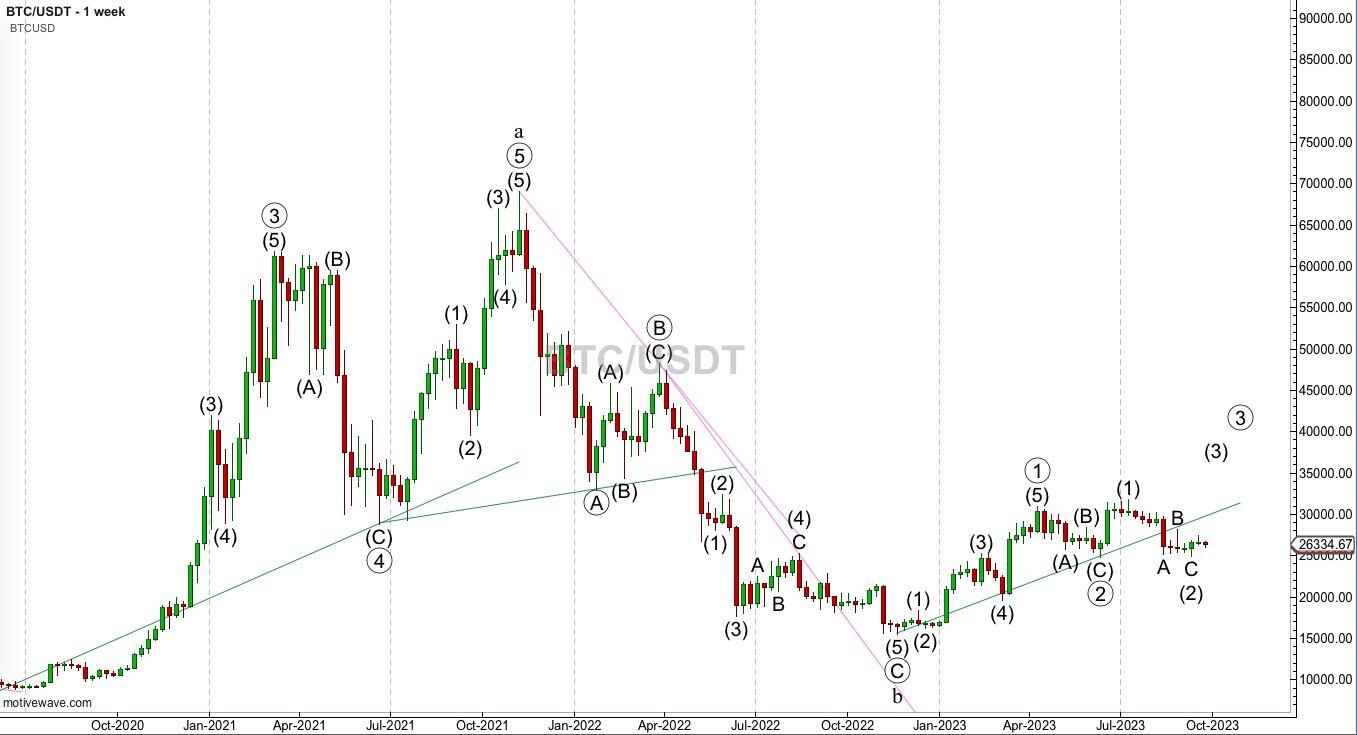
#BTC /USDT #ElliottWave
1-2-3-4-5 ABC
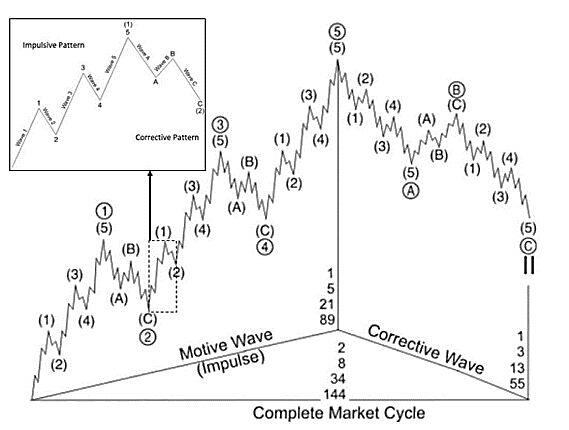
Just as nature's fractals repeat their patterns, so do Elliott Waves reveal the rhythm of market cycles.
 Week
Week
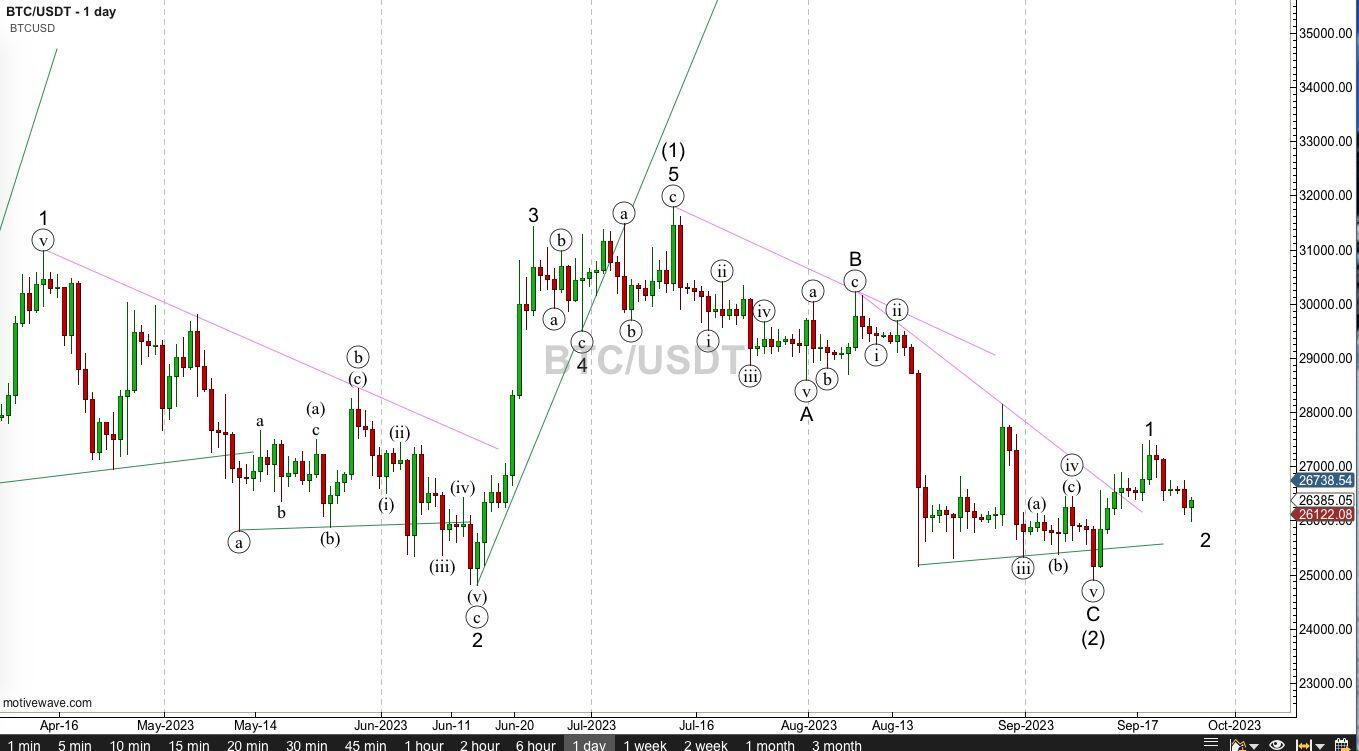 Day
Day
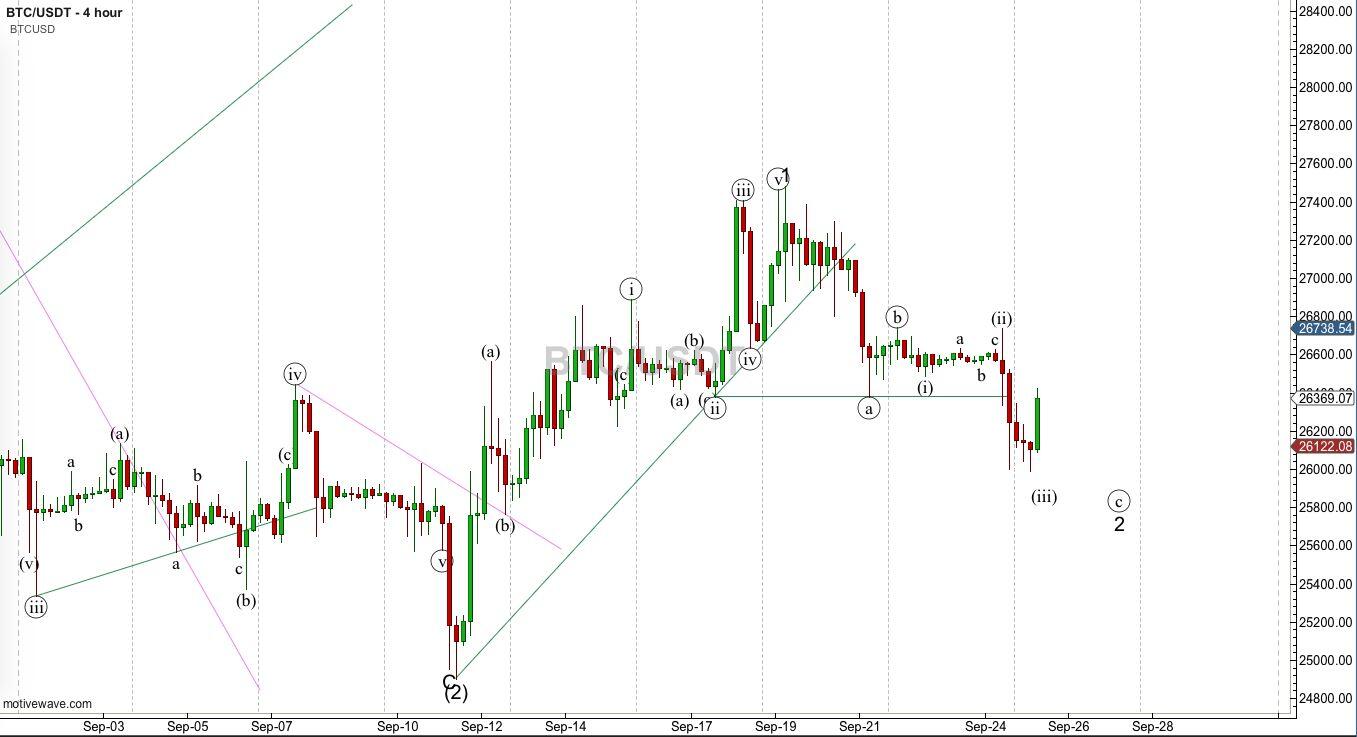 4 hour
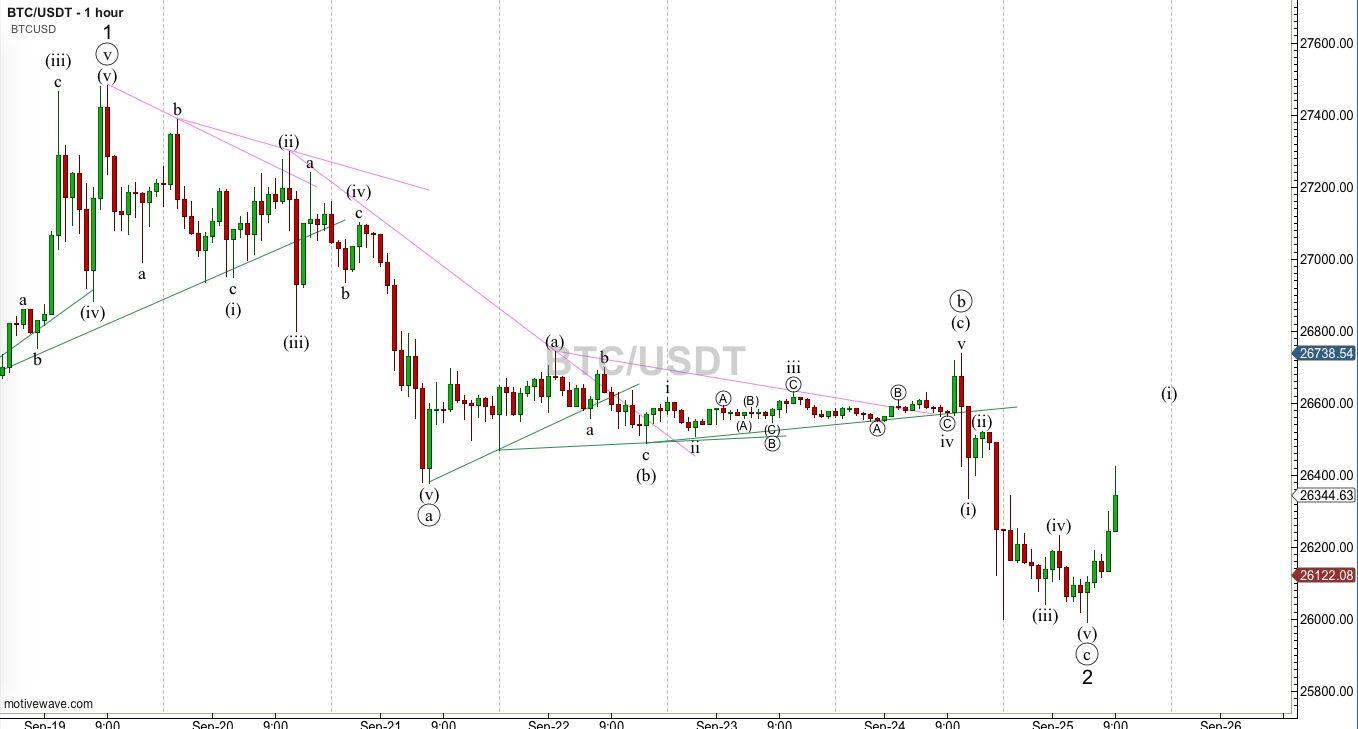 1 hour
Day
4 hour
1 hour🍿🥤
es Monday morning, luna
. . . at the movies
Enjoy
#apple 🍎
"The kids don't work as fast as they should. And they're super lazy."
. . . higher math
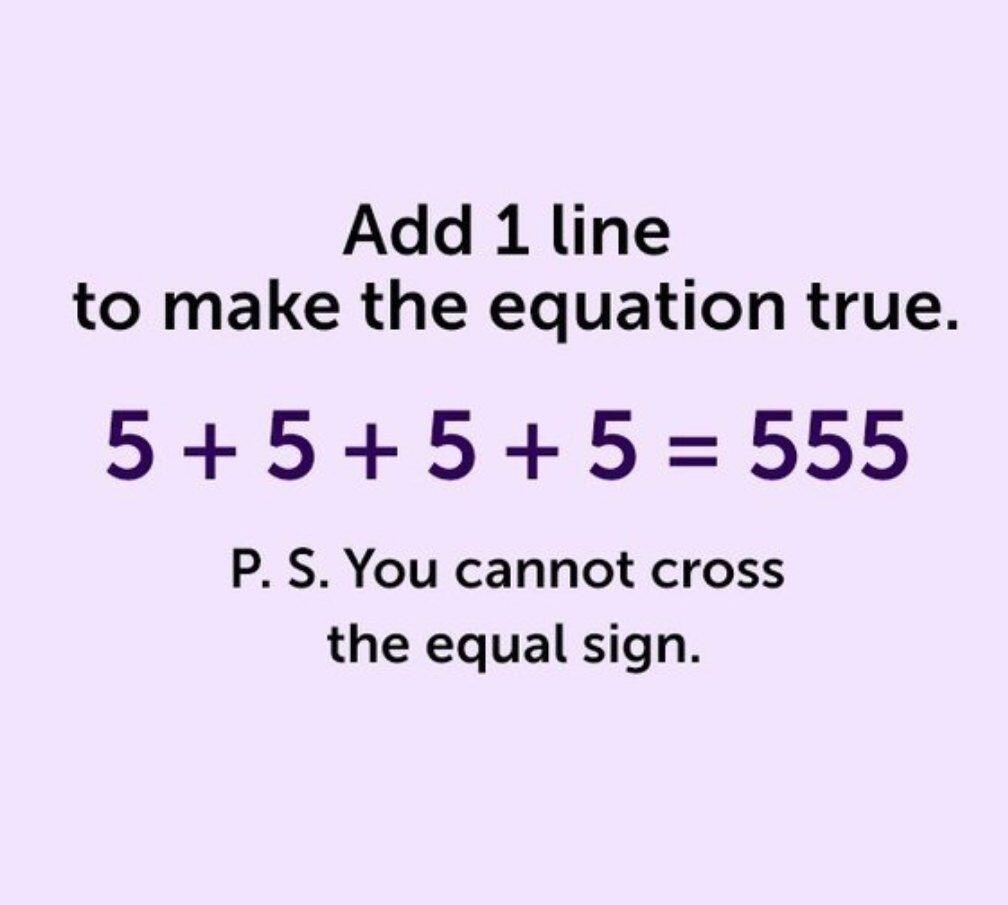
#haiku
 the willow
tender willow,
almost gold, almost amber,
almost light
josé juan tablada
the willow
tender willow,
almost gold, almost amber,
almost light
josé juan tablada
the willow
tender willow,
almost gold, almost amber,
almost light
josé juan tablada