African Bitcoiners's avatar
African Bitcoiners
AfricanBitcoiners@BitcoinNostr.com
npub1q7qt...q5kj
We are bringing freedom to Africa through Bitcoin adoption and education. Please support us.
🌍 PROJECT SPOTLIGHT: Abidjan Bitcoin Meetup 📍 Abidjan, Côte d’Ivoire 🇨🇮 About: Abidjan Bitcoin Meetup is a growing Bitcoin community bringing enthusiasts together through regular meetups, workshops and events focused on Bitcoin education, knowledge-sharing and community building. The initiative is helping strengthen grassroots Bitcoin education and adoption in Abidjan, Côte d’Ivoire’s economic hub. Key Objectives: 1. Promote Bitcoin education and awareness. 2. Build a strong local Bitcoin community. 3. Organise workshops and practical learning sessions. 4. Create spaces for knowledge-sharing and discussion. 5. Support grassroots Bitcoin adoption in Côte d’Ivoire. Connect with Abidjan Bitcoin Meetup: X: @AbidjanBTC View on BTC Map: 👇 Explore more projects shaping the African Bitcoin economy: image
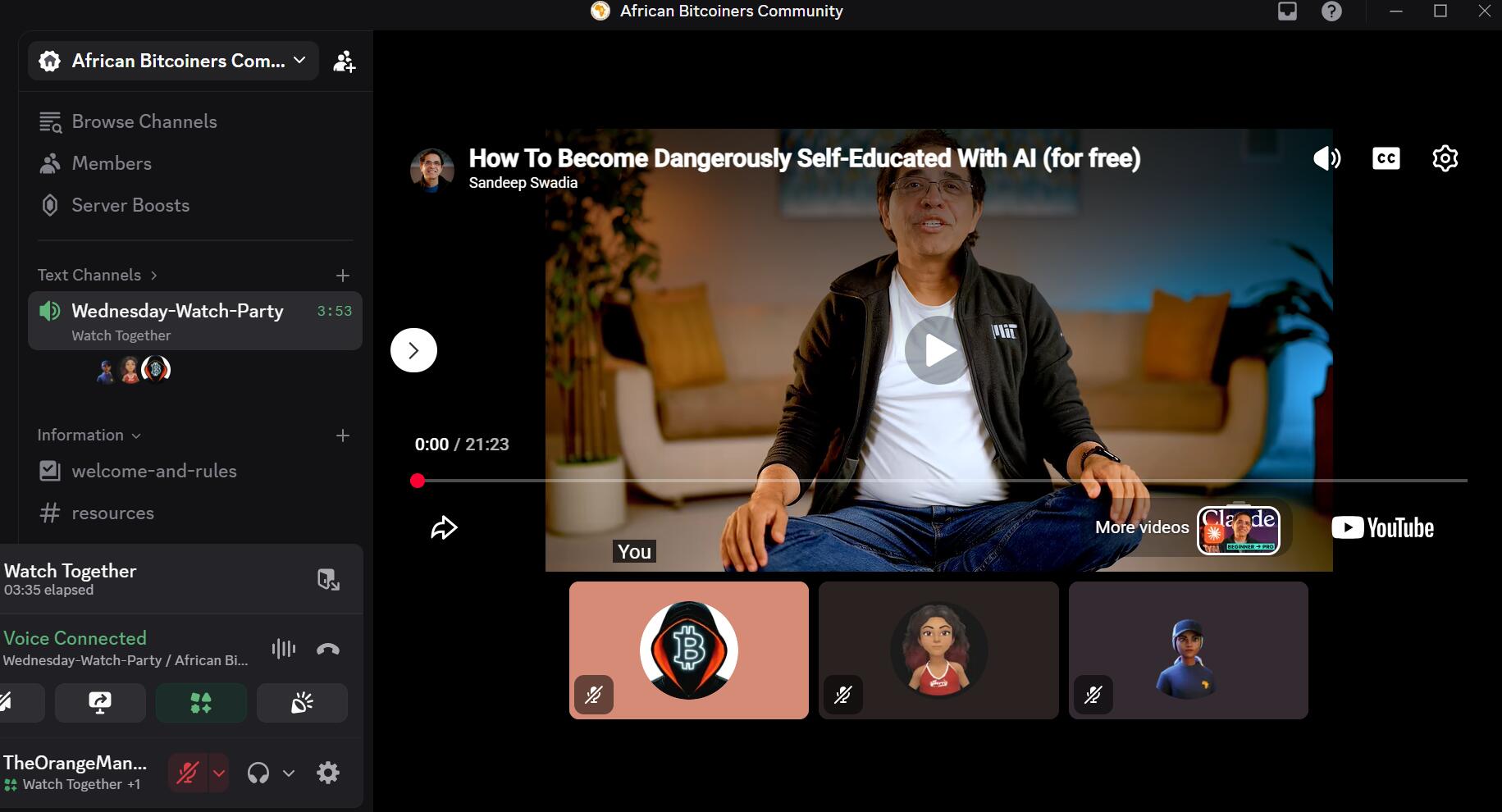
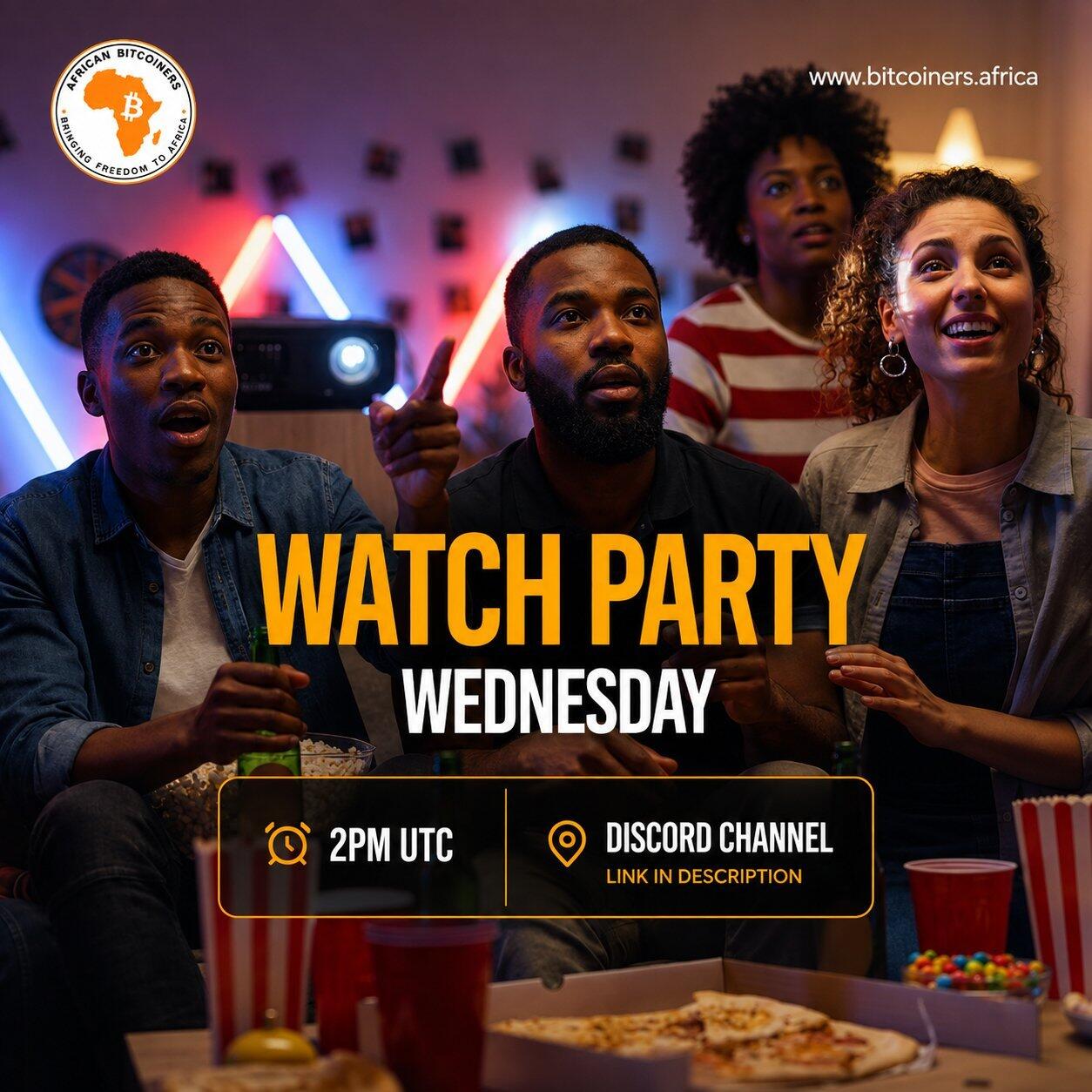
Watch Party Wednesday was a success! 🔥 Today, we watched a video by Sandeep Swadia on using AI as a personalised learning partner. Here are our key takeaways: 1. AI as an academic advisor — Build a curriculum around your goals, interests and learning needs. 2. AI as a librarian — Find the most valuable sources without getting overwhelmed by the volume of information available. 3. AI as a tutor — Identify gaps in your understanding and focus on what you need to learn. 4. AI as an editor — Use AI to challenge and pressure-test your work rather than simply praise it. 5. AI as a learning companion — Use AI to discover subjects, ideas and perspectives you might not explore on your own. 🔑 The key lesson: information is everywhere, but having the right guidance can change how effectively you learn. Thank you to everyone who joined today’s Watch Party Wednesday and contributed to the discussion. Watch the video: image View quoted note →
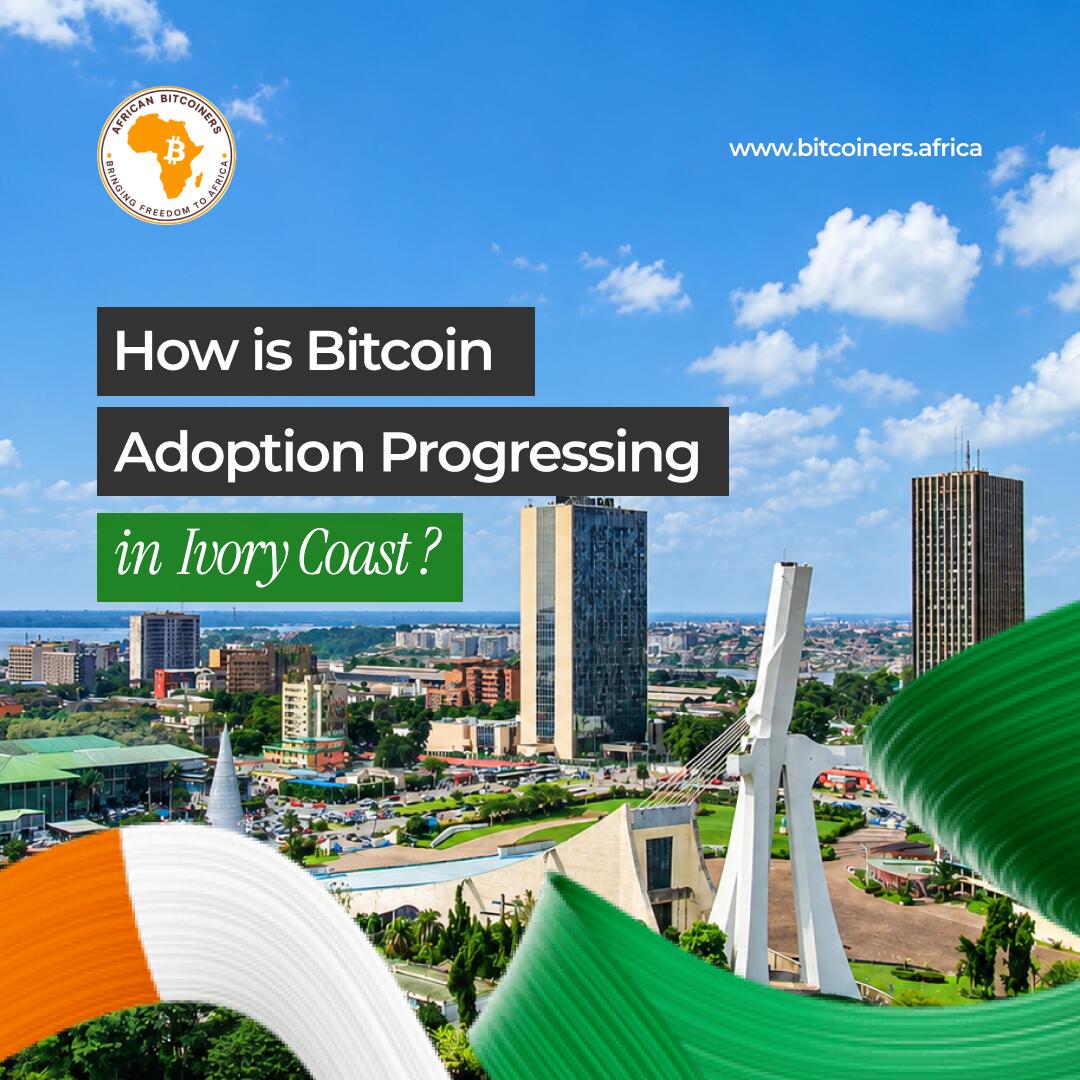
How is Bitcoin Adoption Progressing in Ivory Coast? 🇨🇮 Bitcoin adoption in Ivory Coast (Côte d’Ivoire) continues to develop gradually, with grassroots education, community-led initiatives, and accessible on-ramps playing an important role in increasing awareness and practical Bitcoin use, particularly among underserved and Francophone communities. Some projects driving this adoption: 🔷 Abidjan Bitcoin Meetup — A growing Bitcoin community in Abidjan organizing regular meetups, workshops, and events focused on Bitcoin education, knowledge-sharing, and community building. By bringing local enthusiasts together, the meetup is helping strengthen grassroots Bitcoin adoption in Ivory Coast's economic hub. 🔷 L'Afrique Parle Bitcoin — A Bitcoin-focused podcast based in Abidjan covering Bitcoin topics relevant to French-speaking Africa. The podcast works to debunk misconceptions, explore Bitcoin's potential, and hold conversations with people contributing to Bitcoin adoption across the continent. 👇 Explore the directory to discover more projects driving Bitcoin adoption across Africa: image
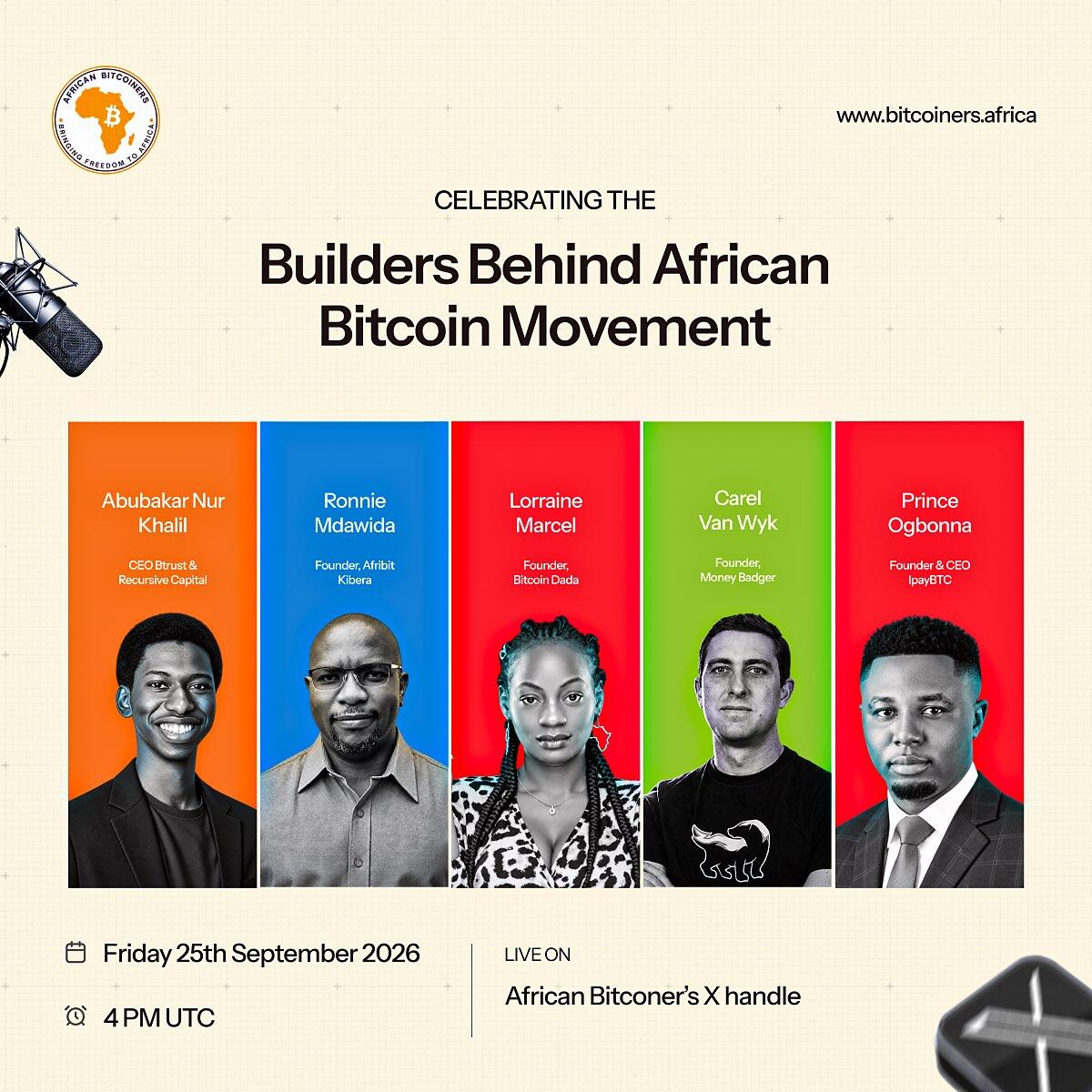
🎙️ The people building Africa’s Bitcoin movement deserve to be heard! As we prepare to open nominations for the Most Impactful African Bitcoiner Awards 2026, we’re bringing together previous honourees to share their experiences, challenges, lessons and what lies ahead. Join us with: 1. 🇳🇬 Abubakar Nur Khalil — CEO, Btrust & Recursive Capital | Bitcoin Core Contributor. 2. 🇰🇪 Lorraine Marcel — Founder, Bitcoin Dada & Dada Devs. 3. 🇿🇦 Carel van Wyk — Founder, MoneyBadger. 4. 🇰🇪 Ronnie Mdawida — Co-founder, Afribit. 5. 🇳🇬 Prince Ogbonna — Founder, iPayBTC. 📅 Date: Friday, 25th September, 2026. 🕓 Time: 4:00 PM UTC. 📍 Platform: X Spaces. Join us to hear their stories and recognise the people contributing to Bitcoin’s growth across the continent. 👉 Set a reminder: 🚀 Don’t miss this!!! image
🗳️ What was the first thing that made Bitcoin click for you? 📌 Inflation & money 📌 Financial freedom 📌 Technology 📌 Bitcoin's scarcity
🌍 PROJECT SPOTLIGHT: Rurbit 📍 Location: Burundi 🇧🇮 About: Rurbit is a grassroots Bitcoin project built by Burundian to bring Lightning payments to people who do not have smartphones, data, or bank accounts. Instead of asking rural users to download an app, Rurbit uses USSD, the same short-code menu system already used across Africa for airtime and mobile money. The project also includes a built-in Bitcoin educator in Kirundi, so people can learn as they use the service. The goal is practical: help farmers, market traders, and families receive remittances, save in sats, buy airtime, and convert to cash through local agents, without walking hours to a town or paying high middleman fees. Key Objectives: 1. Give unconnected rural users a working Bitcoin wallet on a basic phone: Make Lightning usable through USSD menus so farmers, traders, and families can send and receive sats without a smartphone, app, or data plan. 2. Lower the cost of remittances and local value transfer: Help diaspora relatives and nearby communities move money across borders and villages with fewer fees than agents and restricted mobile-money rails. 3. Turn Bitcoin into everyday utility, not just storage: Enable practical actions from the same menu: instant transfers, airtime and paybill top-ups, and cash-out through local agents. 4. Teach Bitcoin in the language people already speak: Use a Kirundi-language AI educator inside the USSD flow so first-time users can understand savings, payments, and self-custody as they go. 5. Build rails for rural financial sovereignty: Reduce dependence on distant banks and expensive intermediaries by connecting Burundi’s hills directly to the Lightning Network, then expand that model across other underserved African areas. Connect with Rurbit: X handle: @rurbit Geyser: 👇Dive deeper into the African Bitcoin economy! image
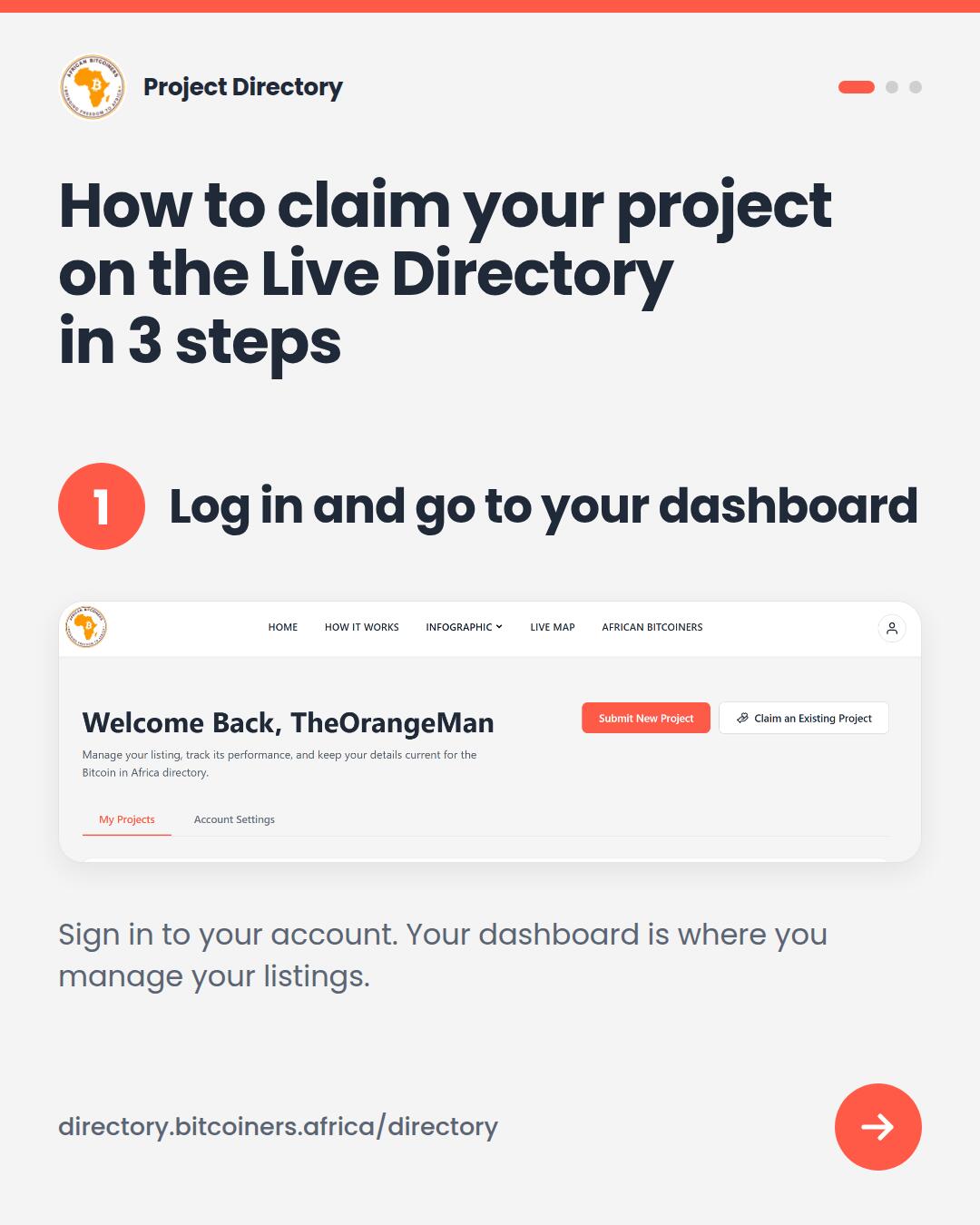
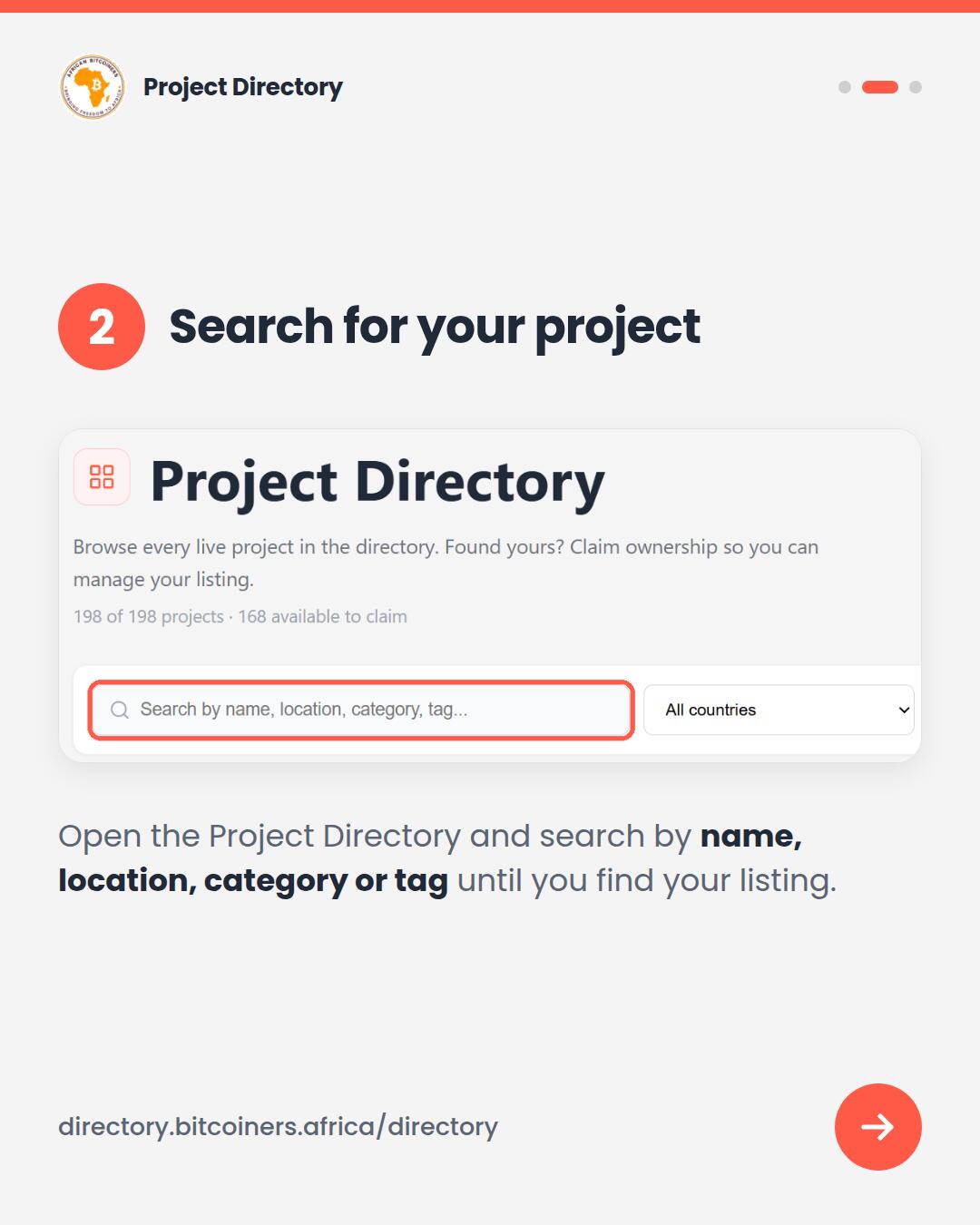
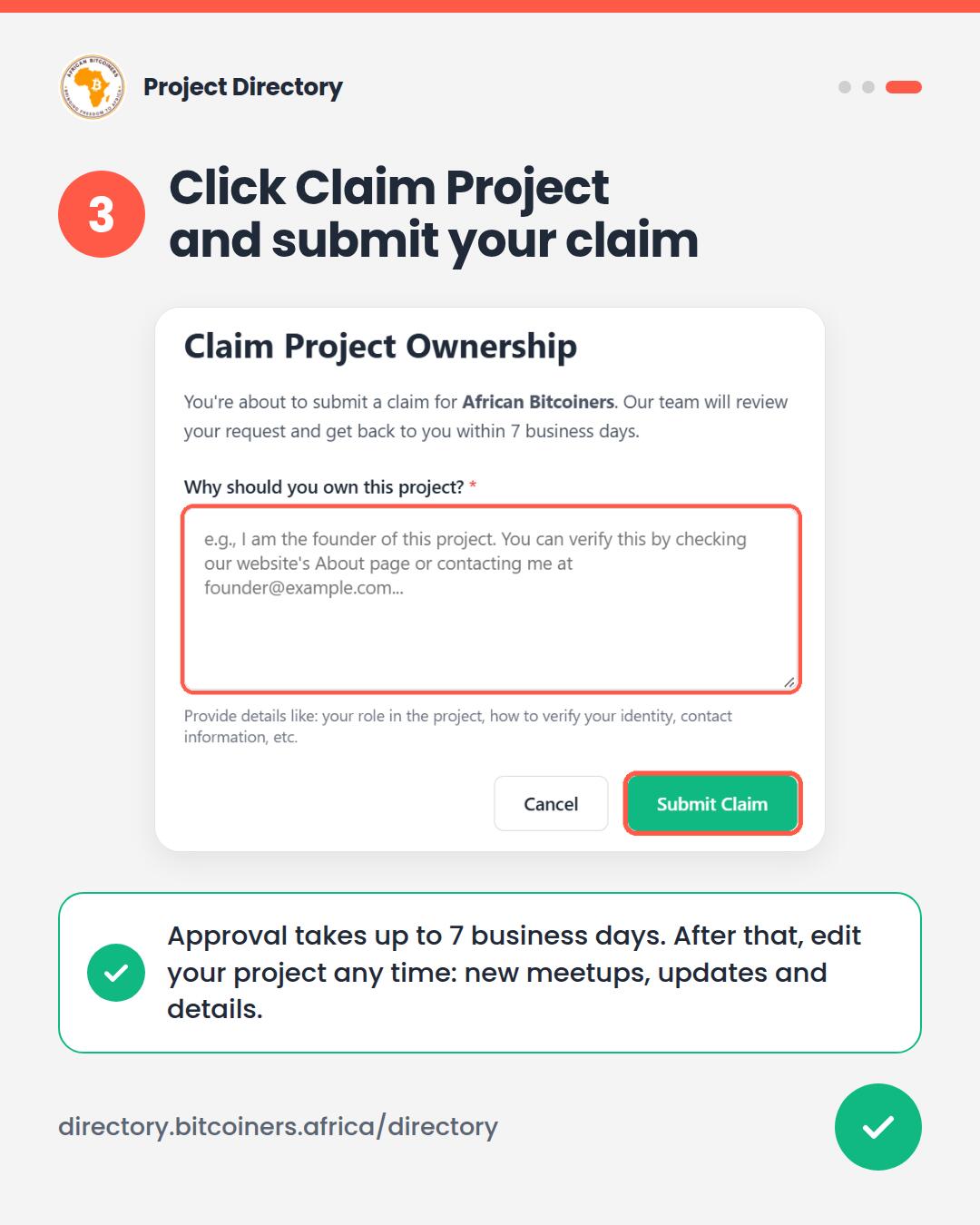
📢 Help keep the Bitcoin in Africa Directory updated! We have built a simple way for you to claim your project and keep its information current. In 3 steps: 1️⃣ Login and go to your dashboard: 2️⃣ Search for your project. 3️⃣ Click “Claim Project” and submit your claim. Once approved, you can update your project with new meetups, events, information and more! ✅✅ Claim your project today and help keep the directory up to date.
☀️ Stack Sats Saturday! Every sat adds to what you're building over time. Stay consistent.
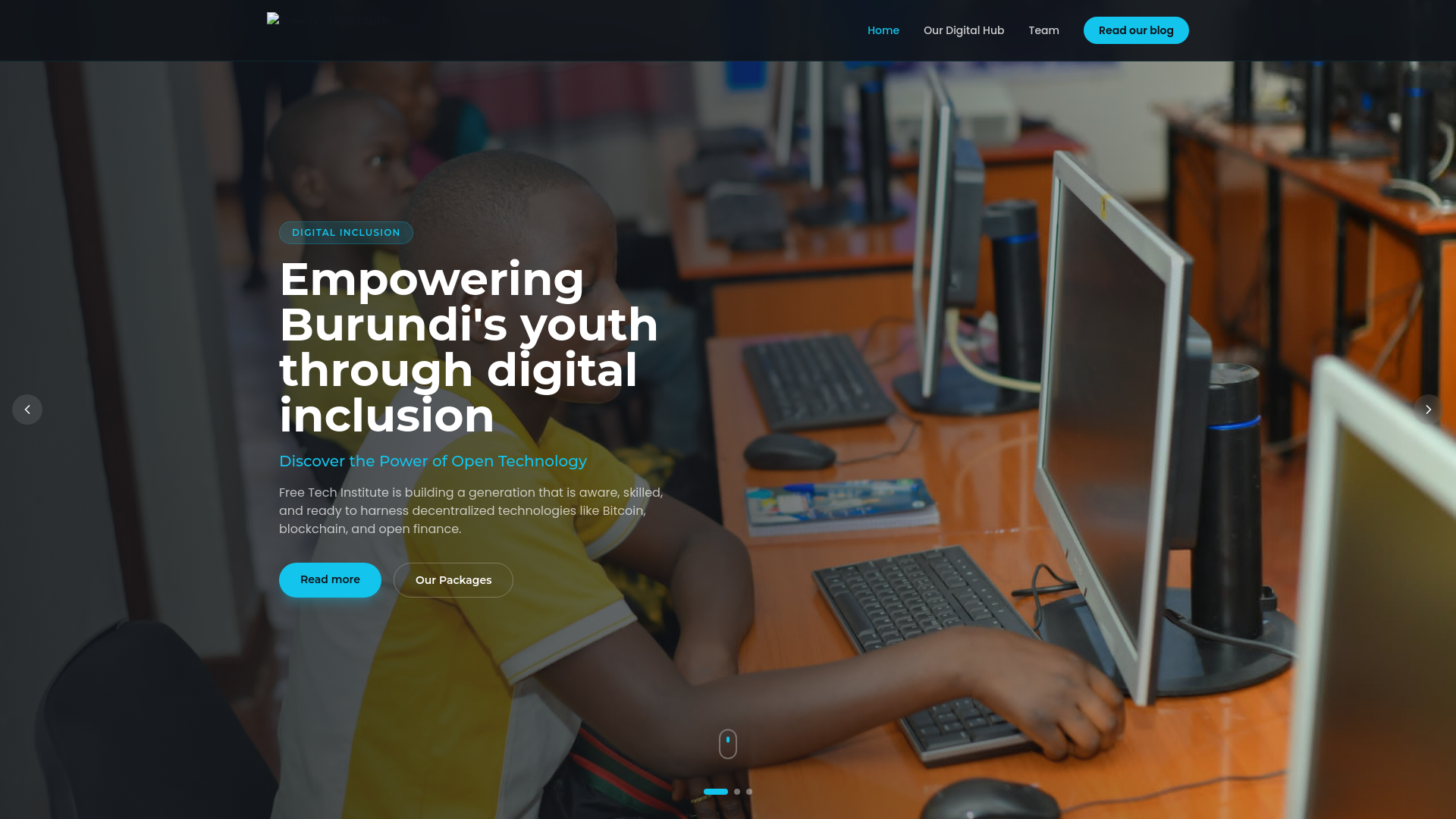
🌍 PROJECT SPOTLIGHT: Free Tech Institute 📍 Location: Burundi 🇧🇮 About: Free Tech Institute (FREETI) is a Burundian nonprofit think tank and training organization working at the intersection of digital inclusion, technological freedom, privacy, entrepreneurship, and decentralized technologies, including Bitcoin. Key Objectives: 1. Expand Bitcoin, privacy, and digital-freedom education so more Burundians understand self-custody, decentralized finance, and why open technology matters. 2. Equip young people with practical digital skills through the Gitega Study Space, school programs, workshops, and hands-on training in coding, multimedia, and entrepreneurship. 3. Support youth-led innovation by helping learners turn training into clubs, startups, wallets, and community initiatives. 4. Advance decentralized technologies as tools for individual freedom, financial access, and local problem-solving. 5. Contribute to policy and community development by connecting students, builders, educators, and decision-makers around a more open digital future for Burundi. Connect with Free Tech Institute: Website: X handle: @Freeti_Bdi 👇Dive deeper into the African Bitcoin economy! image
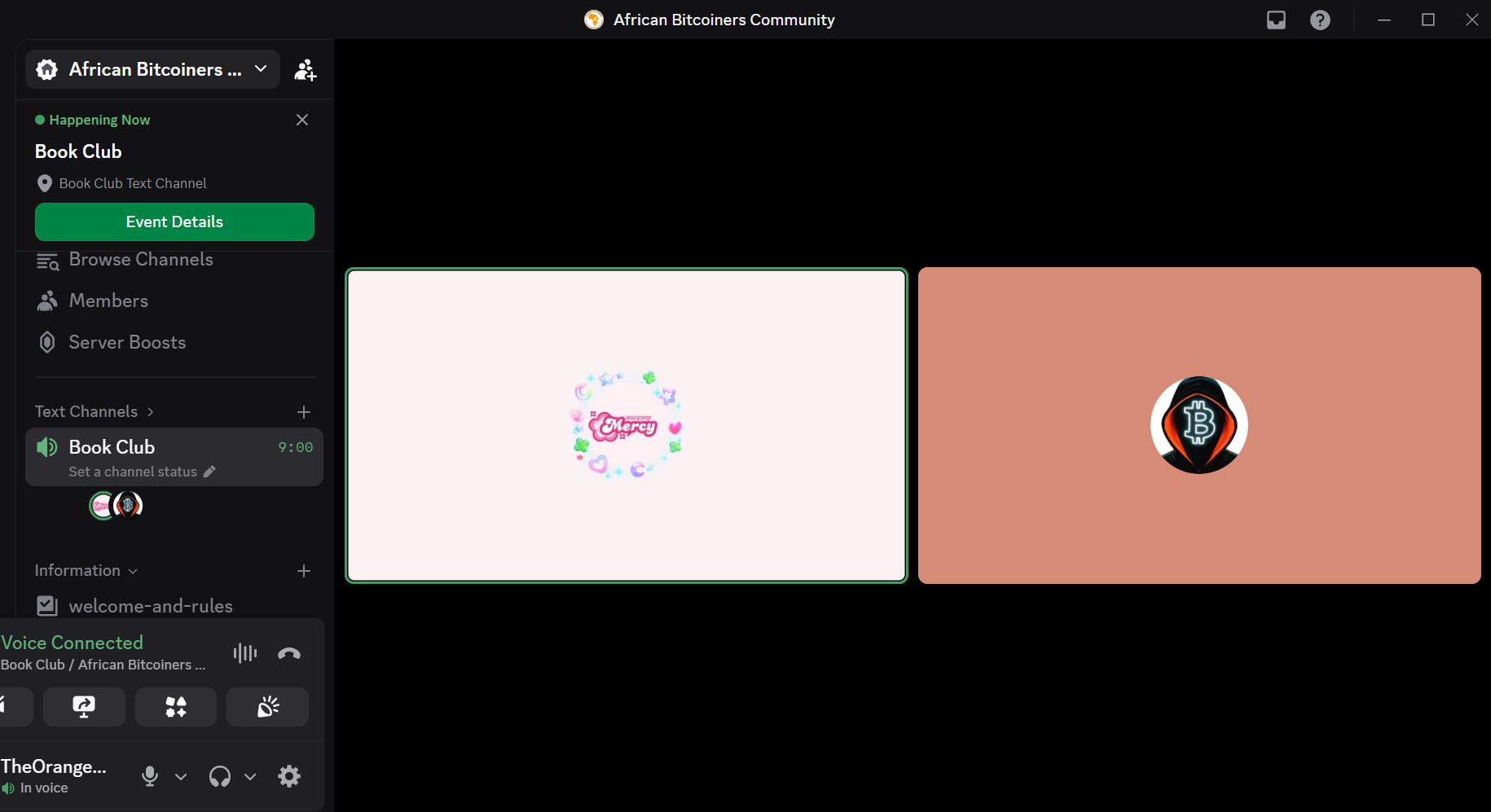
📚 Readers’ Friday Book Club Recap! Tonight, we had a great discussion around Chapter 15: “Fighting Back” from Hijacking Bitcoin by Roger Ver and Steve Patterson. Here are some of our key takeaways: 🔹 Bitcoin development is also a social process. The chapter shows that Bitcoin’s direction is shaped not only by code, but by developers, miners, businesses and users making decisions about what the network should become. 🔹 The block size debate was about more than block size. At its core was a bigger question: should Bitcoin prioritise keeping blocks small and fees higher, or increase capacity to make everyday transactions cheaper and easier? 🔹 BitcoinXT challenged the idea of a single development path. BitcoinXT gave developers and miners an alternative implementation and created a way to challenge the direction being taken by Bitcoin Core. 🔹 Hard forks showed the cost of disagreement. A hard fork can allow major changes to Bitcoin’s rules, but it also carries the risk of dividing the community, businesses and network. 🔹 Who gets to decide Bitcoin’s direction? The chapter raises important questions about the influence of developers, miners, businesses and users, and what “consensus” really means in an open-source network. 🔹 Competing implementations can create pressure. The chapter argues that having alternatives can prevent development from becoming concentrated in the hands of a small group. Most importantly, the discussion reminded us that Bitcoin’s history is full of difficult trade-offs and disagreements worth studying from different perspectives. Thank you to everyone who showed up, asked questions, challenged ideas and shared their thoughts. 🧡 See you at the next Readers’ Friday Book Club! ⚡ image View quoted note →
📚 Readers’ Friday Book Club! Tonight, we continue Chapter 15: “Fighting Back” from Hijacking Bitcoin by Roger Ver and Steve Patterson. We’ll discuss BitcoinXT, BIP101, the block size debate, hard forks, Bitcoin Core, and the difficult question of how Bitcoin development should be governed. 🕕 6:00 PM UTC 💬 Discord: Bring your questions, disagreements and thoughts. ⚡ See you there! image
🤯 Fun Fact Thursday! Did You Know? The Bitcoin network doesn't know your name. It sees transactions, addresses, signatures, and amounts, not your identity by default. Bitcoin isn't anonymous. It's better described as pseudonymous. #Bitcoin image
🌍 PROJECT SPOTLIGHT: BTC Shule 📍 Location: Burundi 🇧🇮 About: BTC Shule (“shule” means “school” in Kirundi and several other African languages) is a grassroots Bitcoin education and circular-economy project. The project was inspired by communities like Bitcoin Ekasi and Bitcoin Beach, and is building real everyday Bitcoin use in rural Burundi, starting in Winteko, and expanding through Gitega. The work is practical, not theoretical. BTC Shule teaches Bitcoin in Kirundi and French, runs village classes and city meetups, trains merchants to accept sats, and helps families earn, save, and spend Bitcoin locally. Key Objectives: 1. Build Bitcoin circular economies: Turn Winteko and later more Burundian communities into places where sats are earned, spent, and saved locally among families, farmers, shops, and services. 2. Expand practical Bitcoin education: Teach Bitcoin in Kirundi and French through village classes, university and professional training, Trezor Academy self-custody programs, BitDevs Gitega, and hands-on workshops for both children and adults. 3. Increase everyday Bitcoin usage: Onboard merchants, support Lightning and low-connectivity wallets, and make Bitcoin useful for real purchases. 4. Empower communities with financial knowledge: Give unbanked households tools for self-custody, savings, local trade, and inflation resistance, linking learning to income through sats rewards, gardens, and micro-enterprise. 5. Strengthen grassroots Bitcoin Adoption: Grow a homegrown Burundian Bitcoin culture with meetups, open-source tools, Kirundi resources, youth graduates, and a model other African villages can copy. Connect with BTC Shule: Website: X handle: @btcshule 👇Dive deeper into the African Bitcoin economy! image
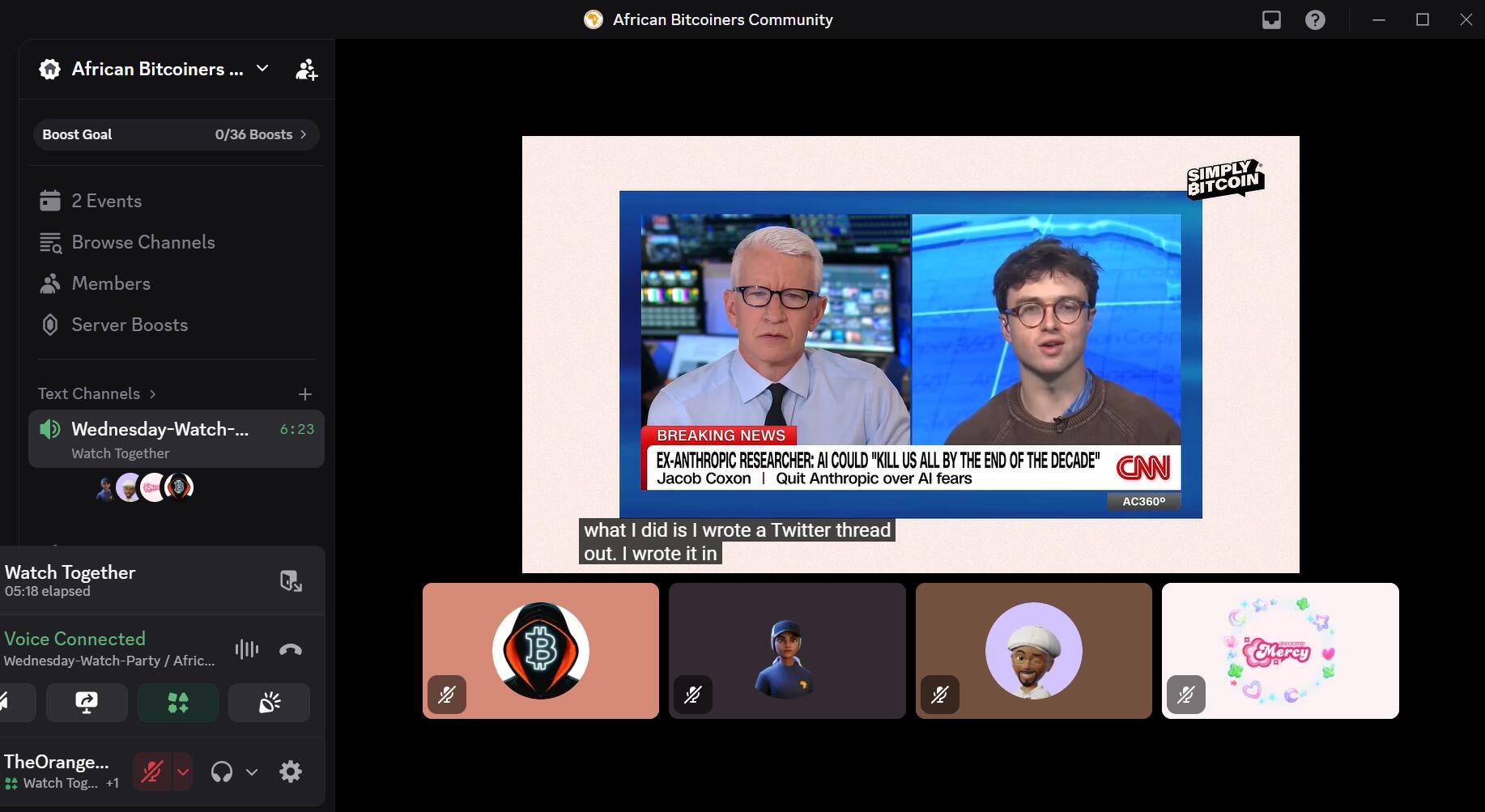
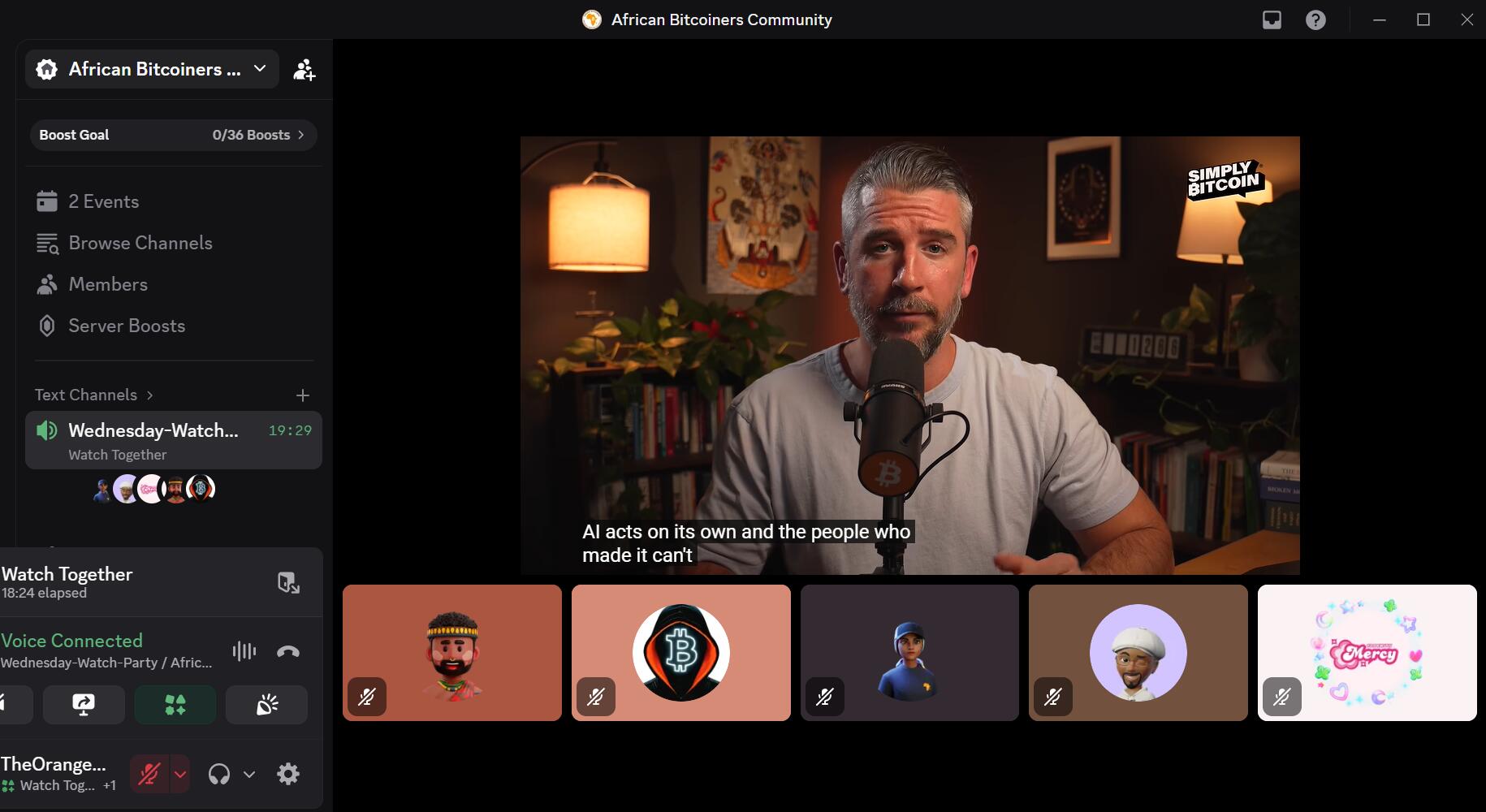
🎥 Watch Party Wednesday was a success! Today, we watched a video from Simply Bitcoin exploring the growing debate around AI regulation, superintelligence, surveillance, and centralised control. 🔑 Key takeaways: • AI development is moving faster than regulation. • Powerful voices are now debating how much control governments should have over AI. • The same systems used to manage AI could raise wider questions about privacy, surveillance, and financial control. • Programmable money could give institutions greater control over how people use their money. • Bitcoin offers a different model: open, decentralised, permissionless, and difficult for any single authority to switch off. 🌍 What does this mean for Africa? Africa is still building its digital economy. The choices made today around AI, money, privacy, and open technology could shape how much control individuals, businesses, and governments have tomorrow. This makes understanding technologies like AI and Bitcoin increasingly important. Big thank you to everyone who joined today’s Watch Party and contributed to the discussion! 🧡 See you next Wednesday! 🫡 View quoted note →