
 🇪🇺 🚨 PRIVACY ALERT | "LA UE IMPONE CÁMARAS DE ATENCIÓN EN LOS COCHES NUEVOS"
Desde HOY, ningún coche nuevo puede matricularse en la Unión Europea sin el sistema ADDW, la fase final del Reglamento General de Seguridad (UE2019/2144).
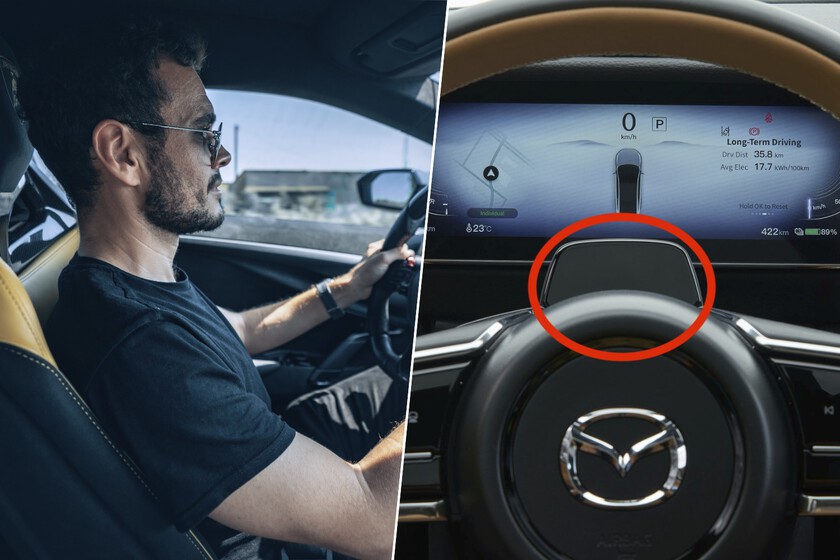
Una cámara interior, habitualmente infrarroja para operar de noche, sigue el movimiento de los ojos y la cabeza del conductor. Si la mirada abandona la vía más de 3,5 segundos por encima de 50 km/h, el vehículo emite alertas sonoras y vibraciones en el volante.
La norma exige que el sistema funcione en circuito cerrado y sin datos biométricos identificables. Esa garantía descansa en el fabricante, dentro de un coche conectado que ya comercializa información de sus ocupantes.
La misma normativa generaliza además la caja negra EDR, que registra velocidad, frenado y dirección. La seguridad vial es el argumento, y es sólido; la infraestructura de observación que queda instalada permanecerá cuando el argumento ya no se discuta.
🇪🇺 🚨 PRIVACY ALERT | “THE EU IMPOSES ATTENTION CAMERAS IN NEW CARS”
As of TODAY, no new car can be registered in the European Union without the ADDW system, the final phase of the General Safety Regulation (EU 2019/2144).
An interior camera, usually infrared to operate at night, tracks the driver’s eye and head movements. If the driver’s gaze leaves the road for more than 3.5 seconds above 50 km/h, the vehicle emits audible alerts and vibrations in the steering wheel.
The rule requires the system to operate in a closed circuit and without identifiable biometric data. That guarantee rests with the manufacturer, inside a connected car that already markets information about its occupants.
The same regulation also makes the EDR black box standard, which records speed, braking, and steering. Road safety is the argument, and a solid one; the surveillance infrastructure that is installed will remain when that argument is no longer debated.
🗞
🇪🇺 🚨 PRIVACY ALERT | "LA UE IMPONE CÁMARAS DE ATENCIÓN EN LOS COCHES NUEVOS"
Desde HOY, ningún coche nuevo puede matricularse en la Unión Europea sin el sistema ADDW, la fase final del Reglamento General de Seguridad (UE2019/2144).
Una cámara interior, habitualmente infrarroja para operar de noche, sigue el movimiento de los ojos y la cabeza del conductor. Si la mirada abandona la vía más de 3,5 segundos por encima de 50 km/h, el vehículo emite alertas sonoras y vibraciones en el volante.
La norma exige que el sistema funcione en circuito cerrado y sin datos biométricos identificables. Esa garantía descansa en el fabricante, dentro de un coche conectado que ya comercializa información de sus ocupantes.
La misma normativa generaliza además la caja negra EDR, que registra velocidad, frenado y dirección. La seguridad vial es el argumento, y es sólido; la infraestructura de observación que queda instalada permanecerá cuando el argumento ya no se discuta.
🇪🇺 🚨 PRIVACY ALERT | “THE EU IMPOSES ATTENTION CAMERAS IN NEW CARS”
As of TODAY, no new car can be registered in the European Union without the ADDW system, the final phase of the General Safety Regulation (EU 2019/2144).
An interior camera, usually infrared to operate at night, tracks the driver’s eye and head movements. If the driver’s gaze leaves the road for more than 3.5 seconds above 50 km/h, the vehicle emits audible alerts and vibrations in the steering wheel.
The rule requires the system to operate in a closed circuit and without identifiable biometric data. That guarantee rests with the manufacturer, inside a connected car that already markets information about its occupants.
The same regulation also makes the EDR black box standard, which records speed, braking, and steering. Road safety is the argument, and a solid one; the surveillance infrastructure that is installed will remain when that argument is no longer debated.
🗞 
A partir de julio, todos los nuevos coches fabricados incorporarán una molesta novedad: muchísimos más pitidos
Desde hace dos años, desde junio de 2024, todos los coches nuevos pitan. 
Pitan mucho. 
Es la primera decepción que se lleva to...
 Google ha respondido a la comisión europea respecto a compartir ciertos datos anonimizados a la competencia y advierte que esta medida supone un riesgo grave para la privacidad de las personas.
Un experto de la compañía ha señalado a los reguladores europeos que los métodos de anonimización propuestos no son seguros, ya que las herramientas actuales de inteligencia artificial pueden analizar patrones y volver a identificar a usuarios concretos con facilidad. De hecho, un equipo interno de Google logró hacerlo en menos de dos horas durante pruebas simuladas.
Esto permitiría reconstruir hábitos muy personales: qué se busca en internet, en qué páginas se hace clic, el idioma usado, el dispositivo, la ubicación aproximada y detalles sensibles como temas de salud, preferencias o situaciones económicas.
Aunque Bruselas propone varias protecciones, como eliminar identificadores directos, cifrado y auditorías, Google considera que siguen siendo insuficientes y que los datos podrían acabar en manos de competidores, incluidos asistentes de IA como los de OpenAI.
La empresa defiende que no quiere comprometer la confianza de sus usuarios, mientras que sus rivales acusan a Google de exagerar el peligro para mantener su posición dominante.
🗞 elchapuzasinformatico.com/2026/05/google-union-europea-un-peligro-para-privacidad-de-usuarios-en-internet/
📱 Google responds to the European Commission
Google has responded to the European Commission regarding the sharing of certain anonymized data with competitors and warns that this measure poses a serious risk to people’s privacy.
An expert at the company told European regulators that the proposed anonymization methods are not secure, since current artificial intelligence tools can analyze patterns and easily re-identify specific users. In fact, an internal Google team managed to do so in less than two hours during simulated tests.
This could make it possible to reconstruct very personal habits: what is searched for online, which pages are clicked, the language used, the device, the approximate location, and sensitive details such as health issues, preferences, or financial situations.
Although Brussels is proposing several safeguards, such as removing direct identifiers, encryption, and audits, Google считает that these remain insufficient and that the data could end up in the hands of competitors, including AI assistants like OpenAI’s.
The company argues that it does not want to compromise its users’ trust, while its rivals accuse Google of exaggerating the danger in order to maintain its dominant position.
🗞 elchapuzasinformatico.com/2026/05/google-union-europea-un-peligro-para-privacidad-de-usuarios-en-internet/
Google ha respondido a la comisión europea respecto a compartir ciertos datos anonimizados a la competencia y advierte que esta medida supone un riesgo grave para la privacidad de las personas.
Un experto de la compañía ha señalado a los reguladores europeos que los métodos de anonimización propuestos no son seguros, ya que las herramientas actuales de inteligencia artificial pueden analizar patrones y volver a identificar a usuarios concretos con facilidad. De hecho, un equipo interno de Google logró hacerlo en menos de dos horas durante pruebas simuladas.
Esto permitiría reconstruir hábitos muy personales: qué se busca en internet, en qué páginas se hace clic, el idioma usado, el dispositivo, la ubicación aproximada y detalles sensibles como temas de salud, preferencias o situaciones económicas.
Aunque Bruselas propone varias protecciones, como eliminar identificadores directos, cifrado y auditorías, Google considera que siguen siendo insuficientes y que los datos podrían acabar en manos de competidores, incluidos asistentes de IA como los de OpenAI.
La empresa defiende que no quiere comprometer la confianza de sus usuarios, mientras que sus rivales acusan a Google de exagerar el peligro para mantener su posición dominante.
🗞 elchapuzasinformatico.com/2026/05/google-union-europea-un-peligro-para-privacidad-de-usuarios-en-internet/
📱 Google responds to the European Commission
Google has responded to the European Commission regarding the sharing of certain anonymized data with competitors and warns that this measure poses a serious risk to people’s privacy.
An expert at the company told European regulators that the proposed anonymization methods are not secure, since current artificial intelligence tools can analyze patterns and easily re-identify specific users. In fact, an internal Google team managed to do so in less than two hours during simulated tests.
This could make it possible to reconstruct very personal habits: what is searched for online, which pages are clicked, the language used, the device, the approximate location, and sensitive details such as health issues, preferences, or financial situations.
Although Brussels is proposing several safeguards, such as removing direct identifiers, encryption, and audits, Google считает that these remain insufficient and that the data could end up in the hands of competitors, including AI assistants like OpenAI’s.
The company argues that it does not want to compromise its users’ trust, while its rivals accuse Google of exaggerating the danger in order to maintain its dominant position.
🗞 elchapuzasinformatico.com/2026/05/google-union-europea-un-peligro-para-privacidad-de-usuarios-en-internet/

 🔓| Susto en el gestor de contraseñas Bitwarden
Los desarrolladores que usan la herramienta de línea de comandos de Bitwarden se vieron afectados por una versión maliciosa (
🔓| Susto en el gestor de contraseñas Bitwarden
Los desarrolladores que usan la herramienta de línea de comandos de Bitwarden se vieron afectados por una versión maliciosa (


 🇫🇷 | Francia dice adiós a Windows
Europa quiere avanzar hacia la independencia tecnológica total en sus sistemas digitales (En teoría).
El problema radica principalmente en la dependencia de gigantes tecnológicos estadounidenses. Estos proveedores, aunque operan en Europa, están obligados por leyes de su país a entregar información almacenada en servidores locales sin notificar a las autoridades europeas, lo que genera un conflicto directo con las estrictas normativas de protección de datos de Europa.
Un ejemplo reciente: la cuenta de correo electrónico del fiscal jefe de la Corte Penal Internacional fue bloqueada por sanciones impuestas desde Estados Unidos, paralizando de forma inesperada el trabajo de una institución clave a nivel mundial y demostrando cómo decisiones políticas ajenas pueden interferir en asuntos europeos.
Algunos paísese ya han tomado acción y ahora parece que le toca a Francia.
Francia ha anunciado planes para reemplazar aplicaciones como Teams y Zoom por alternativas nacionales antes de 2027.
En Dinamarca y en algunas regiones de Alemania, las escuelas y administraciones públicas han comenzado a eliminar o reducir drásticamente el uso de productos de Microsoft.
Me pregunto si solo se dedicarán a utilizar aplicaciones open-source o realmente las apoyarán.
#hola #Nostr #hispano #Noticias #propaganda #internet #Windows #Linux #IOS #AI #Meta #InteligenciaArtificial #Tecnología #Google #Anthropic #IA #AppleUK #Apple #Seguridad #iPhone#Microsoft #Francia #IndependenciaTecnologica #SoberaniaDigital #ProteccionDatos #OpenSource #Microsoft #EEUUvsEuropa #TecnologiaLibre
🇫🇷 | France Says Goodbye to Windows
Europe aims for total technological independence in its digital systems (in theory).
The main issue lies in its dependence on U.S. tech giants. These providers, though operating in Europe, are legally required by their home country’s laws to hand over data stored on local servers without notifying European authorities—directly clashing with Europe’s strict data protection regulations.
A recent example: the email account of the chief prosecutor of the International Criminal Court was blocked due to U.S. sanctions, unexpectedly halting the work of a globally critical institution and showing how foreign political decisions can interfere in European affairs.
Some countries have already taken action, and now it seems France’s turn.
France has announced plans to replace apps like Teams and Zoom with domestic alternatives before 2027.
In Denmark and some regions of Germany, schools and public administrations have begun drastically reducing or eliminating Microsoft products.
I wonder if they’ll just rely on open-source applications or if they’ll truly support them.
#hello #Nostr #News #propaganda #internet #Windows #Linux #iOS #AI #Meta #ArtificialIntelligence #Technology #Google #Anthropic #AI #AppleUK #Apple #Security #iPhone #Microsoft #France #TechIndependence #DigitalSovereignty #DataProtection #OpenSource #USvsEurope #FreeTech
🇫🇷 | Francia dice adiós a Windows
Europa quiere avanzar hacia la independencia tecnológica total en sus sistemas digitales (En teoría).
El problema radica principalmente en la dependencia de gigantes tecnológicos estadounidenses. Estos proveedores, aunque operan en Europa, están obligados por leyes de su país a entregar información almacenada en servidores locales sin notificar a las autoridades europeas, lo que genera un conflicto directo con las estrictas normativas de protección de datos de Europa.
Un ejemplo reciente: la cuenta de correo electrónico del fiscal jefe de la Corte Penal Internacional fue bloqueada por sanciones impuestas desde Estados Unidos, paralizando de forma inesperada el trabajo de una institución clave a nivel mundial y demostrando cómo decisiones políticas ajenas pueden interferir en asuntos europeos.
Algunos paísese ya han tomado acción y ahora parece que le toca a Francia.
Francia ha anunciado planes para reemplazar aplicaciones como Teams y Zoom por alternativas nacionales antes de 2027.
En Dinamarca y en algunas regiones de Alemania, las escuelas y administraciones públicas han comenzado a eliminar o reducir drásticamente el uso de productos de Microsoft.
Me pregunto si solo se dedicarán a utilizar aplicaciones open-source o realmente las apoyarán.
#hola #Nostr #hispano #Noticias #propaganda #internet #Windows #Linux #IOS #AI #Meta #InteligenciaArtificial #Tecnología #Google #Anthropic #IA #AppleUK #Apple #Seguridad #iPhone#Microsoft #Francia #IndependenciaTecnologica #SoberaniaDigital #ProteccionDatos #OpenSource #Microsoft #EEUUvsEuropa #TecnologiaLibre
🇫🇷 | France Says Goodbye to Windows
Europe aims for total technological independence in its digital systems (in theory).
The main issue lies in its dependence on U.S. tech giants. These providers, though operating in Europe, are legally required by their home country’s laws to hand over data stored on local servers without notifying European authorities—directly clashing with Europe’s strict data protection regulations.
A recent example: the email account of the chief prosecutor of the International Criminal Court was blocked due to U.S. sanctions, unexpectedly halting the work of a globally critical institution and showing how foreign political decisions can interfere in European affairs.
Some countries have already taken action, and now it seems France’s turn.
France has announced plans to replace apps like Teams and Zoom with domestic alternatives before 2027.
In Denmark and some regions of Germany, schools and public administrations have begun drastically reducing or eliminating Microsoft products.
I wonder if they’ll just rely on open-source applications or if they’ll truly support them.
#hello #Nostr #News #propaganda #internet #Windows #Linux #iOS #AI #Meta #ArtificialIntelligence #Technology #Google #Anthropic #AI #AppleUK #Apple #Security #iPhone #Microsoft #France #TechIndependence #DigitalSovereignty #DataProtection #OpenSource #USvsEurope #FreeTech 📱 Más noticias de miedo contra Signal:
Recientemente se ha hecho viral una noticia:
"Se logra romper Signal, han accedido a la app".
Sin embargo, la realidad (como de costumbre) es algo diferente.
A pesar de lo que se trata de hacer pensar, no se ha roto el cifrado de Signal ni nada por el estilo.
Lo que ha sucedido es que tras haber accedido a un dispostivo con iOS, has logrado extraer ciertos mensajes, gracias a las notificaciones Push.
Cuando llegan mensajes a través de Signal, el iPhone almacena automáticamente vistas previas de las notificaciones push (incluyendo el nombre del remitente y el contenido del mensaje) en una base de datos local del dispositivo. Estas vistas previas permanecen en el caché de notificaciones aunque la aplicación se elimine por completo.
Solo pudieron acceder a mensajes entrantes gracias a herramientas forenses pero aunque el mensaje estuviese pensado para autodestruirse, si se había almacenado en la caché de notificaciones en algún momento, podía reconstruirse.
Esto no es algo que afectase solo a Signal, sino a cualquier aplicación que hubiese hecho un uso similar de las notificaciones.
Esto destaca 2 cosas:
En primer lugar, que hay que ser consciente de todos los vectores de riesgo a los que nos exponemos.
En segundo lugar, la importancia de apagar nuestro dispositivo para iniciarlo "limpio".
Por otro lado, la difusión de forma errónea de lo sucedido, da que pensar, pues parece que hay cierto interés en aparentar que la app no es segura.
#hola #Nostr #hispano #Noticias #propaganda #internet #Windows #Linux #IOS #AI #Meta #Signal #SeguridadDigital #NotificacionesPush #PrivacidadEnRiesgo #CifradoIndestructible
📱 More Fearmongering News About Signal
A recent viral headline claims:
"Signal has been broken—hackers accessed the app."
But as usual, the reality is different.
Despite attempts to spread panic, Signal’s encryption remains unbroken. What actually happened was that after accessing an iOS device, certain messages were extracted thanks to push notifications.
When Signal messages arrive, iPhones automatically store push notification previews including sender names and message content in a local device database. These previews persist in the notification cache even if the app is completely deleted.
Forensic tools could only access incoming messages because they were cached in notifications. Even if a message was meant to self-destruct, if it had been stored in the notification cache at any point, it could be reconstructed.
This wasn’t unique to Signal—any app using push notifications in a similar way could be affected.
This incident highlights the need to be aware of all the attack vectors we expose ourselves to and the importance of powering off our devices to start them clean.
Additionally, the misleading spread of this news raises questions—it seems there’s an interest in making Signal appear less secure than it is.
#hello #Nostr #News #propaganda #internet #Windows #Linux #iOS #AI #Meta #Signal #DigitalSecurity #PushNotifications #PrivacyAtRisk #UnbreakableEncryption
📱 Más noticias de miedo contra Signal:
Recientemente se ha hecho viral una noticia:
"Se logra romper Signal, han accedido a la app".
Sin embargo, la realidad (como de costumbre) es algo diferente.
A pesar de lo que se trata de hacer pensar, no se ha roto el cifrado de Signal ni nada por el estilo.
Lo que ha sucedido es que tras haber accedido a un dispostivo con iOS, has logrado extraer ciertos mensajes, gracias a las notificaciones Push.
Cuando llegan mensajes a través de Signal, el iPhone almacena automáticamente vistas previas de las notificaciones push (incluyendo el nombre del remitente y el contenido del mensaje) en una base de datos local del dispositivo. Estas vistas previas permanecen en el caché de notificaciones aunque la aplicación se elimine por completo.
Solo pudieron acceder a mensajes entrantes gracias a herramientas forenses pero aunque el mensaje estuviese pensado para autodestruirse, si se había almacenado en la caché de notificaciones en algún momento, podía reconstruirse.
Esto no es algo que afectase solo a Signal, sino a cualquier aplicación que hubiese hecho un uso similar de las notificaciones.
Esto destaca 2 cosas:
En primer lugar, que hay que ser consciente de todos los vectores de riesgo a los que nos exponemos.
En segundo lugar, la importancia de apagar nuestro dispositivo para iniciarlo "limpio".
Por otro lado, la difusión de forma errónea de lo sucedido, da que pensar, pues parece que hay cierto interés en aparentar que la app no es segura.
#hola #Nostr #hispano #Noticias #propaganda #internet #Windows #Linux #IOS #AI #Meta #Signal #SeguridadDigital #NotificacionesPush #PrivacidadEnRiesgo #CifradoIndestructible
📱 More Fearmongering News About Signal
A recent viral headline claims:
"Signal has been broken—hackers accessed the app."
But as usual, the reality is different.
Despite attempts to spread panic, Signal’s encryption remains unbroken. What actually happened was that after accessing an iOS device, certain messages were extracted thanks to push notifications.
When Signal messages arrive, iPhones automatically store push notification previews including sender names and message content in a local device database. These previews persist in the notification cache even if the app is completely deleted.
Forensic tools could only access incoming messages because they were cached in notifications. Even if a message was meant to self-destruct, if it had been stored in the notification cache at any point, it could be reconstructed.
This wasn’t unique to Signal—any app using push notifications in a similar way could be affected.
This incident highlights the need to be aware of all the attack vectors we expose ourselves to and the importance of powering off our devices to start them clean.
Additionally, the misleading spread of this news raises questions—it seems there’s an interest in making Signal appear less secure than it is.
#hello #Nostr #News #propaganda #internet #Windows #Linux #iOS #AI #Meta #Signal #DigitalSecurity #PushNotifications #PrivacyAtRisk #UnbreakableEncryption


 🚨🇺🇸 | LA MAYOR BRECHA DE DATOS EDUCATIVOS DE LA HISTORIA EXPONE A 275 MILLONES DE ESTUDIANTES:
El grupo de hackers ShinyHunters robó 3,65 terabytes de datos de aproximadamente 275 millones de usuarios de Canvas, la plataforma educativa de Instructure, incluyendo mensajes privados entre estudiantes y profesores. El ataque es considerado la mayor brecha de seguridad educativa registrada, afectando a 8.809 universidades e instituciones en todo el mundo.
Lo más inquietante no es solo el robo: es lo que había almacenado. Canvas acumula conversaciones confidenciales sobre salud mental, solicitudes de adaptaciones por discapacidad y denuncias de acoso. Instructure acabó pagando el rescate a los criminales —cantidad no revelada, aunque se habla de 10 millones de dólares— a cambio de un documento que supuestamente certifica la destrucción de los datos. Los expertos en ciberseguridad advierten que esto solo incentiva futuros ataques.
El problema de fondo es estructural: los estudiantes nunca eligieron ni contrataron con Instructure, pero sus datos más íntimos llevan años acumulándose en sus servidores sin calendarios obligatorios de eliminación. La privacidad, sencillamente, no estaba en el diseño.
#hola #Nostr #hispano #Noticias #propaganda #internet #Windows #Linux #IOS #AI #Meta #InteligenciaArtificial #Tecnología #Google #Anthropic #IA #AppleUK #iOS264 #EEUU #InteligenciaArtificial #ChipsetSecretos #CIA #NSA #Supercomputación #SeguridadNacional #GuerraTecnológica #Ciberseguridad #FiltraciónDeDatos #PrivacidadDigital #Hackeo #Educación #Instructure #ShinyHunters #VigilanciaMasiva
🚨🇺🇸 | THE LARGEST EDUCATIONAL DATA BREACH IN HISTORY EXPOSES 275 MILLION STUDENTS:
The hacker group ShinyHunters stole 3.65 terabytes of data from approximately 275 million Canvas users, Instructure's educational platform, including private messages between students and teachers. The attack is considered the largest educational security breach on record, affecting 8,809 universities and institutions worldwide.
What's most disturbing isn't just the theft: it's what was stored. Canvas accumulates confidential conversations about mental health, disability accommodation requests, and harassment complaints. Instructure ended up paying the ransom to the criminals—a undisclosed amount, though reports suggest $10 million—in exchange for a document supposedly certifying the data's destruction. Cybersecurity experts warn this only incentivizes future attacks.
The root problem is structural: students never chose or contracted with Instructure, yet their most intimate data has been accumulating in its servers for years without mandatory deletion schedules. Privacy simply wasn't part of the design.
🚨🇺🇸 | LA MAYOR BRECHA DE DATOS EDUCATIVOS DE LA HISTORIA EXPONE A 275 MILLONES DE ESTUDIANTES:
El grupo de hackers ShinyHunters robó 3,65 terabytes de datos de aproximadamente 275 millones de usuarios de Canvas, la plataforma educativa de Instructure, incluyendo mensajes privados entre estudiantes y profesores. El ataque es considerado la mayor brecha de seguridad educativa registrada, afectando a 8.809 universidades e instituciones en todo el mundo.
Lo más inquietante no es solo el robo: es lo que había almacenado. Canvas acumula conversaciones confidenciales sobre salud mental, solicitudes de adaptaciones por discapacidad y denuncias de acoso. Instructure acabó pagando el rescate a los criminales —cantidad no revelada, aunque se habla de 10 millones de dólares— a cambio de un documento que supuestamente certifica la destrucción de los datos. Los expertos en ciberseguridad advierten que esto solo incentiva futuros ataques.
El problema de fondo es estructural: los estudiantes nunca eligieron ni contrataron con Instructure, pero sus datos más íntimos llevan años acumulándose en sus servidores sin calendarios obligatorios de eliminación. La privacidad, sencillamente, no estaba en el diseño.
#hola #Nostr #hispano #Noticias #propaganda #internet #Windows #Linux #IOS #AI #Meta #InteligenciaArtificial #Tecnología #Google #Anthropic #IA #AppleUK #iOS264 #EEUU #InteligenciaArtificial #ChipsetSecretos #CIA #NSA #Supercomputación #SeguridadNacional #GuerraTecnológica #Ciberseguridad #FiltraciónDeDatos #PrivacidadDigital #Hackeo #Educación #Instructure #ShinyHunters #VigilanciaMasiva
🚨🇺🇸 | THE LARGEST EDUCATIONAL DATA BREACH IN HISTORY EXPOSES 275 MILLION STUDENTS:
The hacker group ShinyHunters stole 3.65 terabytes of data from approximately 275 million Canvas users, Instructure's educational platform, including private messages between students and teachers. The attack is considered the largest educational security breach on record, affecting 8,809 universities and institutions worldwide.
What's most disturbing isn't just the theft: it's what was stored. Canvas accumulates confidential conversations about mental health, disability accommodation requests, and harassment complaints. Instructure ended up paying the ransom to the criminals—a undisclosed amount, though reports suggest $10 million—in exchange for a document supposedly certifying the data's destruction. Cybersecurity experts warn this only incentivizes future attacks.
The root problem is structural: students never chose or contracted with Instructure, yet their most intimate data has been accumulating in its servers for years without mandatory deletion schedules. Privacy simply wasn't part of the design.
