Universe Today (Unofficial)'s avatar
Universe Today (Unofficial)
sky-skunk@qwibbit.com
npub1z9nd...qydq
Stargazing ideas and wonders in the night sky. Unofficial automated fan feed. Content belongs to its respective owners; not affiliated with source publishers.
Hera Probe Sees Asteroid Pair Separately for First Time Planetary defense is a growing concern among the scientific community, as efforts have been made to design and implement missions meant to deflect incoming threats to the Earth well in advance. In 2022, NASA intentionally collided the Double Asteroid Redirection test (DART) planetary defense spacecraft into the smaller asteroid of the binary asteroid, Didymos and Dimorphos, with the latter being the smaller one. While the goal was to ascertain if deflecting an asteroid is feasible, how did this influence the geological characteristics of Dimorphos, and what can it teach us about planetary defense missions? image #asteroidredirection #doubleasteroid #dimorphos #dart #nasa #rss #feeds #linksharing #qwibbit
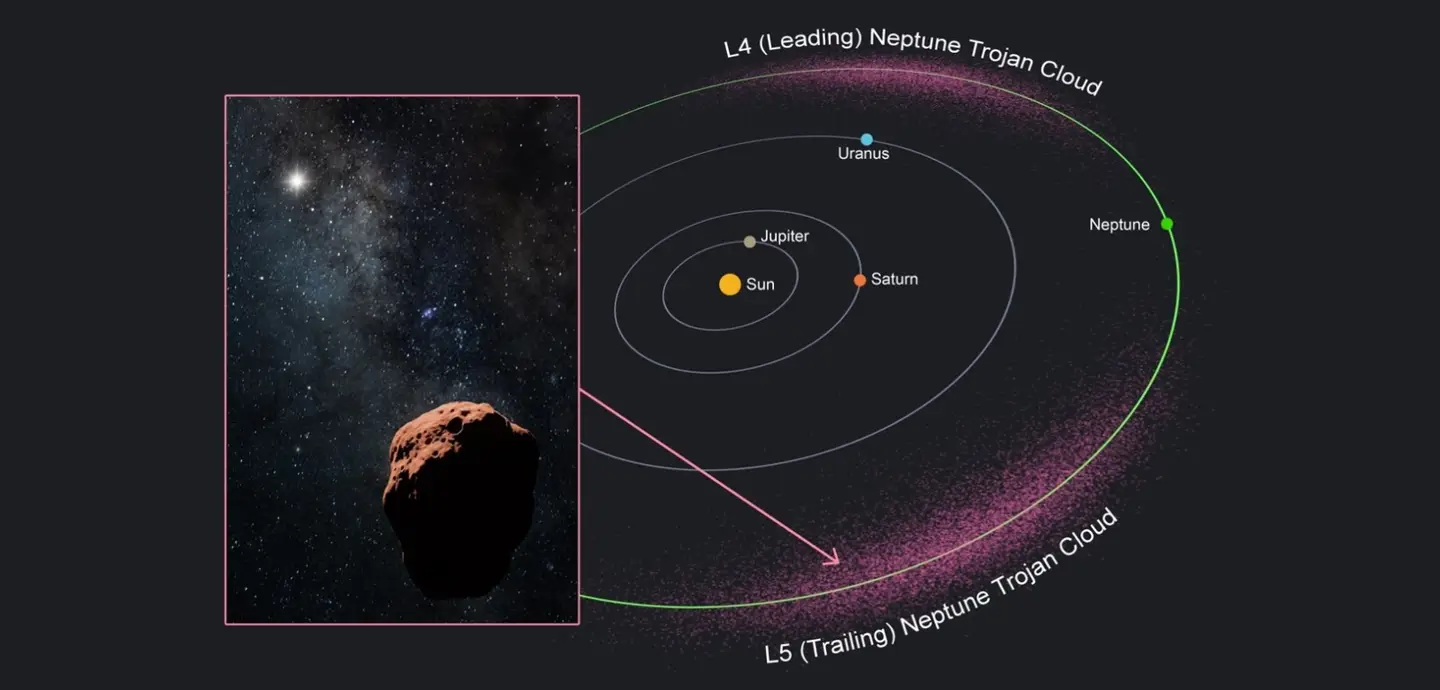

Queen's University Belfast Students Find Neptune's Elusive Trojan Asteroids Astronomers at Queen’s University Belfast have led an international team studying new solar system bodies near Neptune, helping to unravel the mysteries of our solar system’s evolution. image #universitybelfast #queen #rss #feeds #linksharing #qwibbit
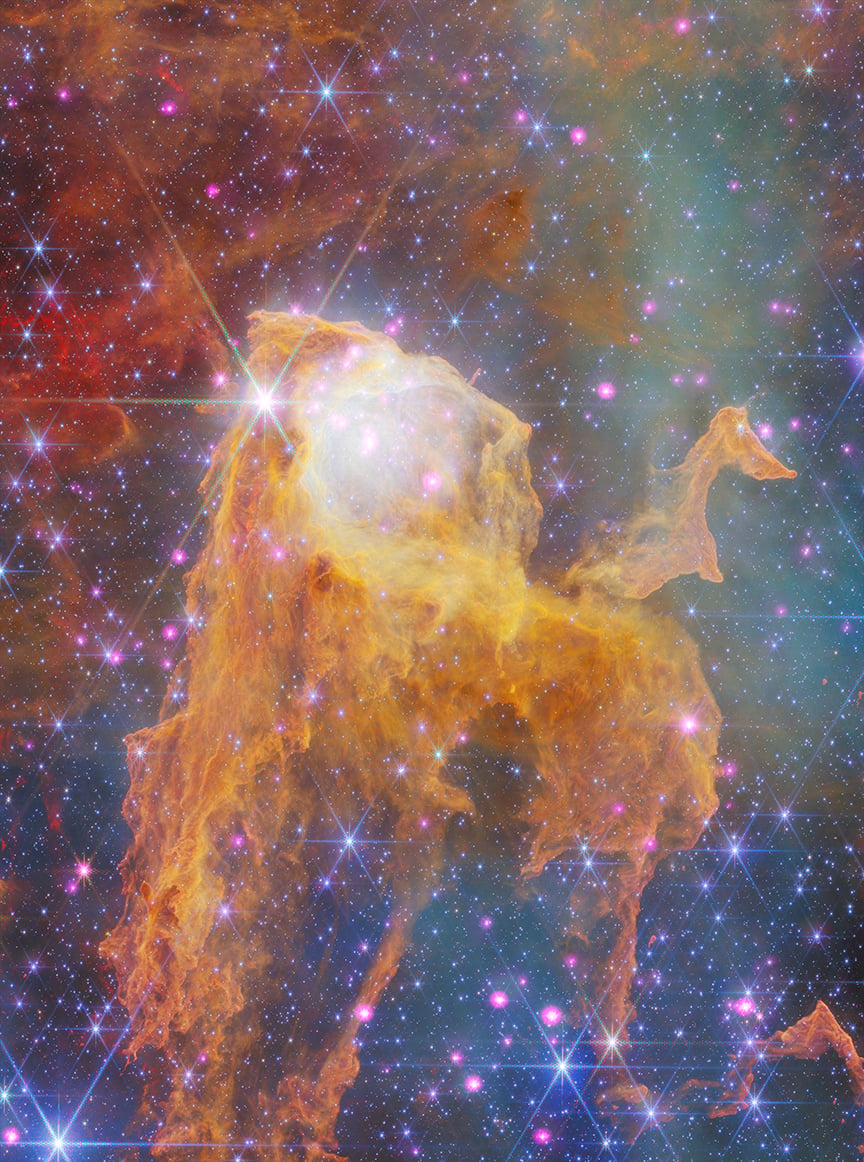
This Ancient Meteorite Hints at Mars' Warm, Wet Past Ancient Martian meteorites are like time-capsules from the planet's past. They're delivered to us by impacts that launch them into space, where some of them find their way to Earth. One recently discovered meteorite found in the Sahara desert adds weight to the idea that Mars was once warm and wet, and possibly habitable. image #past #wet #warm #earth #martian #mars #rss #feeds #linksharing #qwibbit
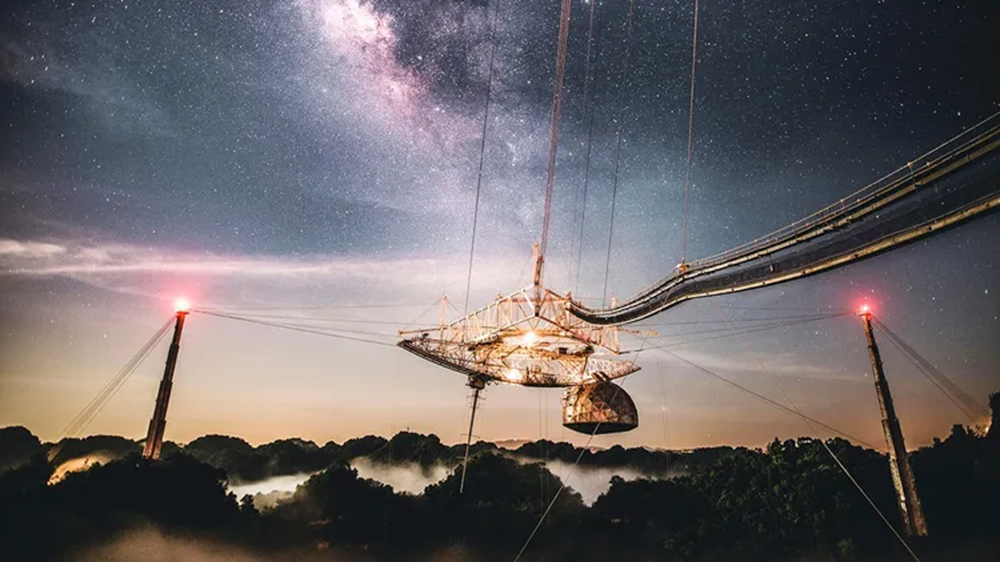
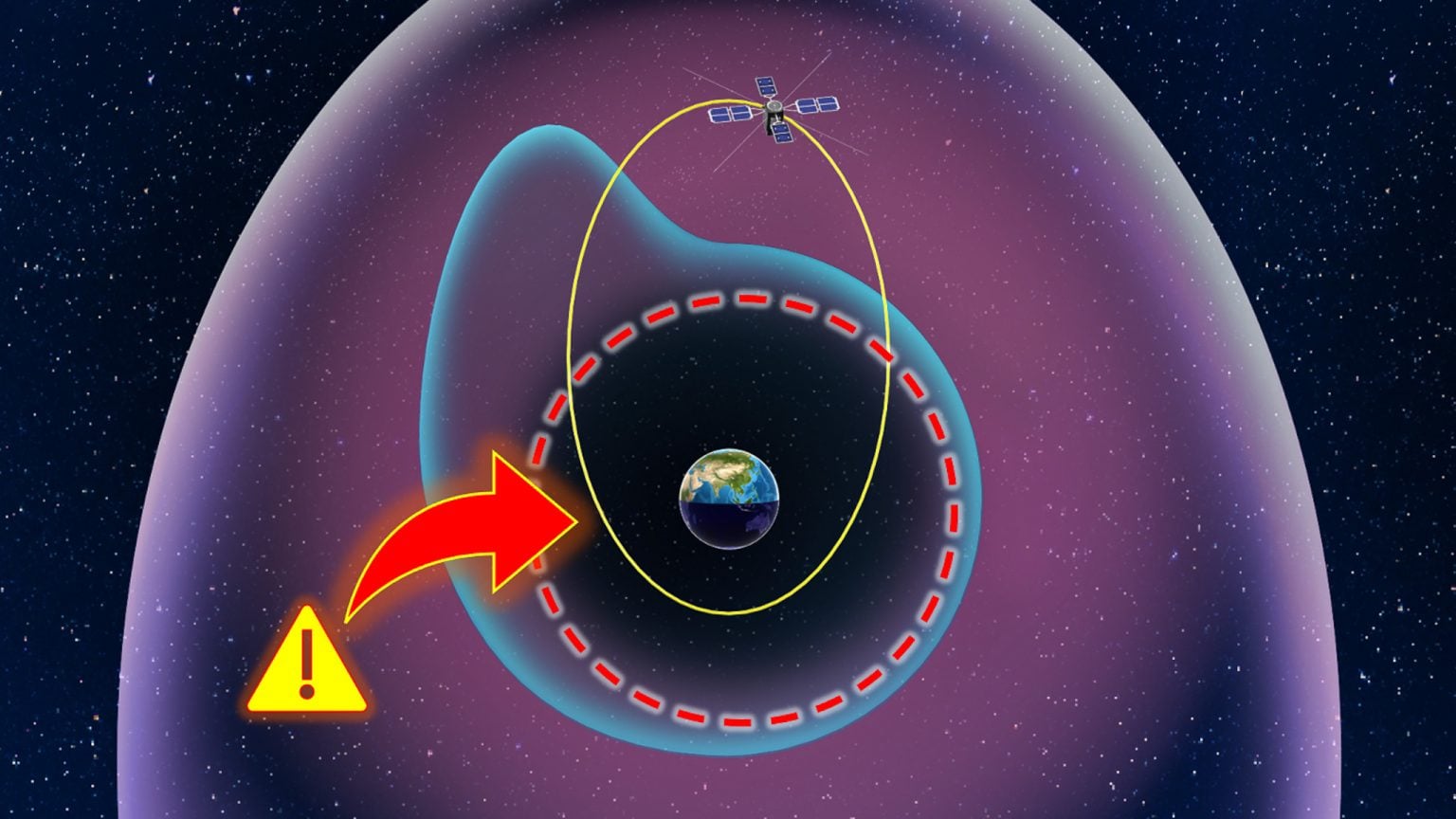
Earth’s “Impenetrable” Space Radiation Shield Was Just Breached From Within Remember the big solar storm back in May 2024? The one that caused auroras as far south as Florida and Mexico? Scientists are still parsing out the impacts that storm had on the local environment, and a new paper published in Geophysical Research Letters by Yoshizumi Miyoshi of Nagoya University and his co-authors shows it might have allowed some nearby electrons to accelerate to relativistic speeds using something called a chorus wave. image #nagoyauniversity #yoshizumimiyoshi #may #letters #rss #feeds #linksharing #qwibbit
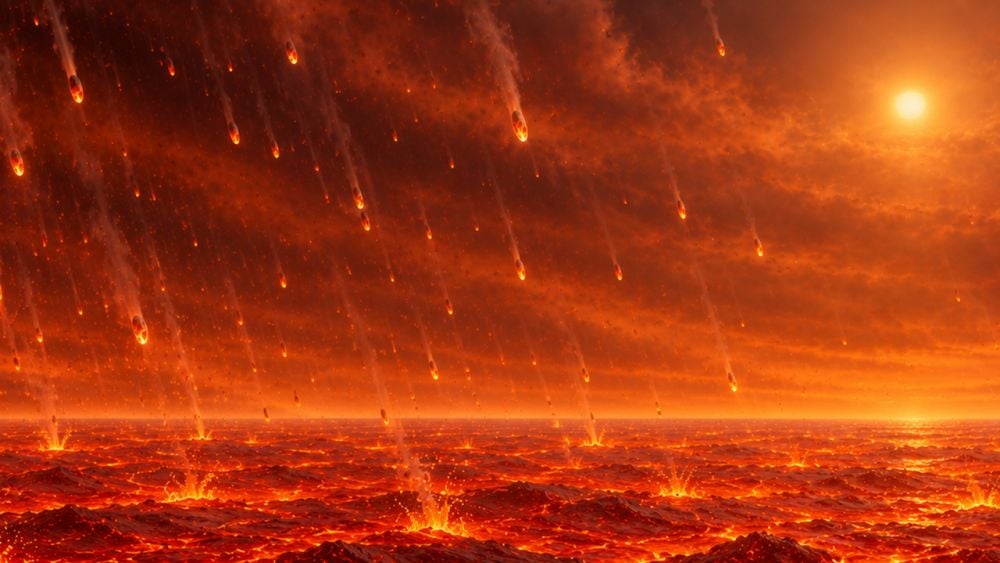
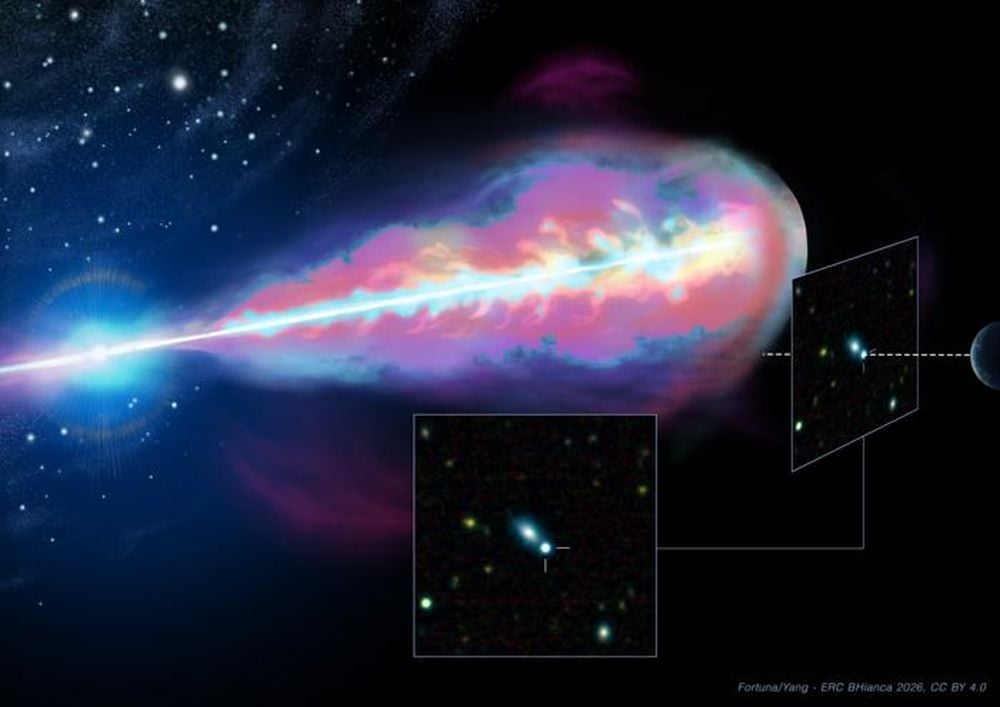
This Gamma-Ray Burst Wasn't Dim, It Was Just Misunderstood In March 2026, NASA's Fermi Gamma-ray Space Telescope detected a GRB with an unusual light signature. Its initial gamma radiation was dim, and the afterglow exhibited unusual, delayed peaks. As it turns out, we were seeing it from a side angle, and the GRB actually packed one billion years of the Sun’s energy output into a thin beam. image #dim #spacetelescope #grb #march #nasa #fermi #sun #rss #feeds #linksharing #qwibbit
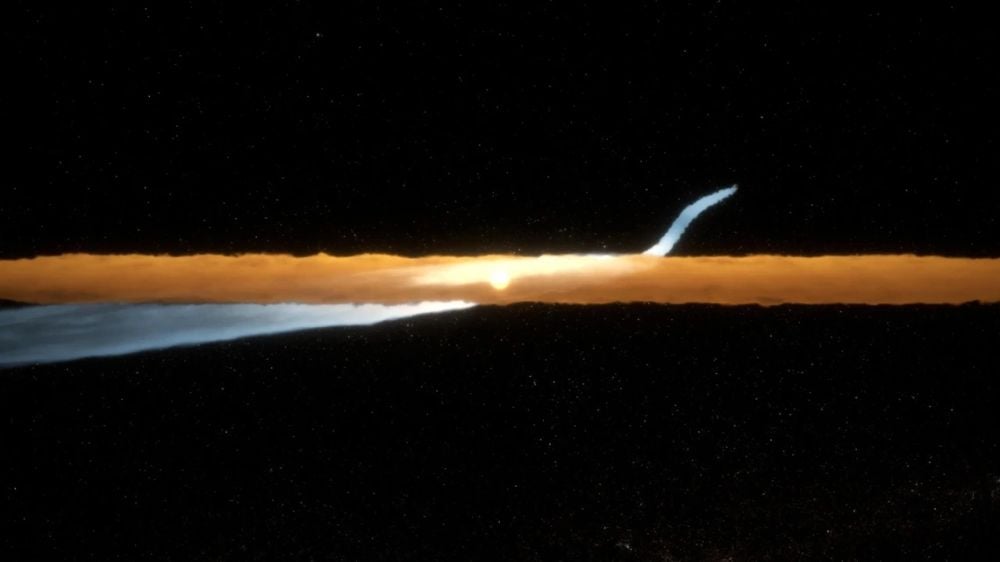
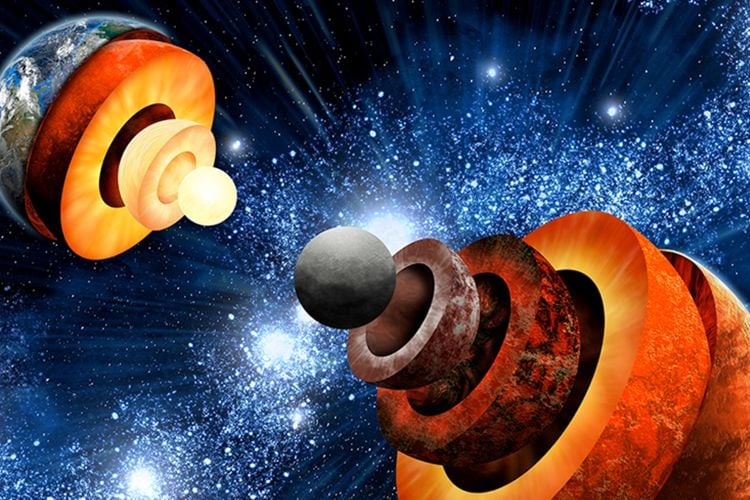
How You Squeeze Planetary Minerals Changes Everything Studying the interiors of planets is essential for understanding planetary formation, evolution, and their ability to potentially host life as we know it. To accomplish this, researchers use a combination of Earth as an analog, computer models, meteorites, and data collected from other planetary bodies for studying their interior compositions. As a result, scientists have determined that the elements of magnesium and silicon are the most abundant planetary building blocks. And, under extreme pressures like the interior mantle of our planet, it forms magnesium oxide (MgO) crystals. But how does this same process occur under different pressures and temperatures on other planets like gas giants and larger rocky exoplanets called super-Earths? image #earth #mgo #rss #feeds #linksharing #qwibbit
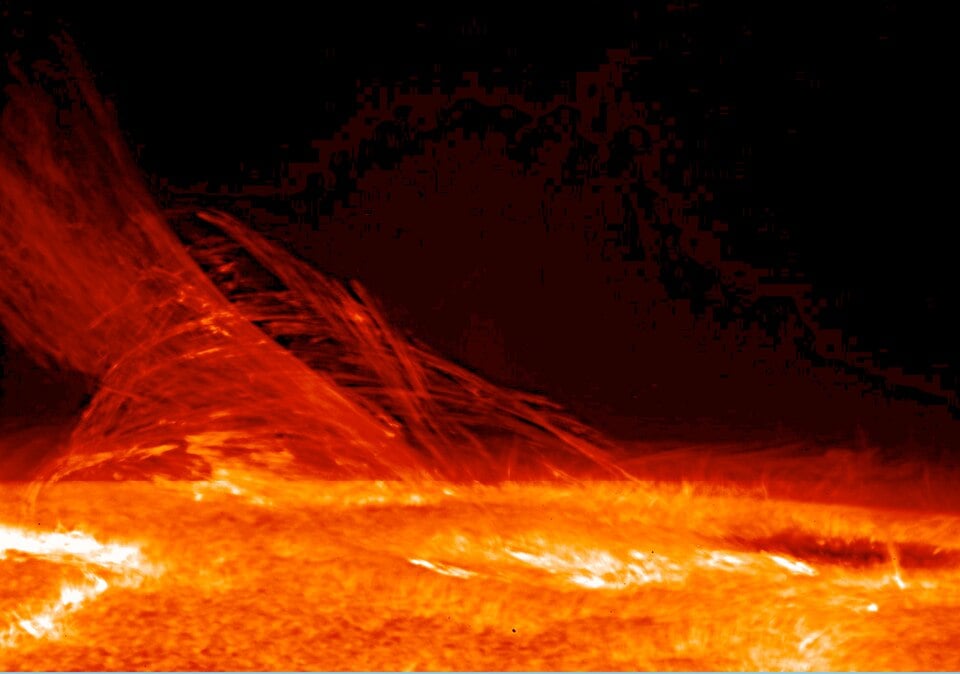
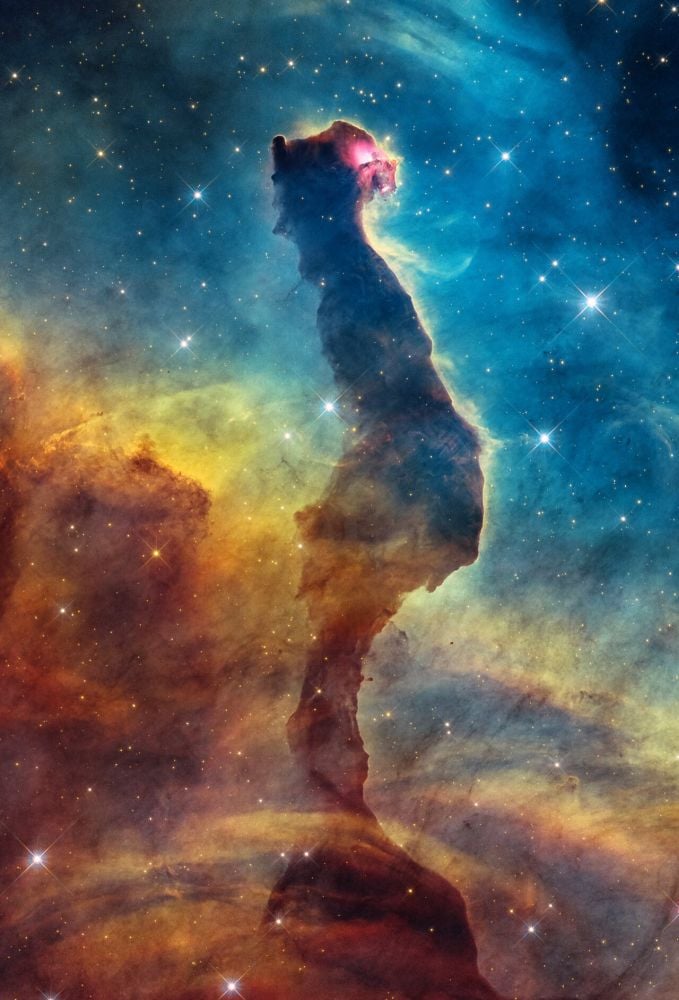
Examining the Cat's Head Nebula with the Hubble and JWST Star formation is a complicated process. It involves metallicity, gas temperature and density, dust grains, and stellar feedback from existing stars. Sometimes, studying all these factors and how they work means studying some of Nature's most beautiful structures, like the Cat's Head nebula in the Carina Nebula. image #headnebula #cat #jwst #carinanebula #sometimes #rss #feeds #linksharing #qwibbit

It's a Ghost! No, It's a Stellar Crèche! Astronomers using the Chandra X-ray Observatory (CXO), the James Webb Space Telescope (JWST) zeroed in on a wispy-looking region of the Carina Nebula and found a ghostly looking cloud seemingly floating in isolation among the other clouds of gas and dust. Just in time for Hallowe'en, although, it turns out that little cloud isn't the soul of departed stars. Instead, it's a region of the nebula has been actively engaged in creating batches of hot, young new stars. image #stellarcreche #ghost #spacetelescope #jameswebb #carinanebula #cxo #jwst #observatory #instead #rss #feeds #linksharing #qwibbit
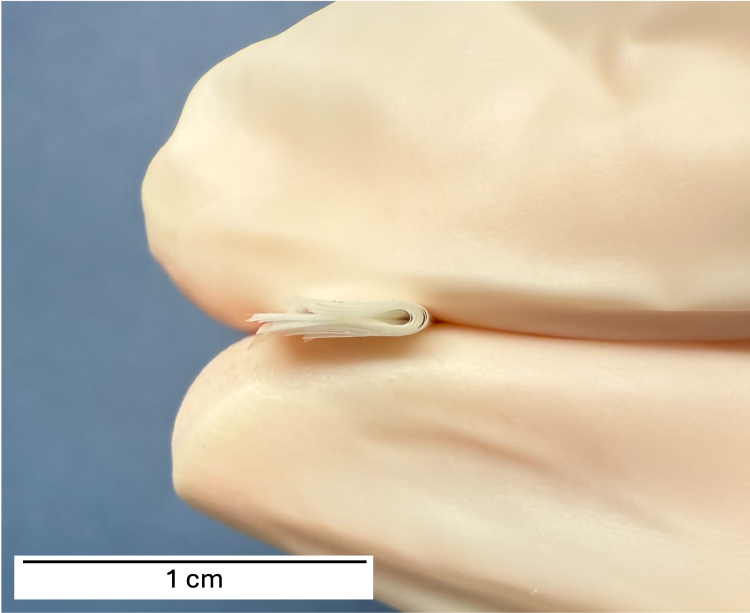
A Brief-ish History of METI. Part II: From Interplanetary to Interstellar The latter half of the 20th century saw a major expansion of the Search for Extraterrestrial Intelligence (SETI), accompanied by corresponding advances in Messaging Extraterrestrial Intelligence (METI). A key development was the first interstellar SETI and METI experiments: Project Ozma and the Arecibo Message. image #extraterrestrialintelligence #meti #history #interplanetary #interstellar #messagingextraterrestrial #arecibomessage #projectozma #part #rss #feeds #linksharing #qwibbit
No Comets Required? How the Growing Earth May Have Created Its Own Water Earth may not have needed comets and asteroids to deliver its water after it formed and cooled. Instead, water creation could have been part of the planet's formation process. New research explains how, and even shows that water creation could be a part of every rocky planet's formation. image #earthmay #water #comets #instead #rss #feeds #linksharing #qwibbit
Colliding Dwarf Planets Created a 'Cat's Tail' 1,000 Astronomical Units Long The Beta Pictoris system is only about 63 light years away. At only about 23 million years old, it's a sort of analogue for our Solar System when it was much younger. Observations show an elongated dust feature named the 'Cat's Tail' that has puzzled researchers. New research says it's the result of two colliding dwarf planets, something that was sure to have happened in our Solar System when it was young. image #dwarfplanets #collidingdwarf #cat #tail #solarsystem #betapictoris #observations #rss #feeds #linksharing #qwibbit
Astronomers Solve the Mystery of the Sun’s Spinning Plasma Jets The torrent of corona related discoveries keeps coming. Lately we’ve covered a variety of potential solutions to the “coronal heating problem” - why the Sun’s corona is so much hotter than its surface. Now, a paper led by a team of researchers from the University of Newcastle, Indian Institute for Astrophysics, and University of Sheffield, offers another answer - that we’ve been viewing the “spicules” that form in the lower solar atmosphere all wrong. image #plasmajets #spinningplasma #astronomerssolve #sun #mystery #indianinstitute #newcastle #sheffield #rss #feeds #linksharing #qwibbit
Virgin Galactic Flies Next-Gen Space Plane to New Home With New Name Virgin Galactic is back in the spaceflight spotlight with the unveiling of a shiny new object: an updated Delta-class suborbital space plane with an exotic name. image #virgingalactic #spaceplane #name #rss #feeds #linksharing #qwibbit
Moon Habitats May Use Layered Mylar to Block Extreme Heat Living on the Moon, with either trained astronauts or regular civilians, could become a regular occurrence in the near future. However, it’s easier said than done, as scientists and engineers continue developing new and advanced ways for protecting humans in the harsh lunar environment, which contrasts the mild and habitable temperatures of the Earth. The most important aspect is focusing on keeping humans alive, and this includes temperature regulation within the habitats. However, how can you maintain temperature regulation while being flexible enough to withstand physical changes like moving, handling, and compression and expansion? image #moon #however #earth #rss #feeds #linksharing #qwibbit
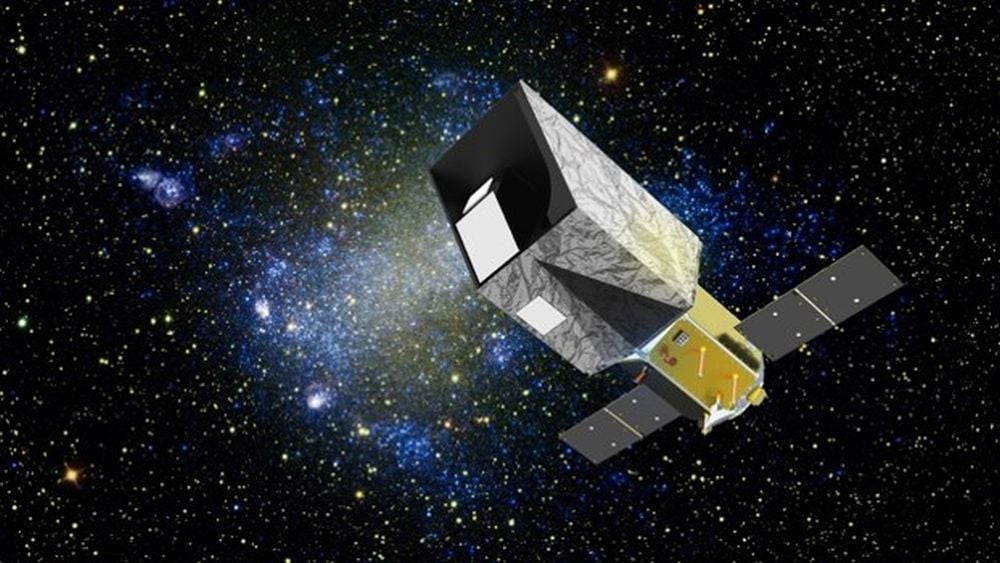
NASA's New UV Space Telescope Will Launch in 2031 NASA has committed to launching a new, more powerful UV space telescope. Named UVEX, the UltraViolet EXplorer, it will launch in 2031. It's about 100 times more powerful than its predecessor, GALEX, whose mission ended in 2013. UVEX will perform a survey in UV that will complement infrared surveys by other telescopes. image #spacetelescope #launch #galex #nameduvex #explorer #ultraviolet #rss #feeds #linksharing #qwibbit
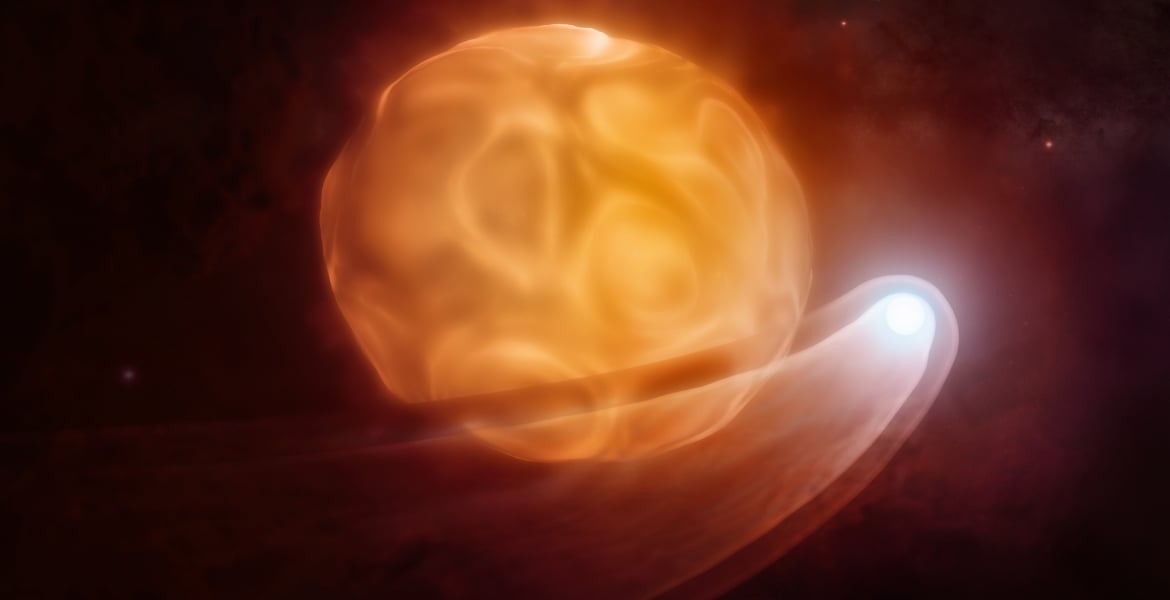
Betelgeuse Is Disturbed By Its Companion Star Betelgeuse has a close-orbiting companion that disturbs the red supergiant into an egg-like shape. New observations show how the two stars interact and how this could help explain the varying brightness of Betelgeuse. image #betelgeuse #rss #feeds #linksharing #qwibbit
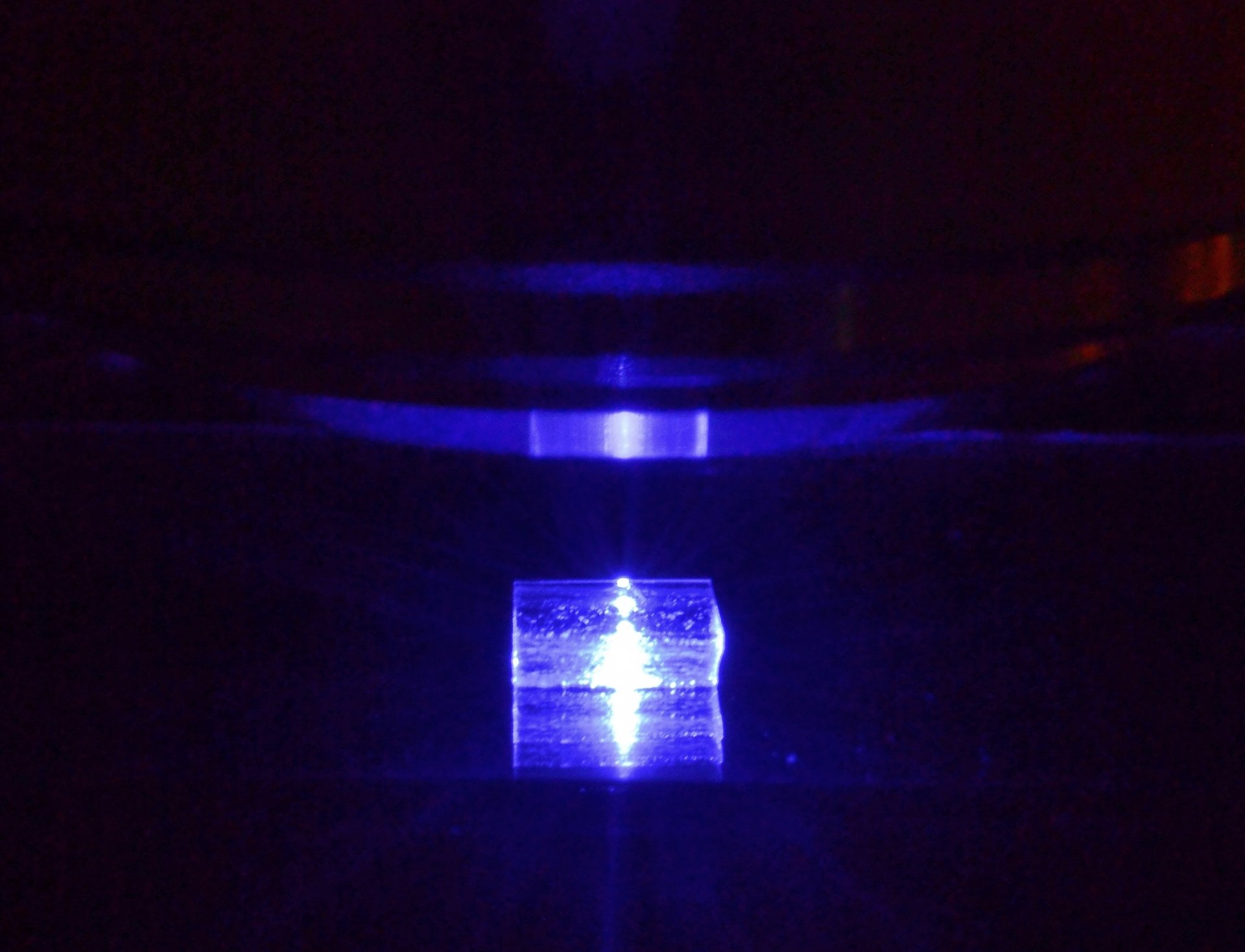
Glowing Salt Crystals Tracked Radiation Aboard Artemis I There weren’t any humans strapped into the bucket seats of the Orion spacecraft for the Artemis I mission. But there were two anthropomorphic mannequins made to mimic human bone and soft tissue, but also equipped with hundreds of radiation sensors spread throughout their body as part of the Matroshka AstroRad Radiation Experiment. A recent paper led by Paweł Bilski of the Institute for Nuclear Physics of the Polish Academy of Sciences, and published in the journal Radiation Measurements, reports on the results of that experiment, including the operation of a new type of long-term passive radiation monitor made of lithium. image #artemis #radiationexperiment #orion #astroradradiation #nuclearphysics #pawelbilski #polishacademy #matroshkaastrorad #rss #feeds #linksharing #qwibbit
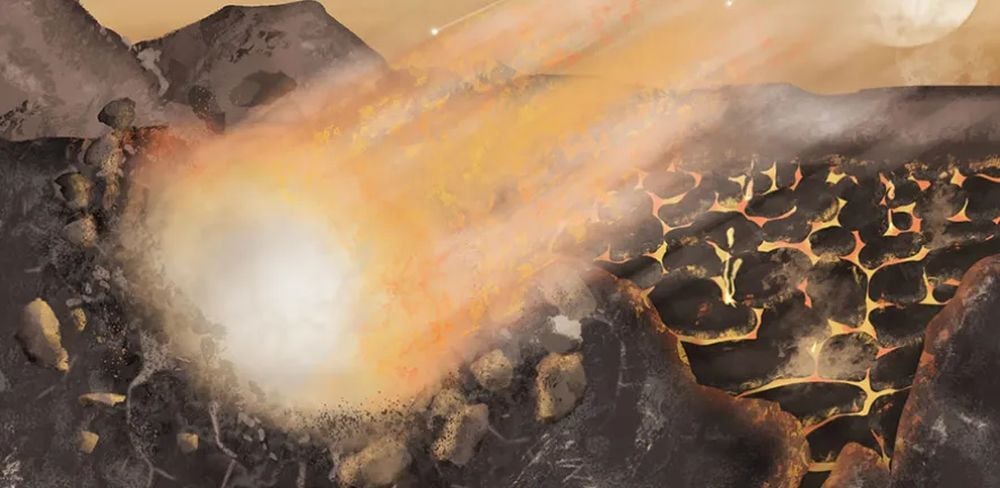
Ancient Comets Carried Organic Compounds, But They Didn't Survive Crashing Into Earth Perhaps the biggest mystery we face is life on Earth started. One hypothesis says that comets, which are known to carry important chemicals in abiogenesis, delivered these compounds to Earth, leading to the appearance of life. But new research concludes that that is highly unlikely. image #earth #compounds #rss #feeds #linksharing #qwibbit
The Leap Second is History. Long Live the 'Leap Hour' Time and time-keeping is a hot topic once again, as many of us ‘fall back’ to Standard Time this coming weekend. Another time-related dilemma was also addressed this month, when a key conference did away with the leap second and the alignment of Universal Time (UT1) with Universal Coordinated Time (UTC). Somewhere off in the distant future, we’ll need to add minutes to the clock to come back into sync, up to and perhaps including a 'leap hour.' Accounting for time is fascinating (if a bit break-brain breaking) stuff to consider. image #leaphour #leapsecond #universalcoordinated #standardtime #utc #another #somewhere #accounting #rss #feeds #linksharing #qwibbit
The Rubin Observatory Finds Its First Dwarf Planet Candidate The Vera Rubin Observatory found a distant Solar System object before its decade-long Legacy Survey of Space and Time even got started. The object is a dwarf planet candidate named 2026 ED138, and if confirmed, it will be one of the largest dwarf planets beyond Neptune. It may be up to 1500 km in diameter. image #rubinobservatory #dwarfplanet #planetcandidate #verarubin #legacysurvey #solarsystem #neptune #rss #feeds #linksharing #qwibbit
↑