Any sources you recommend for a layman to understand ?
I need to both understand :
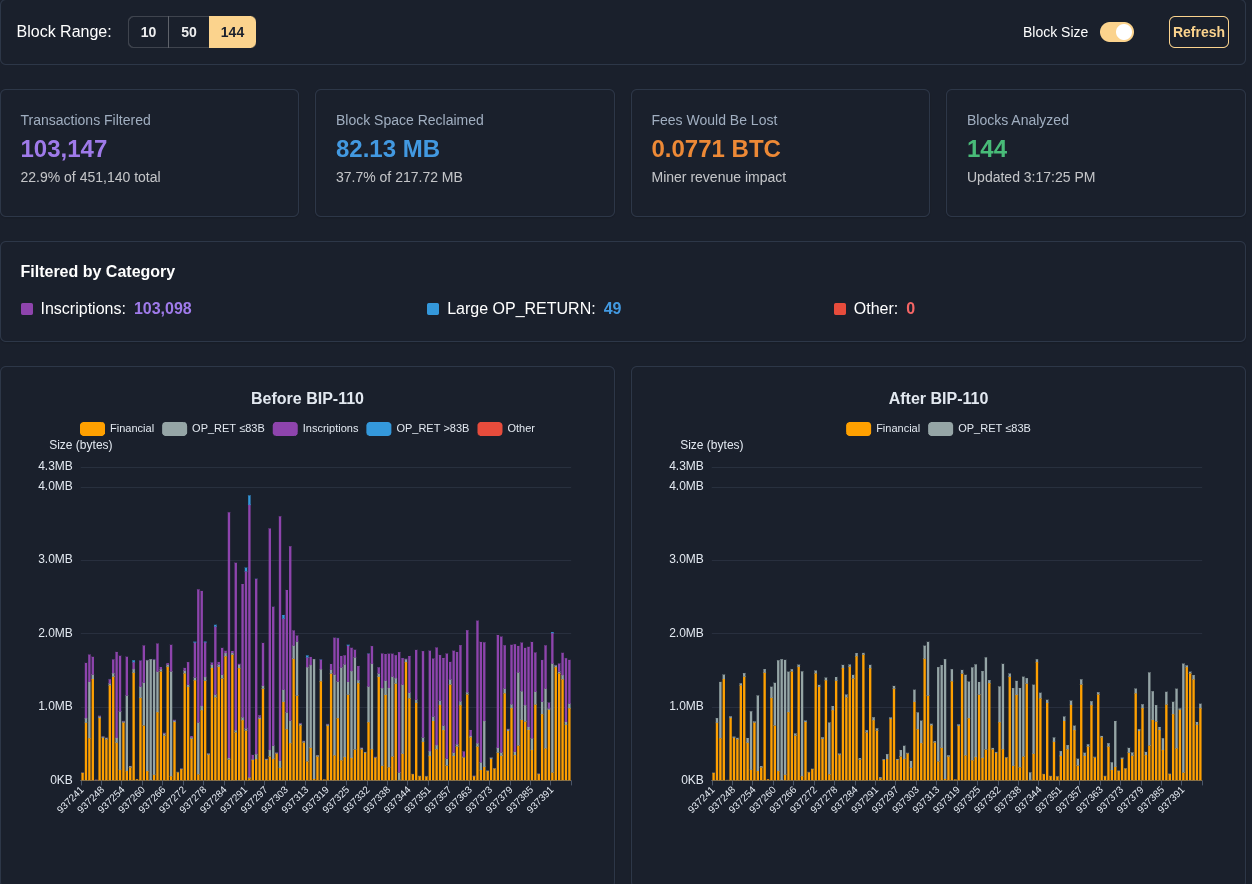
1- why is CSAM and spammers are an existential threat. As of now I'm unconvinced.
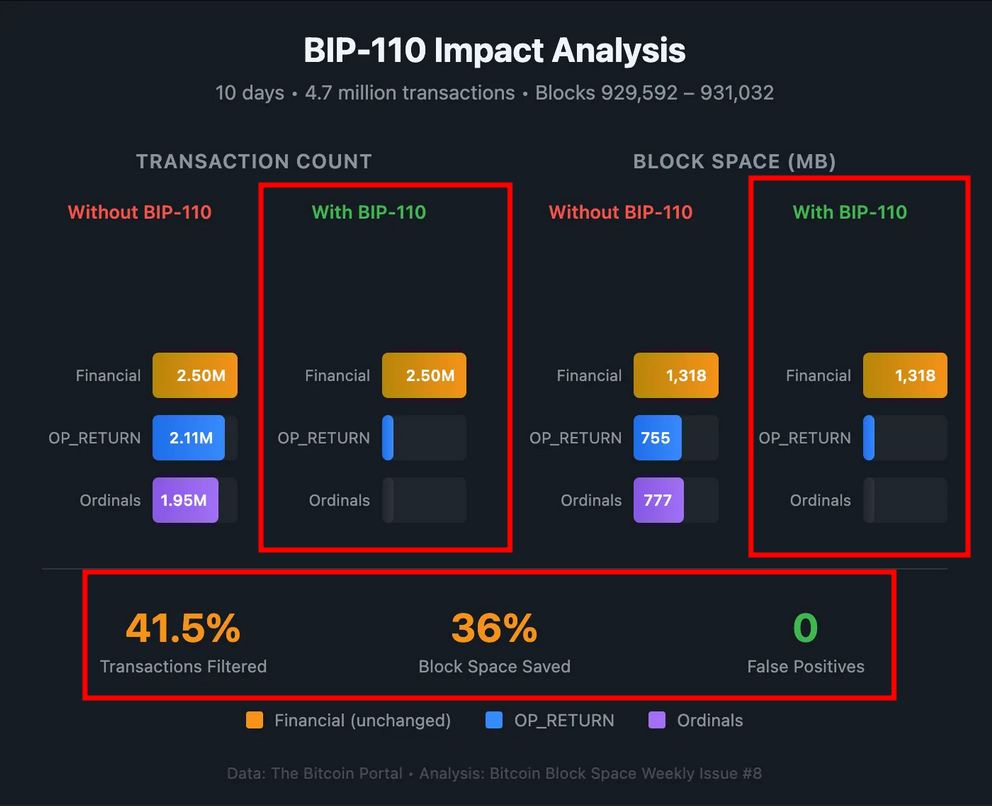
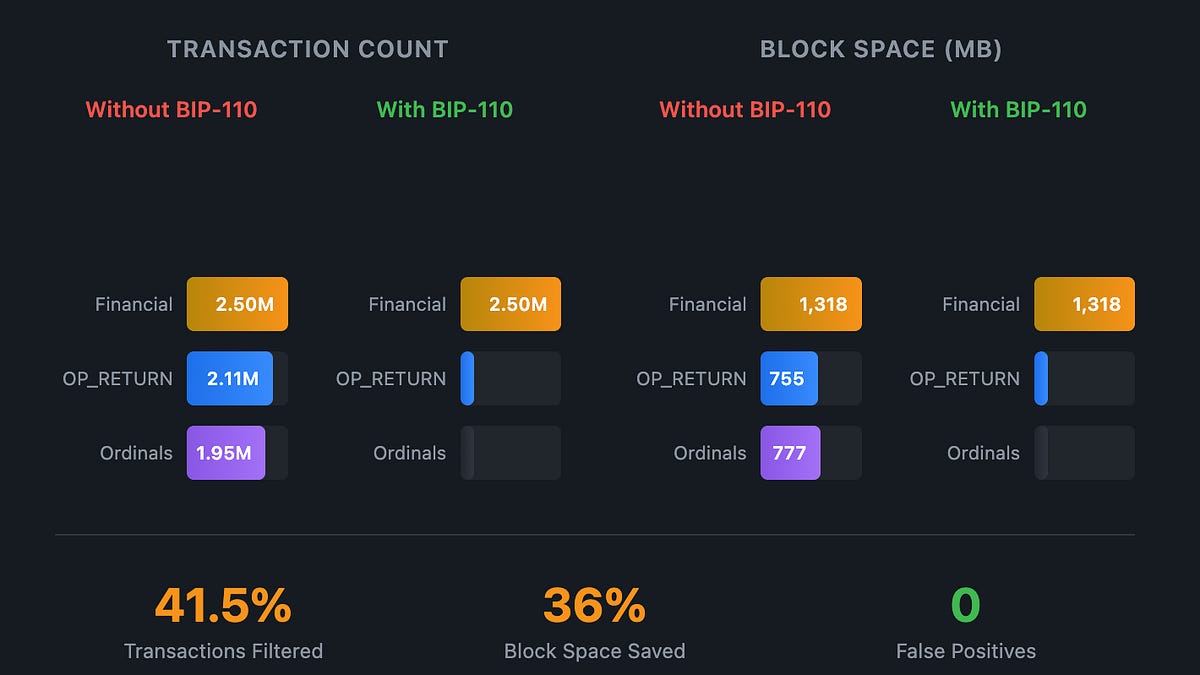
2-what are the impacts and costs of the proposed solution.
Cheers.
1) Bitcoin's security depends on a supermajority of the economy using their own full node. CSAM means every full node will be actively engaging in child porn distribution. Most people will never be willing to do that. Without people using their own nodes, Bitcoin becomes just a worse version of fiat (including, but not limited to, inflation, seizures, etc). Spam makes it harder to run a full node, so is a similar threat over a longer period of time.
Look I respect your opinion, but I'm still unconvinced by that argument.
There is a difference between CSAM images on a hard drive and block data. At most we are talking about filling entire blocks with 4 Mb per 10 minutes that are basically unaccessible by non-techies ?
Motivated individuals are able to access such images regardless. So idk what restricting data is going to lead to.
I don't see the state going to each and every home to try to restrict some random data that's hard to pin down.
To be convinced of your point I would need to see some arrests and a weakening of the network.
There is NO difference at all between CSAM on a hard drive and CSAM via Core30's data storage mechanism. And you're ignoring the whole distribution part. And yes, they are accessible by non-techies.
The goal is not to stop motivated individuals from accessing the images. The goal is to not be in possession or distributing them myself just by running a node.
And we don't have to restrict specific data - we just ban *all* data storage.
By the time there are arrests, it is way too late. Once CSAM is on the chain, it can never be removed.
I disagree with #3. They glossed over just how asymmetric bip110 with respect to consensus. This code allows a minority of node runners to win. Most softforks previously required an overwhelming consensus. Is it for the better?
Maybe...