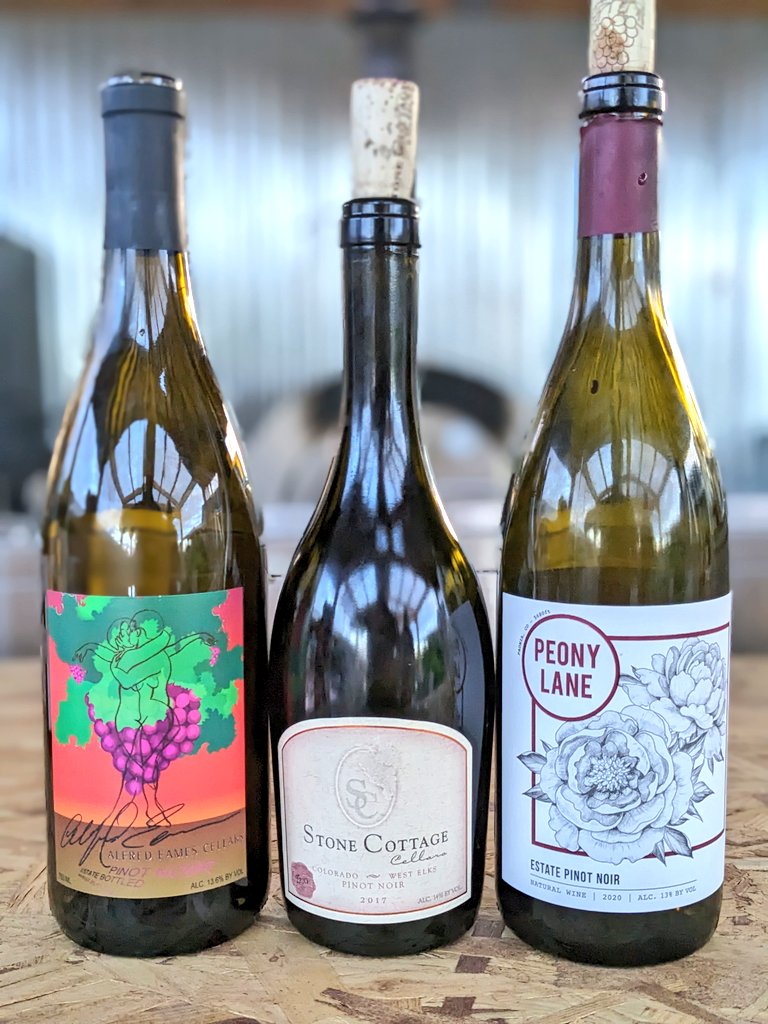
Natural Means More in Wine Than in Food
Chick'N Nuggets tricked me once.
So I do appreciate that the “natural chicken” label means I’m not accidentally buying soybean slop, but that bird could’ve been raised a hundred different ways.
“Natural flavors.” “All-natural.” “Naturally sweetened.” None of these mean anything on food packaging.
Natural Wine still carries weight.
France drew a legal line. To use the label vin méthode nature, winemakers have to use organic grapes, native yeast, no additives, no filtration, and no added sulfites. They also get audited.
In Italy and Spain, there’s no legal standard, but strong winemaking communities set the rules. The pressure comes from peers and tradition, not the government.
In the US, “natural wine” is not regulated, and the tradition is not nearly as strong, but before you assume systemic abuse, let's look at the incentives.
Most wine in the US is mass produced. It is non-organic, high in sulfites, and heavily filtered. It sits so far from the specific definition of natural wine that labeling it that way would be a joke.
Then, if you’re making higher-end wine, you’re not just competing locally. Your bottle sits next to wines from Burgundy, Piedmont, and Jura. The best wine regions set standards, so your wine is competing in a world where “natural” actually means something. Reputation is everything, and using the label carelessly would destroy your credibility.
There is also a reputation problem in the US. Some people associate it with cloudy bottles that smell like a barn and taste worse. While those bottles won't make it to the liquor store, the perception exists.
That reputation acts like a filter. If you’re selling to collectors or high-end restaurants, you don’t want your wine mistaken for something unrefined. Many producers following the same methods—native yeast, no filtration, no additives—choose to call their wines “low intervention” instead.
So if you see “natural” on a wine label, you’re probably not being misled. The word still means something in the regions that matter, and Big Wine can’t even get close.