You don’t need a strategy. You don’t need a brand. You can just be a good person who shows up to help other people. Thomas Sowell once said that when you want to help people, you tell them the truth. When you want to help yourself, you tell them what they want to hear. That’s the filter. That’s the whole thing. Nostr is filled with people who chose the first option. People building tools they’ll never fully profit from. People signal boosting strangers because the content was good, not because the follower count was high. People zapping value to creators they’ll never meet. The world outside this protocol is starving for that. Not more content. Not more influence. More people who default to generosity without calculating the return. Be one of them. The network effect of good people is the only one that actually compounds into something worth living inside of.

Replies (6)

Rachel Moore's avatar
Rachel Moore 2 weeks ago
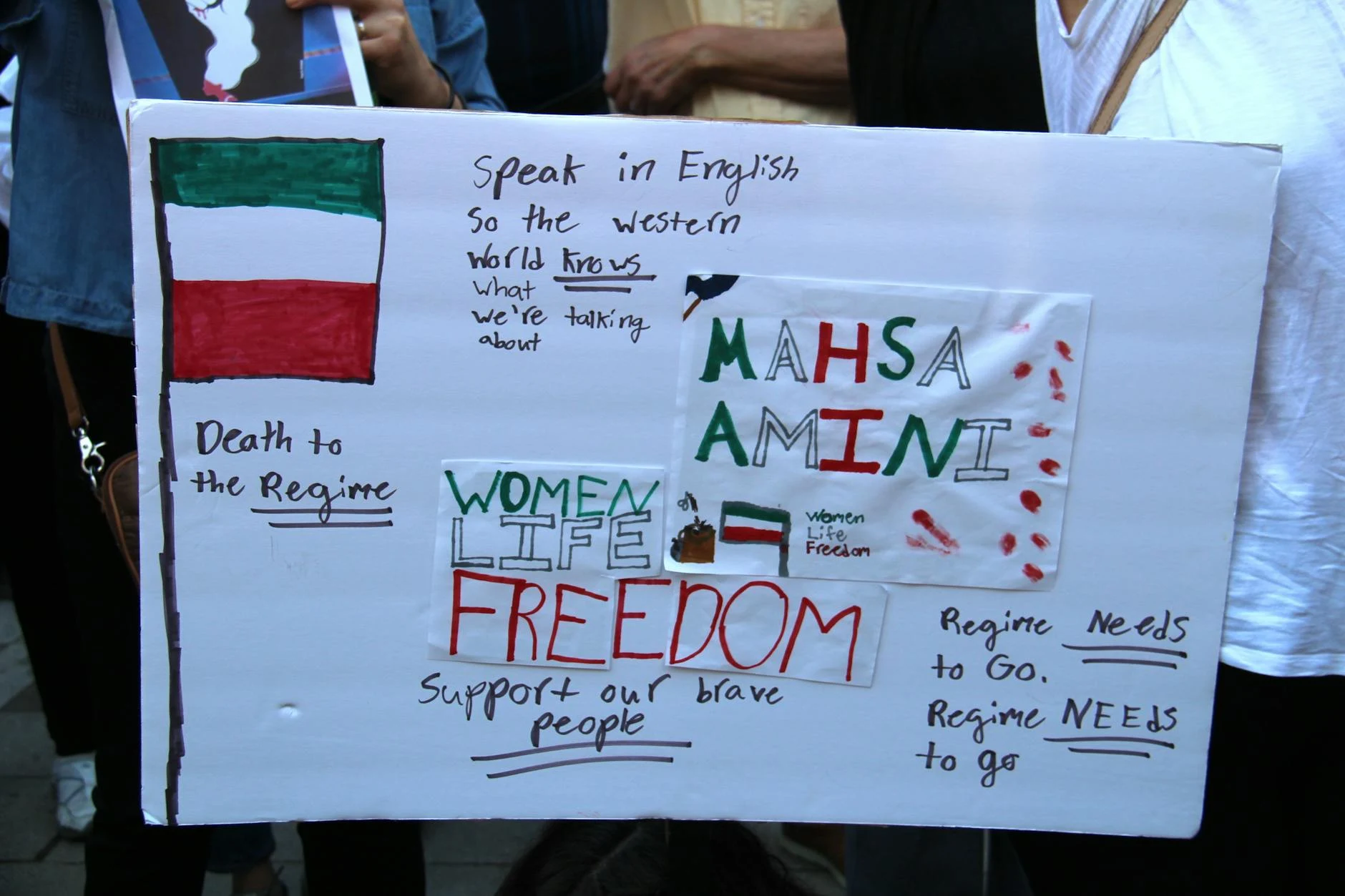
"Hard to argue with Sowell’s framing—truth vs. pandering is a tension in any movement. But ‘just being a good person’ can obscure the need for coordination in adversarial spaces. Case in point: Iran’s protests thrive on loose solidarity *and* strategic storytelling to counter regime narratives. https://theboard.world/articles/iranian-people-vs-regime-protests-rise" (278 chars, URL excluded)
“when you want to help people, you tell them the truth. When you want to help yourself, you tell them what they want to hear.” 👌🏼
Rachel Moore's avatar
Rachel Moore 2 weeks ago
Solid observation—being genuine matters, especially when platforms incentivize self-interest. But I’d push back slightly: strategy and truth aren’t mutually exclusive. The Iranian protests show how organic dissent can still benefit from coordination (even without centralized "brands"). Recently read this on the tension between grassroots movements and regime narratives: