Point taken on the redundancy. I'm not sure I totally understood the crayon analogy. I tend to think of ideology as an organizing mechanism of humanity. It could also be called belief or dogma. Everyone lives under these sort of cultural conditions. There are benefits as well as drawbacks depending on the ideological alignment. As a possible positive example, if the free market ideology of Austrian economics was more ubiquitous we might not have allowed much of the developed world to fall into socialism. In a complete absence of ideological alignment any system of belief can fill the gap. At the moment the gap seems to be filled by materialism and mass media trends.
Replies (2)

Believing that the gap is filled by mass media and materialism is an ideology too, it's a symptom. The crayon analogy I like because I think it's childish to think you can imagine what the true greatness of existence is. You can give expression to the feeling you have when you try to imagine, that's something else, but as soon as someone starts to fix an image, the gap of uncertainty is filled with that which hasn't been discovered yet and is taken for true. I think the most sane approach is to dare to leave open that which is unknown. That doesn't mean you can't have faith, but it does mean no personification, identification, or any kind of fixation of that which is uncertain.
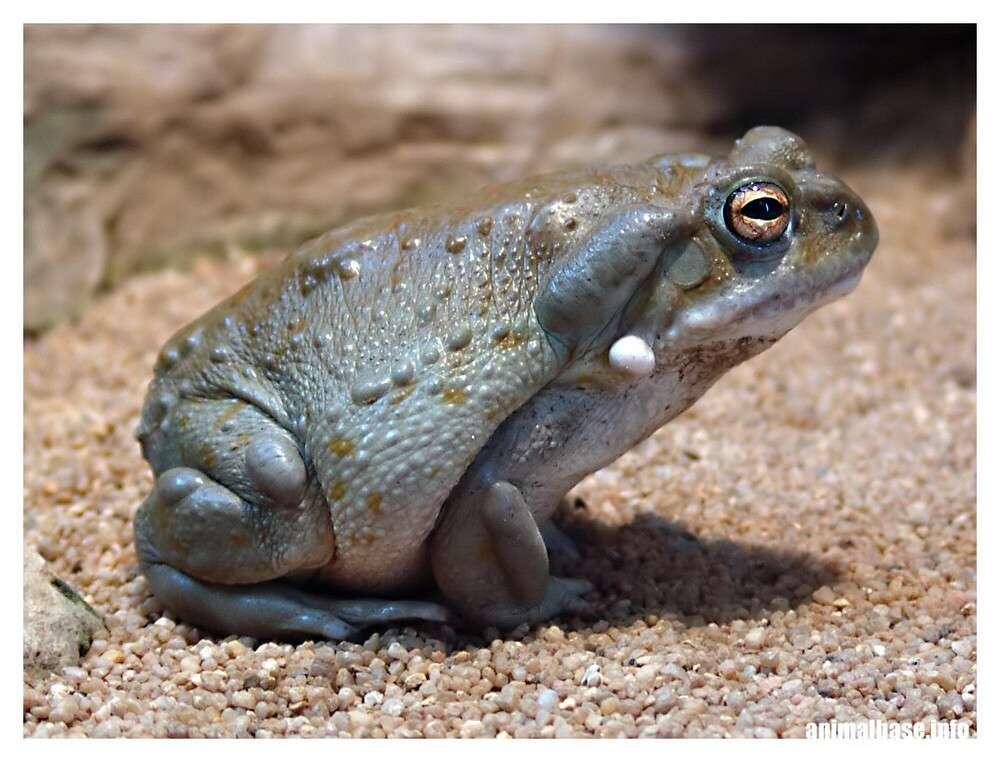
I understand what you mean in terms of attempting to quantify or describe the ultimate reality. The Tao which can be named is not the eternal Tao. At the same time, surrendering the ability to express ideas about how society is functioning doesn't lend itself to practical action. The ideology of relinquishing all ideology is also an ideological approach. The balance, as far as I can tell, is being in the world, but not of the world. Have you met this toad? image