GM. Timelocks are cool.
 Ideally, we come up with a way to make all coins safe from quantum attack
All quantum resistance proposals currently require that users send their coins to new, quantum resistant addresses
There are ~190 million UTXOs
The good folks at Chaincode Labs pulled together research on how long it might take to migrate everyone's bitcoin to quantum resistant addresses
Estimates vary between 140 and 560 days
This is one very strong reason to start working on this problem long before it becomes a problem
There are a number of proposals for how this migration could work:
But all of them first require a soft fork or hard fork to introduce new quantum resistant address types
Commit-Delay-Reveal (CDR) has users create a quantum-resistant tx with an op-return that references the public key of their vulnerable coins
A soft fork then enforces a time delay before the coins can be moved by a 2nd tx that is signed by the original key and the op-return key
Quantum Resistant Address Migration Protocol (QRAMP) proposes a hard fork that enforces a flag day beyond which coins in quantum vulnerable addresses can no longer be spent
QRAMP could be used in combination with proposed BIP 360: pay to quantum resistant hash addresses
Hourglass strategy
A soft fork enforces a new rule that only a certain number of txs spending from quantum vulnerable addresses may be included in any one block
This slows the rate at which such coins could be stolen (or spent)
Might also generate a lot of fees for miners
In addition to the question of how Bitcoin achieves quantum resistance, there is also this:
What happens to the coins to which nobody has the keys?
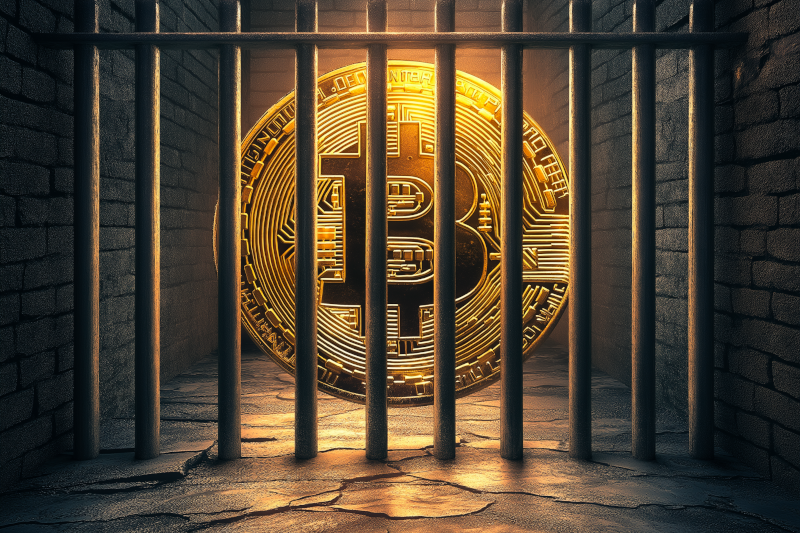
Some proposals permanently freeze them while others leave them up for quantum theft.
Burn or steal?
The burn argument goes like this: Sure we don't want to prevent anyone from spending their coins, but this is a clear vulnerability: coins that the protocol guarantees as safe can be stolen.
Therefore, permanently freezing the lost coins best maintains Bitcoin's rules
The steal argument goes like this: Bitcoin is built on enforcing the sovereignty of key-owners. Changing the protocol to freeze some coins violates this important value.
Bitcoin should never change its rules such that we risk preventing a user from spending their coins.
Where does this leave us?
Making Bitcoin quantum resistant requires
1. A soft fork
2. Migrating all coins to new addresses
3. Tough decisions about what to do with coins that can't migrate
Bitcoin has so many stakeholders at this point that such an undertaking will clearly be slow
Even if you think that quantum computing is far overhyped, we really should start moving on it.
The best thing you can do is educate yourself. Read Chaincode Labs' paper here:
https://chaincode.com/bitcoin-post-quantum.pdf
Huge props to Clara Shik and @deadmanoz for their work!
Ideally, we come up with a way to make all coins safe from quantum attack
All quantum resistance proposals currently require that users send their coins to new, quantum resistant addresses
There are ~190 million UTXOs
The good folks at Chaincode Labs pulled together research on how long it might take to migrate everyone's bitcoin to quantum resistant addresses
Estimates vary between 140 and 560 days
This is one very strong reason to start working on this problem long before it becomes a problem
There are a number of proposals for how this migration could work:
But all of them first require a soft fork or hard fork to introduce new quantum resistant address types
Commit-Delay-Reveal (CDR) has users create a quantum-resistant tx with an op-return that references the public key of their vulnerable coins
A soft fork then enforces a time delay before the coins can be moved by a 2nd tx that is signed by the original key and the op-return key
Quantum Resistant Address Migration Protocol (QRAMP) proposes a hard fork that enforces a flag day beyond which coins in quantum vulnerable addresses can no longer be spent
QRAMP could be used in combination with proposed BIP 360: pay to quantum resistant hash addresses
Hourglass strategy
A soft fork enforces a new rule that only a certain number of txs spending from quantum vulnerable addresses may be included in any one block
This slows the rate at which such coins could be stolen (or spent)
Might also generate a lot of fees for miners
In addition to the question of how Bitcoin achieves quantum resistance, there is also this:
What happens to the coins to which nobody has the keys?
Some proposals permanently freeze them while others leave them up for quantum theft.
Burn or steal?
The burn argument goes like this: Sure we don't want to prevent anyone from spending their coins, but this is a clear vulnerability: coins that the protocol guarantees as safe can be stolen.
Therefore, permanently freezing the lost coins best maintains Bitcoin's rules
The steal argument goes like this: Bitcoin is built on enforcing the sovereignty of key-owners. Changing the protocol to freeze some coins violates this important value.
Bitcoin should never change its rules such that we risk preventing a user from spending their coins.
Where does this leave us?
Making Bitcoin quantum resistant requires
1. A soft fork
2. Migrating all coins to new addresses
3. Tough decisions about what to do with coins that can't migrate
Bitcoin has so many stakeholders at this point that such an undertaking will clearly be slow
Even if you think that quantum computing is far overhyped, we really should start moving on it.
The best thing you can do is educate yourself. Read Chaincode Labs' paper here:
https://chaincode.com/bitcoin-post-quantum.pdf
Huge props to Clara Shik and @deadmanoz for their work!



 Test networks are handy for testing:
- potential consensus rule changes
- new software products that interact with Bitcoin
- network dynamics and mining
- lots more!
The closer they are to real Bitcoin the better
Regtest is the most basic Bitcoin testing network:
- you mine blocks w/ a `generate` command
- you choose the peers
It lets you test how software interacts with consensus rules
But it doesn't model a permissionless public network very well
Testnet was created to model almost all the same attributes as the real Bitcoin network
- anyone can join the network
- anyone can mine on it
- no one controls it
sounds great, right?
Mining difficulty only adjusts every 2016 blocks
If someone with a lot of miners comes to Testnet to try something out and then leaves..
Everyone else might be in for a long wait before they can mine blocks
Not ideal.
So Testnet also got this rule: if no block is mined for 20 minutes, difficulty resets to minimum.
Sounds good but it leads to a lot of problems:
- Block production is highly volatile
- Reorgs are common
- It can be hard to get new coins
Bitcoiners have been looking for a stable testnet model for quite a while.
2010: First public testnet
2011: Testnet2
2012: Testnet3
2024: Testnet4
It's hard to make a network where coins are free but mining still takes real resources
People get frustrated with Testnet...
(Not all people though: that fabulous Bitcoin troubadour @Super Testnet took his name from testnet3...and superman)
...so Signet (BIP325) was proposed in 2019, and merged into Bitcoin Core v21.
What is Signet?
A centralized Bitcoin testing network where
- mining still takes PoW
- but blocks also need a signature from network operator
This makes Signet reliable and stable, much better for most testing applications
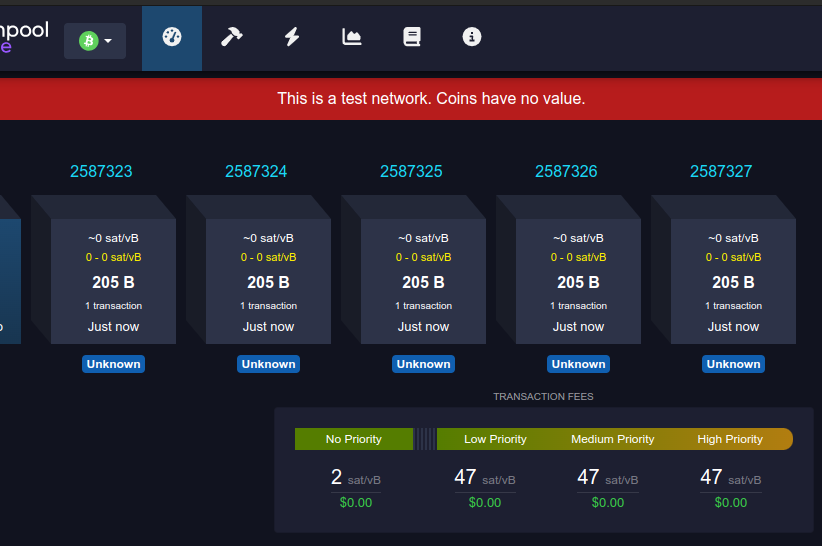
The default Signet targets a block interval of 10 minutes, just like Bitcoin mainnet
Check it out:
Test networks are handy for testing:
- potential consensus rule changes
- new software products that interact with Bitcoin
- network dynamics and mining
- lots more!
The closer they are to real Bitcoin the better
Regtest is the most basic Bitcoin testing network:
- you mine blocks w/ a `generate` command
- you choose the peers
It lets you test how software interacts with consensus rules
But it doesn't model a permissionless public network very well
Testnet was created to model almost all the same attributes as the real Bitcoin network
- anyone can join the network
- anyone can mine on it
- no one controls it
sounds great, right?
Mining difficulty only adjusts every 2016 blocks
If someone with a lot of miners comes to Testnet to try something out and then leaves..
Everyone else might be in for a long wait before they can mine blocks
Not ideal.
So Testnet also got this rule: if no block is mined for 20 minutes, difficulty resets to minimum.
Sounds good but it leads to a lot of problems:
- Block production is highly volatile
- Reorgs are common
- It can be hard to get new coins
Bitcoiners have been looking for a stable testnet model for quite a while.
2010: First public testnet
2011: Testnet2
2012: Testnet3
2024: Testnet4
It's hard to make a network where coins are free but mining still takes real resources
People get frustrated with Testnet...
(Not all people though: that fabulous Bitcoin troubadour @Super Testnet took his name from testnet3...and superman)
...so Signet (BIP325) was proposed in 2019, and merged into Bitcoin Core v21.
What is Signet?
A centralized Bitcoin testing network where
- mining still takes PoW
- but blocks also need a signature from network operator
This makes Signet reliable and stable, much better for most testing applications
The default Signet targets a block interval of 10 minutes, just like Bitcoin mainnet
Check it out: