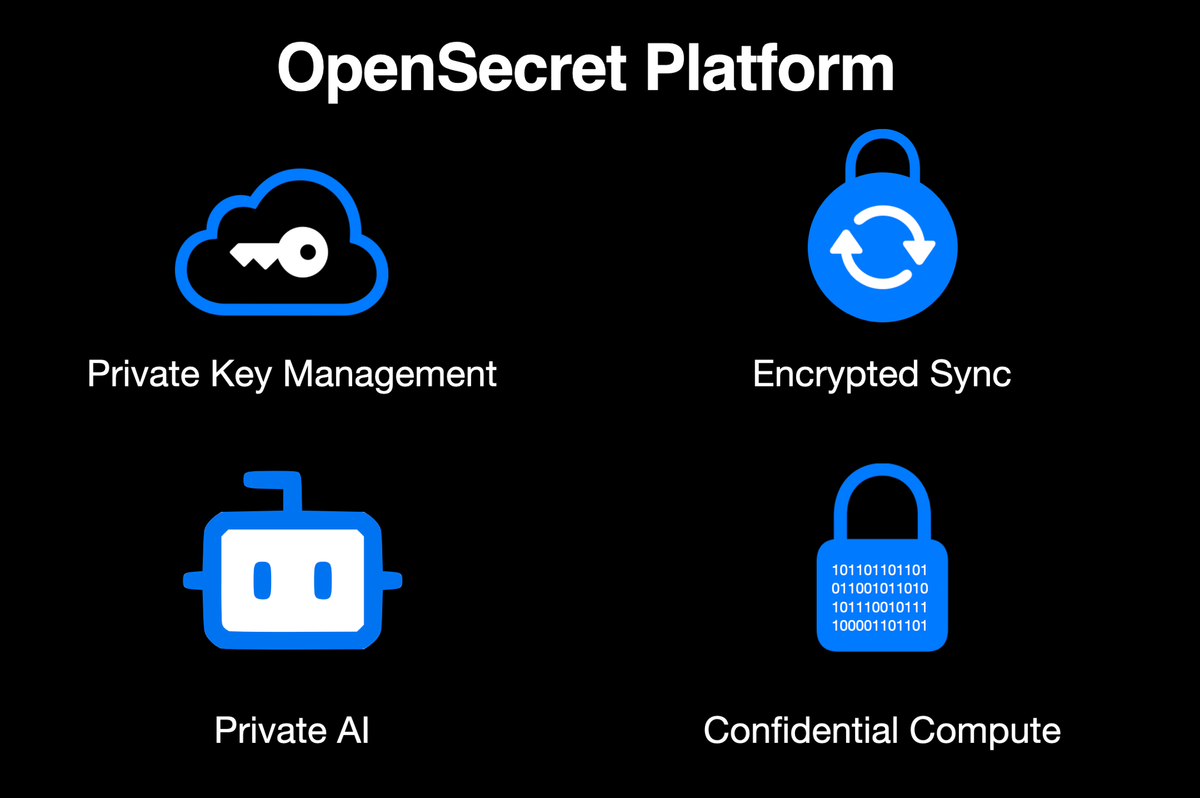
Maple provides an AI experience that is as close to the privacy of local, offline AI as possible while running in the cloud. We do this by using Trusted Execution Environments (TEE). Data is encrypted locally and only decrypted inside the TEE. If law enforcement requested a user's data, they would receive an encrypted blob. Furthermore, we offer anonymous accounts that don’t have any associated email or social media identity.
We've been open from the beginning. You can see our code and technical writeups:
- Source code:  - High level architecture:
  - Technical Deep Dive:
  We are already in the process of commissioning third-party audits because we know those are helpful for certain organizations.
I know of no other cloud AI provider, whether it’s proprietary frontier labs or other privacy AI companies, that is more open and transparent than we are. We set the bar high because we believe this industry should be open by default.
We offer state-of-the-art open-weight models with the strongest privacy protections we can build. It’s up to you to decide what risk tolerance is right for you.
We are already in the process of commissioning third-party audits because we know those are helpful for certain organizations.
I know of no other cloud AI provider, whether it’s proprietary frontier labs or other privacy AI companies, that is more open and transparent than we are. We set the bar high because we believe this industry should be open by default.
We offer state-of-the-art open-weight models with the strongest privacy protections we can build. It’s up to you to decide what risk tolerance is right for you.
GitHub
OpenSecret
Creators of Maple AI - Confidential AI for Home and Business - OpenSecret
Maple
Security Proof - How Maple Works
Cryptographic verification, not just promises. Hardware-enforced privacy you can audit yourself, with open-source code, reproducible builds, and li...
OpenSecret, the Maple AI Backend
Maple AI Backend and OpenSecret Technicals
With our newly released Maple AI and the open sourcing of our OpenSecret platform code, we present this technical primer on how we built our confid...