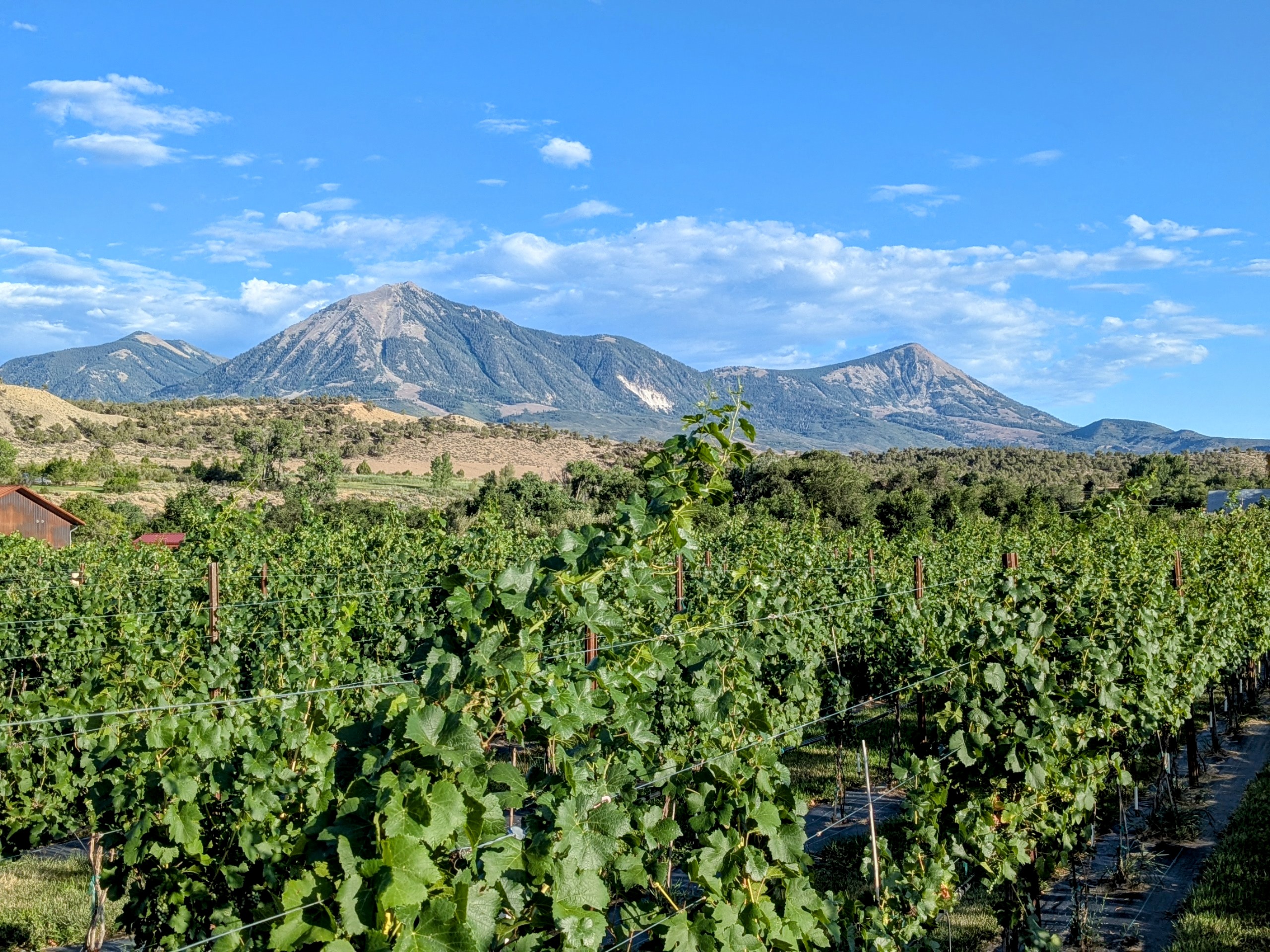
What makes High altitude wine different?
High altitude vineyards often experience significant diurnal shifts, meaning large temperature differences between day and night, which greatly affects the wine.
These shifts, typically ranging from 20-40°F, allow grapes to ripen gradually, developing depth of flavor while preserving acidity and aromatic compounds.
Here's a more detailed explanation:
Ripening and Acidity:
During the day, the sun's warmth encourages photosynthesis and sugar development in the grapes. However, cool nights slow down or halt this process, preventing excessive sugar accumulation and preserving the grapes' natural acidity. This balance between sugar and acidity is crucial for creating well-structured and balanced wines.
Aroma Preservation:
The cool nights help lock in the aromatic compounds in the grapes, contributing to the wine's aromatic complexity and intensity.
Increased Flavor Depth:
The gradual ripening process, combined with the temperature fluctuations, allows for the development of more nuanced and complex flavors in the grapes, leading to richer and more interesting wines.
Disease Mitigation:
High altitude vineyards often have better air circulation and lower humidity, which helps reduce the risk of fungal diseases and mold that can affect grape quality.
Shorter Growing Season:
High altitudes tend to have shorter growing seasons, which can lead to grapes that are harvested with more freshness and vibrant aromas.
In essence, diurnal shifts in high-altitude vineyards play a vital role in producing wines that are known for their balance, acidity, aromatic intensity, and overall complexity.